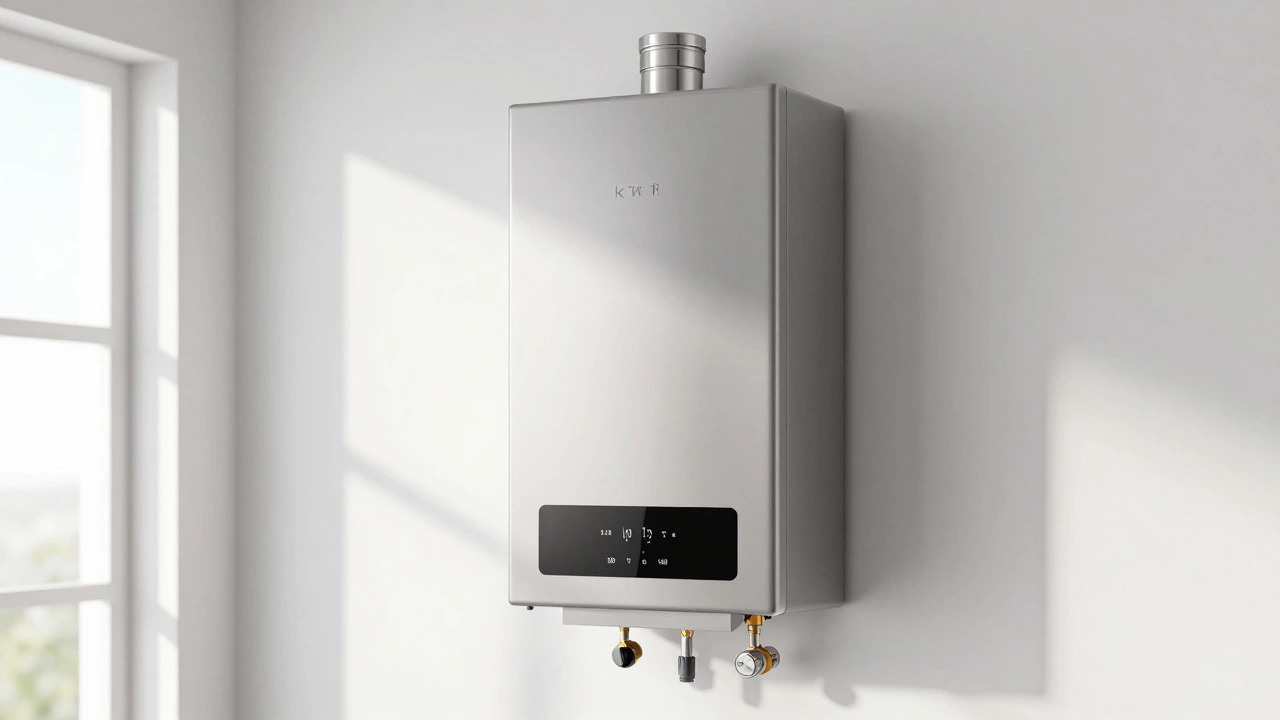
No hot water? Don't panic. Learn how to troubleshoot common water heater issues like tripped breakers, pilot lights, and thermostats. Step-by-step guide for DIY fixes.
Cold showers are a pain, especially when you rely on a water heater that decides to quit. The good news? Most problems are simple enough to spot, and you don’t always need a full‑blown service call. Below you’ll find the most common hiccups, easy fixes you can try yourself, and clear signs it’s time to ring in a professional.
First, let’s run through the usual suspects. If your heater is making weird noises, leaking, or just not heating water, check these areas:
Most of these checks take under an hour and require only a screwdriver, a garden hose, and a bucket. Safety first: always turn off the power (electric) or gas supply before opening the unit.
DIY works for minor issues, but there are red flags you shouldn’t ignore:
South Shields Appliance Repair Services can send a qualified technician within 24 hours. Our team is Gas Safe registered, so you get peace of mind that the job meets all safety regulations.
When you call, be ready with the make and model of your heater, a brief description of the symptom, and any recent changes (new plumbing, power surges, etc.). This helps us bring the right parts and finish the job faster.
In most cases, we’ll diagnose the issue on the spot, give you a clear cost estimate, and either fix it then or schedule a follow‑up if parts need ordering. We aim for transparent pricing – no hidden fees, just honest labour rates.
Remember, a well‑maintained water heater can last 12‑15 years. Regular maintenance, like an annual flush and thermostat check, keeps it efficient and cuts down your energy bill.
If you’re dealing with a cold shower right now, start with the simple steps above. If nothing changes, or you feel uneasy about any part of the process, give us a call. Quick, reliable water heater repair is just a phone call away, and we’ll have your hot water back before you know it.
No hot water? Don't panic. Learn how to troubleshoot common water heater issues like tripped breakers, pilot lights, and thermostats. Step-by-step guide for DIY fixes.
Discover how to fix hot water not turning on by checking power sources, resetting thermal cutoffs, and testing elements. A practical guide for electric and gas water heater repairs.
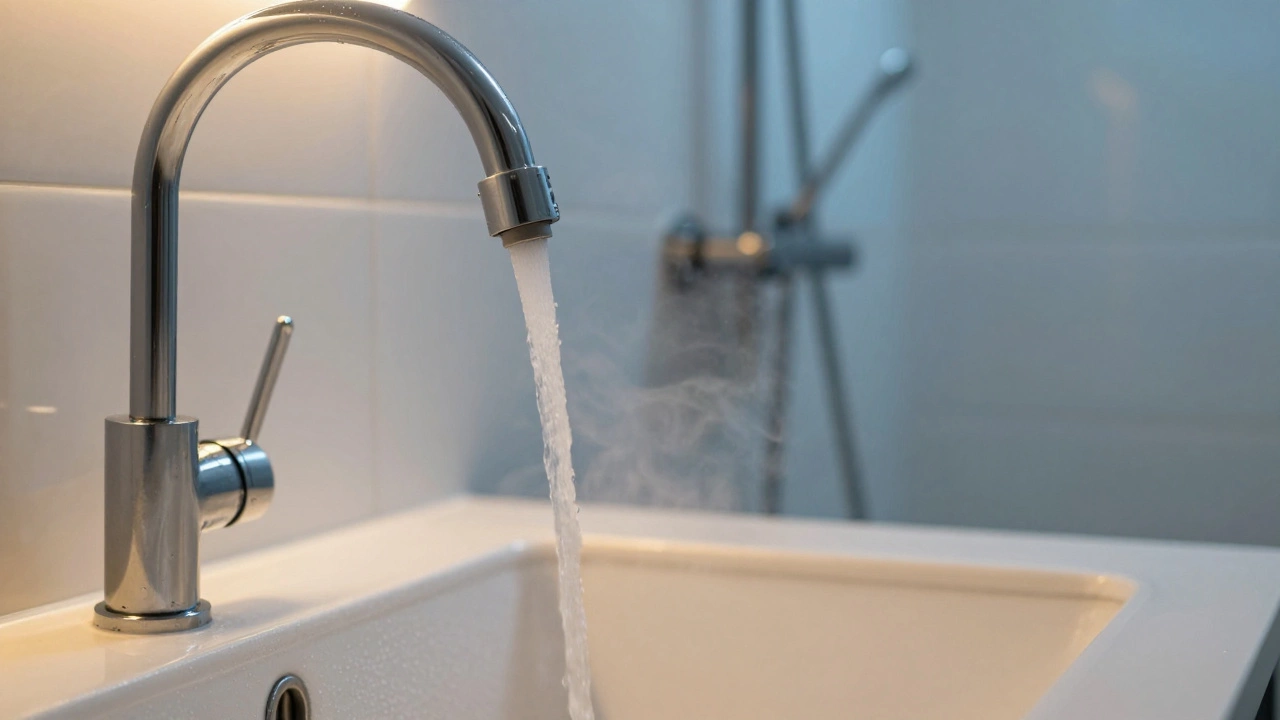
Hot water in the sink but not the shower? Don't panic. It's likely a clogged valve, air lock, or faulty diverter, not a broken heater. Learn how to diagnose and fix this common plumbing issue.
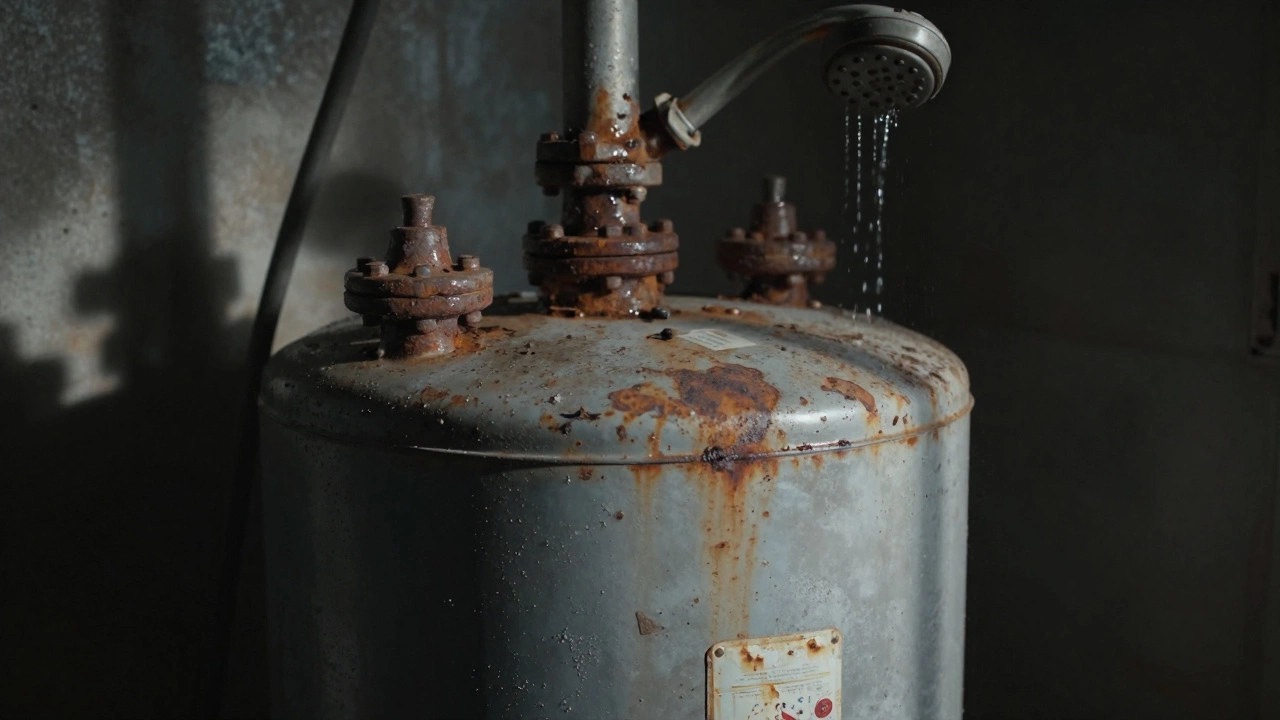
Fixing a 20-year-old water heater is rarely worth it. Learn why replacement saves money, boosts efficiency, and prevents dangerous leaks or floods.
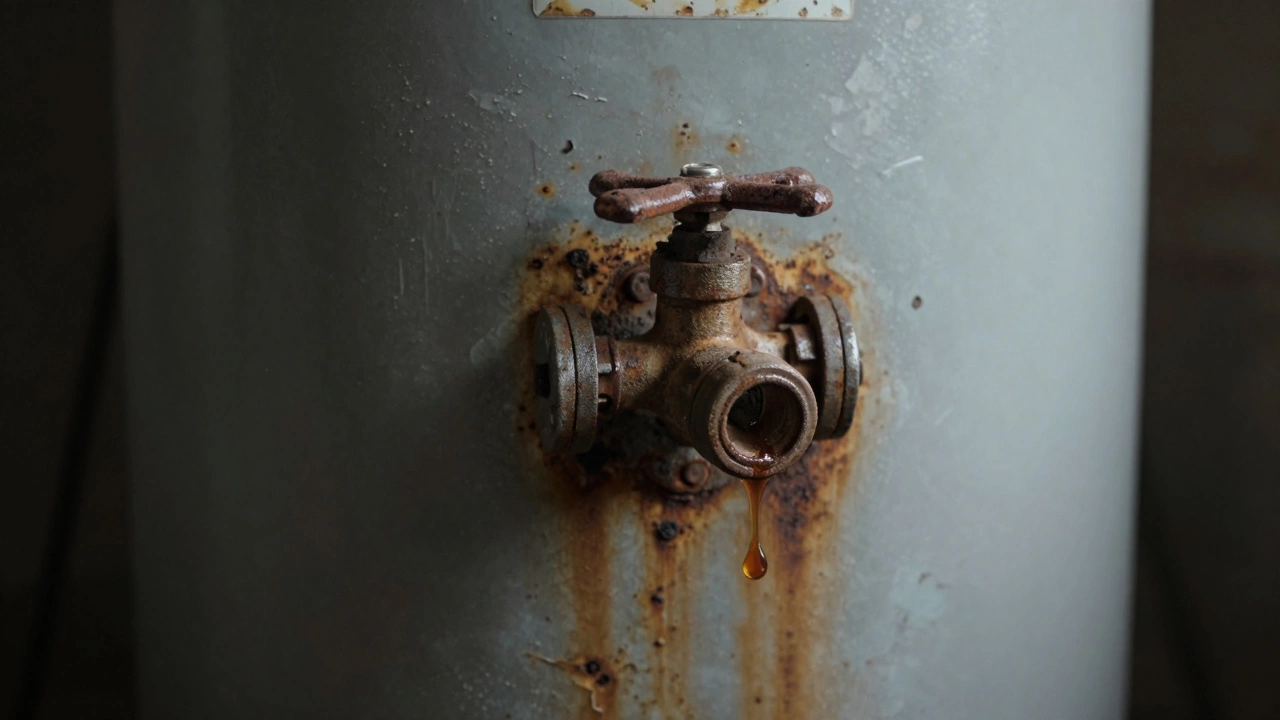
Discover if repairing a 20-year-old water heater is wise. We break down costs, safety risks, and efficiency losses to help you decide between repair and replacement.
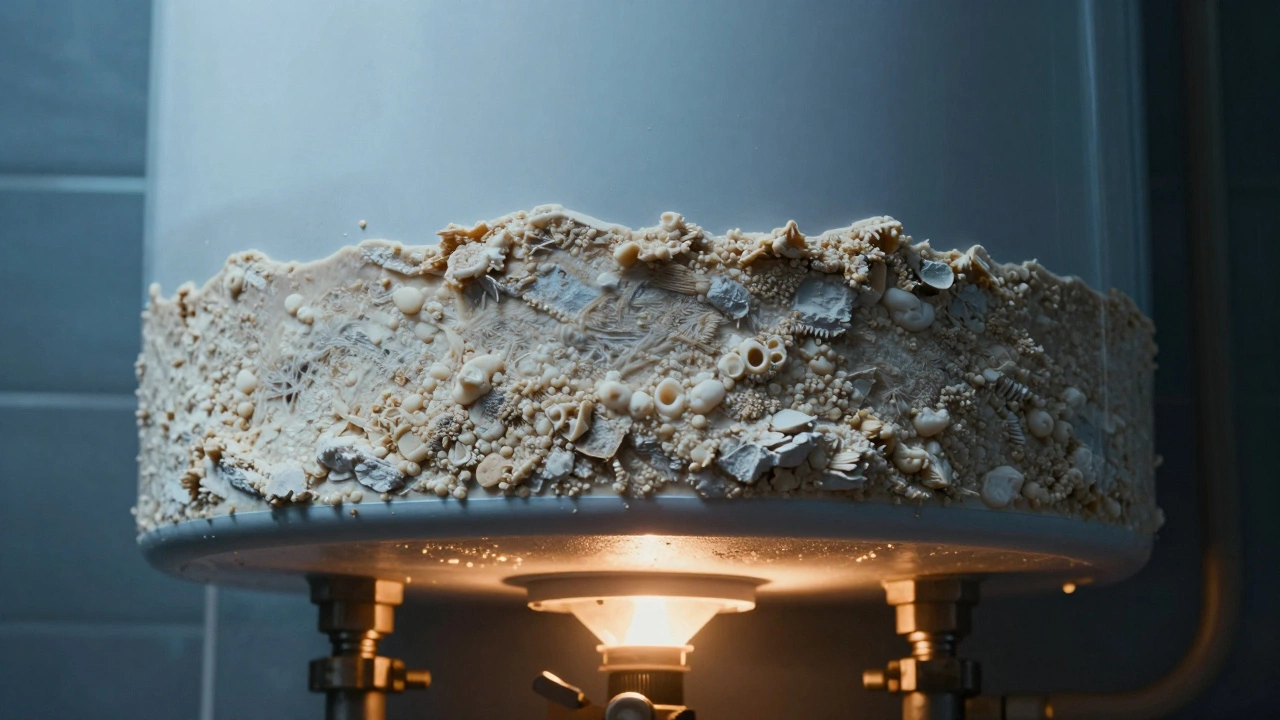
Discover the most common causes of water heater failure, from sediment buildup to anode rod corrosion, and learn how to extend your tank's lifespan.
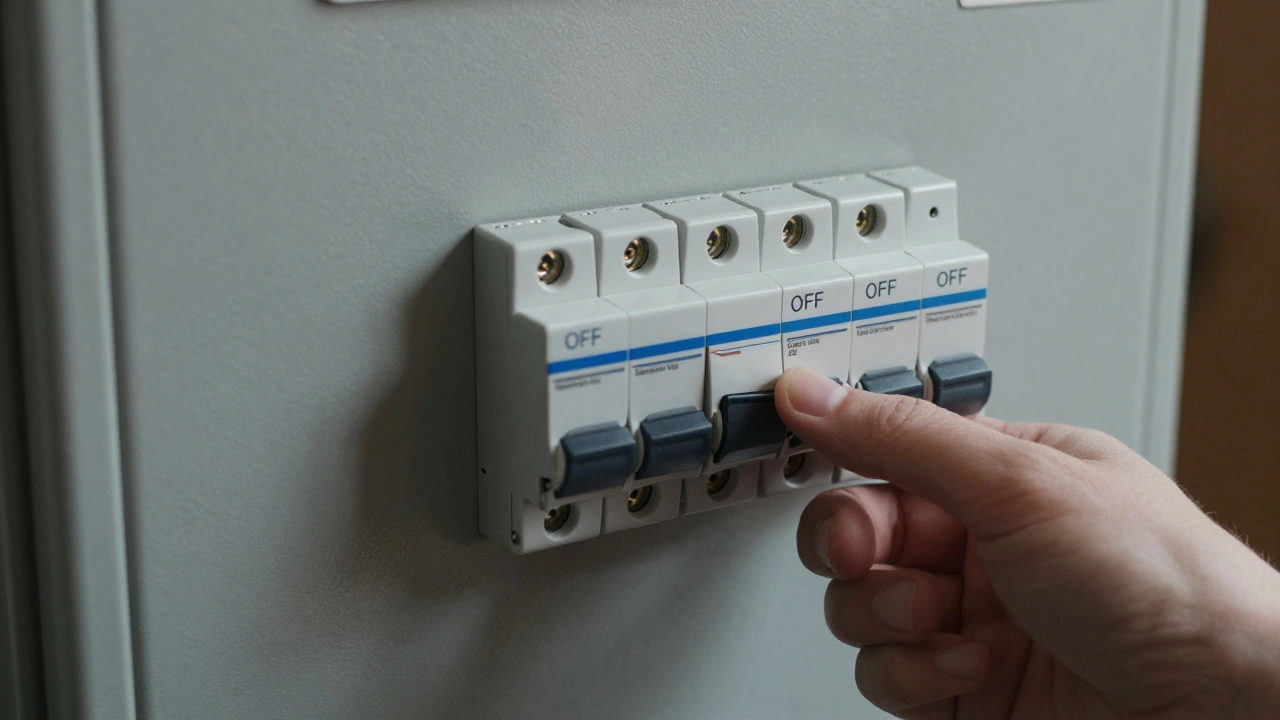
Find out if you should turn off the breaker before resetting your electric water heater. Learn the safe way to handle a high-limit trip and avoid electrical shocks.
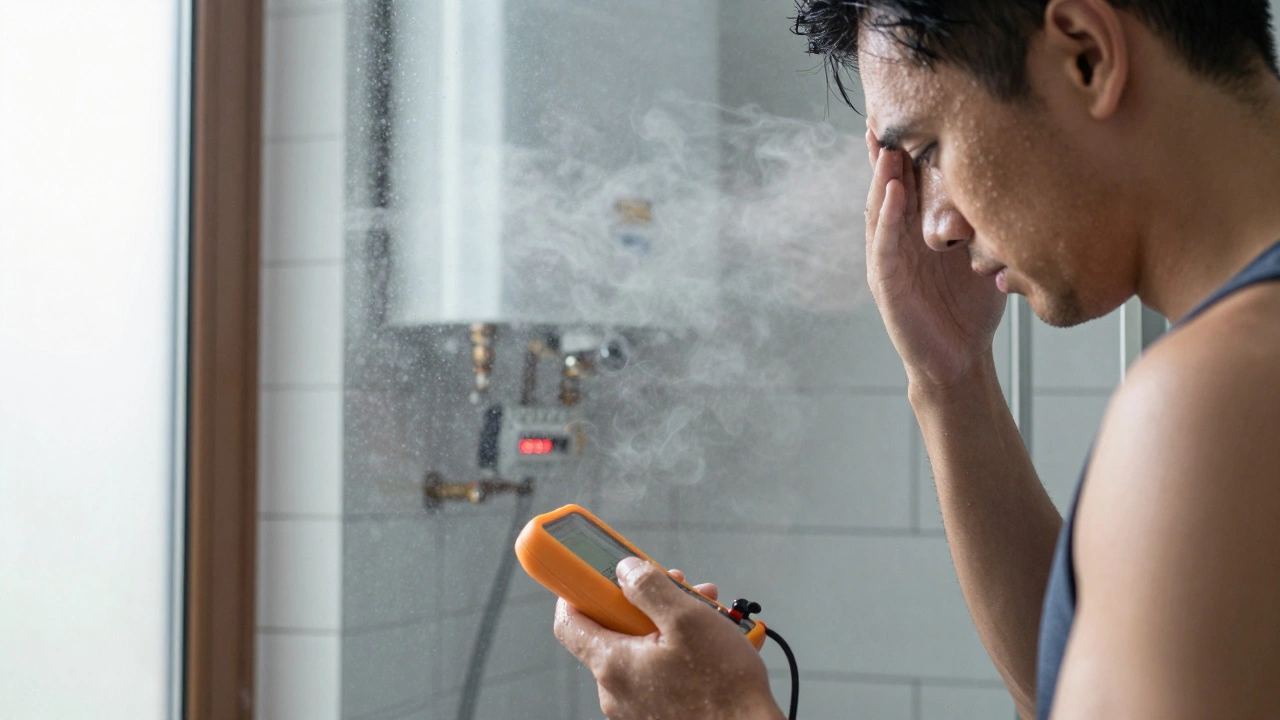
When your hot water suddenly stops, it's usually a simple fix-not a full system collapse. From tripped breakers to worn-out elements, here’s what’s likely wrong and how to fix it yourself.
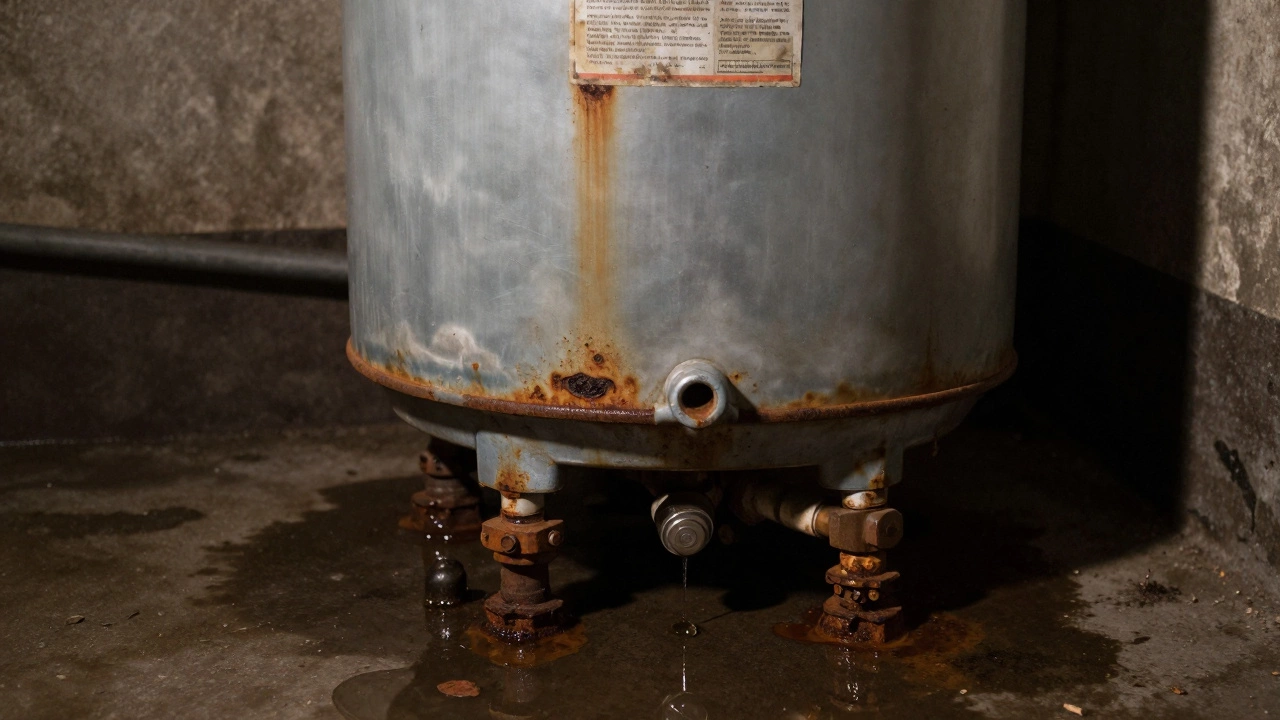
Water heaters fail in predictable ways-leaks, sediment, worn elements, or dead thermostats. Learn the top signs of failure and how to fix or replace them before it's too late.
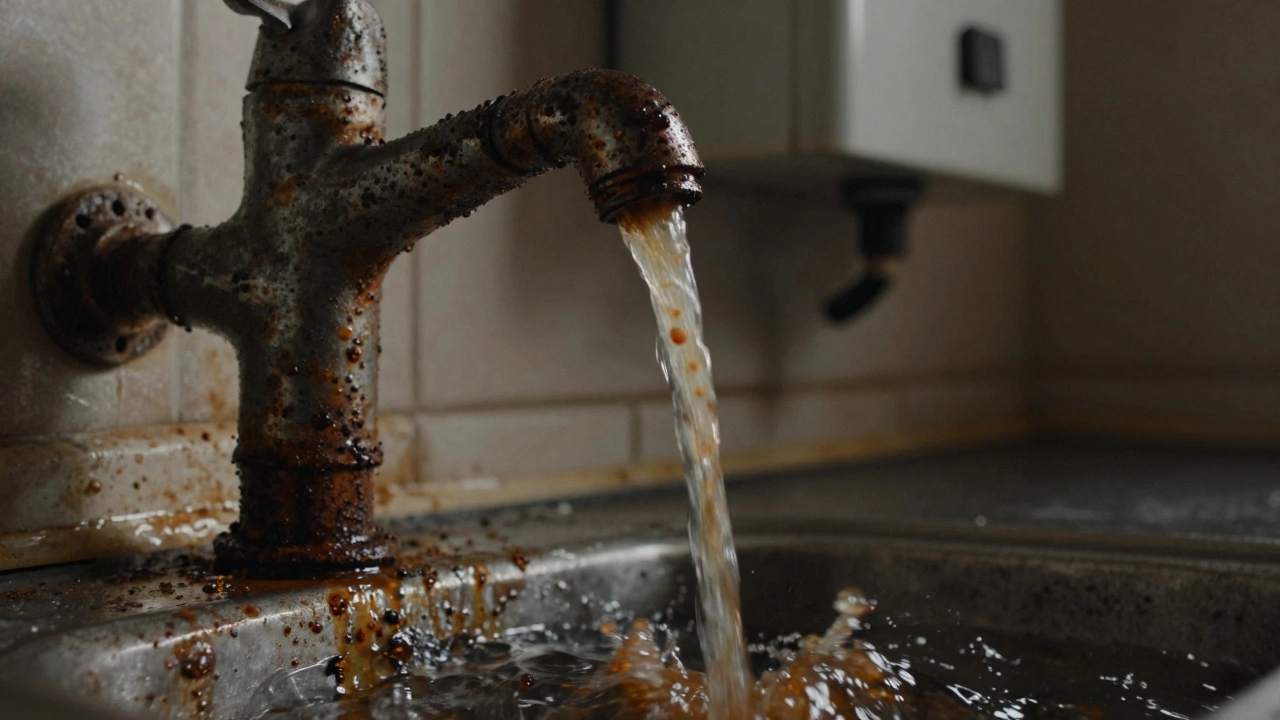
Watch for rusty water, leaks, strange noises, and high bills-these are the top red flags your water heater is failing. Know the signs before it breaks down and floods your home.
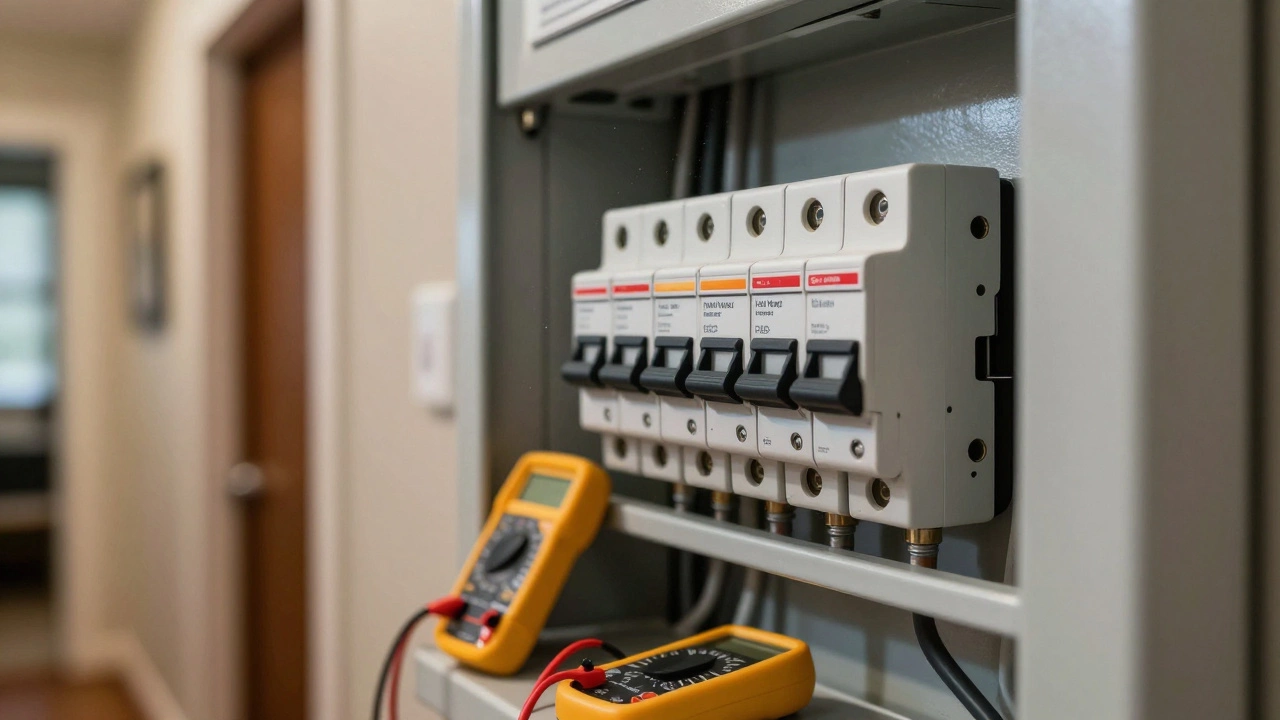
Your hot water heater won't kick on? It's often a simple fix-check the power, pilot light, thermostat, or sediment buildup. Learn how to diagnose and fix common causes before calling a plumber.
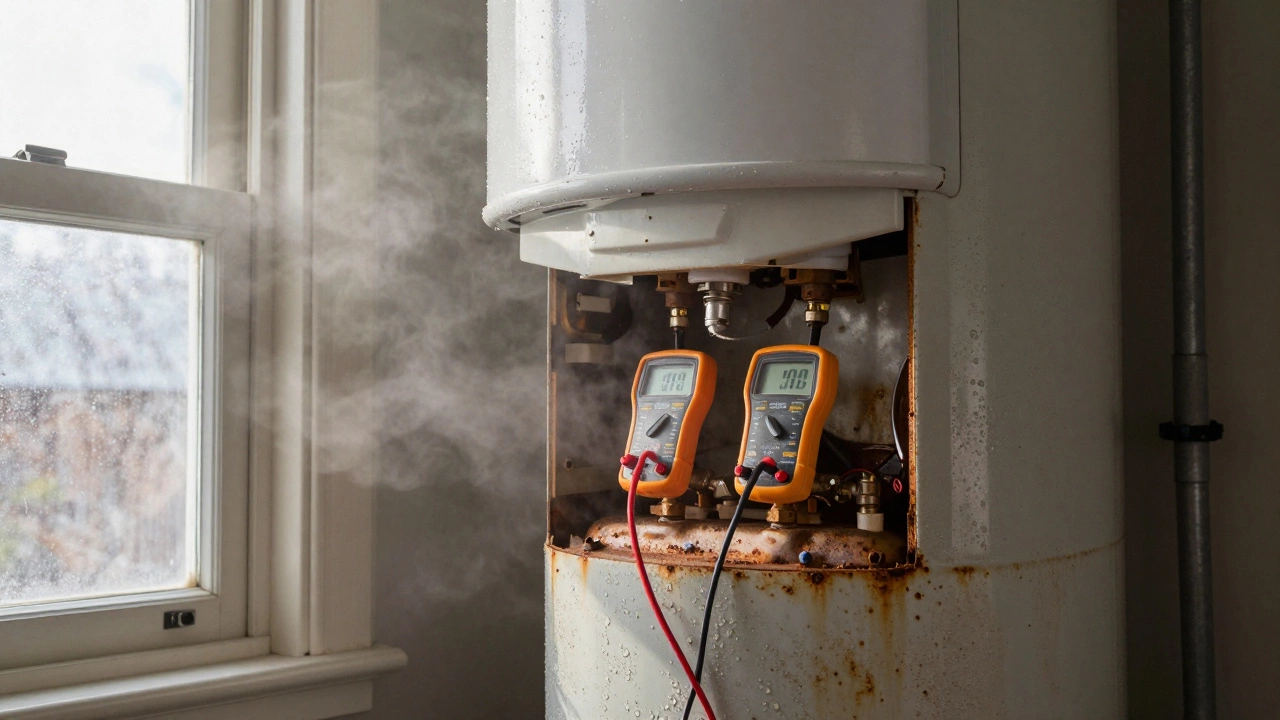
Your hot water heater stopped working suddenly? It could be a dead heating element, faulty thermostat, pilot light outage, or a leaking tank. Learn the most common causes and what to do next.