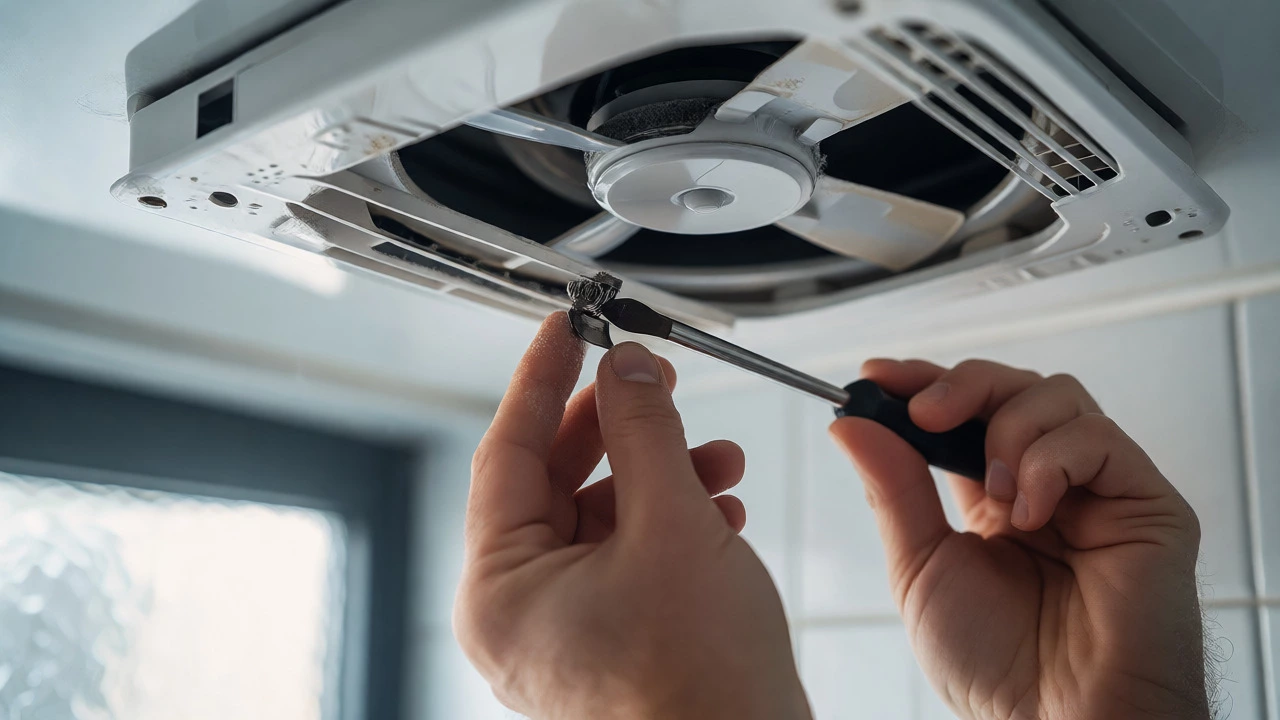
Is your extractor fan acting up? Learn how to troubleshoot common issues like dirty blades, power failures, and blocked ducts. Save money with these DIY fixes.
Notice steam hanging in the bathroom or a kitchen that smells like a grill after cooking? Most likely the extractor fan is on the fritz. You don’t need to live with a moist, smelly room – a few simple checks can often get the fan humming again.
First, make sure the fan actually has power. Look at the switch, check the circuit breaker, and test the outlet with a lamp. If there’s no power, the issue is electrical, not the fan itself. Reset the breaker or replace a blown fuse before moving on.
Dust, grease, and humidity love to collect on fan blades and inside the motor housing. Over time the buildup slows the blades, makes the motor work harder, and eventually burns it out. A clogged filter or grill also reduces airflow and can trigger a safety cut‑off in some models.
Another frequent culprit is a loose wire connection. Vibrations from regular use can loosen terminals, causing intermittent operation or a complete stop. Look for any visible wires that are disconnected or frayed.
Lastly, many fans have a built‑in timer or humidity sensor. If the sensor malfunctions, the fan may never turn on. Resetting the fan (turning it off for a minute and then back on) often clears a sensor glitch.
If power is OK and the fan just sounds weak, start with a clean‑up. Turn off the circuit, remove the fan cover, and vacuum out dust with a soft brush. Use a damp cloth to wipe the blades, being careful not to let water drip into the motor.
Check the filter next. Some fans have a replaceable mesh filter you can wash in warm, soapy water; others use a charcoal pad that needs swapping. A clean filter restores airflow quickly.
After cleaning, inspect the wiring. Tighten any loose nuts and replace any burnt or corroded wires. If you’re not comfortable handling wires, stop here and call an electrician – it’s safer and prevents damage.
When the fan still won’t spin, the motor is probably the problem. Motors are cheap in most brands, but replacing them requires removing the fan housing and disconnecting the motor’s electrical connector. If you have basic tools and the fan’s manual, you can swap the motor yourself. Follow the manual step‑by‑step, keep track of screws, and make sure the new motor matches the old one’s voltage and size.
Sometimes the issue is the fan’s switch or timer module. A faulty switch will feel loose or make a crackling sound when you press it. Replace it with a new one of the same rating – they’re inexpensive and widely available.
When should you call South Shields Appliance Repair Services? If the fan still doesn’t work after cleaning, wiring checks, and a motor swap, the problem may be deeper – like a hidden short in the wiring or a damaged fan housing. Our technicians can diagnose the fault fast and have the right parts on hand.
Regular maintenance keeps your fan running longer. Clean the grill and filter every three months, wipe the blades annually, and give the motor a quick visual check for rust or wear. A little upkeep saves you from costly repairs later.
So next time steam clings to the mirror, you know exactly where to start. Turn off power, clean out the dust, check the filter, tighten the wires, and decide if a DIY motor swap is worth it. If not, give a local pro a call – a working extractor fan makes every bathroom and kitchen more comfortable.
Is your extractor fan acting up? Learn how to troubleshoot common issues like dirty blades, power failures, and blocked ducts. Save money with these DIY fixes.
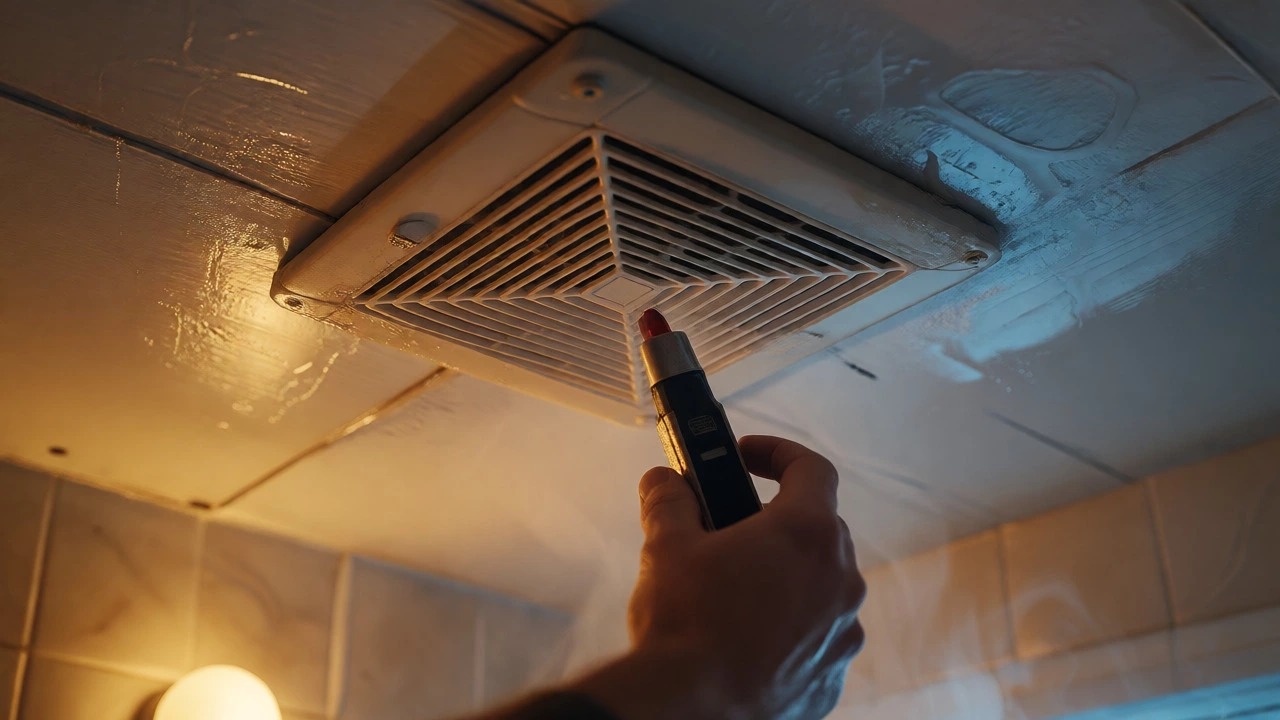
Wondering if you can swap out your noisy bathroom fan? Discover the real difficulty levels, safety steps, and when to call a pro.
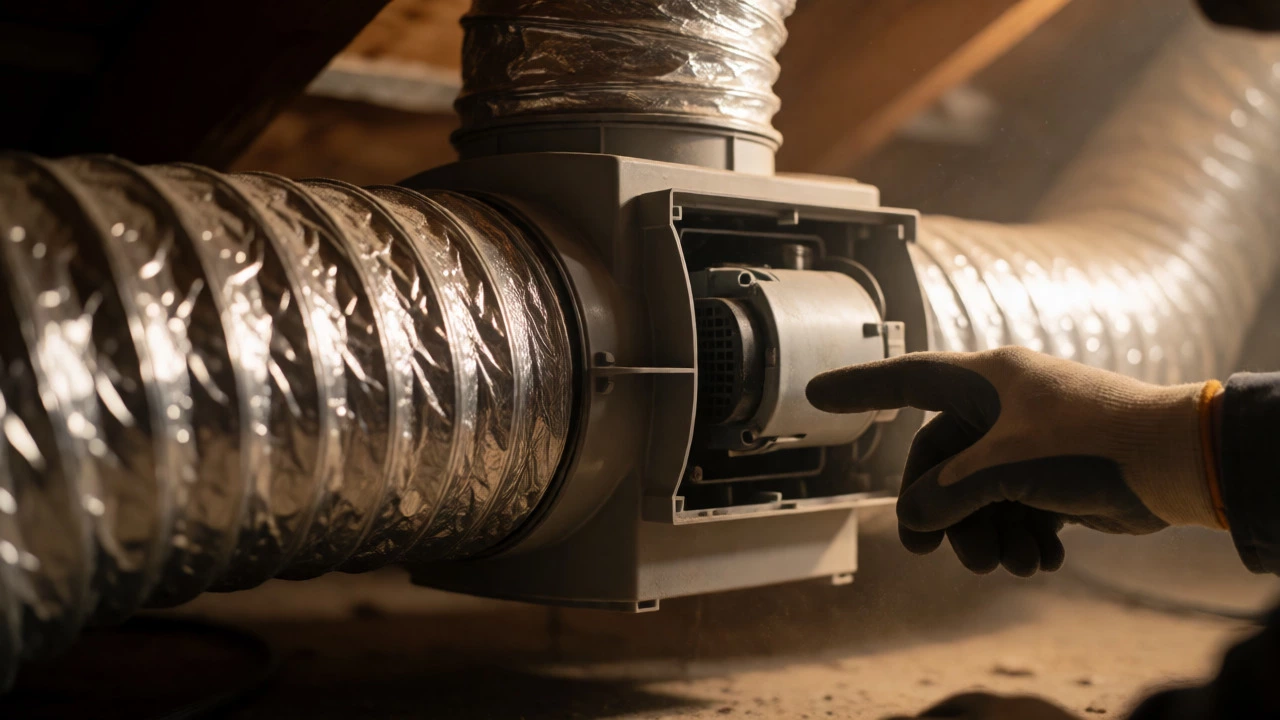
Learn if you can replace just the motor in your extractor fan. We break down repairability, cost comparisons, and step-by-step installation tips for Kiwi homeowners.
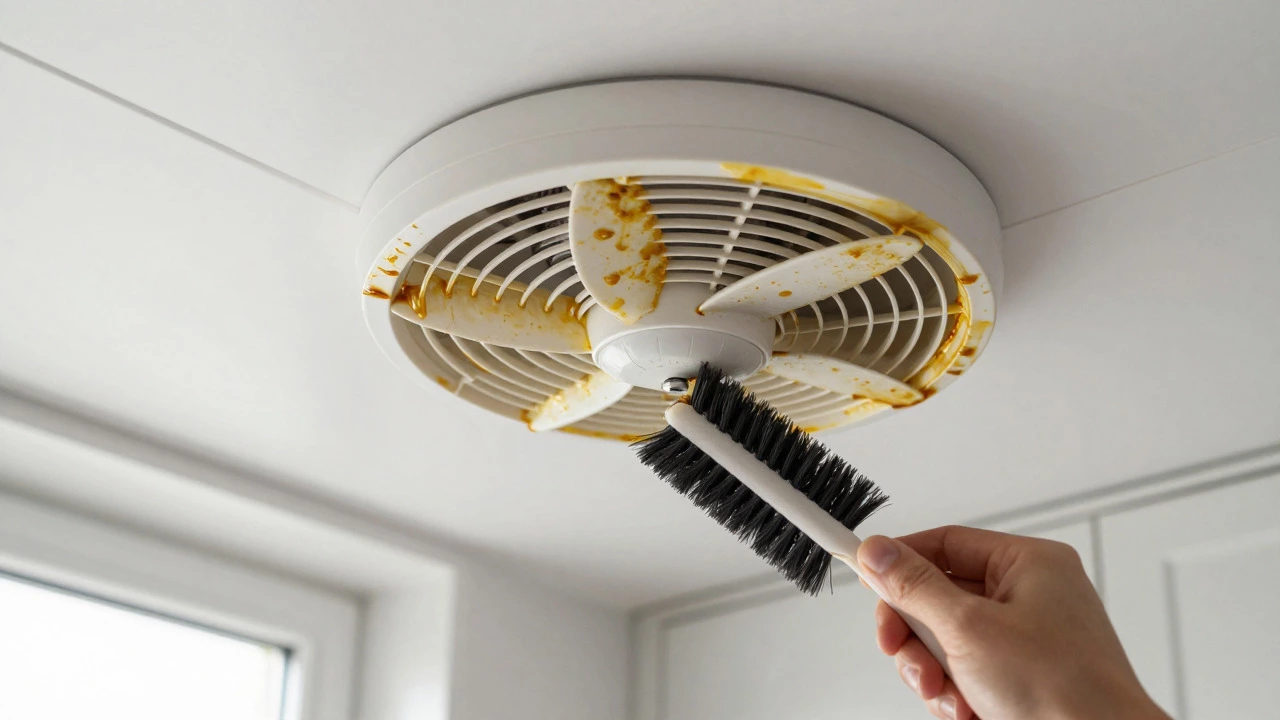
Learn when your extractor fan needs professional servicing versus simple DIY cleaning. Discover maintenance tips for both ducted and ductless models to prevent motor burnout.
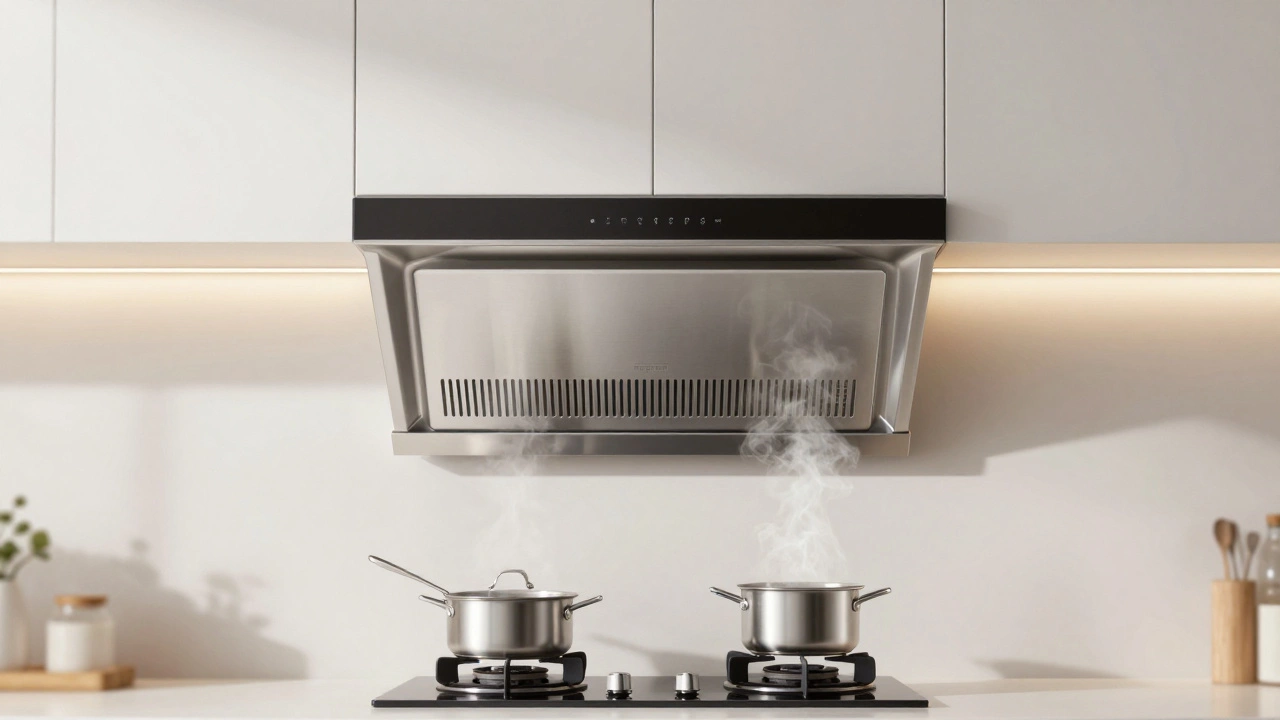
Learn how to fix a broken extractor fan yourself. From cleaning clogged filters to replacing capacitors and motors, this guide covers common symptoms, DIY solutions, and safety tips to restore your kitchen's airflow.
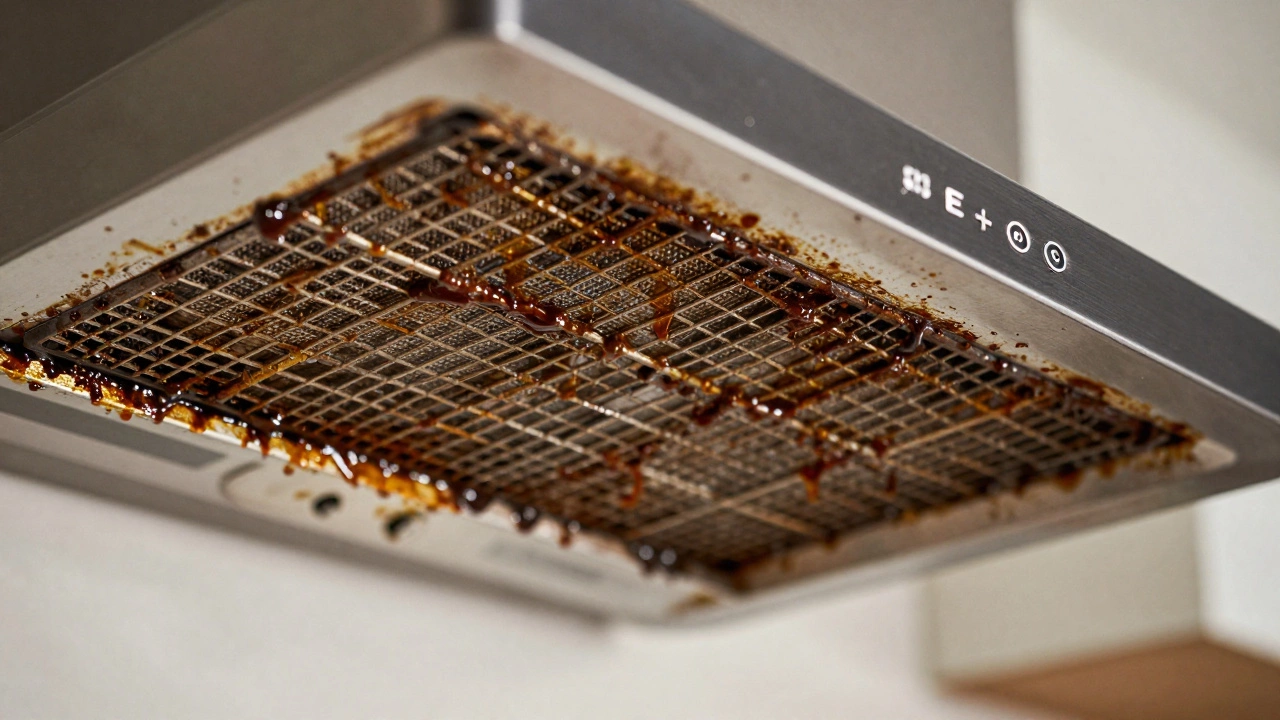
Discover why regular extractor fan maintenance is crucial for air quality and safety. Learn step-by-step cleaning guides for kitchen and bathroom fans, identify warning signs, and avoid common mistakes that lead to costly repairs.
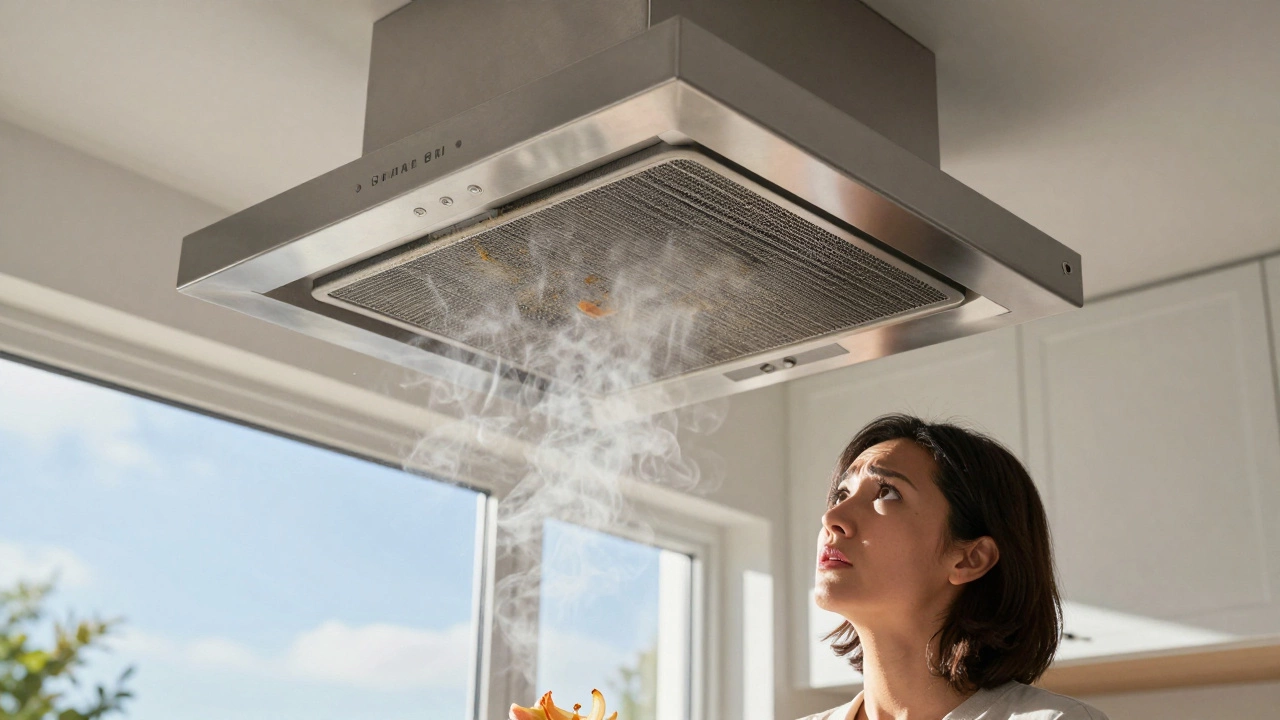
Discover who should replace your extractor fan in NZ. Learn when to hire an electrician vs. a handyman, costs, and safety tips for 2026.
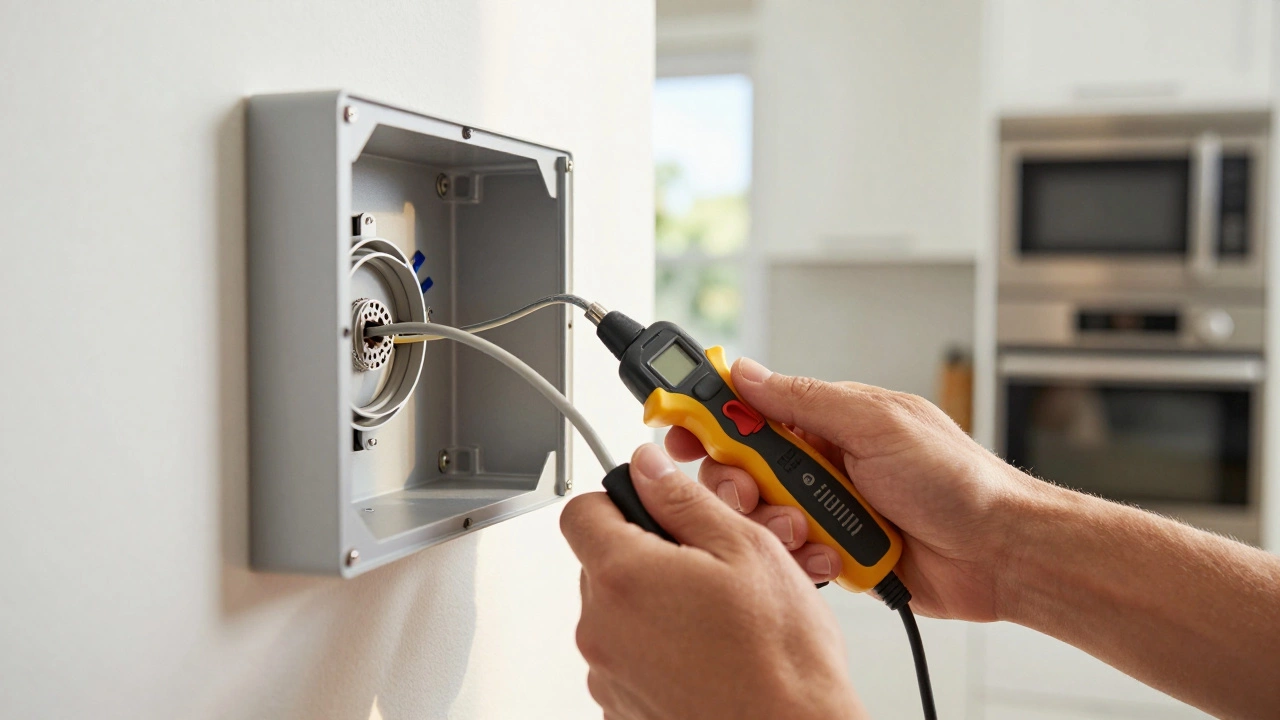
Learn if you can replace an extractor fan yourself. This guide covers safety checks, legal requirements, step-by-step installation, and when to call a pro.

Wondering who to call for extractor fan repair? This guide explains when to hire an electrician, ventilation specialist, or plumber. Learn costs, DIY tips, and how to choose the right pro in Wellington.
Confused about ventilation vs extractor fans? Learn the key differences, which one to use in your bathroom or kitchen, and how to avoid mold and dampness.
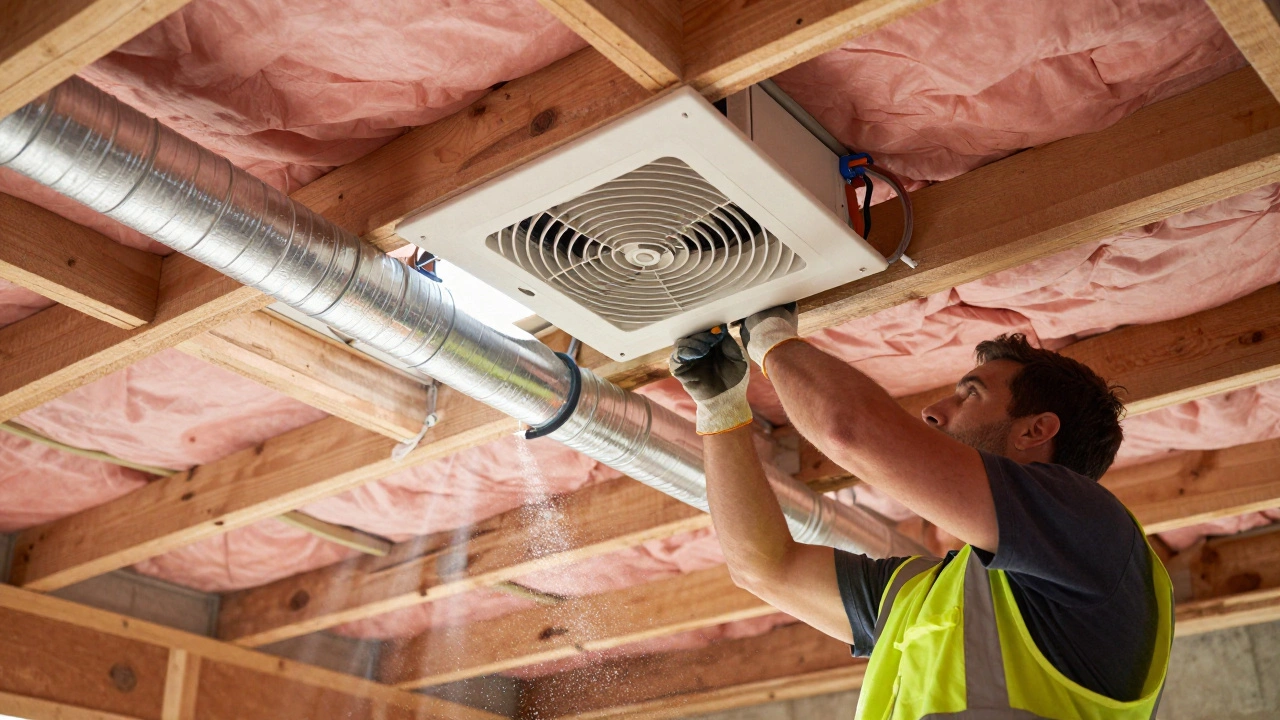
Learn who qualifies to install extractor fans, costs involved, legal requirements, and how to vet professionals. Includes DIY risks, maintenance tips, and answers to top installation questions.
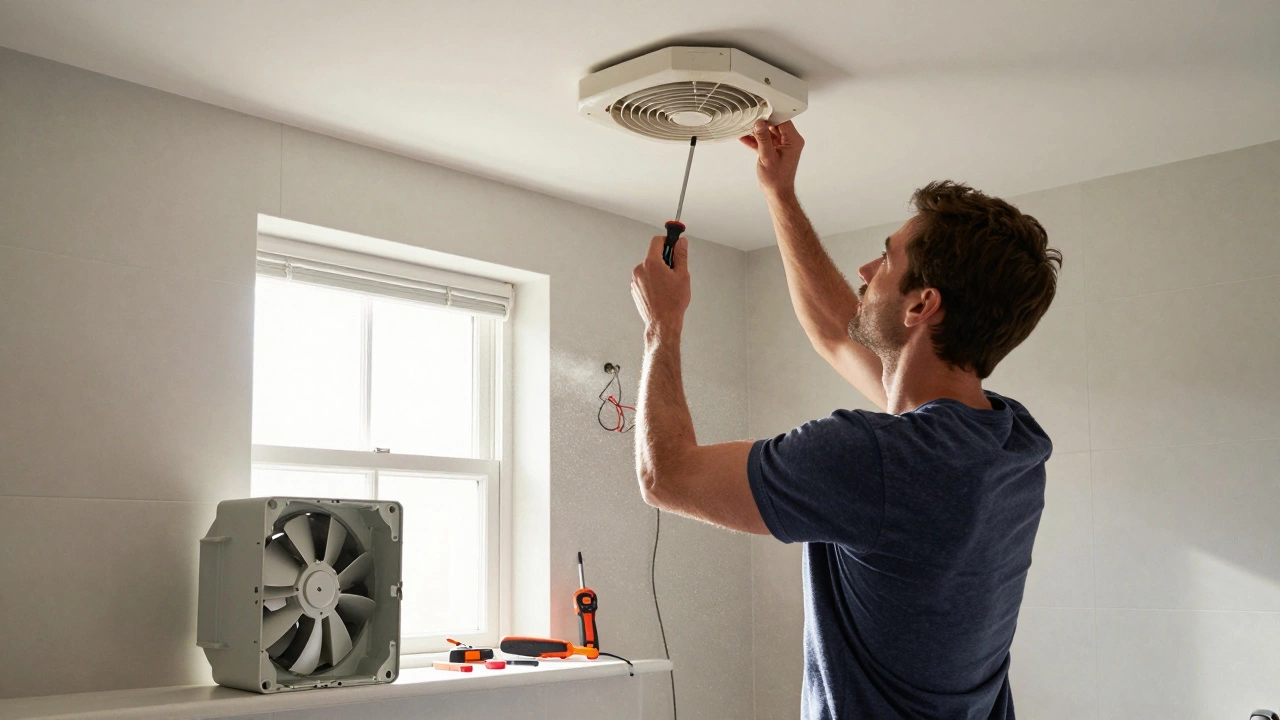
Replacing a bathroom extractor fan is often a simple DIY job that saves money and prevents mold. Learn what tools you need, when to call a pro, and how to pick the right fan for your bathroom.