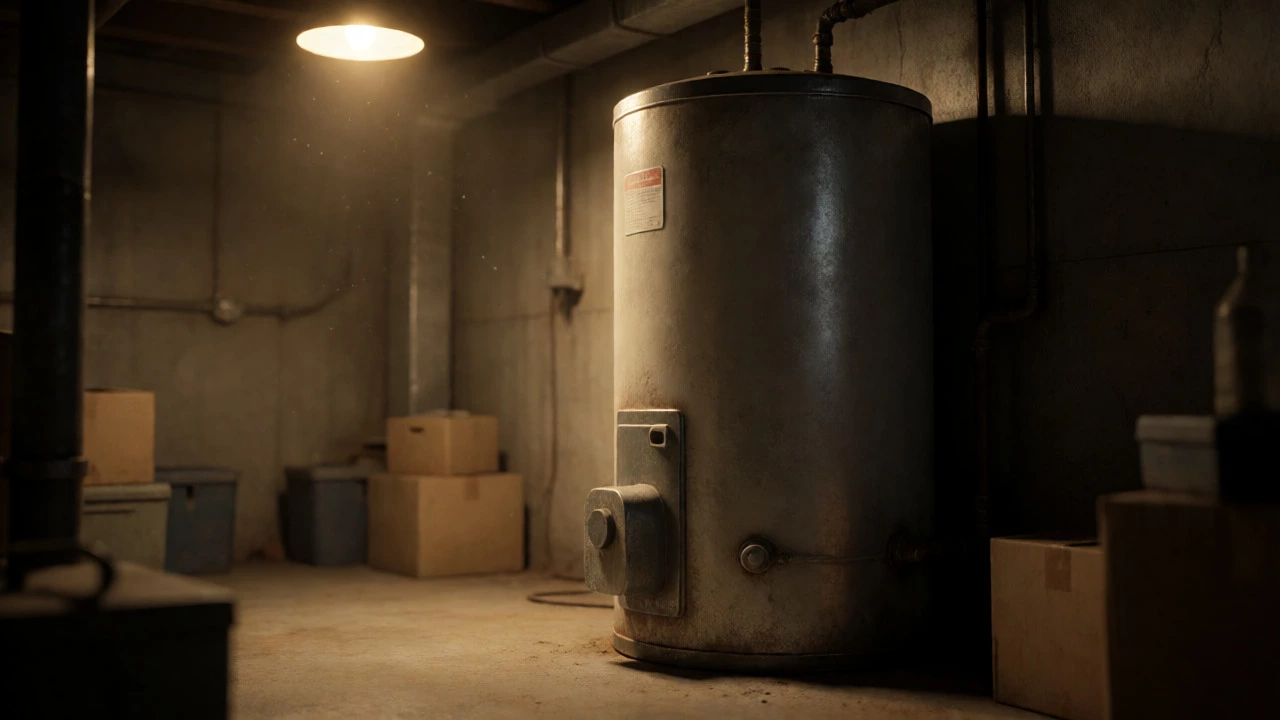
Discover how long your water heater lasts based on type, water quality, and maintenance habits. Learn why tank models average 8-12 years while tankless units reach 20+, and get actionable tips to extend lifespan.
Nothing ruins a morning like a lukewarm shower. If your water heater is acting up, you’ve probably tried the reset button, checked the fuse, or even shouted at it. Most of those quick fixes only work if you know what to look for. That’s where we come in – a local team that knows the common hiccups and how to sort them fast.
First, let’s run through the usual suspects. A heater that stops producing hot water could be suffering from a tripped reset button, a faulty thermostat, or a broken heating element. If you hear a buzzing sound before the water turns cold, it’s often an overheating issue that trips the safety switch. Sediment buildup is another sneaky culprit – over time mineral deposits can insulate the tank and make it work harder, eventually causing it to fail.
Before you call anyone, try these easy steps:
If any of these checks don’t solve the problem, it’s time to bring in a pro. Trying to replace parts without the right tools can be dangerous, especially with electric models.
We’re based right here in South Shields, so we understand the local water quality and the typical wear and tear on appliances in our area. Our technicians arrive on time, bring the most common spare parts, and can usually finish the job in a single visit. That means less disruption to your daily routine and a quicker return to hot showers.
What sets us apart? We focus on fixing the root cause, not just the symptom. If your heater keeps tripping the reset button, we’ll inspect the heating element, test the thermostat, and flush any sediment that could be causing overheating. We also offer maintenance tips to extend the life of your heater – like an annual flush and checking the anode rod for corrosion.
Got an emergency? Our 24‑hour response team can be on‑site within a few hours, so you don’t have to endure a week‑long cold‑water spell. And because we charge flat rates for common repairs, there are no surprise fees at the end of the job.
Ready to get your hot water back? Give us a call, schedule a visit, or drop us a message. We’ll diagnose, fix, and test the system before we leave, making sure every faucet in your home gets the heat it needs.
Discover how long your water heater lasts based on type, water quality, and maintenance habits. Learn why tank models average 8-12 years while tankless units reach 20+, and get actionable tips to extend lifespan.
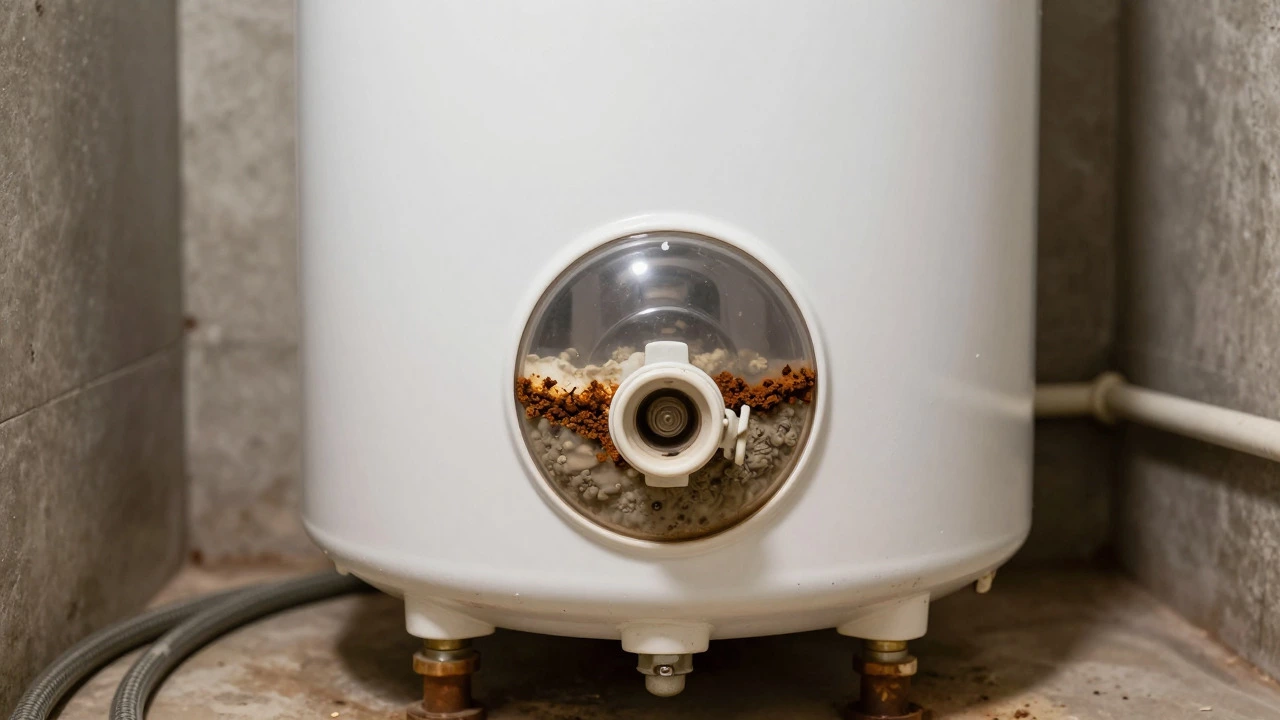
Learn how to flush your water heater yourself with this simple step-by-step guide. Discover why sediment removal is crucial for efficiency and longevity, plus safety tips and common mistakes to avoid.
Struggling with cold water in the bathroom while the kitchen is fine? Learn why pipe distance and heat loss cause this issue, and discover practical fixes like insulation and recirculation pumps.
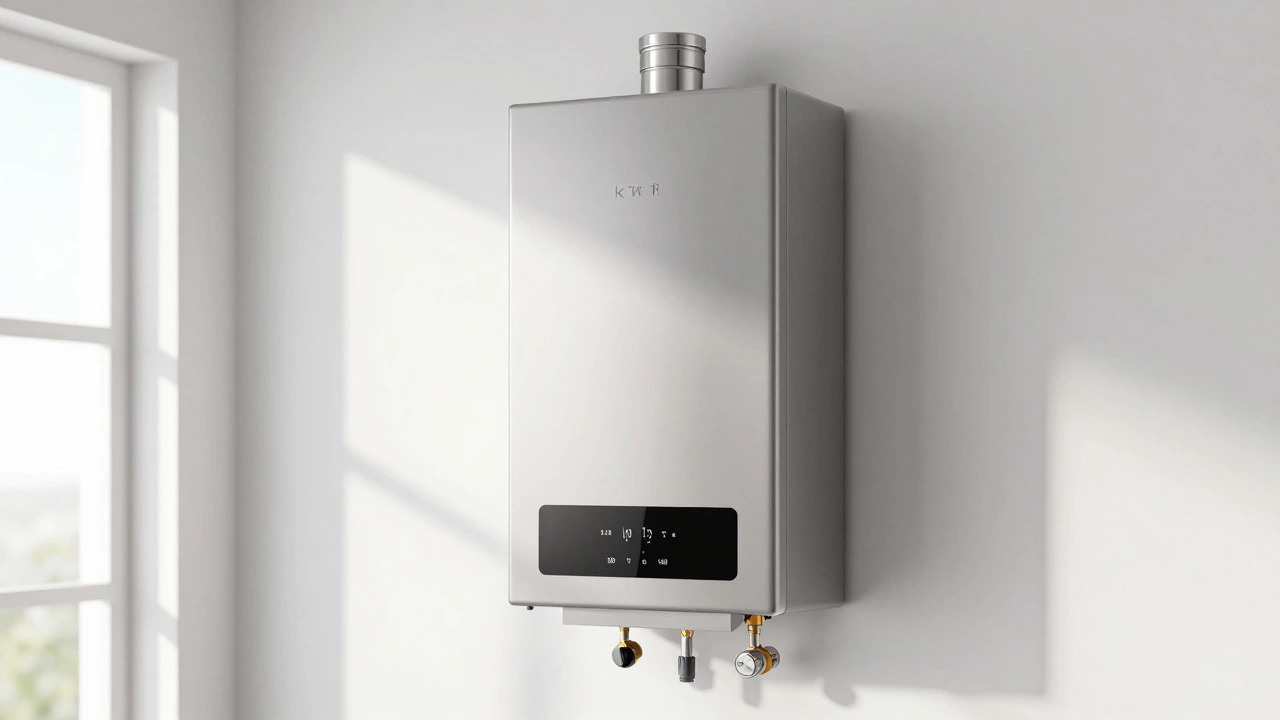
No hot water? Don't panic. Learn how to troubleshoot common water heater issues like tripped breakers, pilot lights, and thermostats. Step-by-step guide for DIY fixes.
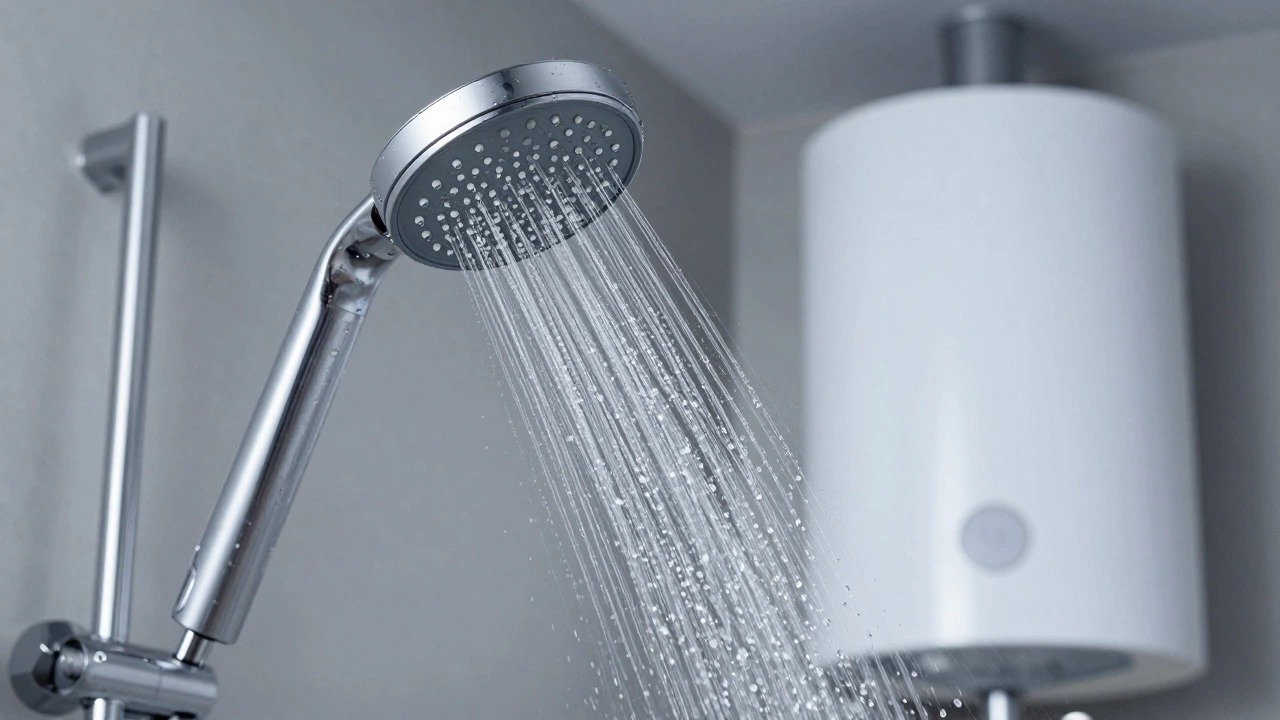
Learn the critical signs that indicate your hot water heater needs replacement, including age, leaks, rust, and efficiency drops. Avoid costly damages with this expert guide.
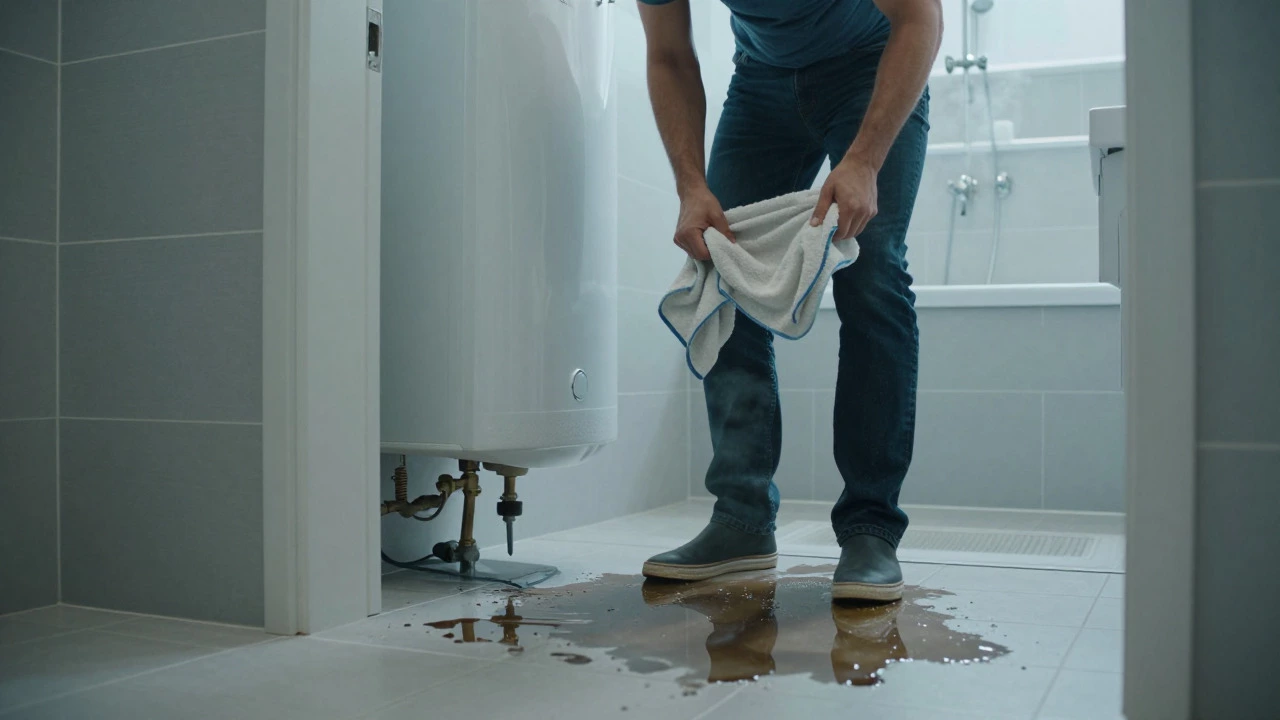
Deciding between hot water heater repair or replacement? Learn the key signs, costs, and safety factors to determine if fixing your unit is worth it or if you should invest in a new, energy-efficient model.
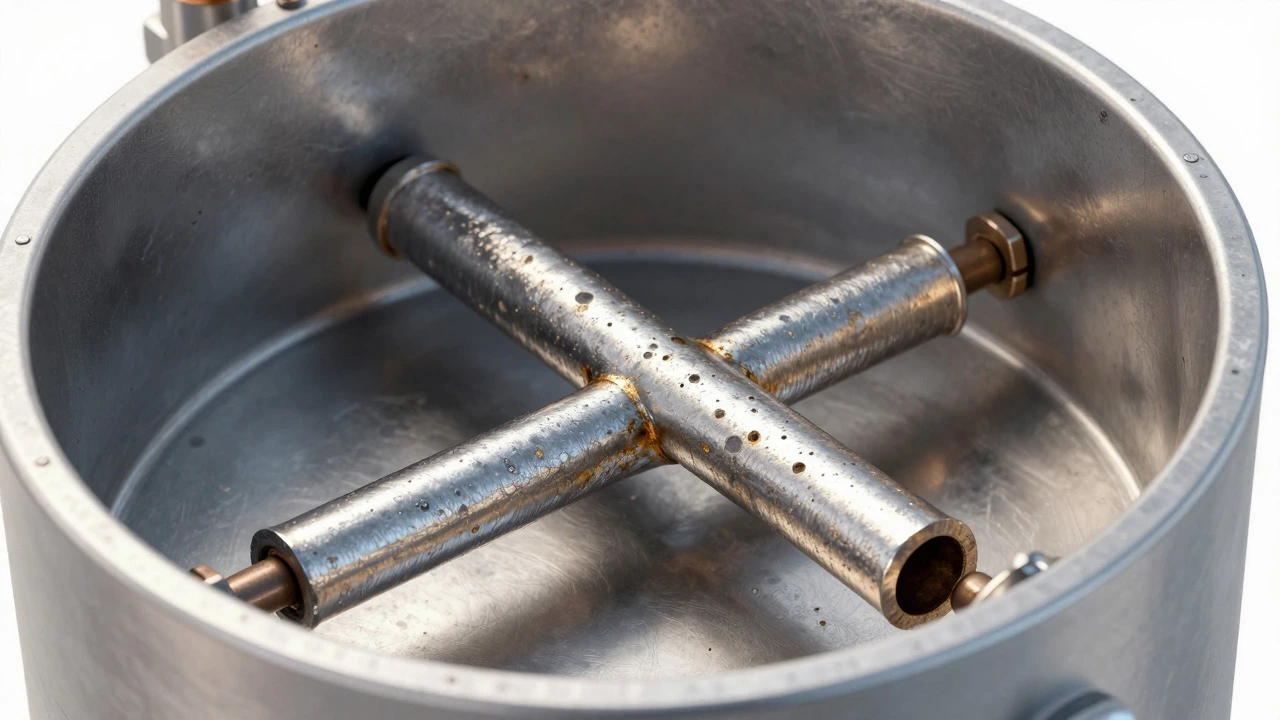
Learn exactly when to replace your water heater's anode rod to prevent costly leaks. We cover inspection tips, material choices, and DIY steps to extend your tank's life.
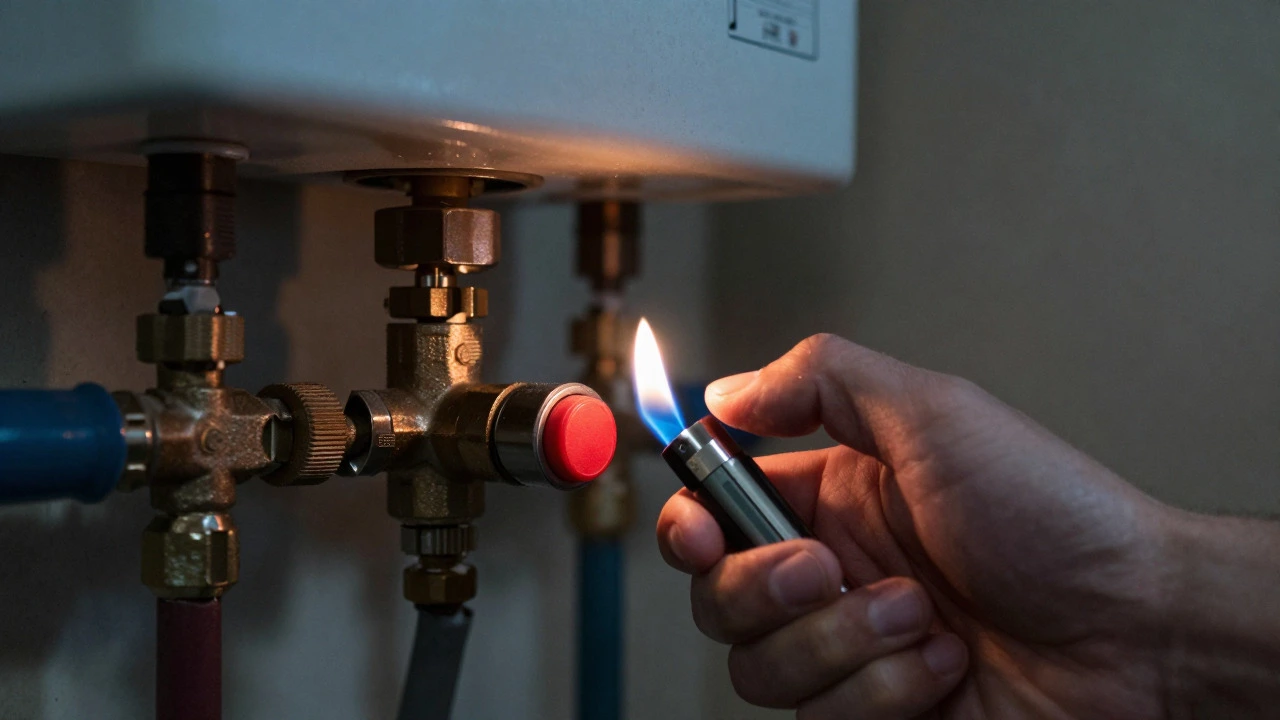
Learn exactly how long to hold the reset button on gas and electric water heaters. Step-by-step guides for pilot lights and limit switches, plus safety tips.
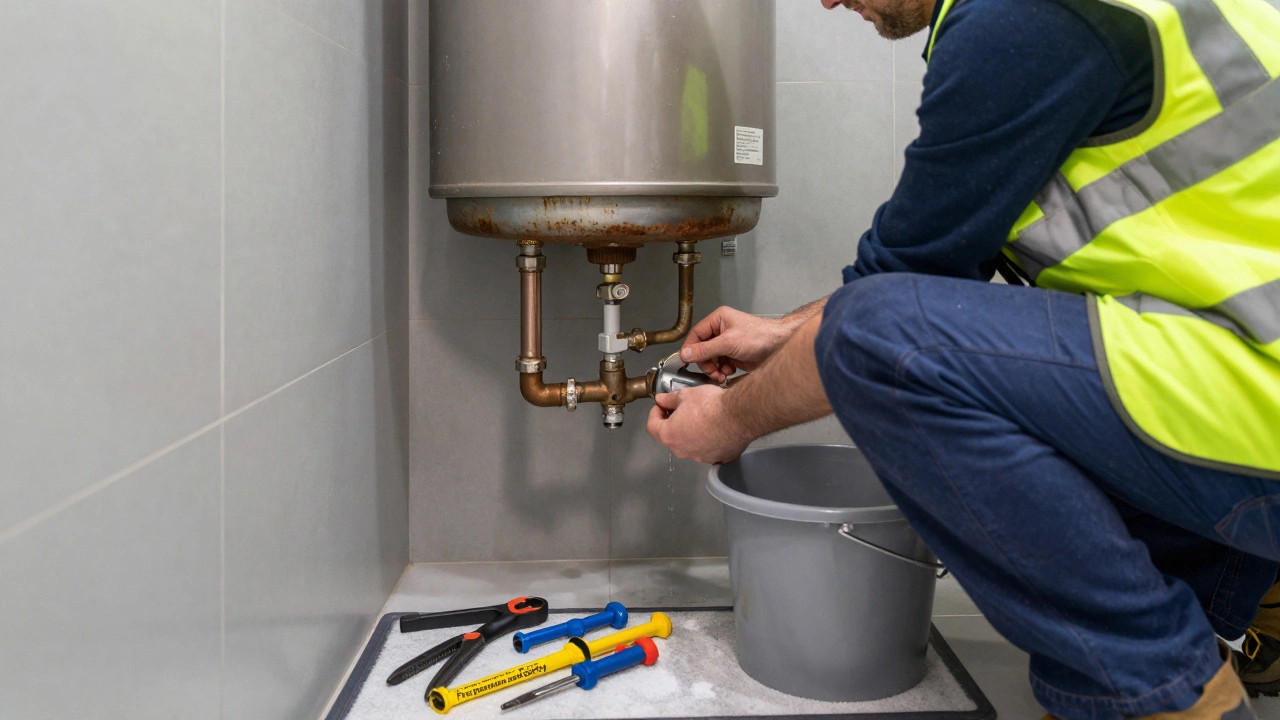
Find out how long a hot water heater replacement takes. We break down the 4-8 hour standard timeline, factors that cause delays, and costs in New Zealand.

Discover how to fix hot water not turning on by checking power sources, resetting thermal cutoffs, and testing elements. A practical guide for electric and gas water heater repairs.
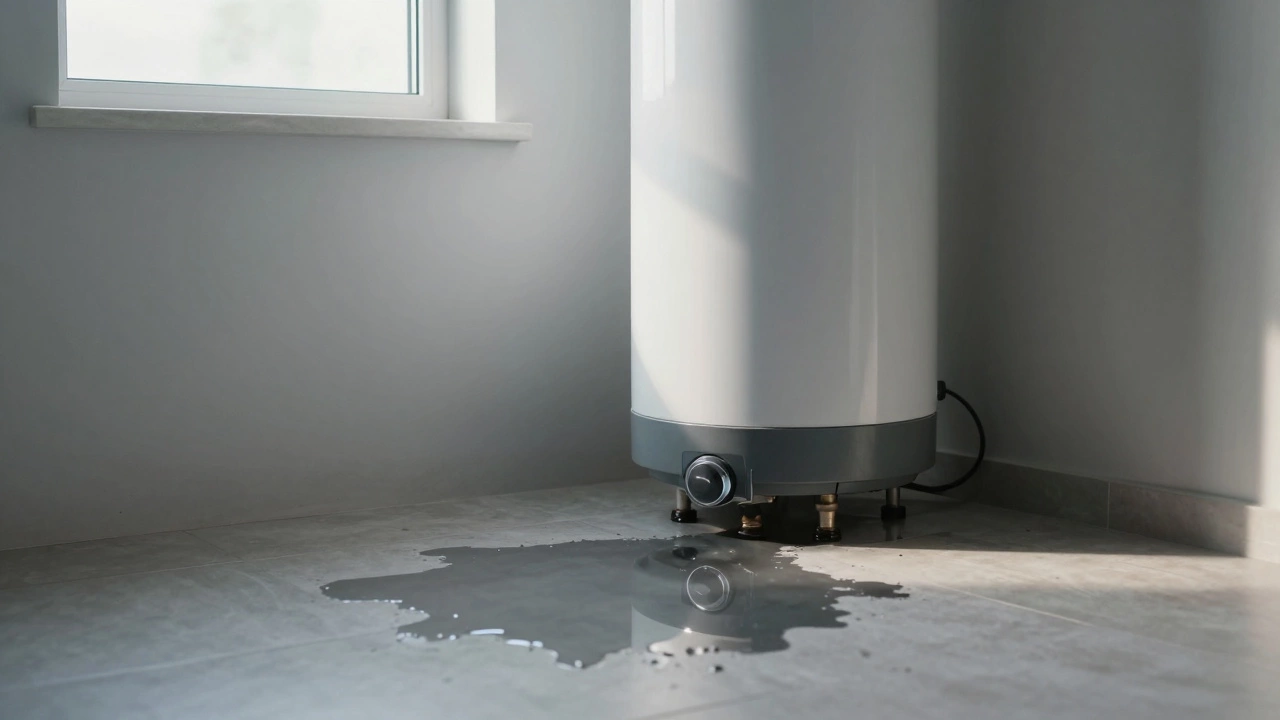
Discover where water heaters most commonly leak, including T&P valves, pipe connections, and drain valves. Learn how to diagnose the source, perform simple fixes, and know when to replace the unit to avoid costly water damage.
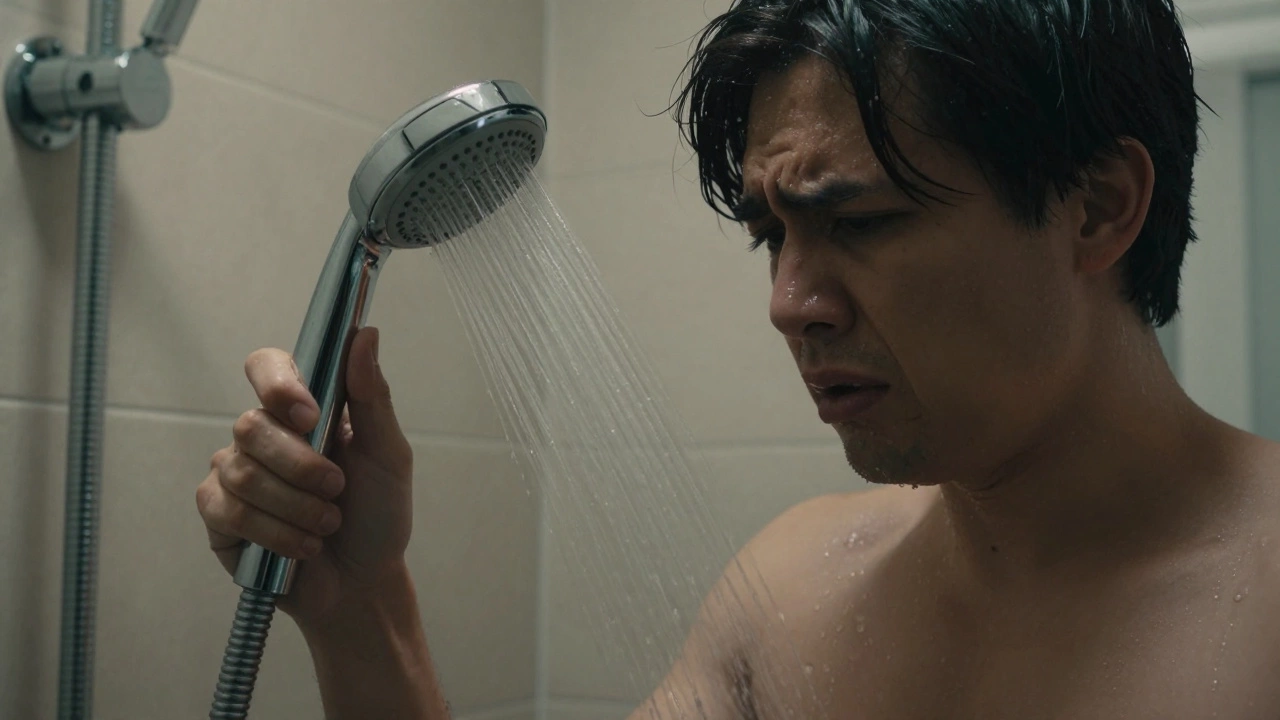
Learn how to identify a bad hot water heater element with clear signs, multimeter tests, and safety steps. Save money on repairs by diagnosing the issue yourself.