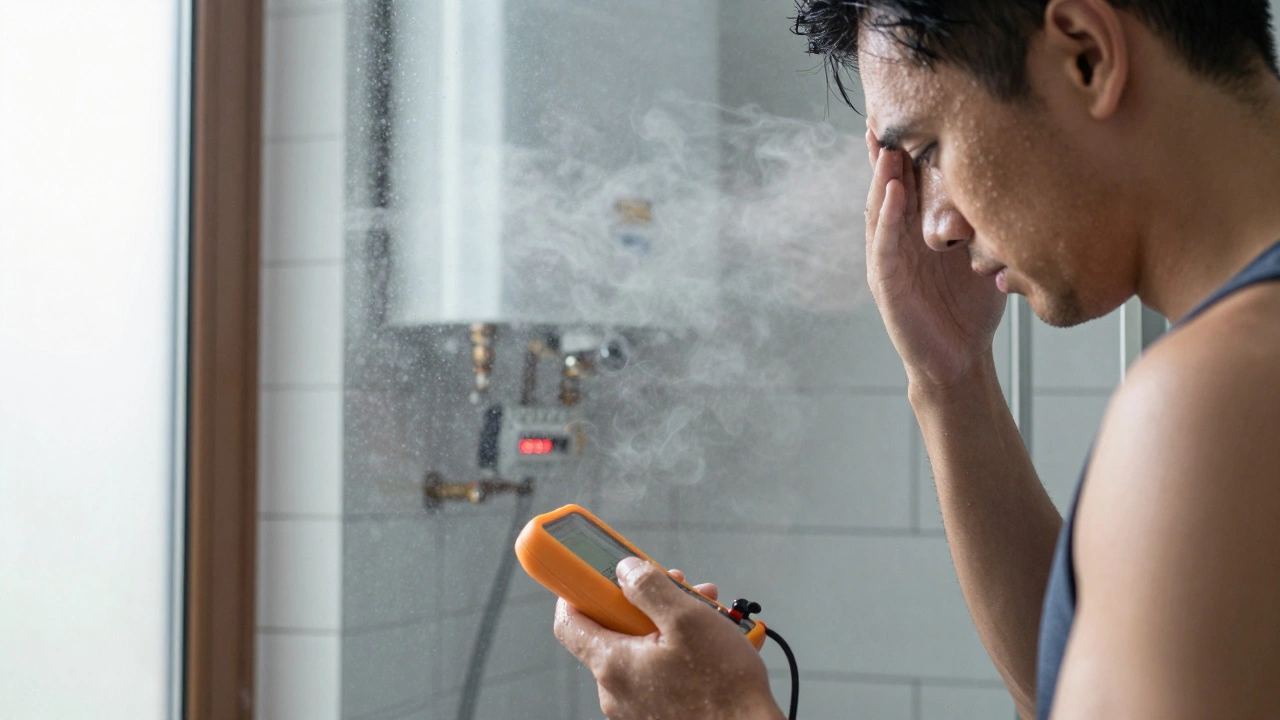
Hot Water Troubleshooter
Is hot water completely gone, or is it just lukewarm?
Is your water heater electric or gas?
Is your water heater older than 10 years?
Did the problem happen suddenly?
Is the water heater making any unusual sounds?
Select your options and click "Diagnose My Problem" to see what might be wrong.
One minute you’re stepping into a nice warm shower, and the next, icy water hits your skin. No hot water. It’s frustrating, especially when you need it most-morning showers, washing dishes, or doing laundry. If your hot water has suddenly gone off, you’re not alone. Thousands of homeowners face this every week. The good news? Most of the time, it’s not a full system failure. It’s usually something simple you can fix yourself.
Is it just your hot water or the whole system?
Before you panic, check a few things. First, is the problem only with hot water, or are your radiators also cold? If your radiators are working fine but the tap is cold, the issue is likely with your water heater alone. But if both are off, you might have a boiler problem or a power cut. Check your circuit breaker. Sometimes, the water heater’s dedicated breaker has tripped. Flip it off, then back on. If it trips again right away, there’s a serious electrical fault. Don’t keep resetting it-call a pro.Thermostat gone rogue
Electric water heaters have a thermostat that controls the temperature. Over time, these can get out of sync or fail entirely. If the thermostat is set too low, you’ll get lukewarm or no hot water. Turn the dial up to 120°F (49°C), which is the recommended safety setting. Wait an hour and test again. If nothing changes, the thermostat might be broken. You can test it with a multimeter if you’re comfortable, but most people replace it instead. A new thermostat costs around $25 and takes about 30 minutes to swap out. Just make sure the power is off before you start.Heating element failure
Electric water heaters use one or two heating elements to warm the water. If one burns out, you’ll still get some hot water-but not enough. If both go, you’re left with cold water. This is one of the most common reasons for sudden loss of hot water. You can test the elements with a multimeter. If there’s no continuity, the element is dead. Replacing it isn’t hard. Drain the tank a bit, unscrew the old element, and install the new one. Make sure you get the right wattage and size. Most homes use 3,500-watt or 4,500-watt elements. If you’re not sure, check the label on the old one.Gas water heater? Check the pilot light
If you have a gas water heater, the pilot light might have gone out. It’s a tiny flame that ignites the gas burner. Wind, drafts, or a dirty gas valve can snuff it out. Look through the inspection window on the bottom of the tank. If you don’t see a blue flame, the pilot’s out. Most manuals have step-by-step instructions for relighting it. Usually, you turn the gas knob to "pilot," press the ignition button, and hold it for 30 seconds after the flame catches. If it won’t stay lit, the thermocouple might be faulty. This is a small metal rod that senses whether the pilot is burning. If it’s dirty or broken, it shuts off the gas. Clean it with steel wool or replace it. A new thermocouple costs under $20.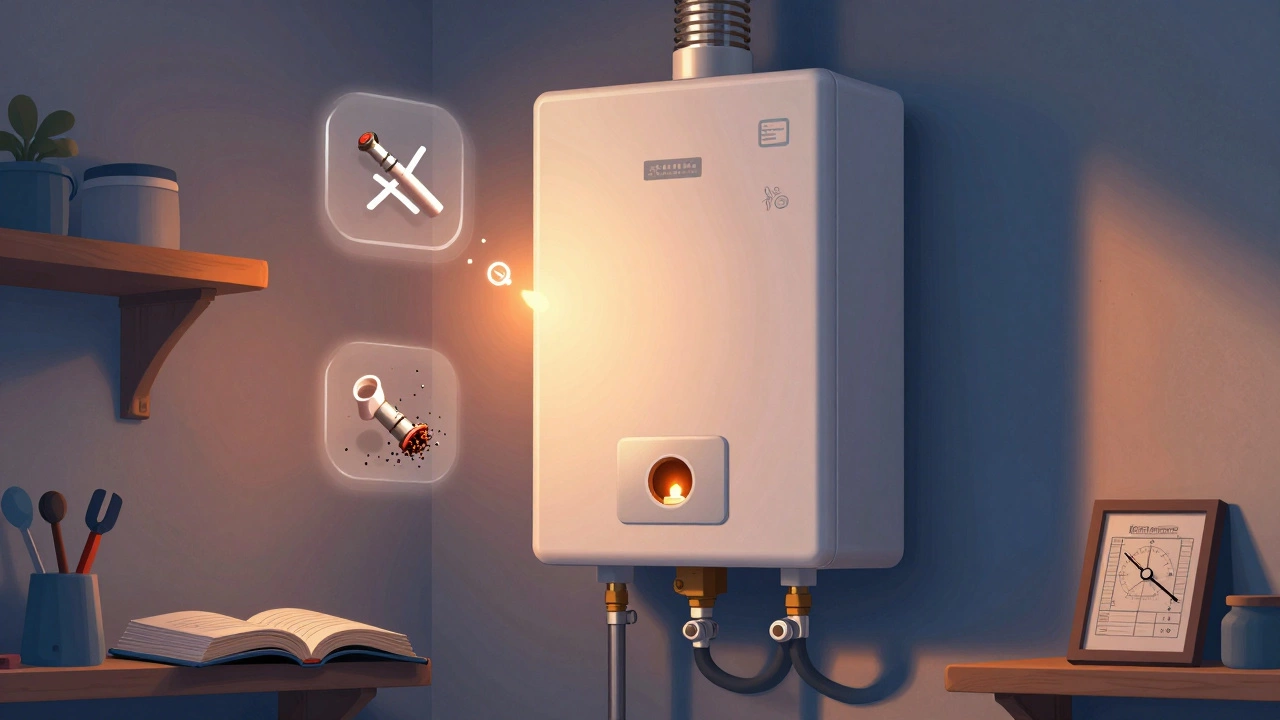
Thermocouple or gas valve issues
A bad thermocouple is the #1 reason gas water heaters won’t stay lit. It’s not the gas valve-it’s the sensor that tells the valve, "Hey, the flame is here." If the thermocouple is bent, corroded, or just worn out, the system thinks it’s unsafe and cuts the gas. You can test it by gently bending it closer to the pilot flame. If the flame stays on after you release the button, it’s probably fine. If not, replace it. If the thermocouple is fine but the gas still won’t flow, the gas control valve might be stuck. That’s a job for a technician. Gas valves are not DIY-friendly and can be dangerous if mishandled.Water heater age and sediment buildup
Most water heaters last 8 to 12 years. If yours is older than 10, it’s probably nearing the end. Sediment builds up at the bottom of the tank over time. This layer of sand-like minerals acts like insulation, trapping heat and preventing the water from heating properly. It also causes the elements to overwork and burn out faster. Drain a few gallons from the bottom valve every six months. Attach a hose, open the valve, and let it run into a bucket or drain. You’ll see cloudy water and grit come out. Do this yearly and your heater will last longer. If the water is rusty or smells like sulfur, it’s time to consider replacement.Pressure relief valve stuck or leaking
The pressure relief valve is a safety feature. If pressure builds up too much, it opens to release steam and water. If it’s leaking constantly, it might be faulty. But sometimes, a stuck valve can cause the heater to shut down as a safety measure. Check the pipe running from the valve to the floor. If it’s wet, the valve is leaking. Try lifting the lever on the valve to flush out debris. If it doesn’t snap back or continues to leak, replace it. They cost about $15 and are easy to install. Just shut off the water and power first.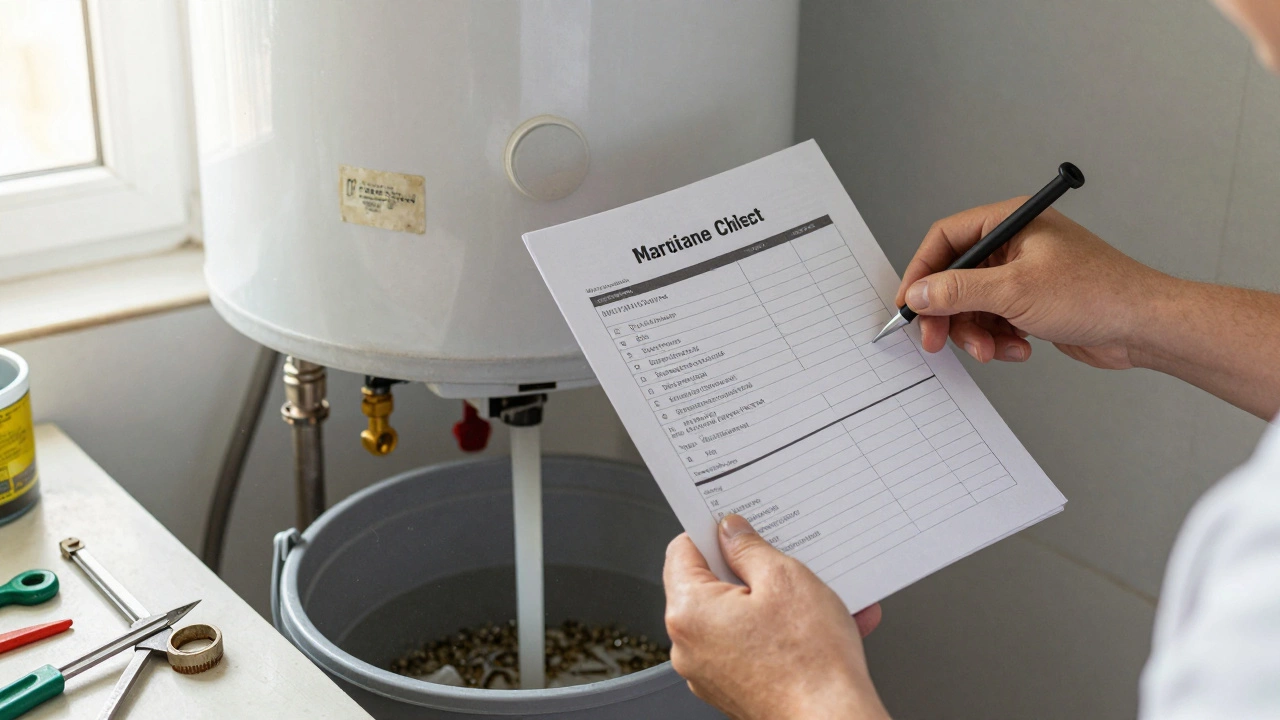
Broken dip tube
The dip tube is a long plastic pipe that sends cold water to the bottom of the tank. If it breaks, cold water gets mixed in with the hot water before it even heats up. You might notice lukewarm water that runs out quickly, especially during showers. This is more common in older electric models. Replacing the dip tube means draining the tank, removing the cold water inlet, and swapping the tube. It’s not hard, but you need to know what you’re doing. If you’re not sure, call a plumber. A new dip tube costs under $10.When to call a professional
Some fixes are simple. Others are dangerous. Call a pro if:- You smell gas-leave the house and call your gas company immediately.
- The tank is leaking from the bottom-this usually means corrosion has eaten through the steel.
- The heater is over 12 years old and keeps failing.
- You’re unsure about electrical wiring or gas lines.
Water heater explosions are rare, but they happen when pressure builds up and safety valves fail. Don’t risk it. If you’re uncomfortable, hire someone. A good technician will diagnose the issue in under an hour and give you a clear fix.
Prevent future problems
The best way to avoid sudden hot water loss is to maintain your heater. Do this every year:- Drain 2 gallons from the bottom valve to remove sediment.
- Check the pressure relief valve by lifting the lever.
- Inspect the anode rod-if it’s thin or covered in calcium, replace it.
- Set the thermostat to 120°F to save energy and reduce wear.
- Keep the area around the heater clean and dry.
Most water heater failures are predictable. They don’t happen overnight. If you notice slow heating, strange noises, or rust-colored water, act early. A small fix today saves a full replacement tomorrow.
Why is my hot water suddenly cold?
The most common causes are a tripped circuit breaker, a faulty thermostat, a burned-out heating element, or a pilot light that went out on gas models. Sediment buildup can also reduce heating efficiency. Start by checking the breaker and thermostat settings before moving on to more complex repairs.
Can I fix my water heater myself?
Yes, many common issues can be fixed without a plumber. Replacing a thermostat, heating element, or thermocouple is doable with basic tools and safety precautions. Always turn off power or gas before working. If you’re unsure about electrical wiring, gas lines, or tank leaks, call a professional.
How long should a water heater last?
Most water heaters last between 8 and 12 years. Electric models often last longer than gas ones if they’re maintained. Signs it’s time to replace yours include rust on the tank, frequent breakdowns, strange noises, or water that doesn’t stay hot for long.
Should I replace my water heater if it’s 10 years old?
Not necessarily. If it’s still working well and you’ve maintained it, you can get another 2-3 years out of it. But if you’re facing repeated repairs-especially with heating elements or leaks-it’s often cheaper in the long run to replace it. Newer models are 20-30% more energy efficient.
Why does my hot water run out so fast?
This usually means sediment has built up at the bottom of the tank, insulating the heating element. It can also mean the dip tube is broken, letting cold water mix in too early. Drain the tank and check the dip tube. If the tank is too small for your household, consider upgrading to a larger capacity model.
I am an expert in the services industry with a focus on appliance repair. My passion lies in understanding how things work and educating others in simple, engaging ways. This enthusiasm fuels my writing, where I delve into topics around appliance maintenance and troubleshooting. I aim to make these subjects clear and accessible to all readers.