Water Heater Troubleshooting Guide
Answer the following questions to find the safest way to restore your hot water.
Is the water completely cold?
Diagnosis Result
Quick Guide to Water Heater Resets
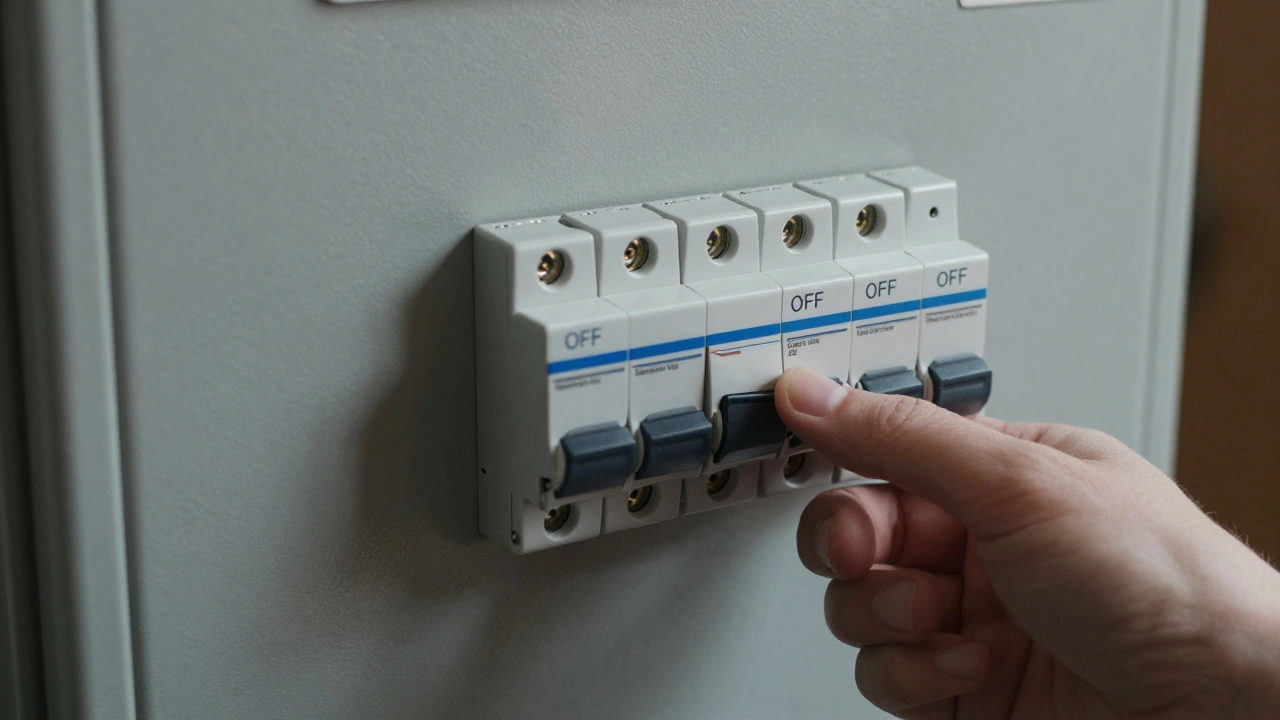
- Safety First: Always turn off the breaker before opening any access panels.
- The Trip: If the breaker is flipped, reset it once. If it flips again, stop immediately.
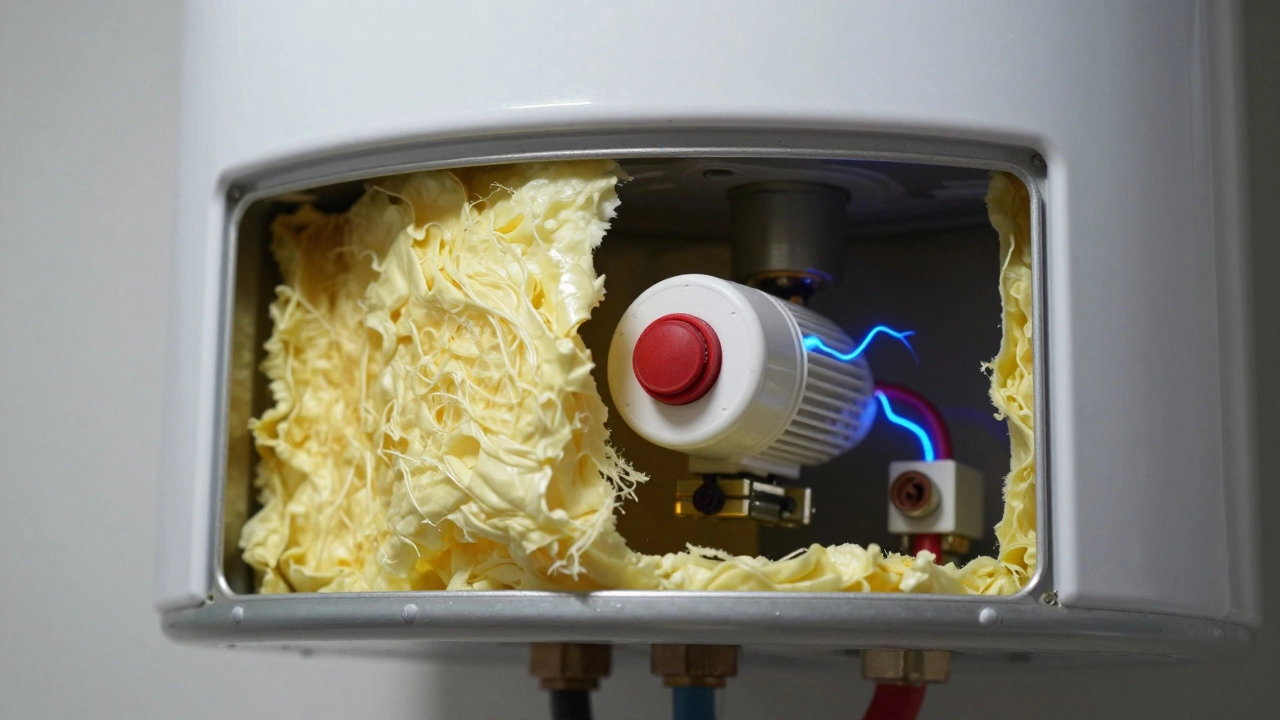
- The High-Limit Switch: This is the actual "reset button" located on the upper thermostat.
- The Danger: Touching live terminals can cause severe electrical shock or death.
Why the Breaker Matters More Than the Button
Most people confuse the circuit breaker in the electrical panel with the reset button on the heater itself. They are two very different safety mechanisms. The breaker protects your home's wiring from melting by cutting power if the current gets too high. The reset button-technically called the high-limit switch-is there to stop the tank from becoming a rocket if the thermostat fails and the water boils.
If you open the access panel on your electric water heater while the power is on, you are exposing yourself to 240 volts of electricity. In a damp garage or basement, that risk doubles. Even if you're just pressing a red button, your hand could slip, or you could touch a nearby terminal. Turning off the breaker removes this risk entirely. It transforms a dangerous gamble into a simple mechanical task.
Step-by-Step: How to Safely Reset Your Heater
Don't just wing it. Follow these steps to get your hot water back without risking a trip to the hospital.
- Locate your electrical panel: Find the switch labeled "Water Heater." Flip it to the OFF position.
- Verify the power is gone: If your heater has a display or indicator light, make sure it's dark.
- Remove the access panel: Use a screwdriver to take off the metal plate on the side of the tank.
- Remove the insulation: Gently pull back the fiberglass insulation to see the thermostats.
- Press the reset button: Look for a red button on the upper thermostat. Push it firmly. If you hear a "click," it was tripped.
- Close everything up: Put the insulation back and screw the panel tight.
- Restore power: Flip the breaker back to ON.
Comparing the Two Types of "Resets"
It's easy to get these mixed up. Here is the breakdown of what actually happened when your water went cold.
| Feature | Circuit Breaker Trip | High-Limit Switch Trip |
|---|---|---|
| Location | Main Electrical Panel | On the Water Heater Tank |
| Cause | Electrical Overload / Short Circuit | Water Overheating (Boiling) |
| Fix | Flip Switch to ON | Press Red Reset Button |
| Danger Level | Low (Safe to touch switch) | High (Exposed live wires) |
When a Reset Is a Warning Sign, Not a Fix
If you find yourself resetting your water heater once a month, you don't have a "tripping" problem; you have a failing component. A heating element that is covered in sediment acts like a heat shield. The element has to work harder and hotter to push heat through the crust of minerals, which eventually triggers the high-limit switch to trip. This is common in areas with hard water.
Another culprit could be a faulty thermostat. If the thermostat stops telling the element to shut off, the water will continue to heat until it reaches a dangerous pressure, forcing the safety switch to cut the power. If you just keep hitting the reset button, you're ignoring a ticking time bomb that could eventually lead to a leaked tank or a blown element.
Common Pitfalls to Avoid
I've seen plenty of homeowners make the mistake of leaving the access panel off while "testing" the heater. Never do this. Not only is it a shock hazard, but it also lets heat escape and can lead to accidental contact with the wires.
Another mistake is flipping the breaker on and off rapidly. If a breaker trips immediately after you reset it, do not force it to stay on. This is a clear sign of a short circuit. Forcing a breaker to stay engaged when it wants to trip can cause an electrical fire inside your walls. At that point, the problem is no longer about hot water; it's about home safety.
Tools You'll Need for a Proper Repair
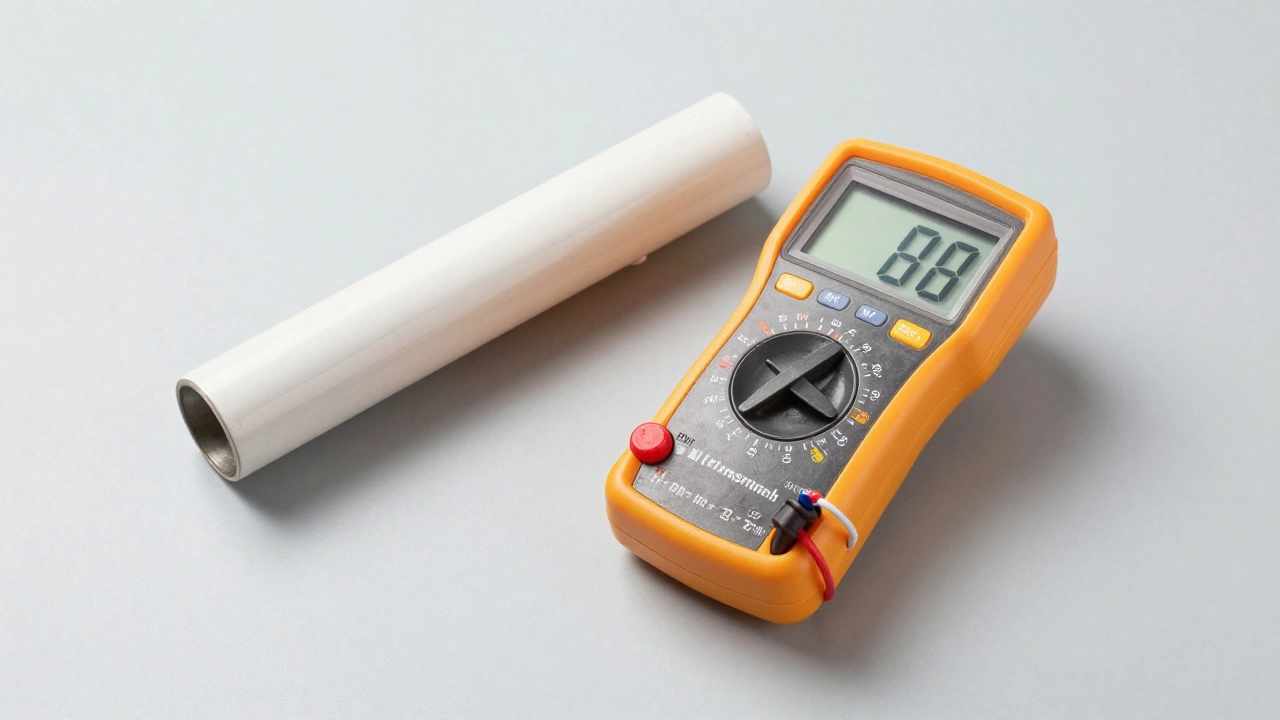
If you decide to go beyond a simple reset and actually investigate why the heater is tripping, you'll need more than just a finger to press a button. A multimeter is the gold standard here. It allows you to test for continuity in the heating elements and check if the thermostat is actually sending the correct voltage.
If the multimeter shows "Open" or infinite resistance on an element, the element is burnt out. Replacing a water heater repair part like an element is a straightforward job, but it absolutely requires the power to be off. You'll also want a socket set to unscrew the element and some dielectric grease to ensure a tight, waterproof seal on the new connection.
Can I reset the water heater without opening the panel?
No. The high-limit reset button is located inside the access panel on the side of the tank. While you can reset the circuit breaker at the main panel without opening the heater, the safety switch requires physical access to the thermostat.
Is it safe to touch the reset button if the power is on?
It is highly discouraged. While the button itself is designed to be pressed, the area around it contains exposed 240V terminals. Any accidental slip of the hand or a tool could lead to a lethal electric shock.
Why does my breaker trip every time I reset the heater?
This usually indicates a "dead short" to ground. This happens when the outer casing of a heating element cracks and the electrical current leaks directly into the water. This is a serious electrical fault that requires immediate professional repair.
How do I know if my heating element is actually broken?
The best way is using a multimeter to check for continuity. If the element is functioning, it will show a specific resistance value (usually between 10 and 20 ohms). If it shows no continuity, the internal filament is broken.
Does a gas water heater have a reset button like this?
Gas heaters don't have electrical reset buttons in the same way, but they do have a pilot light that can go out. Some newer gas models have electronic ignition modules that may have a reset procedure, but generally, they rely on a thermocouple to manage safety shutdowns.
What to Do Next
If your reset worked, you've bought yourself some time, but keep an eye on it. If the water starts getting cold again within a few weeks, it's time to flush your tank. Sediment buildup is the number one reason these switches trip. Draining the tank once a year removes the "mud" at the bottom, allowing the elements to heat the water efficiently without overheating.
If you're uncomfortable working with electricity or if the breaker keeps tripping, call a licensed electrician or a plumber. Dealing with 240V is not a place for guesswork. A professional can perform a full diagnostic, check the amperage draw, and ensure your wiring isn't degraded, saving you from a potentially catastrophic electrical failure.
I am an expert in the services industry with a focus on appliance repair. My passion lies in understanding how things work and educating others in simple, engaging ways. This enthusiasm fuels my writing, where I delve into topics around appliance maintenance and troubleshooting. I aim to make these subjects clear and accessible to all readers.