
Extractor Fan Repair Decision Tool
Describe the Problem
Recommendation
Select options on the left to see who to call.
Your extractor fan is making a grinding noise, spinning slowly, or has stopped working entirely. You’ve wiped the grease off the blades, but nothing changed. Now you’re standing in your kitchen wondering who actually fixes these things. Is it an electrician? A plumber? Or someone else entirely?
Calling the wrong professional can waste your time and money. An electrician might tell you they don’t touch ductwork, while a plumber may refuse to mess with electrical wiring. The truth is, extractor fans sit at the intersection of electricity, airflow, and sometimes plumbing. Knowing exactly who to call depends on what’s broken.
The Quick Decision Guide
Before you start searching online, look at the symptom. This simple check will save you from booking the wrong trade.
- No power at all: Call an electrician.
- Loud noise, vibration, or smoke smell: Call a ventilation specialist or appliance repair technician.
- Poor suction but motor runs: Check ductwork (DIY) or call an HVAC/ventilation expert.
- Condensation issues in bathroom: Call a plumber or ventilation specialist.
If you are unsure, start with a licensed electrician. They can diagnose whether the issue is electrical (safe to proceed) or mechanical (needs a specialist).
When to Call an Electrician
Extractor fans are electrical appliances. If the problem originates from the power supply, the switch, or the internal wiring, an electrician is your first stop. In many regions, including New Zealand, only licensed electricians can legally work on hardwired appliances connected to the mains.
You need an electrician if:
- The fan doesn’t turn on even after checking the fuse or circuit breaker.
- The light works, but the fan motor does not (indicating a switch or control board failure).
- You see scorch marks around the switch or socket.
- The fan trips the RCD (Residual Current Device) or GFCI every time you turn it on.
An electrician will check the voltage supply, test the continuity of the wires, and inspect the wall switch or pull-cord mechanism. If the wiring is fine, they will likely tell you that the motor or bearings are faulty. At this point, they may refer you to a ventilation specialist because replacing a motor often requires disassembling the unit and handling heavy components, which isn’t their primary expertise.
Pro Tip: Before calling an electrician, check your home’s fuse box. Sometimes a tripped breaker is the only issue. Resetting it costs nothing and solves the problem instantly.
When to Call a Ventilation Specialist or Appliance Technician
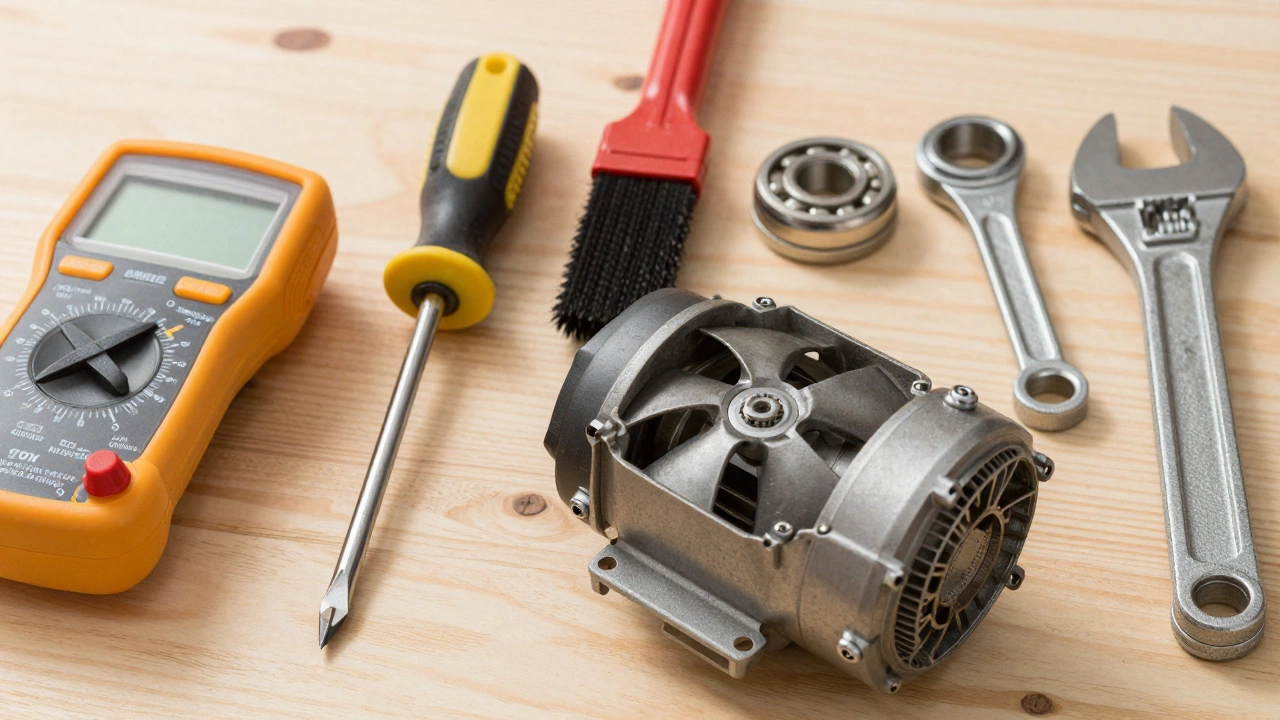
This is the most common route for extractor fan repairs. These professionals specialize in air movement systems. They understand motors, bearings, impellers (the fan blades), and ducting constraints. Unlike general electricians, they have the tools to balance fans, replace worn bearings, and clean out grease buildup that causes imbalance and noise.
Call a ventilation specialist if:
- The fan is noisy (squealing, grinding, or rattling).
- The fan runs but sucks poorly despite clear ducts.
- The motor hums but the blades don’t spin (seized bearing).
- You need a replacement unit installed with proper balancing.
In New Zealand, companies like Airflow Solutions or local appliance repair shops often handle these jobs. They carry spare parts for major brands such as Beko, Smeg, and KitchenAid. They can also upgrade an old recirculating fan to a more efficient extraction model, provided the ducting allows it.
A key advantage of specialists is their knowledge of building codes. For example, in Wellington, coastal winds can affect external vent placement. A specialist knows how to install backdraft dampers to prevent wind from blowing rain or pests into your kitchen through the fan outlet.
When to Call a Plumber
It sounds strange, but plumbers sometimes fix extractor fans. Why? Because in bathrooms, extractor fans are closely tied to moisture management and sometimes share space with shower enclosures or vanity units. Additionally, some modern "silent" fans use water-cooled condensers or are integrated into wet room systems.
More commonly, you’d call a plumber if:
- The fan is part of a combined heater/fan unit in a bathroom.
- There is condensation dripping from the ceiling near the fan due to poor ventilation design.
- The ducting runs through a pipe chase or behind tiles where a plumber already has access.
However, for standard kitchen range hoods, a plumber is rarely the right choice. They typically lack the specific tools for motor diagnostics and bearing replacement. Stick to plumbers only if the fan issue is secondary to a broader bathroom renovation or plumbing leak.
When to DIY: Safe Checks You Can Do First
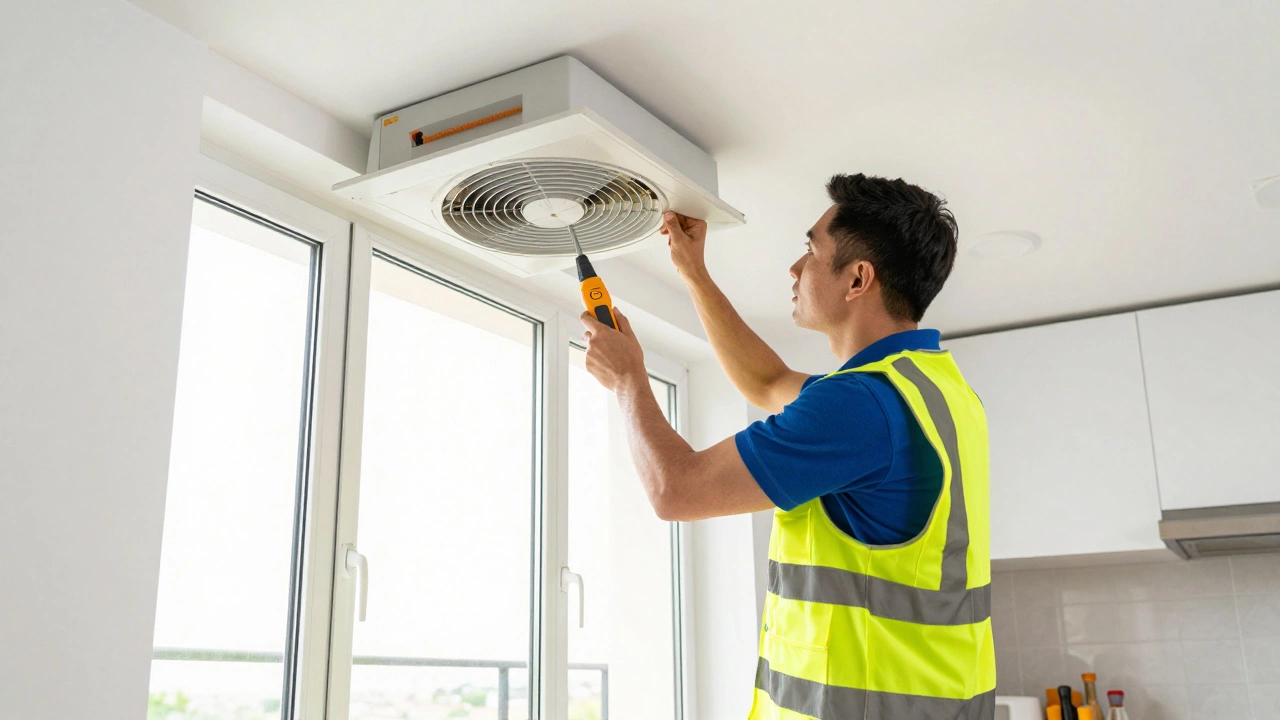
Not every extractor fan problem requires a pro. Many issues are caused by dirt, grease, or loose connections. Here’s what you can safely do before paying for a service call.
- Clean the Filter: Grease filters clog over time. Remove them and soak in hot soapy water or dishwasher-safe degreaser. A blocked filter reduces suction by up to 50%.
- Check the External Vent: Go outside and look at the fan outlet. Is it blocked by bird nests, leaves, or ice? Clear any obstructions.
- Inspect the Ducting: If you have accessible ducts, check for kinks or disconnected sections. Flexible ducts can collapse under pressure.
- Tighten Screws: Vibration can loosen mounting screws. Tighten them to reduce noise.
Safety Warning: Never open the motor housing or touch internal wiring unless you are qualified. Extractor fans operate at 230V (in NZ/AU) or 120V (in US). Capacitors can hold a charge even when unplugged. If you’re not comfortable, skip this step.
Cost Expectations: What Will It Cost?
Prices vary by location and complexity. In Wellington, here’s a realistic breakdown for 2026:
| Service Type | Estimated Cost (NZD) | Time Taken |
|---|---|---|
| Electrician Diagnostic Call | $80 - $120 | 30-60 mins |
| Ventilation Specialist Labor | $90 - $150 per hour | 1-2 hours |
| Motor Replacement Part | $150 - $400 | Varies |
| Full Unit Installation | $200 - $350 | 2-4 hours |
| Duct Cleaning Service | $100 - $200 | 1 hour |
If the cost of repair exceeds 50% of a new unit, consider replacement. Modern fans are quieter, more energy-efficient, and often come with better warranties. Older models may no longer have available parts.
Choosing the Right Professional
Not all technicians are equal. Here’s how to vet someone before they arrive at your door:
- Licensing: Ensure they are licensed for electrical work (if applicable) or registered with relevant trade bodies.
- Specialization: Ask if they specifically repair extractor fans or if they’re a general handyman. Specialists know brand-specific quirks.
- Warranty: Reputable pros offer at least a 3-month warranty on labor and parts.
- Reviews: Check local reviews for keywords like “quiet,” “efficient,” and “professional.” Avoid those with complaints about recurring noise issues.
In Wellington, you can search directories like TradeMe Services or OneLocal for verified tradespeople. Look for businesses that mention “ventilation” or “air quality” in their profile, not just “appliance repair.”
Preventing Future Breakdowns
Extractor fans fail prematurely due to neglect. Simple maintenance extends their life significantly:
- Clean Filters Monthly: Grease buildup strains the motor.
- Run the Fan Longer: Leave it on for 10-15 minutes after cooking to clear residual steam and grease particles from the duct.
- Annual Deep Clean: Hire a professional to clean the internal impeller and ductwork once a year.
- Check Seals: Ensure the gap between the hood and cabinet is sealed to prevent air leaks.
A well-maintained fan lasts 10-15 years. A neglected one fails in 3-5 years.
Can I replace an extractor fan myself?
You can replace the unit itself if you are confident with basic tools and the wiring is accessible. However, connecting it to the mains power should be done by a licensed electrician to ensure safety and compliance with local regulations. If the new fan requires cutting into walls or roof for ducting, hire a professional.
Why is my extractor fan loud suddenly?
Sudden noise usually indicates worn bearings, a bent impeller blade, or debris caught in the motor. It could also be due to vibration from loose mounting screws. If the noise is a high-pitched squeal, the bearings are likely failing. If it’s a rumble, something may be physically obstructing the blades.
Is it cheaper to repair or replace an extractor fan?
If the fan is less than 5 years old, repair is usually worth it. For older units, especially if the motor needs replacement, buying a new fan is often more cost-effective. New models are also more energy-efficient and quieter, providing better long-term value.
What happens if I ignore a broken extractor fan?
Ignoring a broken fan leads to poor indoor air quality. Grease and moisture build up on surfaces, promoting mold growth and attracting pests. Over time, this can damage cabinetry and ceilings. In kitchens, excessive heat and steam can also interfere with other appliances and create uncomfortable living conditions.
Do I need a permit to install an extractor fan?
In most residential cases, no permit is needed for replacing an existing fan. However, if you are installing a new ducted system that penetrates the exterior wall or roof, you may need approval from your local council, especially in heritage-listed areas or apartment complexes with strict rules.
I am an expert in the services industry with a focus on appliance repair. My passion lies in understanding how things work and educating others in simple, engaging ways. This enthusiasm fuels my writing, where I delve into topics around appliance maintenance and troubleshooting. I aim to make these subjects clear and accessible to all readers.