Hot Water Troubleshooter
Check Your Symptoms
Select all symptoms you're experiencing to get personalized troubleshooting guidance.
Recommended Solution
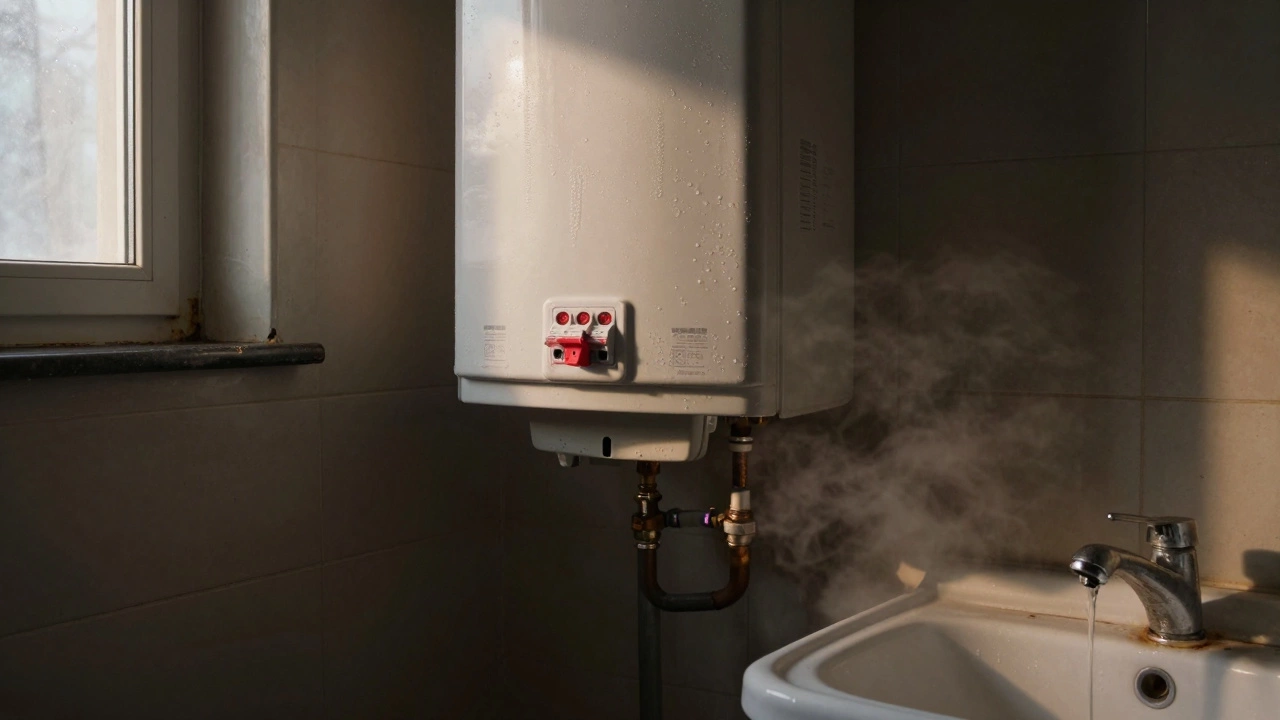
You wake up in the morning, turn on the shower, and nothing but cold water comes out. You try the kitchen sink. Same thing. The washing machine won’t fill with warm water. You check the water heater - it’s silent. No humming. No lights. You didn’t do anything different last night. So why is there no hot water all of a sudden?
It’s Not Just You - This Happens All the Time
More than 60% of water heater failures happen without warning. You don’t get a notice. No warning light. Just cold water. It’s frustrating, especially in winter. But the good news? Most of the time, it’s not a full replacement. It’s something simple you can fix yourself - or know when to call a pro.Check the Power First (Electric Water Heaters)
If your water heater runs on electricity, the first thing to check is the power. Not the circuit breaker in the main panel - the one right next to the water heater. Many homes have a dedicated 240-volt breaker just for the heater. It might look like a regular switch, but it’s often hidden behind a panel or tucked in a utility closet. Flip it off, then back on. That’s it. Sometimes, a power surge or a loose connection trips it. If it trips again right away, there’s a bigger problem - probably a short in the heating element or thermostat. Don’t keep resetting it. That’s a fire risk.Look at the Pilot Light (Gas Water Heaters)
Gas water heaters don’t need electricity to work - but they do need a pilot light. If it’s out, you’ve got no hot water. Check the front of the unit. There’s usually a small window or opening where you can see the flame. If it’s gone, follow the instructions on the side of the tank. Most modern gas heaters have an electronic ignition. You press a button and hear a clicking sound. If you hear clicking but no flame, the thermocouple might be dirty or broken. If you don’t hear anything, the gas valve could be shut off. Make sure the gas shutoff valve near the heater is fully open. It should be parallel to the pipe, not perpendicular.Thermostat Settings - Accidentally Turned Down?
It’s easy to forget this, but someone - maybe a kid, a guest, or even you - might have turned the thermostat down. Water heaters are usually set between 120°F and 140°F. If it’s set to “Vacation” or “Low,” you’ll get lukewarm or no water. For electric heaters, the thermostat is behind a panel on the side. You’ll need a screwdriver to remove it. For gas models, it’s usually a dial near the bottom. Turn it up to 120°F and wait an hour. If nothing changes, move on.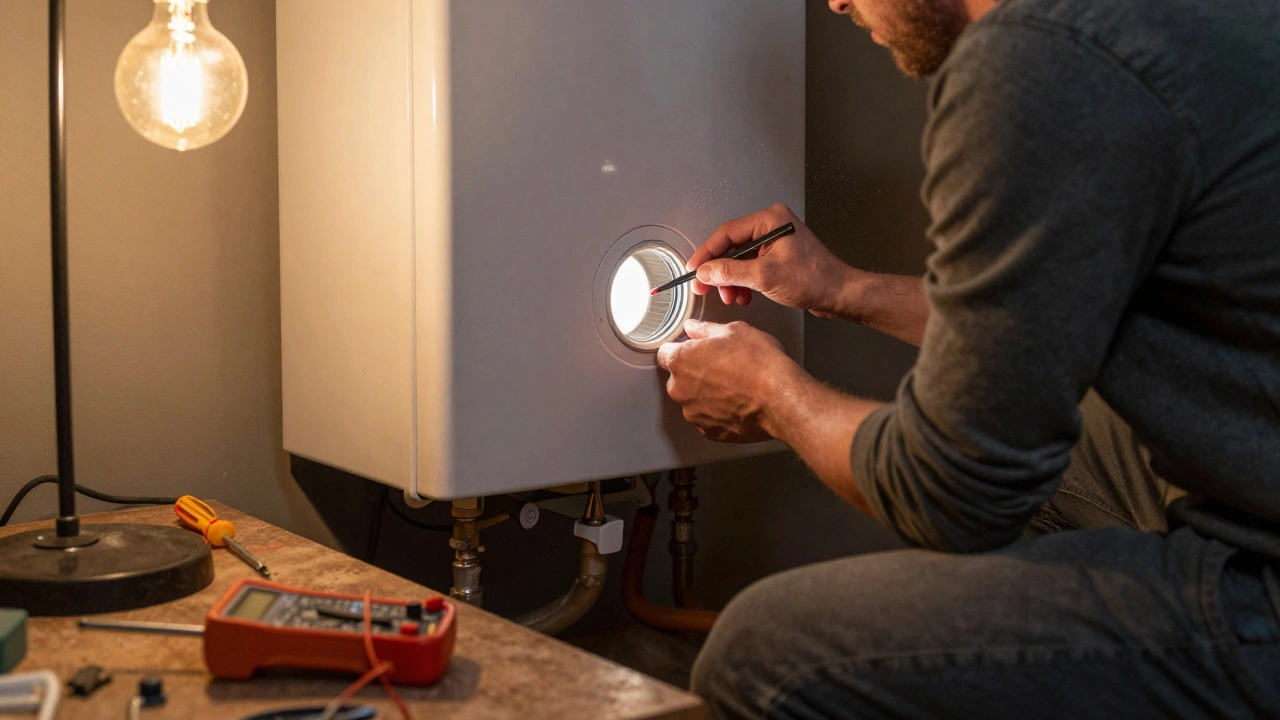
Broken Heating Elements (Electric Only)
Electric water heaters have two heating elements - one at the top, one at the bottom. The top one heats water first. If it fails, you might get a little warm water at the start of a shower, then it turns cold. That’s the top element gone. If you get no hot water at all, the bottom element is likely dead. You can test them with a multimeter. Turn off the power. Drain a few gallons of water. Remove the access panels and insulation. Disconnect the wires from each element. Set your multimeter to ohms. Touch the probes to the two terminals on the element. If it reads zero or infinity, it’s dead. Replace it. They cost about $20-$30 and take under an hour to swap.Flushing the Tank - Sediment Buildup Is a Silent Killer
Over time, minerals in the water settle at the bottom of the tank. That’s sediment. It insulates the heating element from the water. So the element heats the sediment, not the water. The result? Slow recovery, weird noises, and eventually, no hot water. If your heater is older than five years and you’ve never flushed it, this is likely the issue. Turn off the power or gas. Shut off the cold water inlet. Attach a garden hose to the drain valve at the bottom. Open the valve and let it run into a bucket or outside. Let it drain until the water runs clear. That can take 15-30 minutes. Then close the valve, refill the tank, and turn the power back on.Dip Tube Failure - Cold Water Mixing In
The dip tube is a long plastic pipe that sends cold water to the bottom of the tank so hot water rises out the top. If it breaks, cold water shoots straight to the top. That means your hot water tank is mixing cold water with hot water before it even leaves the tank. Signs? You get hot water for a few minutes, then it turns cold - faster than normal. You might also find small white plastic flakes in your faucet filters or showerhead. That’s broken dip tube material. Replacing it requires draining the tank and removing the cold water inlet. It’s doable, but if you’re not comfortable, call a plumber. Dip tubes cost under $25, but labor runs $150-$250.Water Heater Age - When It’s Just Time
Most water heaters last 8-12 years. If yours is 10+ years old and you’re getting no hot water, it might be dying. Corrosion inside the tank can’t be fixed. Even if you replace the elements or thermostat, the tank itself is leaking from the inside. Look for puddles under the tank. Rust on the bottom. A hissing sound. These are signs the tank is compromised. If you’ve had multiple repairs in the last year, it’s cheaper to replace it now than to keep patching it.
What to Do When Nothing Works
If you’ve checked the power, the pilot light, the thermostat, flushed the tank, and replaced the elements - and you still have no hot water - it’s time to call a professional. But don’t just call anyone. Look for someone who specializes in water heater repair, not general plumbing. Ask if they carry common replacement parts on their truck. Most good techs will have heating elements, thermostats, and gas valves in their van. Avoid companies that push full replacements right away. A $30 thermostat or a $50 element fix can save you $800. A reputable technician will test the system and show you the problem before charging you.Quick Checklist: What to Check Right Now
- Is the circuit breaker for the water heater tripped? (Electric)
- Is the pilot light lit? (Gas)
- Is the gas shutoff valve open? (Gas)
- Is the thermostat set above 120°F?
- Is there sediment in the water? (Try draining a bucket from the drain valve)
- Are you getting hot water for a few minutes, then it turns cold? (Possible dip tube)
- Is the water heater over 10 years old? (Time to replace)
Do all of these in under 20 minutes. You might save yourself a service call.
Prevent This From Happening Again
- Flush your tank once a year. It takes an hour and costs nothing but your time. - Install a water softener if you have hard water. It cuts sediment buildup by 70%. - Set your thermostat to 120°F. It’s hot enough, safer, and saves energy. - Replace the anode rod every 3-5 years. It’s the sacrificial metal that keeps your tank from rusting. - Keep the area around the heater clear. No storage, no flammable materials.Water heaters are designed to last. But they need a little care. If you treat it like a car - check the fluids, clean the filters, watch for warning signs - it’ll keep working for years.
Why is my water heater making noise but no hot water?
If your water heater is making popping or rumbling sounds but you’re not getting hot water, sediment has built up at the bottom of the tank. The water trapped under the sediment boils and creates noise. Drain and flush the tank. If the noise returns after a few months, install a water softener or replace the anode rod.
Can a broken thermostat cause no hot water?
Yes. A faulty thermostat can stop the heating elements from turning on. In electric water heaters, the top thermostat controls the bottom one. If the top thermostat fails, the bottom element won’t activate - meaning you get no hot water. Test it with a multimeter or replace it. Thermostats cost under $40 and are easy to swap.
Why do I only get hot water for a few minutes?
This usually means the tank is too small for your usage, or the dip tube is broken. If you have a 40-gallon tank and two people take back-to-back showers, you’ll run out fast. But if you get hot water for just 5-10 minutes and the tank is new, the dip tube is likely cracked. Cold water is mixing with hot water before it leaves the tank.
Is it safe to use water if the heater is broken?
Yes. You can still use cold water. But don’t use the shower or sink if you see water leaking from the tank or hear hissing. That means the tank is corroding or under pressure. Turn off the water and power/gas immediately. A leaking tank can burst if left unattended.
Should I replace my water heater if it’s 12 years old?
If it’s 12 years old and you’re having frequent issues, yes. Even if it’s still working, efficiency drops after 10 years. New models are 20-30% more efficient. Plus, older tanks are more likely to leak suddenly. Replacing it now avoids water damage and high energy bills.
Next Steps - What to Do Today
If you have no hot water right now:- Check the circuit breaker or pilot light - that’s the fastest fix.
- Turn up the thermostat and wait an hour.
- Drain a bucket from the drain valve. If it’s cloudy or has grit, flush the tank.
- If you’re still stuck, call a licensed water heater technician - don’t guess.
Most of the time, it’s not a disaster. It’s just a small part that needs replacing. Fix it now, and you’ll avoid a bigger mess later.
I am an expert in the services industry with a focus on appliance repair. My passion lies in understanding how things work and educating others in simple, engaging ways. This enthusiasm fuels my writing, where I delve into topics around appliance maintenance and troubleshooting. I aim to make these subjects clear and accessible to all readers.