Water Heater Diagnostic Tool
Instructions: Select the symptom you are experiencing to find the likely cause and the recommended action.
Select a symptom from the list to see the diagnostic result.
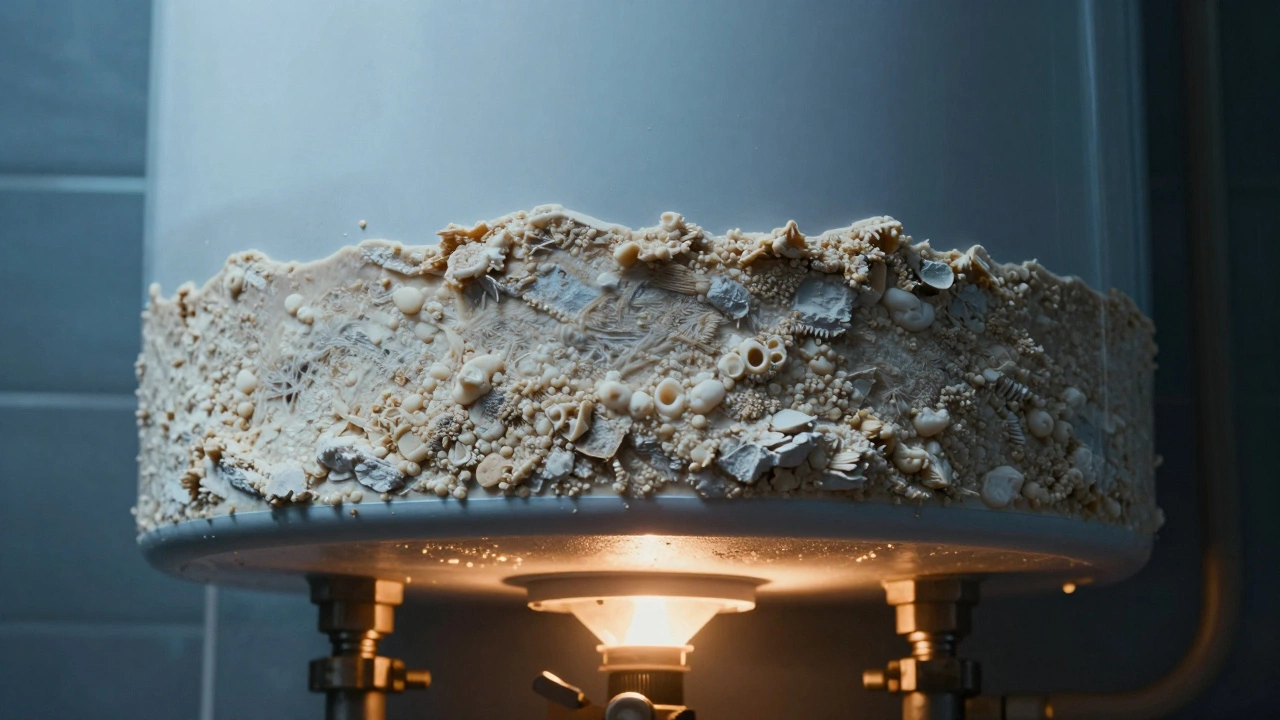
Likely Cause: Sediment Buildup
Minerals like calcium and magnesium have formed a crust at the bottom of your tank. This causes "kettling" where water boils under the sediment.
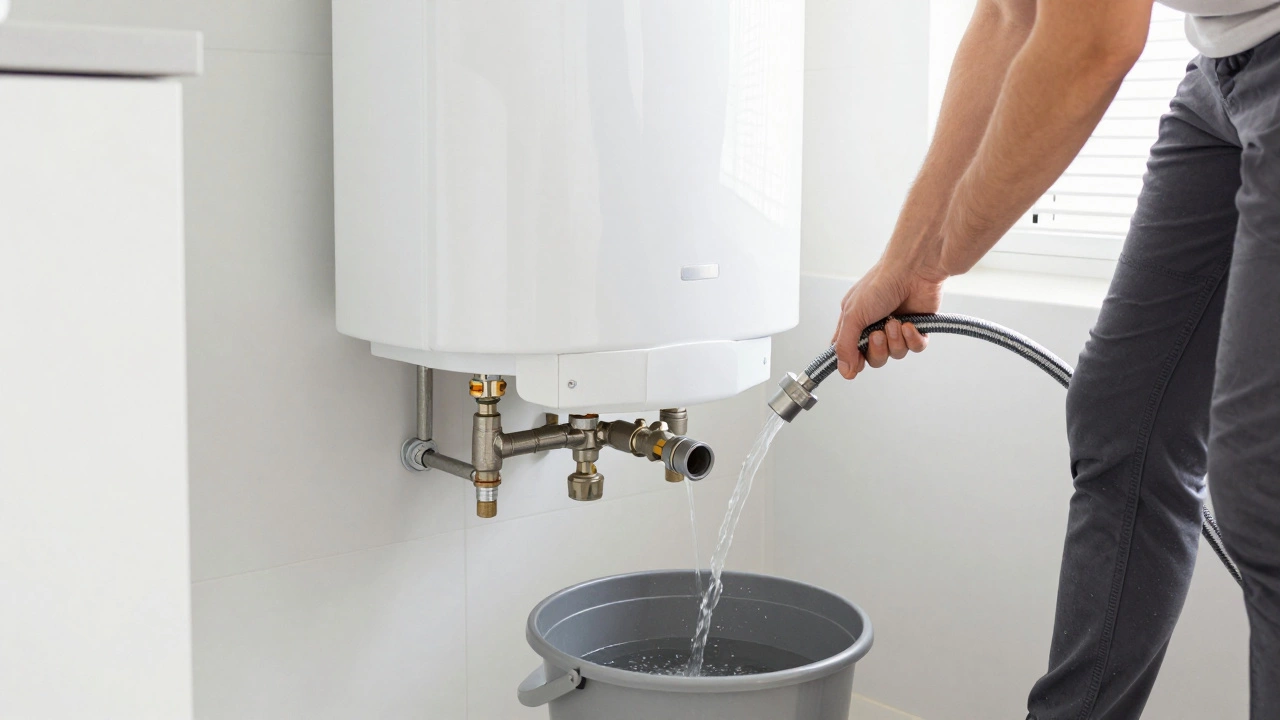
Action: Perform a full tank flush using a garden hose to remove the sludge.
Likely Cause: Tank Corrosion/Rust
The inner steel tank has been breached. Because these tanks are pressurized, they cannot be patched or welded.
Action: Immediate replacement of the entire water heater unit is required.
Likely Cause: Element or Pilot Failure
In electric units, the heating element may have burnt out. In gas units, the pilot light may have gone out or the thermocouple failed.
Action: Inspect the pilot light or test/replace the heating elements.
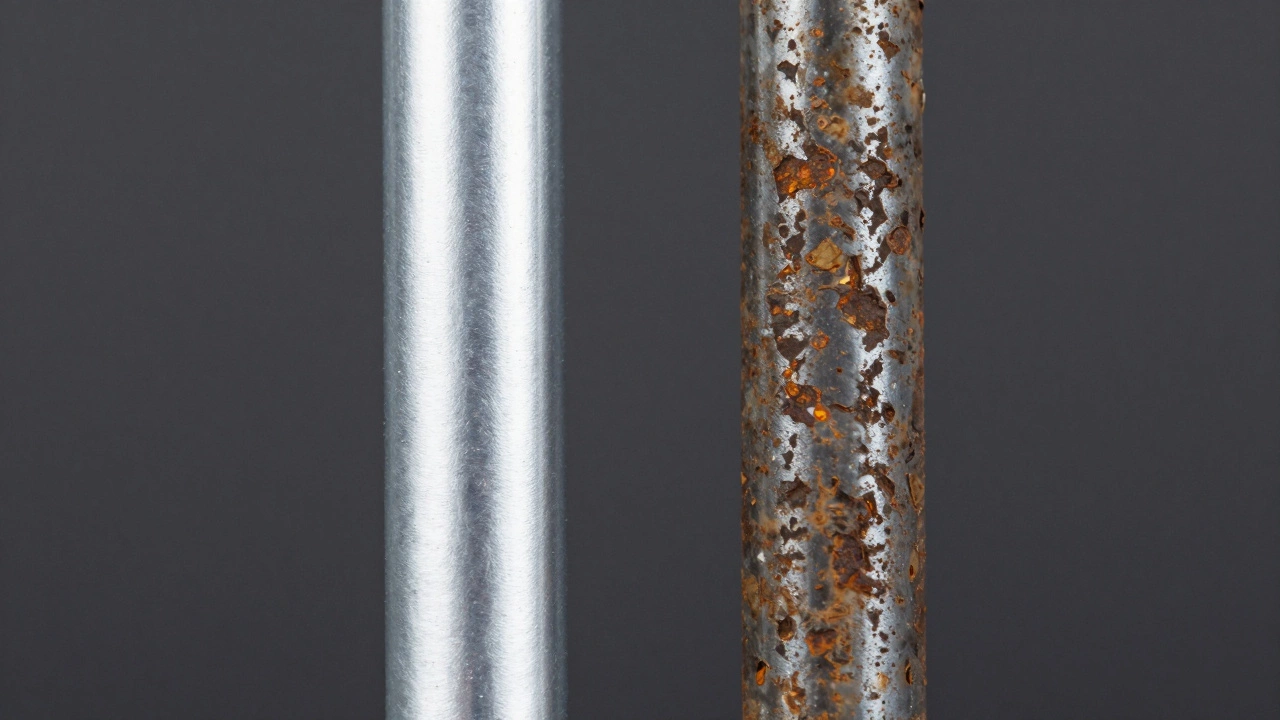
Likely Cause: Corroded Anode Rod
The sacrificial anode rod has dissolved, allowing the water to begin attacking the steel walls of the tank.
Action: Replace the anode rod immediately to prevent tank failure.
Likely Cause: Anode Rod Reaction
The anode rod is reacting with bacteria in the water or is nearly exhausted, creating hydrogen sulfide gas.
Action: Check and replace the anode rod. Consider a water softener for hard water areas.
- Sediment buildup is the leading cause of efficiency loss and tank failure.
- The anode rod is your first line of defense against rust.
- Leaking tanks are almost always unrepairable and require a full replacement.
- Regular flushing can extend your heater's life by several years.
The Silent Killer: Sediment Buildup
If you want to know the single most common reason a heater fails, look no further than Sediment is a collection of minerals like calcium and magnesium that precipitate out of hard water and settle at the bottom of a tank. In areas with hard water, these minerals act like limestone. Over time, they create a thick layer of crust at the bottom of the tank.
Why does this matter? In a gas heater, the burner has to heat through that layer of rock before it can even touch the water. This leads to "popping" or "rumbling' sounds-which is actually the water boiling underneath the sediment. This localized overheating stresses the steel of the tank, creating weak spots that eventually crack. Once the tank wall is breached, the unit is dead. You can't weld a pressurized water tank; you just have to buy a new one.
The Sacrificial Anode Rod: Your Unsung Hero
Inside every tank is a Anode Rod is a magnesium or aluminum rod designed to corrode so that the steel tank doesn't. Think of it as a decoy. Water naturally wants to eat away at metal. Instead of letting the rust attack your tank walls, the minerals attack the anode rod first.
The problem is that this rod eventually disappears. It's "sacrificial" for a reason. Once the rod is completely dissolved, the water starts eating the tank. Many homeowners never check their anode rod, but if you replace it every three to five years, you can effectively double the life of your heater. If you notice your water smelling like rotten eggs, it's often a sign that the anode rod is reacting with bacteria or is nearly gone.
Common Failure Points and Their Symptoms
Not every failure is a burst tank. Sometimes the issue is a specific component that has worn out. Knowing what to look for can save you from replacing a whole unit when a simple part swap would do. For example, a failing Heating Element is an electrical component in electric heaters that converts energy into heat will leave you with lukewarm water or no heat at all.
| Symptom | Likely Cause | Fix Ability |
|---|---|---|
| Rumbling/Popping Noise | Sediment Buildup | High (Flush Tank) |
| Water Leaking from Bottom | Tank Corrosion/Rust | Impossible (Replace) |
| Cold Water Suddenly | Pilot Light/Element Failure | Medium (Repair Part) |
| Rusty Colored Water | Corroded Anode Rod | High (Replace Rod) |
The Danger of High Pressure and Temperature
Many people crank their thermostat to 140°F or higher to ensure they don't run out of hot water. This is a mistake. High temperatures accelerate the chemical reaction of corrosion. The hotter the water, the faster the anode rod dissolves and the quicker minerals precipitate into sediment.
Then there's the T&P Valve is the Temperature and Pressure relief valve that prevents tanks from exploding by releasing excess pressure. If this valve starts dripping, it might just need a cleaning. But if it fails shut, your tank becomes a pressure cooker. If the internal pressure exceeds the steel's limit, the tank will rupture. This is why you should always see a discharge pipe running from this valve down toward the floor-it's there to tell you when something is wrong before it becomes a catastrophe.
Electric vs. Gas: Different Ways to Fail
Depending on what powers your unit, the water heater failure triggers differ. Gas heaters usually fail due to the sediment-burner relationship mentioned earlier. The fire is directly under the tank, so the bottom is the most vulnerable spot. You'll often see rust rings forming around the base of the unit first.
Electric heaters, on the other hand, use submerged elements. If sediment settles around these elements, they can't dissipate heat into the water efficiently. They essentially "dry fire" and burn out. If you have an electric unit and the water is barely warm, you've likely burnt out the lower element because it was buried in a layer of calcium carbonate.
How to Stop the Cycle of Failure
You don't have to wait for a flood in your garage to take action. A few simple habits can keep your heater running long past its expected 10-year lifespan. The most effective method is a yearly flush. By attaching a garden hose to the drain valve at the bottom and letting the water run until it's clear, you push out the "sludge" that causes overheating and rust.
Also, consider installing a Water Softener is a filtration system that removes calcium and magnesium ions from hard water. By stripping the minerals out of the water before it ever hits your tank, you eliminate the root cause of sediment buildup. It's a bigger upfront investment, but it saves you from replacing your water heater every decade.
Can a leaking water heater be patched?
No. Once the inner steel tank develops a leak, it's a structural failure. Because the tank is under constant pressure, any patch or epoxy will eventually fail. The only safe and permanent solution is to replace the entire unit.
How often should I flush my water heater?
Ideally, you should flush your tank once a year. If you live in an area with very hard water, doing it every six months is even better. This prevents sediment from insulating the bottom of the tank and causing it to overheat.
Why does my water heater make a knocking sound?
That knocking or popping sound is usually "kettling." It happens when water gets trapped under a layer of sediment and boils, creating steam bubbles that collapse violently. It's a clear signal that your tank needs flushing.
Does the anode rod really need replacing?
Yes. Once the anode rod is gone, the water will start attacking the steel walls of your tank. Replacing the rod every 3-5 years is the cheapest way to prevent a total system failure.
Is a tankless water heater more reliable?
They don't suffer from tank corrosion, but they are more sensitive to scale buildup in the heat exchanger. They require different maintenance, such as a chemical descale, to keep them running efficiently.
Next Steps for Homeowners
If you're currently dealing with a failure, start by identifying the source of the leak. If water is pooling at the base of the tank, it's time to shop for a new unit. If you're just noticing a drop in temperature or weird noises, try flushing the tank first. If you aren't comfortable working with gas lines or high-voltage electricity, call a licensed technician to check the T&P valve and the anode rod. A quick maintenance visit is always cheaper than an emergency replacement on a Sunday afternoon.
I am an expert in the services industry with a focus on appliance repair. My passion lies in understanding how things work and educating others in simple, engaging ways. This enthusiasm fuels my writing, where I delve into topics around appliance maintenance and troubleshooting. I aim to make these subjects clear and accessible to all readers.