Hot Water Troubleshooter
Diagnose Your Hot Water Issue
Answer a few questions to identify the likely cause and solution for no hot water in your shower
If your shower suddenly has no hot water, it’s not just annoying-it’s a daily disruption. You turn the knob, and icy water hits you instead of steam. This happens more often than you think, especially in older homes or during colder months. The good news? In most cases, it’s not a full system failure. You can fix it yourself without calling a plumber right away.
Check the water heater power or gas supply
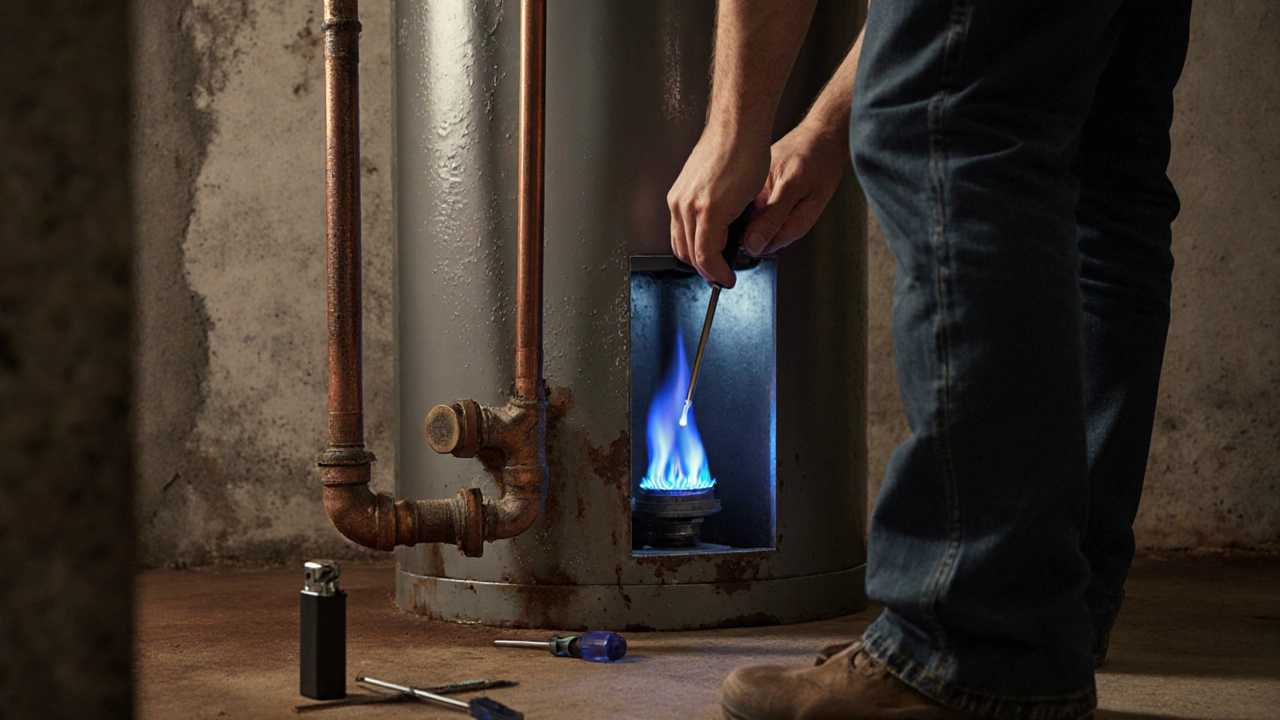
First, make sure the water heater is actually running. For electric models, check your circuit breaker. A tripped breaker is the #1 reason for no hot water. Go to your fuse box and look for the breaker labeled "water heater" or "hot water." If it’s in the middle or off position, flip it fully off, then back on. You’ll hear a click. Wait 20 minutes and test the shower again.For gas water heaters, check if the pilot light is still lit. Lift the access panel on the bottom of the unit. You should see a small blue flame. If it’s out, follow the relighting instructions printed on the side of the heater. Most have a simple three-step process: turn the knob to "pilot," press and hold the reset button, and light it with a long match or lighter. Hold for 30 seconds after it ignites, then turn the knob to "on."
If the pilot keeps going out, the thermocouple might be faulty. It’s a small metal rod near the flame that senses heat. If it’s dirty or bent, it shuts off the gas. Clean it gently with sandpaper or replace it-it costs under $20 and takes 15 minutes.
Look for sediment buildup in the tank
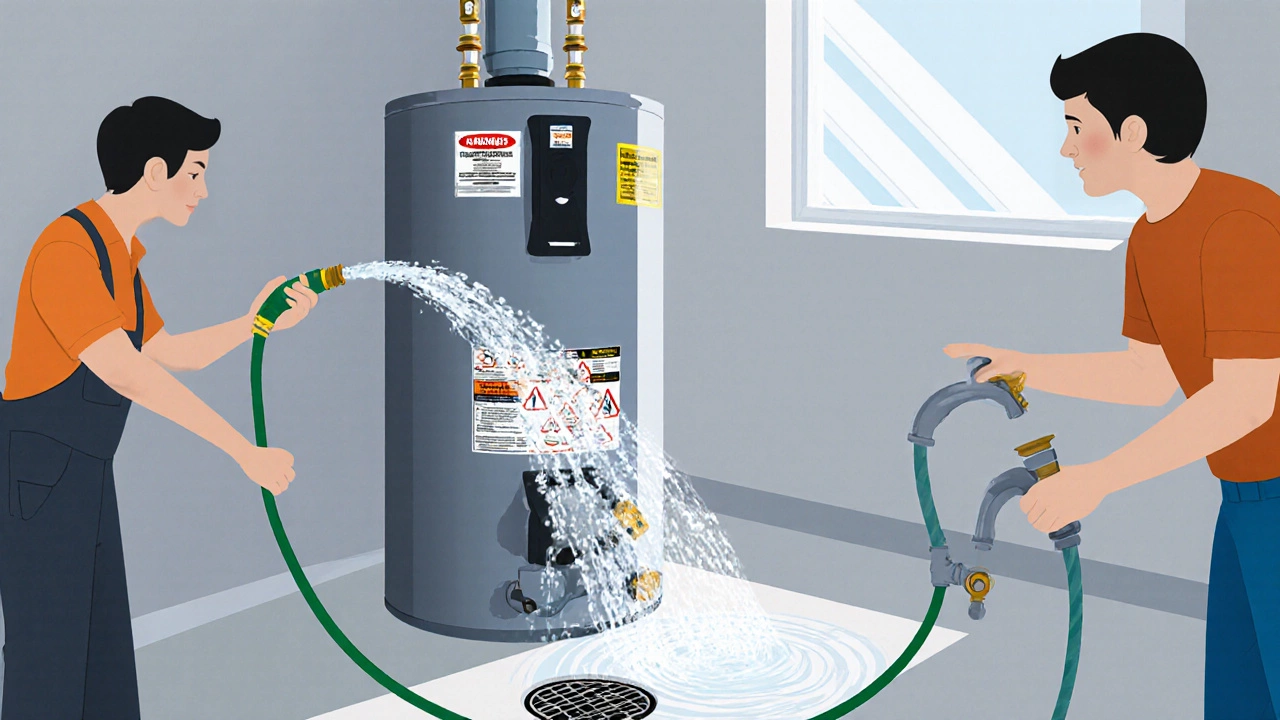
Over time, minerals in the water settle at the bottom of the tank. This is called sediment. In hard water areas like Wellington, it builds up fast. That sludge acts like insulation, trapping heat below the heating element or burner. The water above stays cold, even if the heater is running.Flush the tank every 6-12 months to prevent this. Turn off the power or gas. Shut the cold water inlet valve. Attach a garden hose to the drain valve at the bottom and run it to a floor drain or outside. Open the drain valve and a hot water tap upstairs to let air in. Let it drain for 10-15 minutes until the water runs clear. Close the valve, turn the water back on, wait for the tank to refill, then restore power or gas.
If you’ve never flushed your tank and it’s over 5 years old, this alone might solve your problem. One homeowner in Miramar did this after months of lukewarm showers-got full hot water back in 45 minutes.
Test the thermostat settings
Electric water heaters have two thermostats-one for the top element, one for the bottom. If the bottom one fails, you might get a little hot water at first, then it runs out fast. That’s because only the top half of the tank heats up.Turn off power. Remove the access panels on the side of the tank. Behind each is a thermostat with a temperature dial. Both should be set between 50°C and 60°C. If one is turned way down, reset it. If the dial feels loose or doesn’t click, the thermostat is broken. Replace it. You can buy a compatible kit at any hardware store for under $40.
Gas water heaters have one thermostat near the bottom. Turn it up to the highest setting temporarily to test. If hot water returns, you know it was just set too low. Don’t leave it above 60°C-risk of scalding increases.
Inspect the shower mixing valve
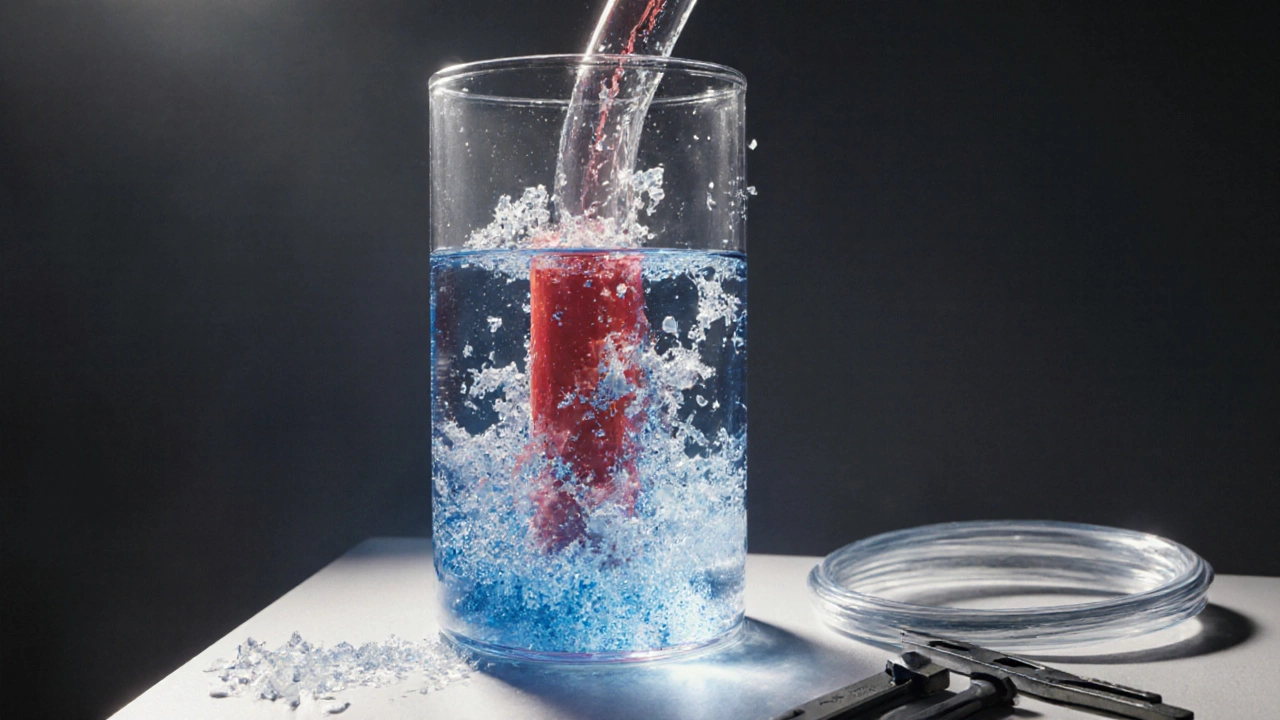
Sometimes the problem isn’t the heater at all-it’s the shower valve. This device blends hot and cold water to your desired temperature. Over time, the internal cartridge wears out or gets clogged with mineral deposits.Turn off the water supply to the shower. Remove the handle and trim plate. Pull out the cartridge (it looks like a plastic or brass cylinder). Soak it in white vinegar for an hour to dissolve buildup. Rinse and reinstall. If it’s cracked or warped, replace it. Cartridges cost $25-$60 depending on brand.
Test the shower after reassembly. If hot water comes back, the valve was the issue. If not, keep troubleshooting the heater.
Check for a broken dip tube
The dip tube is a long plastic pipe that sends cold water to the bottom of the tank so it can heat up. If it breaks, cold water gets dumped straight into the hot water outlet. That means you get a burst of hot water, then cold-right when you’re in the shower.Signs of a broken dip tube: sudden drop in hot water duration, white plastic flakes in your faucet aerators, or a heater that’s less than 10 years old but acting like it’s 20.
Replacing it requires draining the tank and removing the cold water inlet pipe. It’s not hard, but it’s messy. If you’re not comfortable, call a plumber. A new dip tube costs $15. Labor runs $150-$250 in New Zealand.
Consider the age and type of your water heater
Most storage tank water heaters last 8-12 years. If yours is older than 10, even if it’s still working, it’s nearing the end. Constant repairs add up. A new electric tank heater costs $800-$1,500 installed. A gas one runs $1,200-$2,000.Consider upgrading to a tankless water heater. They heat water on demand, last 20+ years, and use 30% less energy. They’re pricier upfront-$2,000-$3,500-but save money long-term. Many homeowners in Wellington switched after repeated breakdowns and saw their gas bills drop by 40%.
Also check if you have a heat pump water heater. These are common in newer homes. If the compressor fails, you lose hot water. The unit might still run, but it won’t heat. Error codes on the display can point to the issue. Consult the manual or call the installer.
Quick checklist: What to do first
- Check the circuit breaker or pilot light
- Flush the tank to remove sediment
- Verify thermostat settings (50-60°C)
- Test the shower mixing valve
- Look for white plastic flakes in taps (dip tube issue)
- Check the heater’s age-if over 10 years, consider replacement
If you’ve tried all these steps and still have no hot water, it’s time to call a licensed plumber. But in 8 out of 10 cases, one of the above fixes works. You don’t need to replace the whole system just because the shower went cold.
Prevent future problems
- Flush the tank every 6 months if you have hard water - Install a water softener if your water hardness is above 150 mg/L - Set the thermostat to 55°C-not higher - Replace the anode rod every 3-5 years (it prevents tank corrosion) - Keep the area around the heater clear and dryMost water heater failures are preventable. A little maintenance now saves a cold shower-and a big bill-later.
Why does my shower have hot water in the sink but not in the shower?
This usually means the problem is isolated to the shower’s mixing valve, not the water heater. The valve that blends hot and cold water in the shower may be clogged or worn out. Try cleaning or replacing the cartridge inside the valve. If other taps in the house have hot water, the heater is working fine.
Can a broken water heater cause low water pressure in the shower?
Not directly. But sediment buildup inside the tank can clog the outlet pipe or showerhead, reducing flow. If you notice low pressure along with no hot water, flush the tank and clean the showerhead. Remove the showerhead and soak it in vinegar for an hour to dissolve mineral deposits.
Is it safe to take a cold shower if my water heater is broken?
Yes, it’s safe. Cold showers won’t damage your plumbing or cause leaks. But if you notice water pooling around the heater or a strange smell, turn off the power and water supply immediately. That could mean a tank leak or gas issue that needs urgent attention.
How long should hot water last in a standard tank?
A standard 80-litre electric tank should give you 15-20 minutes of hot shower time, assuming no other taps are running. If you’re getting less than 10 minutes, the tank is likely undersized, damaged, or full of sediment. A 120-litre tank is better for households with multiple showers.
Should I turn off my water heater if I’m going on holiday?
Yes. Turn off the power or gas and shut the cold water inlet. This saves energy and reduces the risk of a tank leak while you’re away. For electric heaters, just flip the breaker. For gas, turn the thermostat to "pilot" or "vacation" mode if available.
I am an expert in the services industry with a focus on appliance repair. My passion lies in understanding how things work and educating others in simple, engaging ways. This enthusiasm fuels my writing, where I delve into topics around appliance maintenance and troubleshooting. I aim to make these subjects clear and accessible to all readers.