Most microwaves last 7-10 years, but usage and maintenance change this. Learn the signs of failure, repair costs, and tips to extend your appliance's life.
Got a microwave that’s humming weirdly, refuses to heat, or just stopped dead? You’re not alone. Most households run into at least one of these issues every few years. The good news? Many problems are easy to spot, and a professional repair can have your kitchen back in shape without breaking the bank.
First, let’s run through the most frequent culprits. If the turntable isn’t turning, it’s usually a broken motor or a worn‑out belt. A quick visual check of the belt (you’ll need to unplug the unit) often reveals cracks or looseness. Replacing a belt is a cheap DIY job, but if you’re not comfortable opening the cabinet, give us a call.
Second, the microwave might run but not heat. That’s a classic sign of a faulty magnetron – the part that actually creates the microwaves. Magnetrons are pricey and require careful handling because they store high voltage even when unplugged. If you hear a buzzing sound before the timer ends, it’s likely the magnetron giving up.
Third, the display or control panel could go dark. Most modern microwaves use a printed circuit board (PCB) that can fail due to moisture or power spikes. A simple reset—unplug for a minute, then plug back in—sometimes clears the glitch. If the screen stays blank, it’s time for a professional’s eye.
While some fixes are DIY‑friendly, microwaves hide dangerous high‑voltage components. Trying to replace a magnetron, capacitor, or high‑voltage transformer without proper training can lead to severe electric shock. If you notice any of these signs, call a specialist right away:
Our South Shields team knows the safety protocols and has the right tools to replace parts like magnetrons, door switches, and PCBs. We’ll diagnose the fault, give you a clear quote, and fix it on the spot—most repairs are done within an hour.
Another tip: keep the microwave clean and free of food splatters. Grease can seep into the vent and cause overheating, shortening the life of the transformer. Give the interior a quick wipe after each use, and check the vent grille quarterly for dust buildup.
Finally, don’t wait until the whole unit stops working. If you notice a slowdown—like longer cooking times or uneven heating—schedule a check‑up. Early repairs often cost less and extend the life of your appliance.
So, whether you’re dealing with a stuck turntable, a dead display, or a microwave that won’t heat, you’ve got clear steps to follow. Use the simple checks first, but remember that safety comes first. When in doubt, give South Shields Appliance Repair Services a call. We’ll get your microwave humming again, fast and affordably.
Most microwaves last 7-10 years, but usage and maintenance change this. Learn the signs of failure, repair costs, and tips to extend your appliance's life.
Wondering if fixing a broken microwave magnetron is worth the cost? We break down the prices, dangers, and when you should just buy a new one instead.
Learn how to safely determine if your microwave fuse is blown. This guide covers visual checks, multimeter testing, common causes of failure, and crucial safety tips for handling high-voltage components.
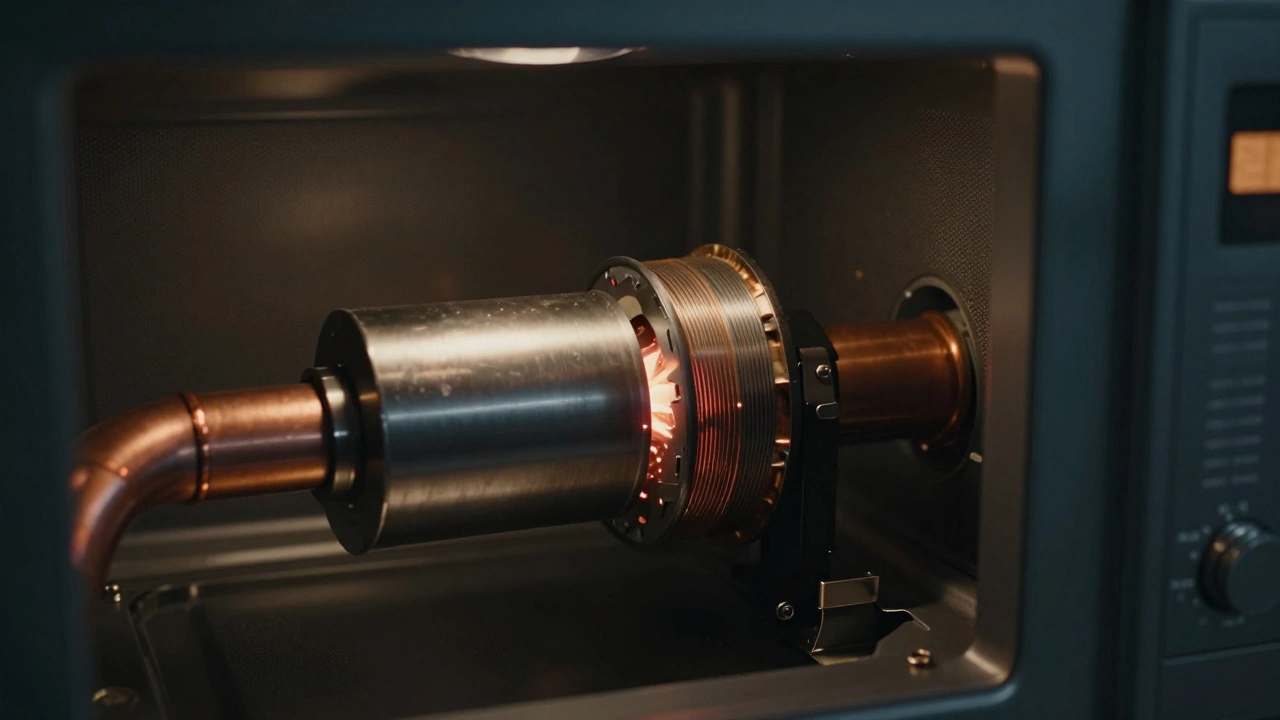
Discover what usually fails in a microwave oven. Learn about common issues with magnetrons, capacitors, and door switches, plus tips on when to repair versus replace your appliance.
Wondering why your microwave isn't heating? Learn the telltale symptoms of a bad magnetron, from strange noises to burning smells, and how to diagnose it.

Microwaves stop working for lots of reasons, but there’s one common culprit most folks don’t expect. This article covers the most frequent cause of microwave failure, how to recognize the warning signs, and simple tips to diagnose the problem at home. I’ll walk you through what typically breaks, what you can do yourself, and when it’s really time to call for backup. You’ll also pick up some straightforward advice for making your microwave last longer. If your microwave suddenly died, this guide will point you straight to the likely issue.

Wondering if you should tackle your own microwave repair? Microwaves can be tempting to fix yourself, but they hide some serious risks inside, from high-voltage parts to chemical dangers. This article breaks down what goes on inside a microwave, why repairs can be risky, and what jobs you might safely handle. You’ll get clear tips on spotting big red flags and when it’s time to call an expert. Get a reality check before unscrewing that cover.

Wondering if microwave ovens are simple to repair? This article explains what often goes wrong, which fixes you can handle yourself, and when it’s better to call in a pro. Get straight facts, practical advice, and clever tips about opening up that humming box. Make smart repair decisions and avoid getting zapped in the process. Save time, money, and maybe even your favorite leftovers.