Water Heater Health Check
How's Your Water Heater Doing?
Answer these 5 questions to get a personalized assessment of your water heater's condition.
Most water heaters last 8 to 12 years, but many fail way before that-not because they’re poorly made, but because a few key parts wear out faster than people expect. If your hot water suddenly runs cold, makes strange noises, or leaks under the tank, you’re not alone. These aren’t rare glitches. They’re the same five problems that show up in over 80% of water heater repairs today.
The Anode Rod Is the First to Go
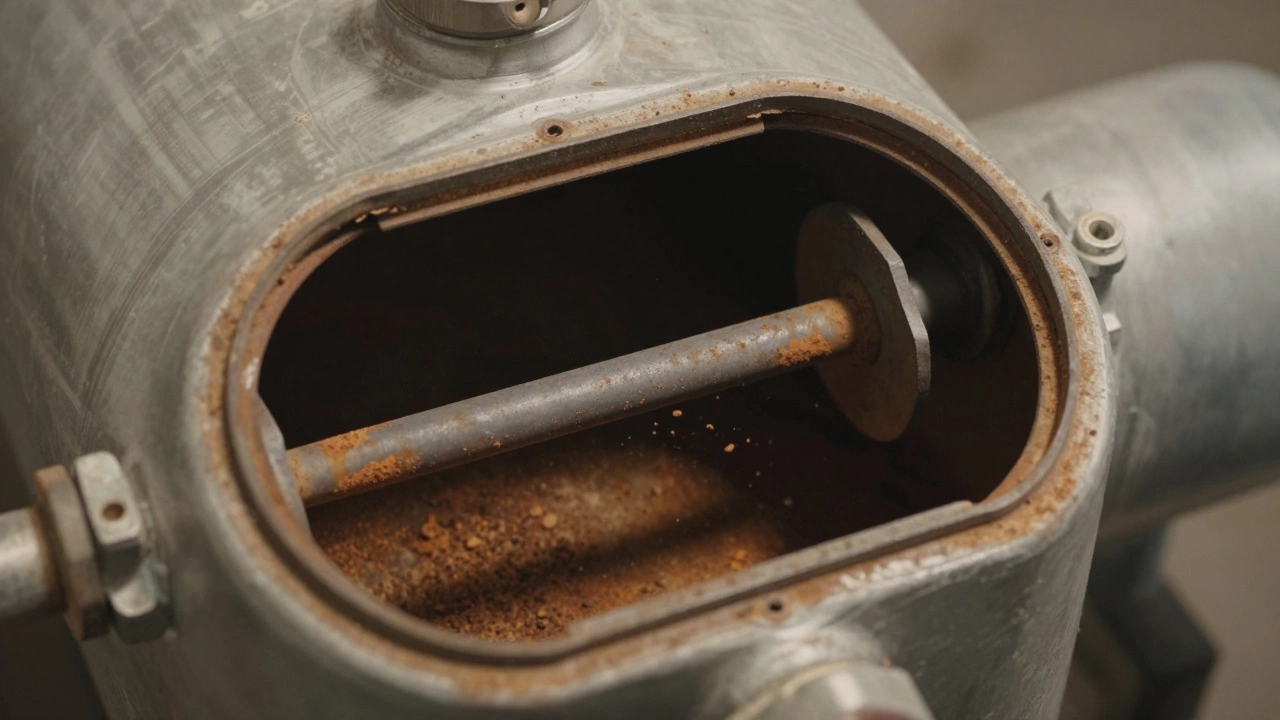
The anode rod is the unsung hero inside your water heater. It’s a long metal stick-usually aluminum, magnesium, or zinc-that sits at the top of the tank and slowly sacrifices itself to protect the steel tank from rust. Think of it like a shield that takes the hits so the tank doesn’t have to.
But here’s the catch: once that rod is gone, the tank starts corroding from the inside. You won’t see it coming. No warning signs. No leaks at first. Just a slow, silent death. By the time water starts tasting metallic or you see rust-colored water, the tank is already damaged. Most manufacturers recommend checking the anode rod every 3 to 5 years. If it’s thinner than a pencil, replace it. Skip this, and you’re just buying time before a full tank replacement.
Heating Elements Burn Out (Electric Models)
If you have an electric water heater, the heating elements are the most common failure point. These are the metal coils that sit inside the tank and heat the water. They don’t last forever. Hard water, mineral buildup, and power surges all shorten their life.
When one element dies, you might still get some hot water-but not enough. You’ll notice lukewarm showers, especially in the morning. If both elements go, you get cold water from the tap. The fix is simple: replace the element. But here’s what most people miss: if you replace just one element and the other is old, the new one will overwork and burn out faster. Always replace both at the same time if your heater is over 6 years old.
And don’t forget to turn off the power before you touch anything. A live heating element can deliver a deadly shock-even if the water is cold.
Thermostats Get Out of Sync
Thermostats control when the heating elements turn on and off. Over time, they drift. One might think the water is 120°F when it’s actually 90°F. That’s why you get inconsistent hot water-sometimes it’s scalding, sometimes it’s barely warm.
Older models have two thermostats (upper and lower), and they can get out of sync with each other. A faulty upper thermostat means no hot water at all. A bad lower one means you get a small amount of hot water before it runs out. Testing them takes a multimeter and a little patience. If you’re not comfortable with electrical work, call a pro. But if you are, replacing a thermostat costs under $30 and takes less than an hour.
Pressure Relief Valve Fails (And It’s a Safety Risk)
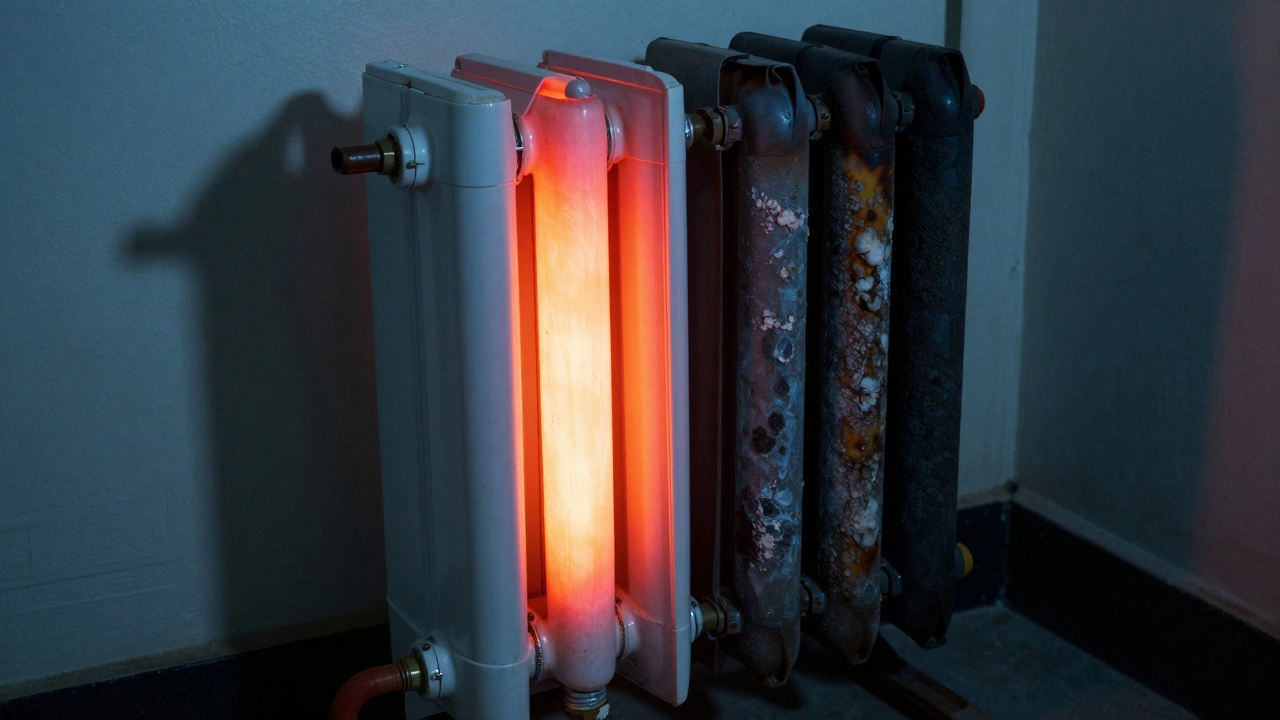
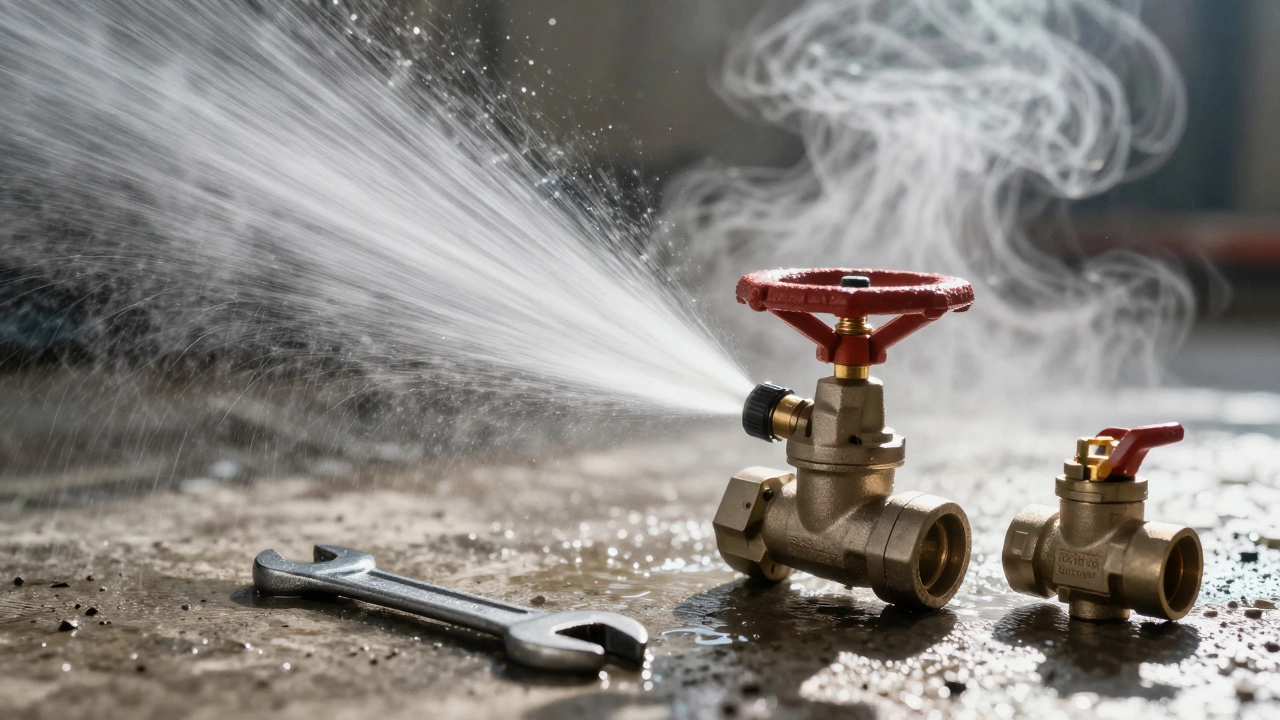
The pressure relief valve is your water heater’s emergency brake. It opens automatically if pressure or temperature gets too high-preventing explosions. Yes, water heaters can explode. It’s rare, but it happens when this valve is clogged or stuck.
Most people never check it. They don’t even know it’s there. But you should test it every 6 months. Lift the lever slightly. You should hear a rush of water and steam. If nothing comes out, or if it drips constantly after, the valve is bad. Don’t wait for it to fail under pressure. Replace it. It costs $20 and takes 15 minutes. A working relief valve is the difference between a minor repair and a household disaster.
Leaking Tank or Connections
Leaking water heaters are the most obvious sign something’s wrong. But not all leaks are the same. A drip from the pipes or valves? That’s easy. Tighten or replace the fitting. But if water is pooling under the tank itself? That’s the tank corroding from the inside.
Once the tank leaks, there’s no fix. No patch, no sealant, no miracle product. The tank is done. You need a full replacement. And if you’ve had the same water heater for 10+ years, that’s not surprising-it’s expected. The average tank lasts 8 to 12 years. If you’re past that, a leak is a sign you’ve been running on borrowed time.
Some people try to save money by ignoring a small leak. But water damage to your floor, drywall, or basement can cost thousands. Better to replace it before the leak turns into a flood.
What to Do When Your Water Heater Fails
So your water heater broke. What now?
- Turn off the power (electric) or gas supply (gas model).
- Shut off the cold water inlet valve.
- Drain the tank using the drain valve at the bottom (attach a hose to a floor drain or outside).
- Call a licensed plumber or HVAC technician.
Don’t try to fix a leaking tank yourself. Don’t ignore strange noises like popping or rumbling-that’s sediment buildup, and it’s a sign of long-term neglect. And don’t assume your new water heater will last as long as the old one. If you have hard water, install a water softener. If you never maintained your old one, don’t repeat the mistake.
Preventative Tips to Make Your Water Heater Last Longer
- Flush the tank every 6 to 12 months to remove sediment. Just open the drain valve and let water run until it’s clear.
- Set the temperature to 120°F. Higher settings speed up corrosion and waste energy.
- Install a water softener if your water has high mineral content.
- Check the anode rod every 3 years. Replace it when it’s 50% worn.
- Test the pressure relief valve twice a year.
These steps don’t cost much. But they can add 3 to 5 years to your water heater’s life-and save you from a cold shower in the middle of winter.
When to Replace Instead of Repair
Not every problem needs a full replacement. But here are the clear signs you’re past the point of no return:
- Water pooling under the tank (tank corrosion)
- More than two major parts replaced in the last year
- Heater is over 10 years old and you’re having frequent issues
- High energy bills despite no changes in usage
- Discolored or smelly water that doesn’t improve after flushing
If any of these apply, replacement is cheaper in the long run. A new water heater is more efficient, safer, and quieter. Modern models use 20-30% less energy than those made 10 years ago. You’ll save money every month.
Why does my water heater make popping sounds?
Popping or rumbling sounds mean sediment has built up at the bottom of the tank. As water heats, it gets trapped under the sediment and boils, creating noise. Flushing the tank removes most of it. If the noise returns quickly, you likely have hard water. Installing a water softener helps prevent future buildup.
Can I replace the anode rod myself?
Yes, if you’re comfortable with basic tools. Turn off the water and power, drain a few gallons from the tank, and unscrew the old rod with a socket wrench. Most rods are accessible through the top of the tank. Buy a replacement that matches the original material (magnesium is best for soft water, aluminum for hard water). Reinstall and refill the tank. It takes under an hour.
Why is my hot water rusty?
Rusty water usually means the inside of the tank is corroding. This happens when the anode rod is completely worn out and the tank metal is exposed to water. Flushing won’t fix it. If the rust is consistent and you’re over 8 years old, replacement is your best option. Rust can also come from old pipes, so check your faucets-if only the hot water is rusty, the heater is the source.
Should I switch to a tankless water heater?
Tankless heaters save energy and last longer-up to 20 years. But they cost 2 to 3 times more to install and need electrical or gas upgrades. If you use a lot of hot water at once (multiple showers, dishwasher, laundry), a tankless might struggle. For small homes or low usage, they’re great. For large families, a high-efficiency tank model might be more practical and affordable.
How do I know if my water heater is gas or electric?
Look at the bottom of the unit. If you see a blue flame and a gas line connected, it’s gas. If you see a power cord and no gas pipe, it’s electric. Gas models have a vent pipe on top; electric models have a control panel with thermostats. If you’re unsure, check the label on the front-it will say "Gas" or "Electric" clearly.
Final Thought: Maintenance Saves Money
Water heaters don’t break because they’re broken. They break because they’re ignored. The parts that fail-rod, elements, valve-are cheap to replace. The tank isn’t. A $50 anode rod keeps you from paying $1,200 for a new tank. A 15-minute flush prevents a $3,000 water damage claim. This isn’t about being a handy person. It’s about being smart. Your water heater works every day, quietly, without complaint. The least you can do is check on it once a year.
I am an expert in the services industry with a focus on appliance repair. My passion lies in understanding how things work and educating others in simple, engaging ways. This enthusiasm fuels my writing, where I delve into topics around appliance maintenance and troubleshooting. I aim to make these subjects clear and accessible to all readers.