Water Heater Anode Rod Replacement Calculator
Enter Your Details
Your Maintenance Plan
Enter your details to see when you should replace your anode rod and how much money you can save.
Most people think their water heater is a set-it-and-forget-it appliance. You turn it on, you get hot water, and that’s it. But inside that steel tank, a silent battle is raging every single day. Without intervention, your tank will rust through from the inside out, leading to catastrophic leaks that can flood your home. The hero of this story is a small, often overlooked component called the sacrificial anode.
The big question isn’t just whether you should replace it, but when. If you wait too long, the anode does its job by dying so your tank doesn’t have to. If you replace it too early, you’re wasting money. Getting the timing right saves you thousands in premature tank replacements.
What Is an Anode Rod and Why Does Your Tank Need It?
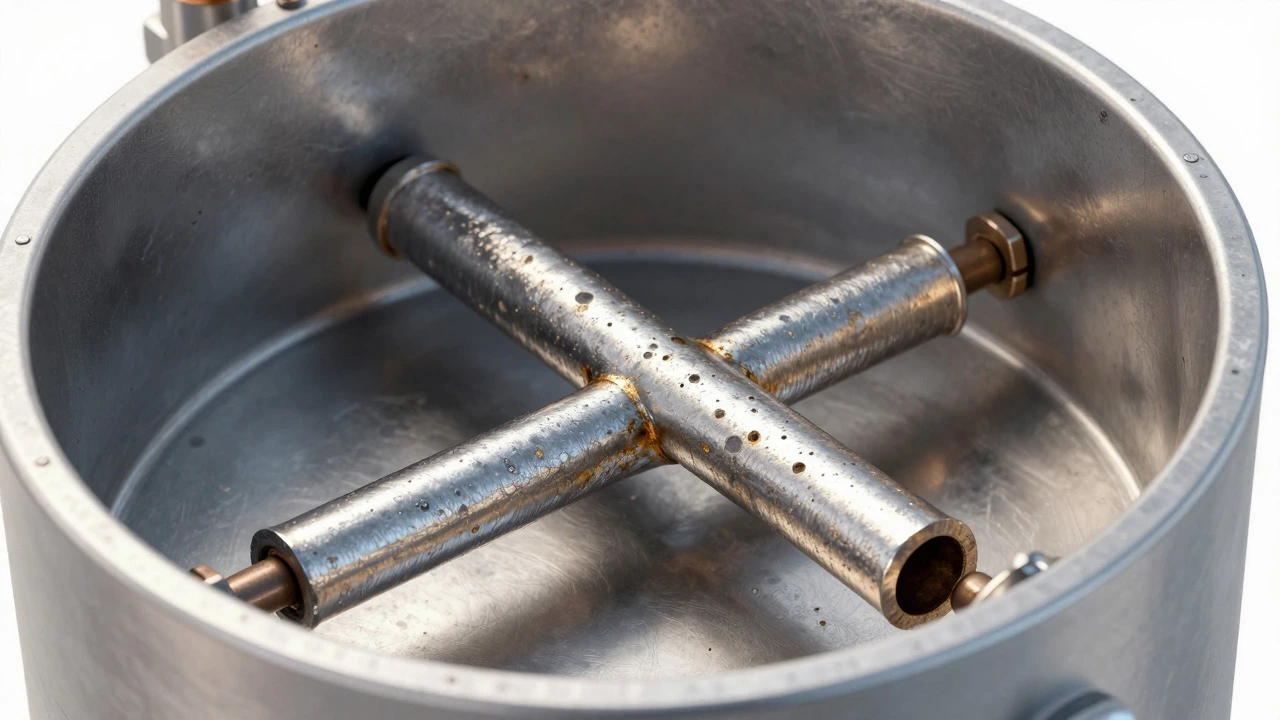
To understand the replacement schedule, you first need to know what the part actually does. Inside your water heater tank, there is a metal rod made of magnesium, aluminum, or zinc. This is the anode rod. It is connected to the tank via a wire, creating a simple electrical circuit with the water acting as the conductor.
This setup relies on a principle called galvanic corrosion. In any environment where two different metals are present in an electrolyte (like water), one metal will corrode faster than the other. The anode rod is designed to be more "active" or reactive than the steel tank. Essentially, the water attacks the anode rod instead of the tank walls. It sacrifices itself to save the vessel holding your hot water.
Think of it like a lightning rod for rust. As long as the anode has material left to give, your steel tank remains safe. Once the anode is completely consumed-turned into sludge and sediment-the water starts eating away at the steel lining of the tank. That is when leaks begin.
The General Rule: When to Schedule Replacement
If you want a straight answer without diving into water chemistry, here is the baseline rule: inspect your anode rod every three years and replace it every five years. However, this is a rough average. The actual lifespan depends heavily on three factors: the type of anode material, the quality of your local water, and the temperature settings of your heater.
In areas with soft water (low mineral content), an anode can last up to ten years because there are fewer minerals to accelerate the corrosion process. In hard water areas, which is common in many parts of New Zealand and North America, the rod may dissolve in as little as three to four years. If you live in Wellington, where water hardness varies by suburb, leaning toward the three-year inspection mark is wise.
High temperatures also speed up the degradation process. Every degree above 120°F (49°C) increases the rate of chemical reactions, including corrosion. If you run your water heater at 140°F (60°C) or higher, expect to replace the anode more frequently.
Signs Your Anode Rod Needs Immediate Attention
You don’t always have to guess. Your water heater often gives you clues that the anode is failing or has already failed. Watch for these specific symptoms:
- Rusty or Discolored Hot Water: If your hot water looks brownish or reddish, but your cold water is clear, the internal tank lining may be starting to rust. This usually means the anode is gone.
- Popping or Cracking Noises: While some noise is normal due to sediment buildup, excessive popping can indicate heavy mineral deposits coating the anode, preventing it from working effectively.
- Decreased Heating Efficiency: If it takes longer to heat water or you run out of hot water faster, sediment from the dissolved anode might be insulating the heating elements or burner.
- Visible Leaks Around the Base: This is the late stage. If water is pooling under the tank, the corrosion has likely breached the steel. At this point, replacing the anode won’t help; you need a new tank.
How to Inspect Your Anode Rod Yourself
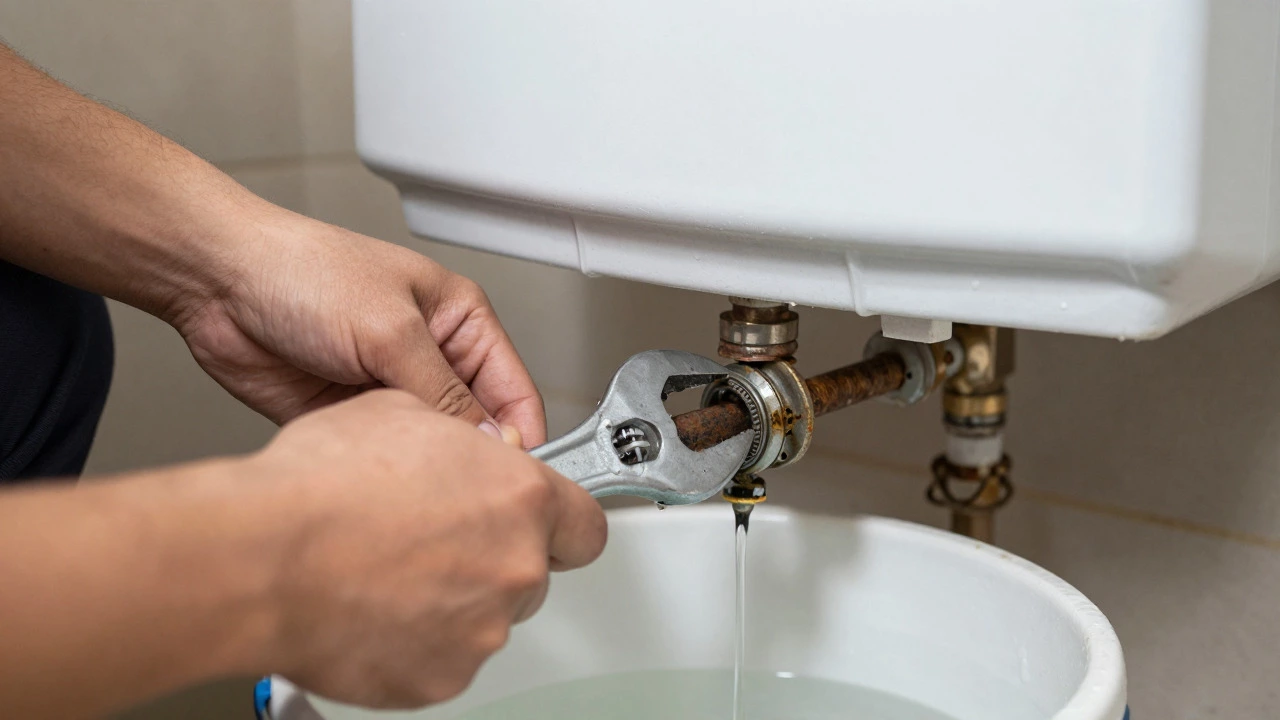
Checking the condition of your anode rod is one of the most cost-effective maintenance tasks you can perform. It requires basic tools: a wrench (usually 7/8-inch or 1-1/16-inch depending on the brand), a bucket, and rags. Here is how to do it safely:
- Turn Off the Power: For electric heaters, switch off the breaker. For gas heaters, turn the gas valve to "Pilot" or "Off."
- Cut the Water Supply: Close the cold water inlet valve located at the top of the tank.
- Drain Some Water: Attach a garden hose to the drain valve at the bottom of the tank and run it to a floor drain or outside. Open the valve and let a few gallons out. You only need to lower the water level below the anode port, which is typically near the top.
- Remove the Anode: Locate the anode rod fitting (it looks like a large pipe nipple sticking out of the top). Use your wrench to loosen it. Be prepared for some water to spill out, hence the bucket.
- Inspect the Core: Pull the rod out. Look at the central steel core. If the core is visible and thin, or if the surrounding material is less than half an inch thick, it needs replacement. If the rod is intact and thick, you can put it back.
- Reassemble: Apply Teflon tape to the threads of the new or existing rod, screw it back in, tighten it securely, close the drain valve, refill the tank, and restore power/gas.
Magnesium vs. Aluminum vs. Titanium: Choosing the Right Rod
Not all anode rods are created equal. The material you choose affects both longevity and performance. Understanding these differences helps you pick the best option for your specific water conditions.
| Material | Lifespan | Best For | Drawbacks |
|---|---|---|---|
| Magnesium | 3-5 Years | Soft water, high protection | Dissolves quickly in hard water; can cause sulfur smells |
| Aluminum | 5-7 Years | Hard water, standard use | Less protective than magnesium; prone to pitting |
| Zinc-Aluminum Hybrid | 5-8 Years | Reducing water (sulfur smell) | Can fail prematurely in very hard water |
| Titanium (Powered) | 10+ Years | Long-term protection, low maintenance | Higher upfront cost; requires battery/power source |
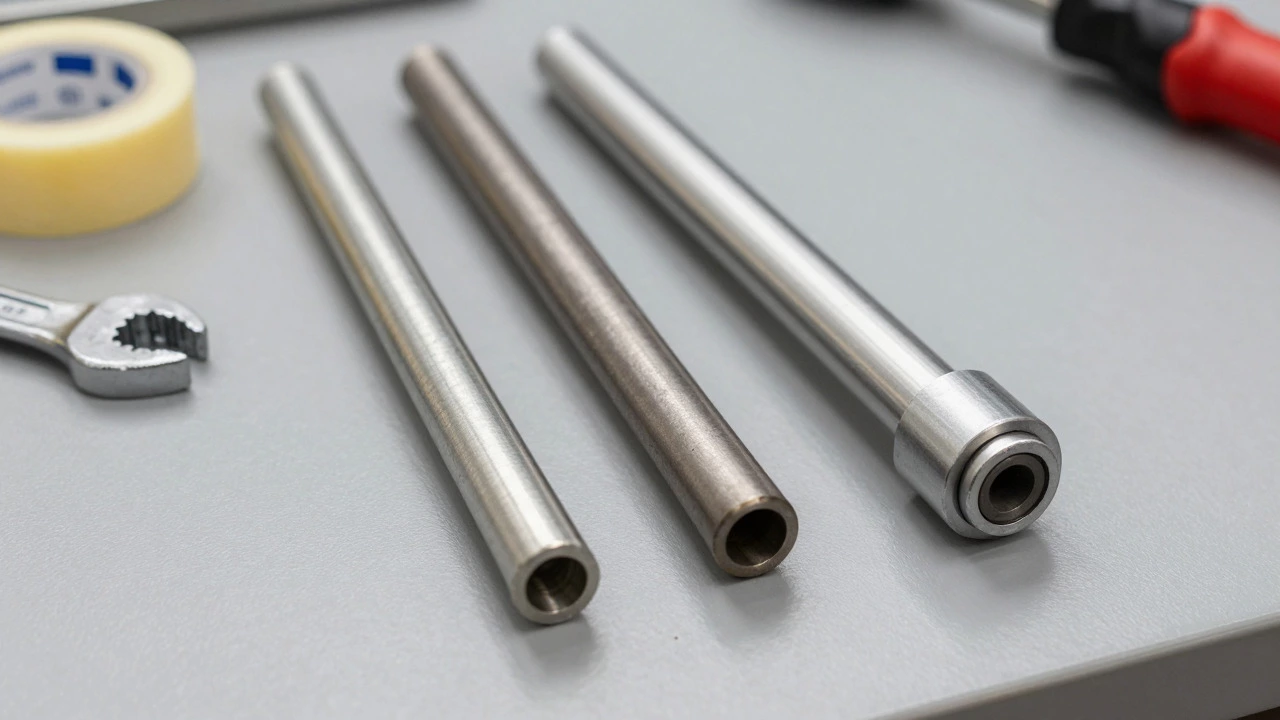
Magnesium rods are the most aggressive protectors. They sacrifice themselves rapidly, offering maximum protection for the tank. However, in hard water, they form a crusty shell of minerals that stops them from working. If you have hard water, an aluminum rod is often a better choice because it lasts longer and resists scaling better, even though it offers slightly less protection per year.
Titanium anodes are a newer technology. Instead of being consumed, they act as a cathode in an impressed current system. They require a small battery or connection to the house electricity to send a charge into the water. While expensive upfront, they can last the entire life of the water heater, making them ideal if you plan to keep your unit for 15+ years.
Common Mistakes That Void Warranties
Many homeowners don’t realize that neglecting anode rod maintenance can void their manufacturer’s warranty. Most major brands, including Rheem, Rinnai, and Bradford White, specify that the owner must inspect the anode rod regularly. If your tank fails due to corrosion and you cannot prove you maintained the anode, the warranty claim may be denied.
Another common mistake is using the wrong thread size or sealing compound. Using standard plumber’s paste on the threads can sometimes interfere with the electrical conductivity needed for the sacrificial process. Stick to PTFE tape (Teflon tape) which is non-conductive but thin enough not to block the connection significantly, or follow the specific instructions provided with the replacement rod.
Cost-Benefit Analysis: Is It Worth It?
Let’s look at the numbers. A replacement anode rod costs between $20 and $50 depending on the material. Labor, if you hire a professional, might add another $100 to $150. So, total maintenance cost is roughly $150 every five years.
A new water heater, installed, typically costs between $1,500 and $3,000. If you skip anode maintenance, you risk shortening the tank’s life from 15 years to 8 years. Over a 15-year period, skipping maintenance could mean buying two heaters instead of one. The math is clear: spending $150 every few years is a no-brainer compared to a $2,000 emergency replacement.
Additionally, regular flushing of the tank to remove sediment works in tandem with anode replacement. Sediment traps heat against the bottom of the tank, causing stress cracks. Combining anode replacement with a tank flush provides the highest level of protection.
Special Considerations for Well Water and Municipal Systems
Where your water comes from changes everything. Municipal water systems often treat water with chlorine or chloramines, which can accelerate corrosion. If you notice a strong chemical smell or rapid degradation of the anode, consider switching to a titanium rod or installing a whole-house filtration system to reduce chlorine levels before the water enters the heater.
Well water presents different challenges. It often contains higher levels of iron, manganese, and hardness minerals. Iron bacteria can coat the anode, rendering it useless. In these cases, frequent inspections (annually) are crucial. You may also need to shock the well or install a specific filtration media to keep the anode clean and effective.
What happens if I never replace the anode rod?
If you never replace the anode rod, it will eventually dissolve completely. Once the rod is gone, the steel tank becomes the most active metal in the system. Corrosion will begin attacking the tank walls from the inside out. This usually leads to pinhole leaks within 2-5 years after the anode fails, resulting in a flooded basement or laundry room and the need for a full tank replacement.
Can I replace the anode rod myself?
Yes, replacing an anode rod is a DIY-friendly task for most homeowners. It requires basic hand tools and careful attention to safety regarding electricity and gas. However, if the rod is seized due to age or mineral buildup, you may need penetrating oil and extra leverage, which can risk damaging the tank threads. If you are unsure, hiring a professional is safer.
Does my water heater warranty cover anode rod replacement?
Typically, no. Most manufacturers classify the anode rod as a maintenance part, similar to a filter in an HVAC system. The warranty covers defects in materials and workmanship of the tank and components, but not wear-and-tear items that require periodic replacement. Check your specific manual, as some premium models may offer limited coverage.
Why does my hot water smell like rotten eggs?
A rotten egg smell is often caused by sulfate-reducing bacteria reacting with a magnesium anode rod. These bacteria thrive in warm, dark environments and produce hydrogen sulfide gas. Switching to an aluminum-zinc hybrid anode or a powered titanium anode can eliminate this smell, as these materials do not feed the bacteria in the same way.
How do I know if my anode rod is bad?
You need to physically remove the rod to check it. Visually, a good rod has a thick layer of sacrificial material covering the central steel core. A bad rod will show the thin steel wire core exposed, or the remaining material will be less than half an inch thick. If the rod is encrusted with hard minerals, it may look thick but still be ineffective.
I am an expert in the services industry with a focus on appliance repair. My passion lies in understanding how things work and educating others in simple, engaging ways. This enthusiasm fuels my writing, where I delve into topics around appliance maintenance and troubleshooting. I aim to make these subjects clear and accessible to all readers.