Water Heater Repair vs. Replacement Calculator
Enter Your Details
Analysis Results
Enter your details and click analyze to see if it's worth fixing your water heater.
You wake up for your morning shower, turn the handle, and instead of warm relief, you get a blast of ice-cold water. Or maybe your water bill has been creeping up for months without explanation. The culprit is likely your water heater, which provides hot water for domestic use through heating elements or gas burners. If that unit is sitting in your utility closet or garage for two decades, you are standing at a critical crossroads. Do you call a plumber to patch it up, or do you rip it out and install a new one?
The short answer is almost always no. Fixing a twenty-year-old water heater is rarely worth the investment. However, understanding *why* requires looking beyond just the price tag of a repair part. We need to look at safety, energy waste, and the hidden costs of holding onto aging infrastructure.
The Lifespan Reality Check
To make an informed decision, we first have to understand what we are dealing with. Most standard tank-style water heaters are designed with a finite lifespan. Manufacturers typically rate these units for ten to fifteen years of service. Hitting the twenty-year mark means your unit is operating well past its expiration date, much like driving a car with two hundred thousand miles on it.
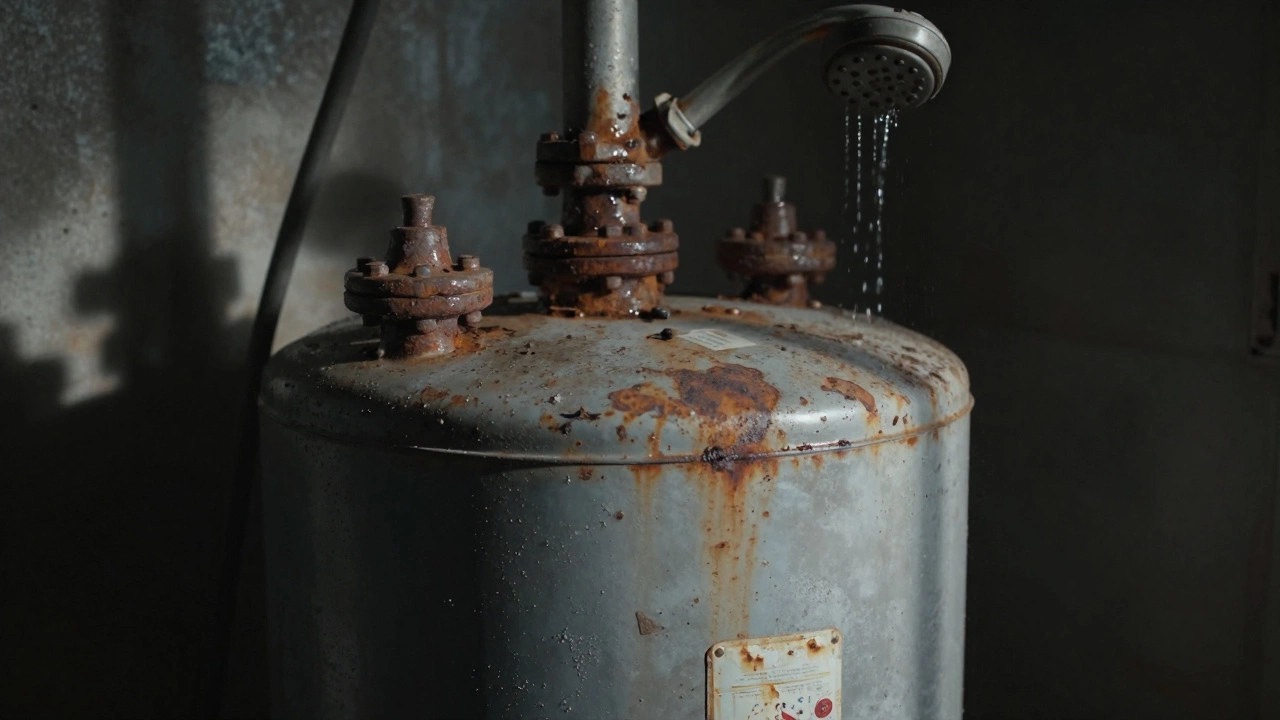
Inside that tank, corrosion is not just happening; it has been happening every single day since installation. The glass lining inside the steel tank degrades over time. Once that lining cracks, the water eats away at the steel. This leads to pinhole leaks, sediment buildup, and eventual failure. When a technician tells you a twenty-year-old unit is "at the end of its life," they aren't guessing. They are stating a mechanical fact based on material science.
- Gas Tank Water Heaters: Average lifespan is 8-12 years.
- Electric Tank Water Heaters: Average lifespan is 10-15 years.
- Tankless Water Heaters: Average lifespan is 20+ years (but different failure modes).
If you have a traditional tank unit from 2006, it is statistically overdue for retirement. Pushing it further increases the risk of catastrophic failure, which can flood your home and cause tens of thousands of dollars in damage.
The Cost Trap: Repair vs. Replacement
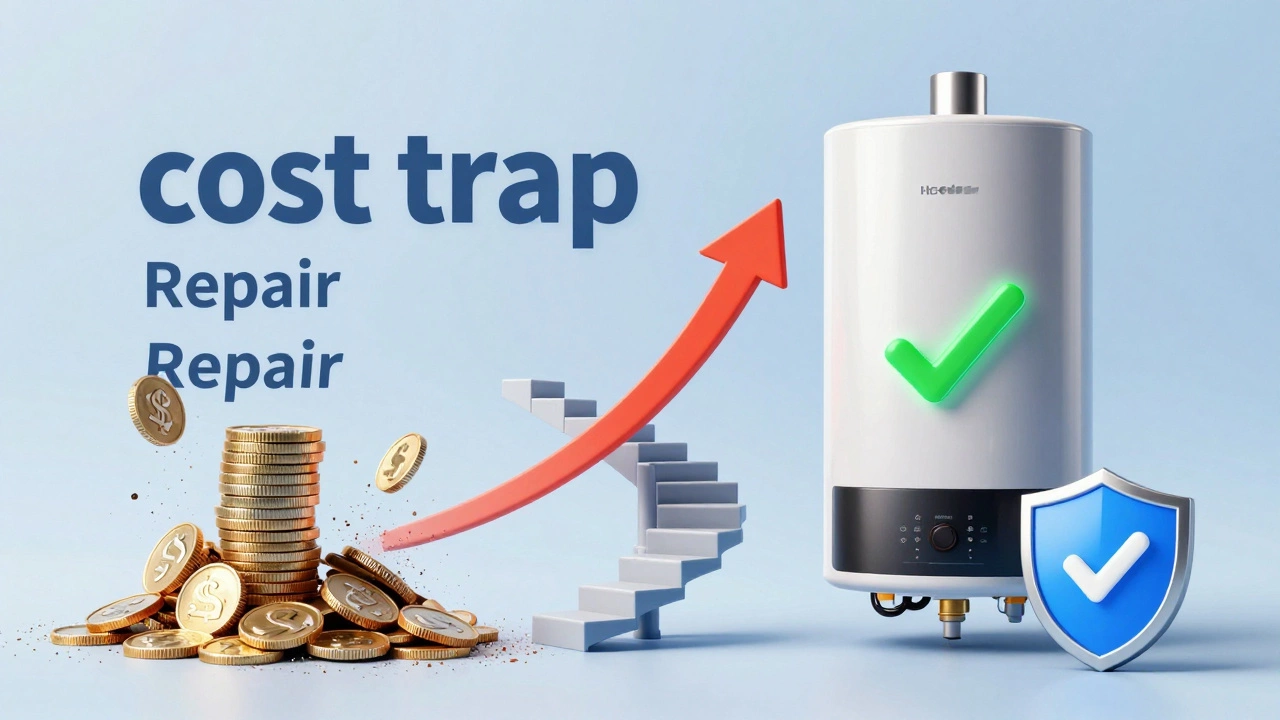
Let’s talk numbers. This is where most homeowners get stuck. A repair might cost $200 to $400. A new unit plus installation might run $1,200 to $2,500 depending on fuel type and region. On the surface, repairing seems cheaper. But this is a false economy.
Consider the "death spiral" of old appliances. When a twenty-year-old water heater fails, it is rarely just one part. The thermostat goes, then the heating element, then the dip tube rots. You fix the thermostat today. Next month, the pressure relief valve sticks. Six months later, the tank itself leaks. You end up spending more on cumulative repairs than you would have on a new unit, plus you suffer repeated inconvenience.
| Factor | Repair (20-Year-Old Unit) | Replace with New Unit |
|---|---|---|
| Immediate Cost | $200 - $400 | $1,200 - $2,500 |
| Labor Risk | High (May need multiple visits) | Low (One-time installation) |
| Warranty Coverage | None (Unit is obsolete) | 6-12 Years (Parts & Labor) |
| Energy Efficiency | Poor (Sediment buildup) | High (Modern standards) |
| Safety Risk | Very High (Corrosion/Gas leaks) | Minimal (New safety features) |
Think about it this way: if you spend $300 fixing a unit that has a 50% chance of failing again within six months, you are essentially gambling with your budget. With a new unit, you buy peace of mind and a warranty that covers exactly those failures.
Energy Efficiency and Rising Bills
Water heating is often the second-largest energy expense in a household, accounting for roughly 18% of energy bills. A twenty-year-old unit is incredibly inefficient compared to modern standards. Over two decades, sediment-calcium, magnesium, and other minerals from hard water-has settled at the bottom of the tank. This layer of sludge acts as an insulator between the burner (or element) and the water.
Your heater has to work harder and longer to heat the water through that sludge. In some cases, owners report paying 20% to 30% more for gas or electricity because their old heater is running constantly to maintain temperature. Modern energy-efficient water heaters meet stricter government regulations for thermal efficiency and standby loss reduction. Many new models feature better insulation, improved combustion technology, or even heat pump integration.
If you live in Wellington, New Zealand, where winters are damp and cold, keeping your water hot efficiently matters. Upgrading to a high-efficiency model can pay for itself in energy savings within three to five years. That is money back in your pocket, not lost to an ancient, leaking appliance.
Safety Concerns with Aging Units
This is the most critical factor. Safety should never be secondary to cost. Two major risks come with twenty-year-old water heaters: carbon monoxide poisoning and flooding.
For gas units, the burner assembly degrades. Cracks can develop in the heat exchanger. If combustion gases leak into the air circulating your home, you risk exposure to carbon monoxide, an odorless, deadly gas. Older units also lack the advanced oxygen depletion sensors found in newer models. Even if you have detectors installed, preventing the leak at the source is far superior.
For all tank units, the risk of rupture remains. As mentioned, corrosion weakens the tank walls. While modern tanks have Temperature and Pressure Relief (TPR) valves to prevent explosions, a failed valve or a cracked tank can lead to massive water discharge. Imagine waking up to inches of water in your basement or garage. The cleanup costs alone can exceed the price of a new heater. Plus, the structural damage to drywall, flooring, and electrical systems is devastating.
When Might Repair Make Sense?
Are there any exceptions? Yes, but they are rare. You might consider a minor repair if:
- The issue is external: If the problem is a loose wire, a faulty thermostat switch, or a bad TPR valve that is easily accessible and inexpensive, and the tank itself shows no signs of rust or leakage, a quick fix might extend life by a few months.
- Budget is absolutely constrained: If you cannot afford a replacement right now, a temporary repair keeps you functional. But treat it as a stopgap, not a solution. Schedule the replacement immediately.
- You are selling the house soon: Sometimes, buyers require a working heater for inspection. A cheap repair might satisfy the inspector, though disclosing the age is usually required.
If the tank is leaking, the anode rod is completely gone, or you see rust in your hot water taps, skip the repair. Those are terminal symptoms.
Choosing the Right Replacement
If you decide to replace-and you should-you have options. Stick with a conventional tank if you want lower upfront costs and reliable performance. Look for units with a sacrificial anode rod that is accessible for future maintenance.
Consider a tankless water heater if you want endless hot water and higher efficiency. These units heat water on demand, eliminating standby losses. They last longer (20+ years) but cost more upfront and may require upgrading your gas line or electrical panel. In colder climates like New Zealand's south island, ensure the unit is rated for low inlet temperatures.
Heat pump water heaters are another emerging option. They pull heat from the surrounding air to warm the water, using up to 60% less electricity than standard resistance heaters. They are ideal if you have space in a garage or utility room, as they release cool air as a byproduct.
Next Steps for Homeowners
Don’t wait for the cold shower or the flood. Inspect your unit now. Look for rust around the base, check the date of manufacture on the label, and listen for popping sounds (which indicate heavy sediment). If your unit is twenty years old, start saving for a replacement. Contact local plumbers for quotes on both repair and replacement to see the real gap. You will likely find that the investment in a new system pays off in safety, efficiency, and reliability.
How long does a typical water heater last?
Most tank-style water heaters last between 8 and 15 years. Gas units tend to lean toward the shorter end (8-12 years), while electric units often reach 10-15 years. Tankless models can last 20 years or more with proper maintenance.
What are the signs my water heater is failing?
Key signs include rusty or discolored hot water, strange noises (popping or rumbling), inconsistent water temperature, leaks around the base, and a sudden increase in energy bills. If you see any of these, especially on an older unit, plan for replacement.
Is it safe to keep a 20-year-old water heater?
It is risky. At 20 years, the internal tank is likely corroded, increasing the chance of leaks or rupture. Gas units pose additional risks of carbon monoxide leaks due to degraded burners or heat exchangers. Regular inspections are crucial, but replacement is safer.
How much does it cost to replace a water heater?
The total cost varies by location and type. In many regions, a standard tank replacement runs $1,200 to $2,500 including labor. Tankless or heat pump models can cost $2,500 to $5,000+. Always get multiple quotes from licensed plumbers.
Can I extend the life of my water heater?
Yes, by flushing the tank annually to remove sediment, checking the anode rod every few years, and ensuring the temperature and pressure relief valve works correctly. However, these measures slow aging; they do not stop it indefinitely.
I am an expert in the services industry with a focus on appliance repair. My passion lies in understanding how things work and educating others in simple, engaging ways. This enthusiasm fuels my writing, where I delve into topics around appliance maintenance and troubleshooting. I aim to make these subjects clear and accessible to all readers.