Water Heater Repair vs. Replacement Calculator
Enter Your Water Heater Details
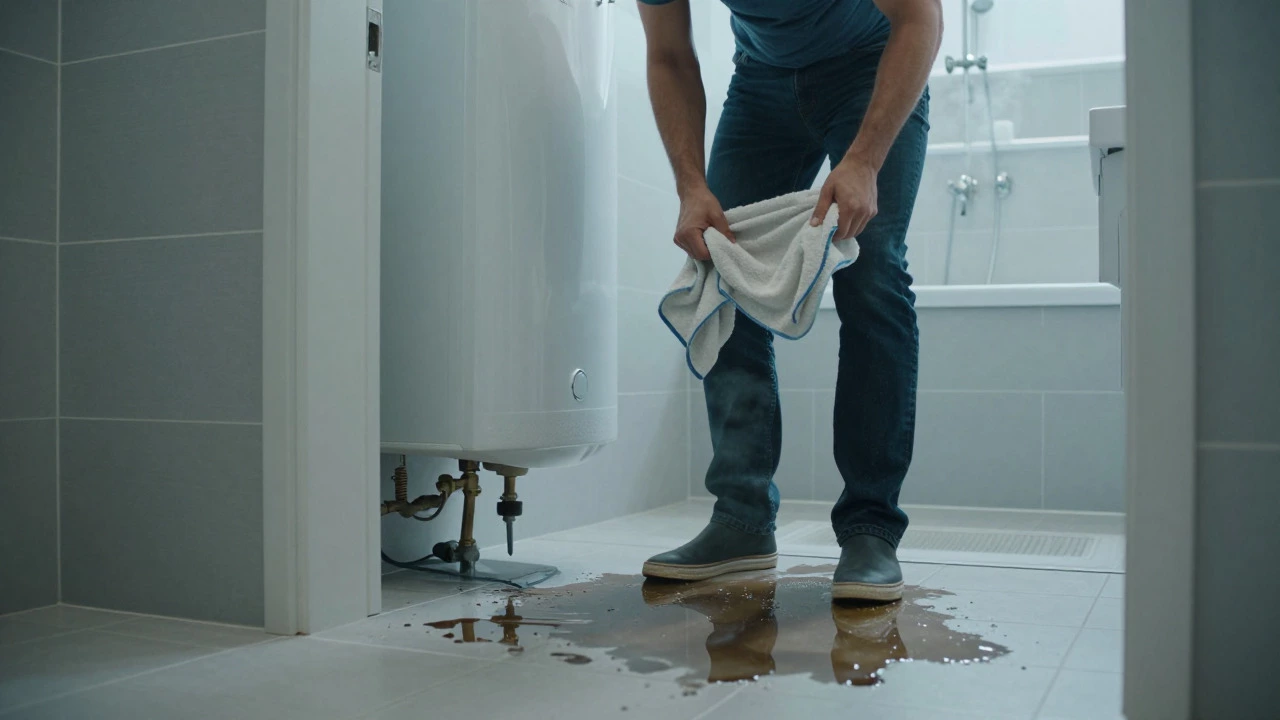
Imagine stepping out of the shower with ice-cold water cascading down your back. Or worse, discovering a puddle expanding across your bathroom floor while you’re trying to get ready for work. These are the moments when every homeowner faces a stressful decision: fix it or replace it? The question isn't just about comfort; it’s about money, safety, and long-term planning. Hot water heater repair is the process of diagnosing and fixing issues within domestic water heating systems to restore functionality. However, spending hundreds on a repair might be throwing good money after bad if your unit is near the end of its life.
In this guide, we’ll cut through the noise. We won’t just tell you to call a plumber. We’ll give you the specific signs, costs, and logic you need to make the right choice for your home in 2026. Whether you have a traditional storage tank or a modern tankless system, understanding the economics of repair versus replacement can save you thousands.
The Age Factor: When Time Runs Out
The single most important factor in deciding whether to repair your water heater is its age. Think of a water heater like a car engine. You wouldn’t spend $3,000 repairing the transmission of a 20-year-old sedan that has 300,000 miles on it. You’d buy a new one. The same logic applies here.
Storage tank water heaters typically last between 8 to 12 years. If your unit is older than 10 years, the odds are stacked against you. Components wear out simultaneously. The anode rod corrodes, the heating elements degrade, and the tank itself begins to weaken from the inside out. Even if you fix the immediate problem today, another part will likely fail within months.
Tankless water heaters generally have a longer lifespan, often reaching 15 to 20 years. However, they require more maintenance, such as annual descaling, to reach that age. If your tankless unit is over 15 years old and showing symptoms, replacement is usually the smarter financial move due to improved efficiency standards in newer models.
- Under 6 years old: Lean towards repair. The unit has significant life left.
- 6 to 10 years old: Evaluate the cost. If the repair is under $300, it might be worth it. If it’s more, consider replacement.
- Over 10 years old (tank) / Over 15 years (tankless): Replace. The risk of catastrophic failure is high.
Common Failures: What Can Be Fixed?
Not all problems are created equal. Some issues are minor glitches that cost little to fix, while others indicate structural failure. Knowing the difference helps you negotiate with technicians and avoid unnecessary upsells.
Thermostat Malfunctions A faulty thermostat is one of the most common reasons for inconsistent water temperature. If your water is too hot, too cold, or fluctuates wildly, the thermostat might be misreading the temperature. This is a relatively inexpensive repair, often costing between $100 and $200 including labor. Since thermostats don’t affect the structural integrity of the tank, this is almost always worth fixing, regardless of the unit's age.
Heating Element Failure In electric water heaters, the heating element is responsible for warming the water. When it fails, you may experience no hot water or lukewarm water at best. Replacing an element costs between $150 and $300. Like thermostats, this is a component issue, not a tank issue. If the tank isn’t leaking, replacing the element is a solid investment.
Sediment Buildup If you hear popping or rumbling noises coming from your tank, sediment has likely settled at the bottom. In hard water areas, this is common. Flushing the tank can resolve this. It’s a low-cost maintenance task ($100-$150) that extends the life of the unit. However, if the sediment layer is so thick that it cracks the internal glass lining, flushing won’t help-the tank needs replacement.
Leaking Tank This is the dealbreaker. If water is pooling around the base of the heater, the internal steel tank has rusted through. There is no patch for a cracked tank. The only option is replacement. Ignoring this leads to water damage, mold growth, and potential electrical hazards. Do not attempt to repair a leaking tank.
The Cost Equation: Repair vs. Replacement
Let’s talk numbers. In 2026, the cost of living and energy prices continue to influence these decisions. Here is a realistic breakdown of what you might expect to pay.
| Scenario | Estimated Cost (NZD) | Long-Term Value |
|---|---|---|
| Minor Repair (Thermostat/Element) | $150 - $300 | High if unit is < 8 years old |
| Major Repair (Valve/Pressure Relief) | $300 - $600 | Moderate; risky if unit is > 10 years |
| New Standard Tank Installation | $1,200 - $2,000 | High; includes warranty and efficiency |
| New Tankless Installation | $2,500 - $4,500 | Very High; lower running costs, longer life |
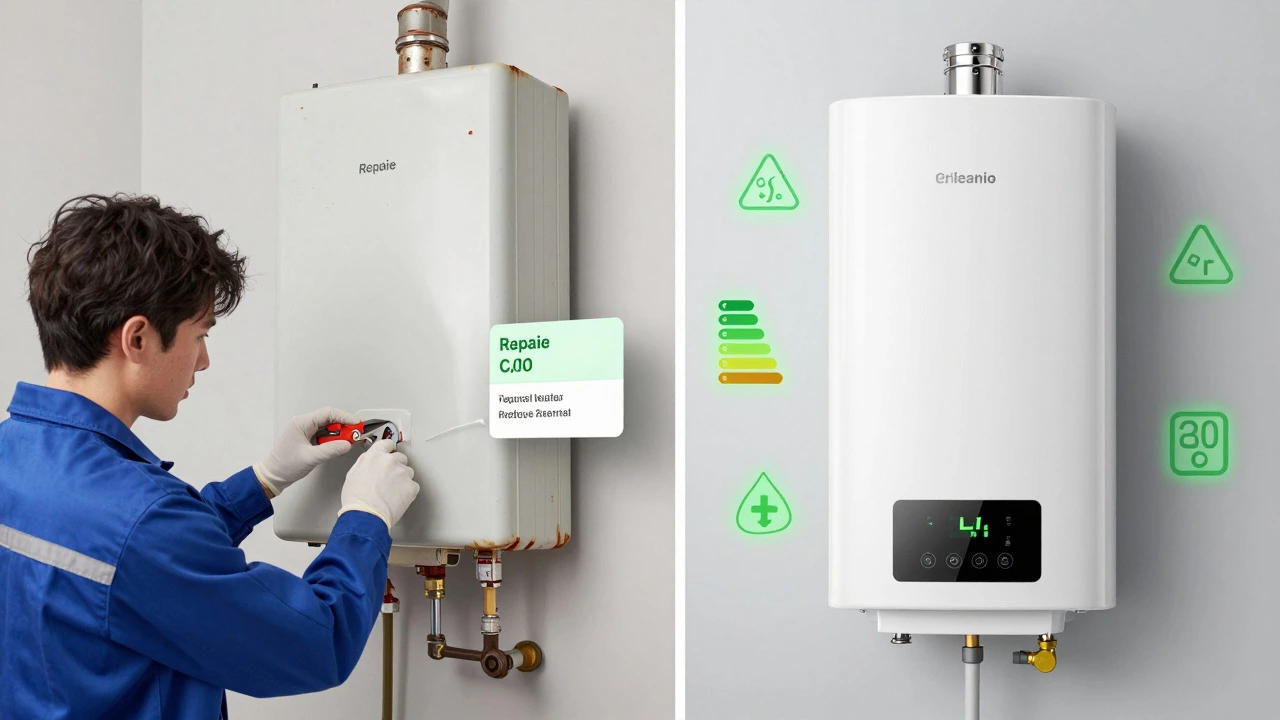
If the repair cost exceeds 50% of the price of a new unit, replacement is usually the better bet. But don’t just look at the upfront cash. Consider the energy efficiency rating of your current model. Older units waste significant energy maintaining heat in a large tank. Newer models, especially those with high Energy Star ratings or condensing technology, can reduce your monthly electricity or gas bills by 20-30%. That savings pays back the replacement cost over time.
Safety Risks: Beyond the Wallet
Money is important, but safety is non-negotiable. A failing water heater poses serious risks to your household.
Carbon Monoxide Leaks Gas-fired water heaters produce carbon monoxide (CO), an odorless, deadly gas. If the heat exchanger cracks or the flue pipe becomes blocked, CO can seep into your home. Symptoms include headaches, dizziness, and nausea. If you suspect a gas leak or CO issue, evacuate immediately and call emergency services. Never repair a gas line yourself. In many cases, a cracked heat exchanger means the entire unit must be replaced.
Water Damage and Mold Even small leaks can cause major problems over time. Water seeping into subflooring or walls creates the perfect environment for mold. Remediation costs for mold can easily exceed $5,000, far more than a new water heater. Regular inspection of the pressure relief valve and drain pan is crucial.
Electrical Hazards Electric water heaters operate at high voltages. If the wiring deteriorates or the control board shorts, you risk electrical fires. If you notice burning smells or tripped circuit breakers associated with the heater, shut off power immediately.
Tank vs. Tankless: Which Should You Choose?
If you decide to replace your unit, you face a second choice: stick with a traditional tank or switch to tankless. This decision impacts your budget, space, and energy usage.
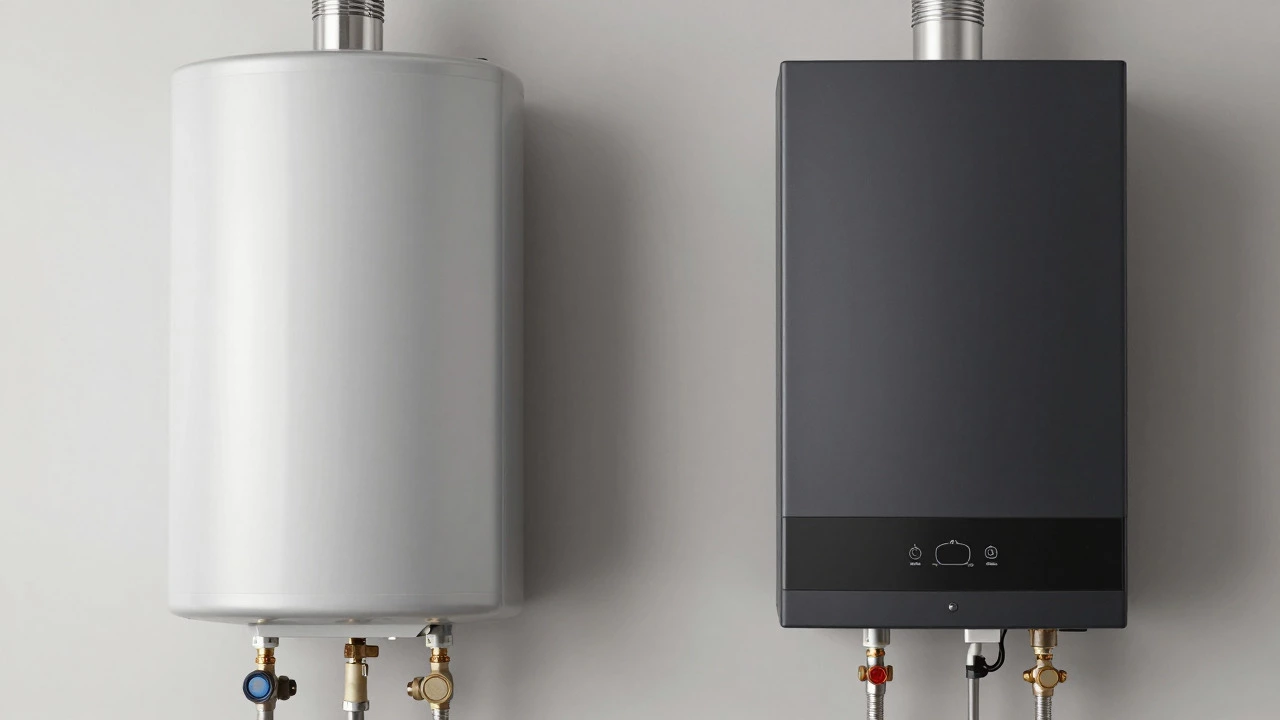
Traditional tank water heaters store 40-80 gallons of heated water. They are cheaper to buy and install. They provide a consistent supply of hot water for simultaneous uses (like a shower and dishwasher). However, they constantly reheat water, leading to "standby" energy loss. They also take up significant floor space.
Tankless water heaters heat water on demand. They are compact, wall-mounted, and highly efficient because they don’t store water. They last longer and provide endless hot water. The downside is higher upfront cost and potential flow rate limitations. If you run multiple fixtures at once, you might need a larger unit or multiple units, increasing the price further. Also, tankless units require proper ventilation and sometimes upgraded gas lines.
For most homeowners in Wellington with standard family sizes, a new high-efficiency tank remains the most cost-effective solution. Tankless is ideal for smaller households, apartments, or homes where space is extremely limited.
DIY Checks Before Calling a Pro
Before you schedule a technician, you can perform a few simple checks to rule out user error or minor issues.
- Check the Circuit Breaker: For electric heaters, ensure the breaker hasn’t tripped. Reset it if necessary. If it trips again immediately, there’s an electrical fault-call a pro.
- Inspect the Thermostat: Ensure the dial is set correctly. Sometimes it gets bumped accidentally.
- Look for Obvious Leaks: Check pipes, valves, and the base of the unit. Tighten loose connections with a wrench, but don’t overtighten.
- Flush the Tank: If you haven’t flushed your tank in two years, try doing it now. Attach a hose to the drain valve and let the water run until clear. This can remove sediment causing noise or reduced efficiency.
If these steps don’t resolve the issue, or if you smell gas, stop and call a licensed plumber. Working with gas and high-voltage electricity without training is dangerous.
Signs Your Water Heater Is Dying
Pay attention to these warning signs. They indicate that your unit is struggling and may fail soon.
- Rusty Water: If hot water comes out brown or orange, the internal tank is rusting. Cold water should be clear. Rusty hot water means the sacrificial anode rod is gone, and the tank metal is exposed.
- Inconsistent Temperature: If water starts hot then turns cold quickly, or vice versa, the dip tube may be broken, or the heating elements are failing.
- Noise: Popping, banging, or rumbling sounds indicate heavy sediment buildup. This reduces efficiency and stresses the tank.
- Reduced Hot Water Capacity: If showers run out of hot water much faster than before, the tank’s effective capacity has decreased due to sediment or element failure.
Making the Final Decision
So, is it worth repairing your hot water heater? Use this quick checklist:
- Is the unit less than 8 years old? Yes → Repair.
- Is the repair cost less than $300? Yes → Likely Repair.
- Is there a leak from the tank itself? Yes → Replace.
- Do you want lower energy bills and a longer-lasting system? Yes → Replace with new efficient model.
Remember, a new water heater comes with a warranty, typically 6-10 years for tanks and 15+ for tankless. That peace of mind is valuable. Don’t let a small repair delay a necessary upgrade. Your wallet, your energy bill, and your safety will thank you.
How long does a typical water heater last?
Traditional storage tank water heaters last 8 to 12 years. Tankless water heaters can last 15 to 20 years with proper maintenance. Factors like water quality, usage frequency, and maintenance routines affect longevity.
Is it cheaper to repair or replace a water heater?
If the unit is under 8 years old and the repair is minor (under $300), repair is cheaper. If the unit is older or the repair involves major components like the tank or heat exchanger, replacement is more cost-effective in the long run due to energy savings and warranty coverage.
What are the signs I need a new water heater?
Key signs include rusty hot water, leaking from the tank base, inconsistent water temperature, unusual noises (popping/rumbling), and reduced hot water capacity. If your unit is over 10 years old, these signs strongly suggest replacement.
Can I fix a leaking water heater myself?
Only if the leak is from external pipes or valves, which can sometimes be tightened or replaced. If the leak originates from the tank itself, it cannot be fixed. The tank must be replaced immediately to prevent water damage.
Should I choose tankless or tank water heater?
Choose tankless if you want higher energy efficiency, longer lifespan, and have limited space. Choose a tank heater if you want lower upfront costs, easier installation, and need high simultaneous hot water flow for large families. Tankless units cost more initially but save on energy bills over time.
How often should I maintain my water heater?
Annual maintenance is recommended. This includes flushing the tank to remove sediment, checking the anode rod, testing the pressure relief valve, and inspecting for leaks. Proper maintenance can extend the life of your unit by several years.
What is the average cost of water heater replacement in 2026?
In 2026, replacing a standard tank water heater costs between $1,200 and $2,000 NZD, including installation. Tankless water heater replacement ranges from $2,500 to $4,500 NZD depending on the model and required gas/electrical upgrades.
Is it safe to use a water heater that is making noise?
It is generally safe but inefficient. Noises like popping or rumbling indicate sediment buildup, which can lead to overheating and eventual tank failure. While not an immediate emergency, it requires prompt attention to prevent costly damage later.
I am an expert in the services industry with a focus on appliance repair. My passion lies in understanding how things work and educating others in simple, engaging ways. This enthusiasm fuels my writing, where I delve into topics around appliance maintenance and troubleshooting. I aim to make these subjects clear and accessible to all readers.