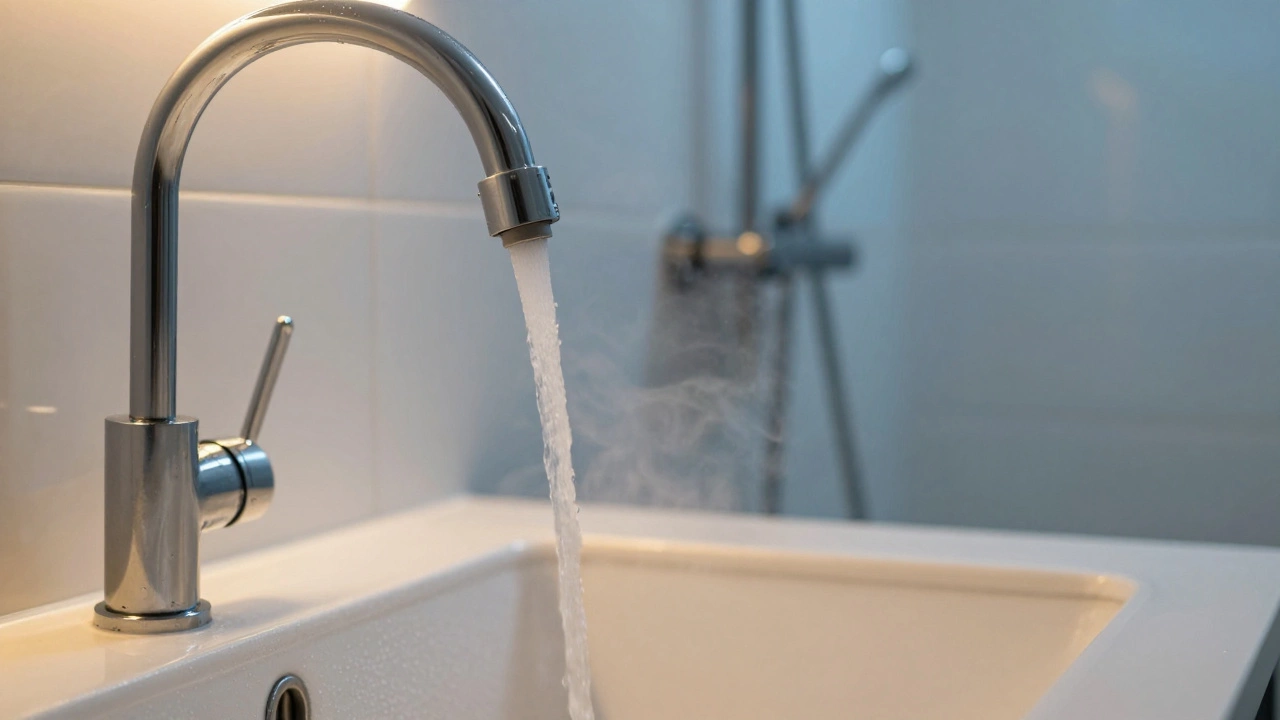
Shower Hot Water Diagnostic Tool
You turn on the shower expecting a warm rinse after a long day, but only icy water hits your skin. You march to the kitchen, turn on the tap, and get scalding hot water instantly. It feels like magic, or perhaps a prank by your plumbing system. This frustrating disconnect is more common than you might think, and it rarely means your water heater has completely failed. In fact, if you have hot water at the sink, your tank is likely working fine. The problem usually lies in the pipes between the heater and the showerhead.
Figuring out why this happens can save you hundreds of dollars in unnecessary service calls. Most homeowners panic and call a plumber immediately, assuming a major leak or broken unit. Often, the fix is something you can check yourself in ten minutes. Let’s walk through the most likely culprits, starting with the simplest explanations and moving toward the more complex mechanical failures.
The Mixing Valve: The Usual Suspect
In many homes, especially those built in the last few decades, showers don’t just connect directly to the hot and cold water lines. They use a device called a thermostatic mixing valve (TMV) or a pressure-balancing valve. Think of this as the brain of your shower. Its job is to take the super-hot water from the tank and mix it with cold water to reach a safe, comfortable temperature.
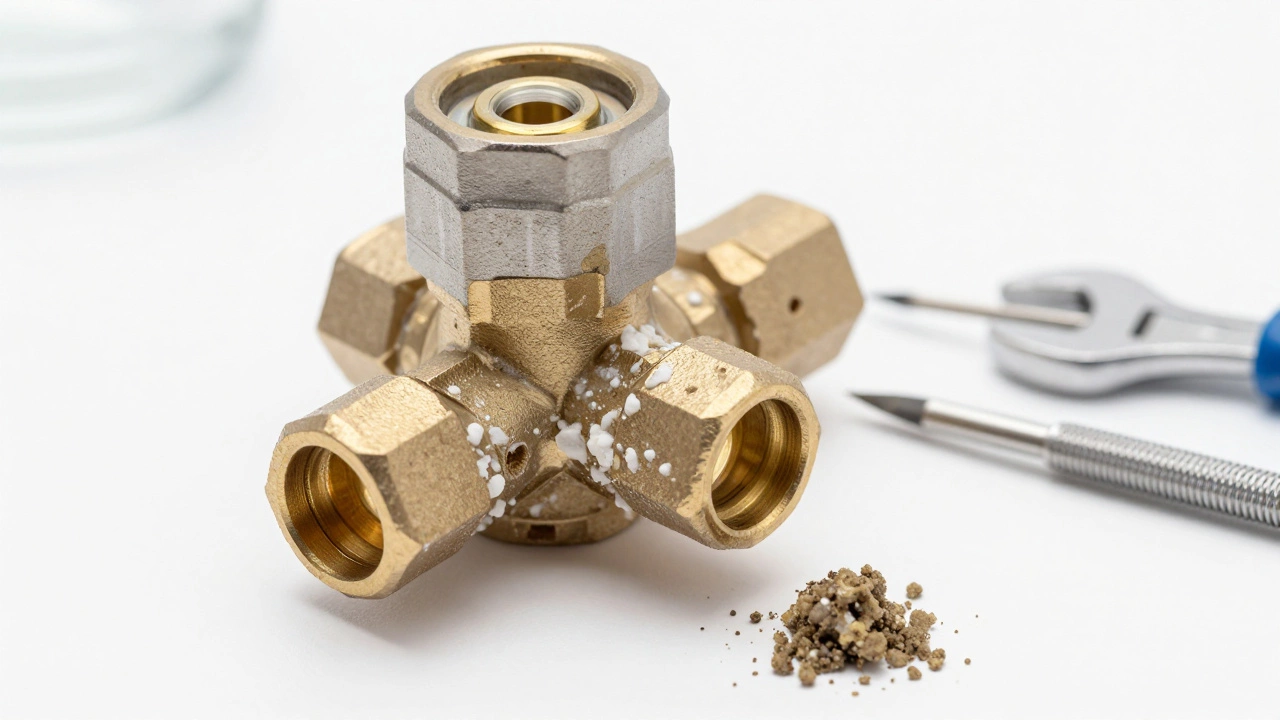
If your sink has hot water but your shower does not, the mixing valve inside the shower wall is often the bottleneck. These valves contain internal cartridges that regulate flow. Over time, mineral deposits from hard water-common in areas like Wellington where groundwater can be rich in calcium-can clog these tiny mechanisms. When the cartridge gets stuck, it may block the hot water inlet entirely while letting cold water pass through freely.
Here is how to tell if this is your issue. Turn the shower handle all the way to the "hot" position. If you feel absolutely no warmth, even after waiting two minutes, the valve is likely restricting flow. If you feel a slight warmth but it never gets hot, the valve might be partially blocked or failing to open fully. Replacing the cartridge is a standard repair, but it requires turning off the water supply to the house and cutting into the drywall behind the shower trim, so it’s a job best left to a professional unless you’re handy with tools.
Air Locks in the Pipes
Sometimes, the problem isn’t a broken part but trapped air. If you recently had work done on your plumbing, or if the main water supply was shut off for maintenance, air pockets can get stuck in the horizontal pipes leading to the shower. Air is lighter than water, so it rises and collects at high points in the pipe run. Since showers are often located on upper floors or in bathrooms with higher ceilings, they are prime targets for air locks.
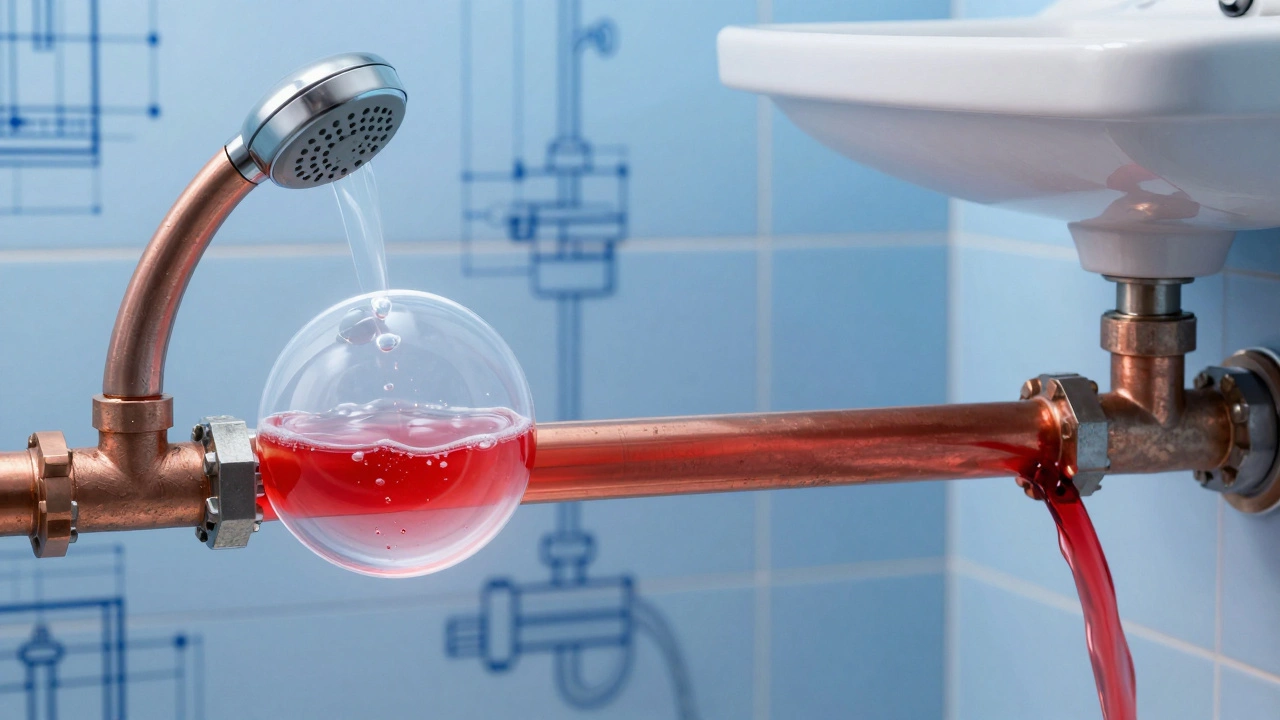
An air lock acts like a dam. It prevents hot water from traveling up the pipe to the showerhead. Meanwhile, the sink, which might be on a different branch of the plumbing tree or lower down, doesn’t have this obstruction. To clear an air lock, you need to force water through the line to push the air bubble out.
Try this simple trick. Go to the lowest faucet in your home, usually a basement sink or an outdoor hose bibb. Turn it on full blast. Then, go back to the shower and turn it on. The pressure change can sometimes dislodge the bubble. If that doesn’t work, you might need to bleed the system by opening each faucet in the house one by one, starting from the furthest point from the water heater and working your way closer. This forces the air out and lets fresh water fill the lines.
Diverter Valve Failure
If you have a bathtub-shower combination, there is another component to consider: the diverter valve. This is the little knob or lever you pull up or push to switch water from the tub spout to the showerhead. On older systems, this mechanism uses a rubber seal to block the flow to the tub spout and redirect it upward to the shower.
When this rubber seal wears out or degrades, it fails to create a tight seal. Instead of sending all the hot water up to the showerhead, a significant portion leaks down the tub spout. Because the water is splitting its path, the volume reaching the showerhead drops drastically. Low volume often feels like low temperature because there isn’t enough hot water mass hitting your body to raise the perceived heat. You might notice water trickling out of the tub spout even when the shower is running. That is a dead giveaway that your diverter valve needs replacing.
Water Heater Dip Tube Issues
While less likely if your sink has strong hot water, we cannot ignore the water heater itself. Inside your tank, there is a plastic tube called a dip tube. It connects to the cold water inlet and extends down to the bottom of the tank. Its purpose is to direct incoming cold water to the bottom, forcing the heated water at the top to exit towards your fixtures.
If the dip tube cracks or disintegrates-a common issue with older heaters made before 2014-the cold water enters at the top of the tank instead of the bottom. It mixes with the hot water layer right away. This creates a lukewarm slushy mixture that exits the tank. Usually, this affects all fixtures equally. However, if your sink is very close to the water heater and your shower is far away, the short trip to the sink might deliver water before it cools significantly in the pipes, while the long trip to the shower allows that already-lukewarm water to cool further. This is a subtle distinction, but worth noting if you have an older unit.
Clogged Showerhead Nozzles
Sometimes the answer is embarrassingly simple. Hard water leaves scale buildup on everything it touches. Your showerhead has small nozzles that spray water. If these nozzles are clogged with mineral deposits, the flow rate drops. Reduced flow means less hot water reaches you. Additionally, if the clogging is uneven, it can disrupt the spray pattern, making the water feel colder or weaker than it actually is.
Check this first because it costs nothing. Unscrew the showerhead and look inside. If you see white crusty buildup, soak the head in a bucket of vinegar overnight. Use an old toothbrush to scrub the nozzles. Reattach it and test the water. If the flow improves and the temperature feels better, you’ve saved yourself a expensive repair bill.
When to Call a Professional
If you’ve checked the showerhead, bled the air from the lines, and confirmed the mixing valve isn’t obviously stuck, it’s time to bring in the experts. There are two scenarios where DIY fixes won’t cut it:
- Internal Valve Failure: If the thermostatic mixing valve is broken internally, it needs specialized parts and knowledge to replace without damaging your walls.
- Hidden Leaks: Sometimes, a leak in the hot water line between the heater and the shower causes pressure loss. The water escapes before it reaches the showerhead. A plumber can use pressure testing equipment to pinpoint the exact location of the leak.
Don’t ignore this issue for too long. Running a shower with restricted flow can strain your water pump or heating elements over time. Plus, nobody wants to endure another freezing morning.
| Cause | Symptoms | Difficulty Level |
|---|---|---|
| Clogged Showerhead | Weak spray, visible mineral buildup | Easy (DIY) |
| Air Lock | Sudden onset after power/water outage | Medium (DIY) |
| Bad Diverter Valve | Water trickles from tub spout during shower | Hard (Pro Recommended) |
| Faulty Mixing Valve | No hot water despite hot water elsewhere | Hard (Pro Recommended) |
| Dip Tube Failure | Lukewarm water everywhere, worse in distant fixtures | Hard (Pro Required) |
Preventing Future Issues
Once you’ve fixed the immediate problem, take steps to prevent it from happening again. Install a whole-house water softener if you live in a hard water area. This reduces the mineral buildup that clogs valves and showerheads. Flush your water heater annually to remove sediment that can degrade the dip tube and heating elements. And finally, inspect your showerhead every six months for signs of scaling. A little maintenance goes a long way in keeping your plumbing happy and your showers warm.
Can a broken thermostat cause hot water in sink but not shower?
Unlikely. If the thermostat were broken, the entire tank would be either too hot or too cold. Since your sink has hot water, the tank is heating correctly. The issue is localized to the shower’s delivery system.
How much does it cost to fix a mixing valve?
Replacing a thermostatic mixing valve typically costs between $150 and $400, depending on labor rates and whether drywall repair is needed. Parts themselves are relatively inexpensive, but the labor involves shutting off water and accessing the valve behind the wall.
Is it dangerous to have no hot water in the shower?
Not physically dangerous, but uncomfortable. However, if the lack of hot water is due to a gas leak or electrical fault in the water heater, that is a serious safety hazard. Always smell for gas or check for tripped breakers if the heater seems silent.
Why does my shower get cold after a few minutes?
This usually indicates a dip tube failure or a undersized water heater. As the tank runs out of pre-heated water, cold water mixes in at the top, causing the temperature to drop. Alternatively, someone else in the house may have turned on a cold water faucet, shifting the pressure balance.
Can I replace the shower cartridge myself?
Yes, but it requires caution. You must turn off the main water supply, drain the lines, and remove the shower trim plate. If you are not comfortable with basic plumbing tools, hire a pro to avoid accidental flooding.
I am an expert in the services industry with a focus on appliance repair. My passion lies in understanding how things work and educating others in simple, engaging ways. This enthusiasm fuels my writing, where I delve into topics around appliance maintenance and troubleshooting. I aim to make these subjects clear and accessible to all readers.