Water Heater Reset Guide & Timer
Step-by-Step Instructions
Picture this: you step into the shower, expecting warmth, and get hit with ice-cold water. You rush downstairs to check your water heater, which is a large appliance designed to heat and store domestic water for household use. The display is blank. The tank is cold. Your first instinct? Find that little red or yellow button labeled "Reset" and press it. But here is the panic-inducing question that stops most homeowners in their tracks: how long do I actually hold that button down? Five seconds? Thirty? Until my finger cramps?
The short answer is usually between five and thirty seconds, depending entirely on whether you have a gas unit with a pilot light or an electric model. However, if you are just mashing the button without understanding what it does, you might be wasting time-or worse, ignoring a dangerous leak.
The Critical Difference: Gas vs. Electric Water Heaters
Before you even touch the thermostat dial, you need to identify exactly what kind of system you are dealing with. This distinction changes everything about the reset process. Most modern electric water heaters don't even have a physical "reset button" in the way people expect. They have circuit breakers. Gas units, specifically those with standing pilot lights, are where you will find the actual button mechanism.
| Heater Type | Control System | Reset Location | Action Required |
|---|---|---|---|
| Gas Water Heater (Standard) | Thermocouple / Pilot Assembly | Bottom panel, near gas valve | Hold while lighting pilot |
| Electric Water Heater | High-Limit Switch / Breaker | Behind access panels OR Main Electrical Panel | Press small red button OR Flip breaker |
| Tankless Gas Unit | Digital Control Board | Front Display Panel | Power cycle or Error Code Clear |
How to Reset a Gas Water Heater (The Pilot Light Method)
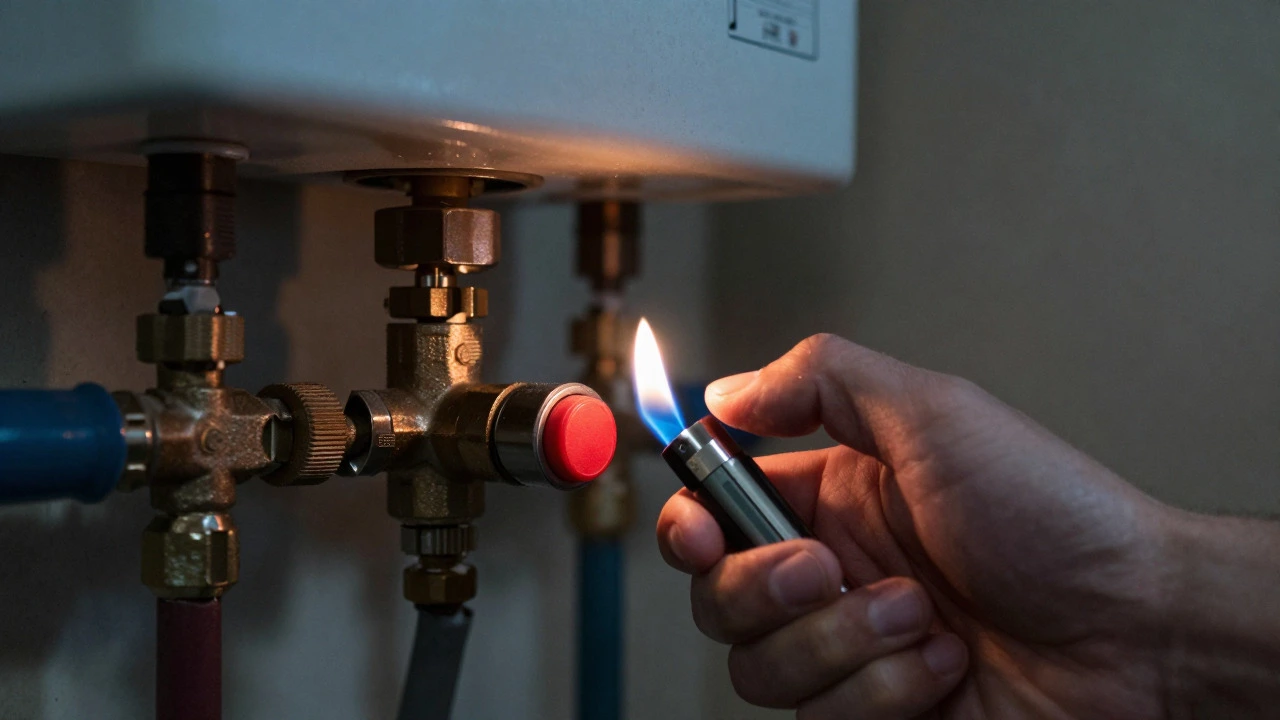
If you have a traditional gas tank, the "reset button" is part of the gas control valve assembly. Its job isn't just to restart the flame; it’s a safety interlock. When you push this button, you are manually opening the gas flow to the pilot tube. At the same time, you must ignite the gas using a spark igniter or a long-reach lighter.
Here is the precise sequence that works:
- Turn the knob to "Off": Wait at least five minutes. This allows any accumulated gas to dissipate. If you smell rotten eggs (mercaptan), leave the house and call a professional immediately.
- Switch to "Pilot": Turn the control knob from "Off" to "Pilot."
- Depress the button: Push the red or yellow reset button down. Keep it pressed.
- Ignite: While holding the button, press the electronic ignition switch repeatedly, or hold a lit match/lighter near the pilot tube until you see a blue flame.
- The Crucial Hold: Once the pilot is lit, keep holding the button. Do not let go yet. You need to hold it for approximately 30 to 60 seconds.
Why so long? You are heating up the thermocouple, which is a temperature-sensing device that generates a small electrical current when heated, keeping the gas valve open. The thermocouple needs time to reach its activation temperature. If you let go too soon, the internal magnet loses power, and the gas valve snaps shut, extinguishing the pilot. If the pilot stays lit after you release the button, turn the knob to "On."
How to Reset an Electric Water Heater
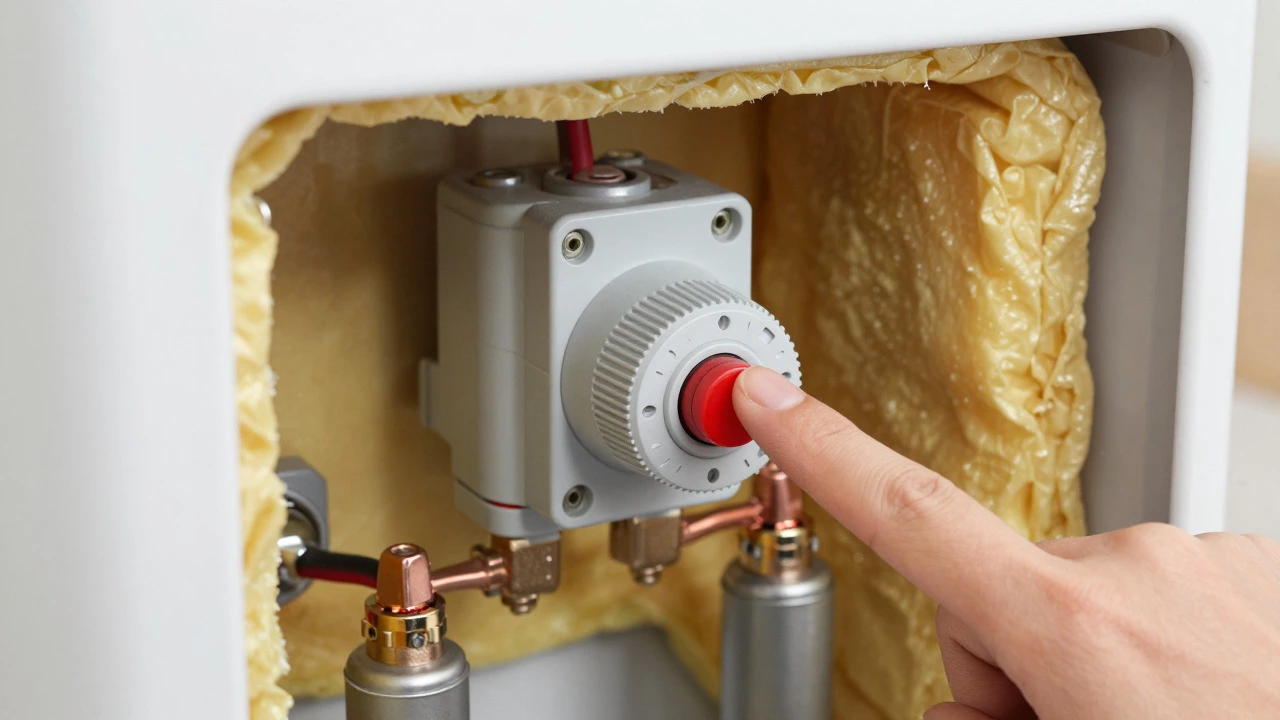
Electric units are trickier because they rarely have a user-facing "reset" button for daily use. What you often find behind the plastic access panels on the side of the tank is a high-limit switch. This is a safety device that trips when the water gets dangerously hot (usually above 150°F or 65°C) to prevent explosions.
If your electric heater has tripped, follow these steps:
- Check the main breaker first: Go to your home's electrical panel. Look for the double-pole breaker labeled "Water Heater." If it's in the middle position or flipped off, flip it fully off, then back on. This resets the overload protection.
- Locate the limit switch: If the breaker didn't fix it, remove the upper access panel on the side of the tank. Remove the insulation blanket. You will see a wire nut covering two wires connected to a small red button. This is the high-limit reset.
- Press firmly: Press the red button. You should hear a distinct click. Unlike the gas pilot, you only need to press this once. There is no "holding" duration required for the electric limit switch itself.
If the breaker trips again immediately after resetting, stop. You likely have a failed heating element or a short circuit. Forcing it will trip the breaker repeatedly and could damage your wiring.
When Holding the Button Won't Fix Anything
We all want a quick fix, but sometimes the button is just a symptom of a deeper failure. If you hold the gas pilot button for 60 seconds, light the flame, release it, and the flame dies instantly, the problem is almost certainly the thermocouple. It might be dirty, misaligned, or simply worn out. These parts cost around $10-$20 and can be replaced with basic tools, but they require removing the gas valve cover.
Another common issue is a faulty thermostat, which is the component that regulates water temperature by signaling the burner or heating element to turn on or off. If the thermostat fails, the heater won't know when to start burning gas or drawing electricity. In this case, pressing reset does nothing because the signal never reaches the burner.
For electric heaters, if the high-limit switch keeps tripping, you might have sediment buildup. Hard water minerals settle at the bottom of the tank, insulating the heating element. The element overheats because it can't transfer heat to the water efficiently, triggering the safety cutoff. Flushing the tank annually prevents this.
Safety First: Signs You Need a Professional
DIY repairs are great for saving money, but water and gas are unforgiving combinations. Call a licensed plumber or HVAC technician if you notice any of the following:
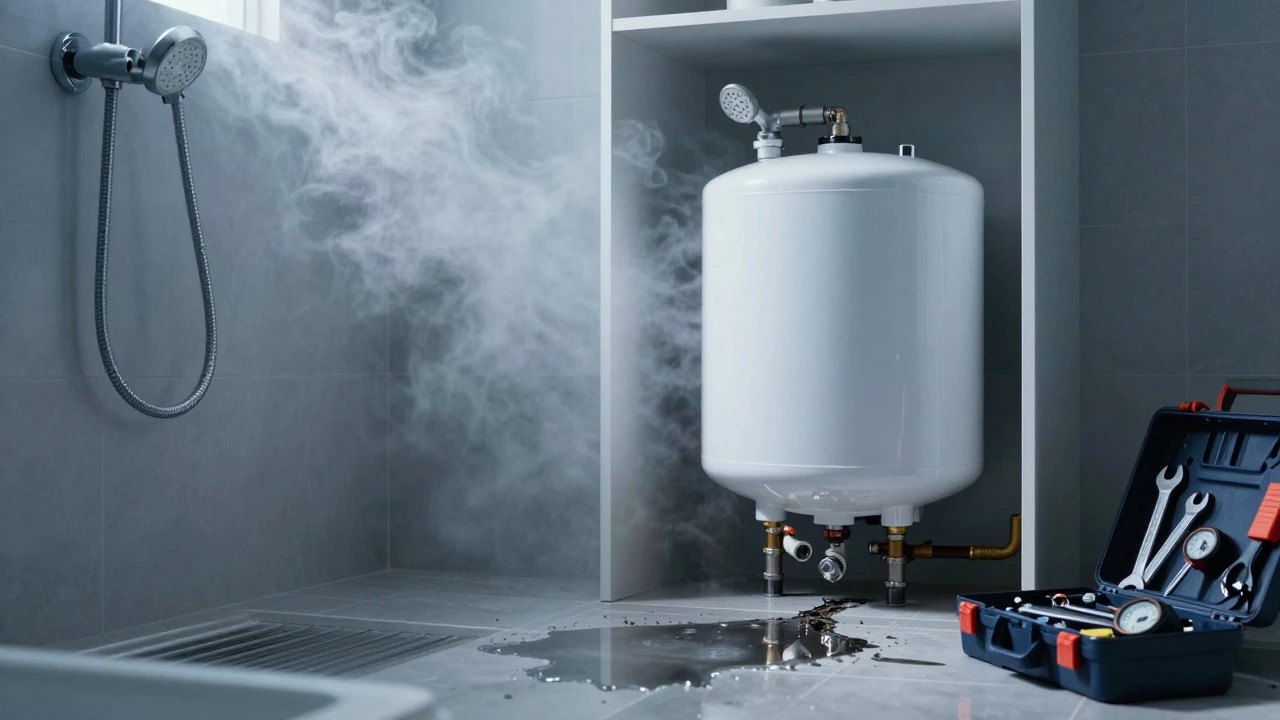
- Water leakage: Any pooling water around the base of the tank suggests a leaking pressure relief valve or a cracked tank. A cracked tank means replacement, not repair.
- Rotten egg smell: While some sulfur smells come from bacteria in the tank, a strong mercaptan odor indicates a gas leak. Evacuate and call emergency services.
- No hot water despite reset: If the pilot stays lit or the breaker holds, but the water remains cold after two hours, the gas valve or heating elements are likely dead.
- Aging unit: If your water heater is older than 10-12 years, repeated resets might just be delaying the inevitable. Efficiency drops significantly as tanks age, costing you more in energy bills than a new unit would save.
Maintenance Tips to Avoid Future Resets
The best way to avoid staring at a reset button in the middle of a cold shower is preventive maintenance. Here is a simple checklist to keep your system running smoothly:
- Flush the tank annually: Connect a garden hose to the drain valve at the bottom of the tank and run it to a floor drain. Open the valve to flush out sediment. This extends the life of both gas burners and electric elements.
- Test the T&P valve: The Temperature and Pressure relief valve is a brass lever on the top side of the tank. Lift it gently to ensure it clicks open and closes. If it leaks continuously, replace it ($15-$30 part).
- Inspect the anode rod: Every three to five years, check the sacrificial anode rod. If it's heavily corroded or less than half an inch thick, replace it to prevent tank rust.
- Keep vents clear: For gas units, ensure the flue pipe leading outside is free of bird nests or debris. Blocked vents cause carbon monoxide buildup and inefficient heating.
Understanding how long to hold that reset button is just one piece of the puzzle. Knowing why it failed-and whether it's safe to keep trying-is what separates a quick DIY fix from a costly disaster. Take your time, prioritize safety, and don't hesitate to call a pro when the basics don't work.
How many seconds should I hold the reset button on a gas water heater?
You should hold the reset button on a gas water heater for approximately 30 to 60 seconds after the pilot light ignites. This duration allows the thermocouple to heat up sufficiently to generate the millivoltage needed to keep the gas valve open. Releasing it too early will cause the pilot to extinguish.
Does an electric water heater have a reset button?
Most electric water heaters do not have a standard user-accessible reset button. Instead, they rely on a circuit breaker in your main electrical panel. Some models have a high-limit reset switch (a small red button) located behind the upper access panel, which requires a single firm press rather than holding.
What happens if I hold the reset button for too long?
Holding the gas reset button for longer than necessary (e.g., over 2 minutes) generally won't damage the unit, but it wastes gas. However, if the pilot doesn't stay lit after releasing the button, continuing to hold it won't help. It indicates a faulty thermocouple, dirty pilot orifice, or draft issue that requires mechanical repair.
Why does my water heater pilot light keep going out?
Common causes include a dirty or misaligned thermocouple, a clogged pilot tube, drafts blowing out the flame, or a failing gas control valve. Ensure the thermocouple tip is directly in the pilot flame and clean any dust or debris from the assembly before replacing parts.
Is it safe to reset a water heater multiple times?
It is safe to attempt a reset a few times if the procedure is followed correctly. However, if the breaker trips repeatedly or the pilot extinguishes every time you release the button, stop. Continuous resetting can indicate a serious safety hazard like a gas leak or electrical short, requiring professional inspection.
I am an expert in the services industry with a focus on appliance repair. My passion lies in understanding how things work and educating others in simple, engaging ways. This enthusiasm fuels my writing, where I delve into topics around appliance maintenance and troubleshooting. I aim to make these subjects clear and accessible to all readers.