
Hot Water Troubleshooter
What type of water heater do you have?
Diagnosis Complete
There is nothing quite as shocking as stepping into a shower and realizing the water is ice cold. You check the dial, you wait five minutes, but the temperature doesn't budge. Your water heater has stopped working, and your morning routine is ruined. Before you panic or call an expensive technician, take a breath. In many cases, the issue isn’t a broken unit but a tripped safety switch or a simple setting error.
Fixing hot water that won’t turn on often involves checking power sources, resetting safety mechanisms, and inspecting gas lines. Most residential units fail due to user-accessible components like circuit breakers, thermostats, or pilot lights rather than catastrophic internal failures. By following a logical diagnostic path, you can restore your hot water supply in under an hour without specialized tools.
Check the Power Source First
Before tearing apart panels or adjusting valves, verify that electricity or gas is actually reaching the unit. This sounds obvious, but it is the most common cause of sudden failure. If your house experienced a minor power surge last night, your breaker might have tripped silently.
| Heater Type | Primary Check | Secondary Check |
|---|---|---|
| Electric | Circuit Breaker Panel | Dedicated Fuse Box (if applicable) |
| Natural Gas | Gas Valve Position | Pilot Light Status |
| Propane | Tank Pressure Gauge | Regulator Connection |
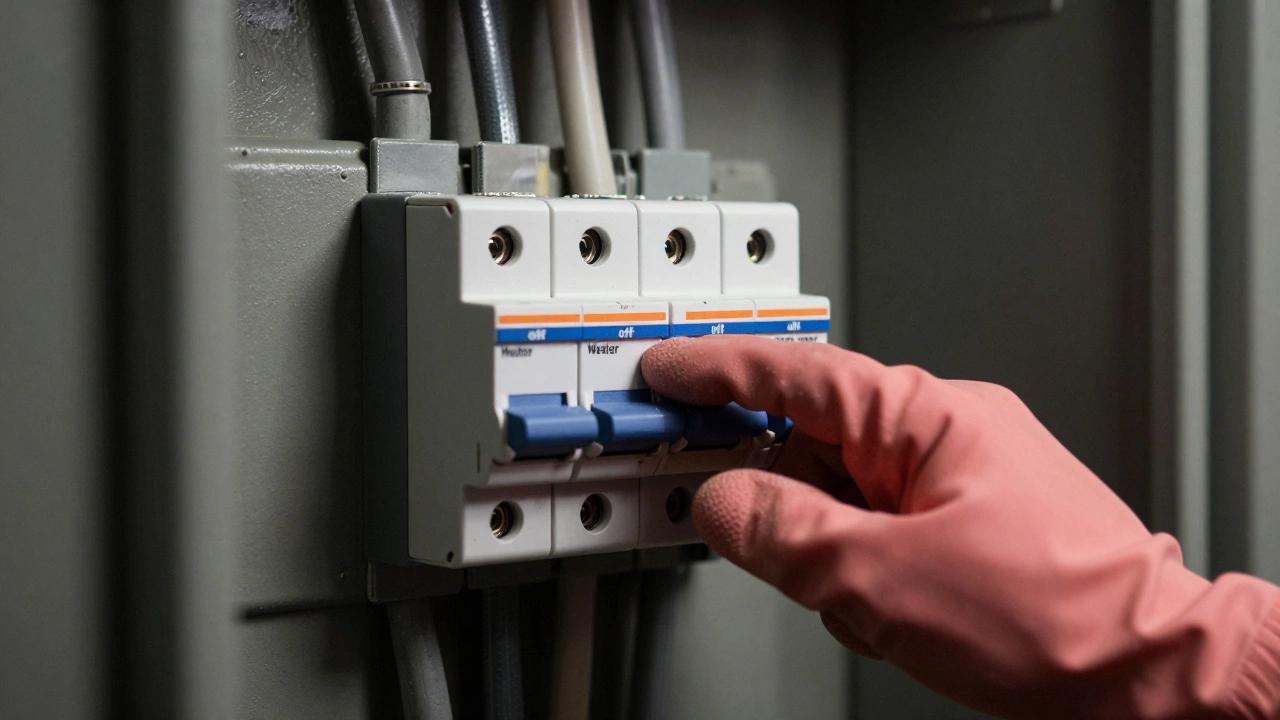
For electric water heaters, go to your main electrical panel. Look for two breakers labeled "Water Heater." They are usually double-pole breakers, meaning they control two circuits simultaneously. If either switch is in the middle "off" position, flip it fully off, then back on firmly. Listen for a click. If it trips again immediately, do not force it; this indicates a short circuit inside the tank that requires professional attention.
If you have a gas water heater, locate the manual gas valve near the bottom of the unit. The handle should be parallel to the pipe when open. If it is perpendicular, the gas flow is cut. Turn it parallel to restore supply. For propane tanks, check the pressure gauge on the outdoor tank. If it reads below 10%, you may need to order more fuel before the heater can ignite.
Reset the Thermal Cutoff Switch
If power is confirmed but the water remains cold, the next likely culprit is the high-limit thermostat, also known as the thermal cutoff switch. This is a critical safety device designed to prevent the tank from overheating and exploding. When the water temperature exceeds safe limits-often due to a faulty thermostat-the switch cuts power to the heating elements entirely.
To reset this, you will need to remove the access panels on the side of your electric water heater. These are usually held in place by screws. Behind the insulation, look for a small red button. It is typically located above the upper thermostat. Press this button firmly. You should hear a distinct click. Replace the insulation and the panel securely. Wait 30 to 60 minutes for the water to heat up. If the button pops out again shortly after, your thermostat is stuck closed, sending continuous power to the element. This is a sign you need a replacement part.
This step applies primarily to electric models. Gas units have a similar limit switch, but it is rarely accessible to homeowners without disassembling the burner assembly. If your gas heater has no flame and the pilot is lit, the issue is likely with the thermocouple or gas valve, not a resettable switch.
Inspect the Thermostat Settings
Sometimes the problem is simpler than a tripped switch. The thermostat dials inside the access panels might have been bumped or turned down accidentally. Electric water heaters typically have two thermostats: one for the upper element and one for the lower. Both should be set to approximately 120°F (49°C) for optimal energy efficiency and scald prevention.
Open the panels again and check the positions of the dials. If they are set to "Low" or below 100°F, turn them clockwise to increase the temperature. Be careful not to exceed 140°F (60°C), as this poses a severe burn risk and increases mineral buildup in the tank. After adjusting, close the panels and test the hot water tap. Give it time; even a small adjustment takes 20 minutes to reflect at the faucet.
If the dials feel loose or spin freely without resistance, the internal mechanism may be broken. In this case, replacing the thermostat module is necessary. This is a moderately difficult DIY task that involves disconnecting wires and removing mounting brackets, so only attempt it if you are comfortable with basic electrical work.
Relight the Pilot Light (Gas Units Only)
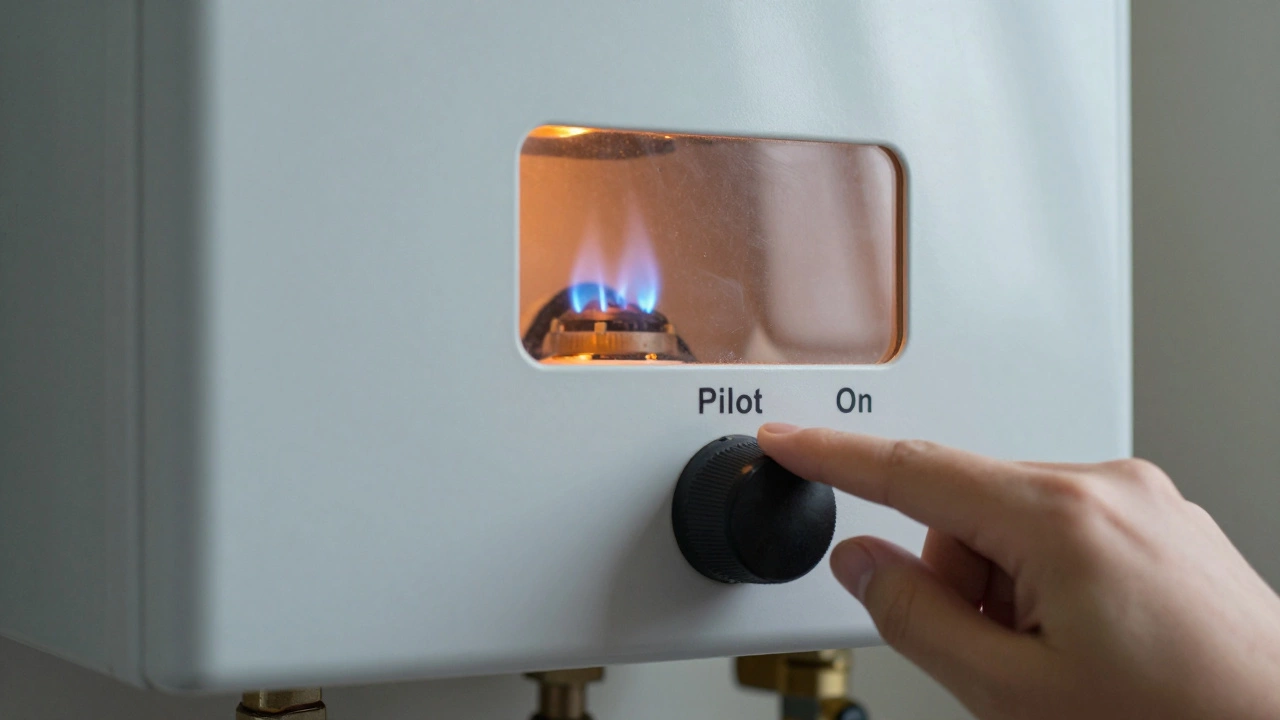
For gas water heaters, the absence of hot water usually means the pilot light has gone out. Modern units with electronic ignition systems do not have standing pilots, but older models rely on a small blue flame to ignite the main burner. If the pilot is out, the main burner cannot fire, and the water stays cold.
- Turn the gas control knob to "Off" and wait five minutes. This allows any accumulated gas to dissipate, preventing a flare-up.
- Locate the pilot button and the igniter. The button is usually marked "Pilot" and is smaller than the main gas knob.
- Turn the knob to "Pilot" and press the button down. Hold it there while pressing the igniter spark button repeatedly until you see a flame.
- Keep holding the pilot button for 30 to 60 seconds after the flame appears. This heats the thermocouple, which signals the gas valve to stay open.
- Release the button slowly. If the flame stays lit, turn the knob to "On." If it goes out, repeat the process. If it fails three times, the thermocouple is likely dirty or faulty and needs cleaning or replacement.
A yellow or flickering flame indicates incomplete combustion, often caused by a dirty burner or poor ventilation. Clean the burner ports with a soft brush if visible. Never ignore a yellow flame, as it can produce carbon monoxide.
Test the Heating Elements
If you have an electric water heater and have reset the thermal cutoff, but the water is still lukewarm or cold, one or both heating elements may have failed. Elements degrade over time due to sediment buildup and electrical stress. The upper element usually fails first because it works harder.
You can test elements using a multimeter. Set the meter to measure resistance (ohms). Disconnect power to the heater completely. Remove the wire nuts connecting the wires to the element terminals. Touch one probe to each terminal of the element. A good element will show a reading between 10 and 16 ohms. A reading of infinity (OL) means the element is burned out and must be replaced. Also check for continuity to ground: touch one probe to the element terminal and the other to the metal tank. Any reading here indicates a dangerous short circuit requiring immediate professional repair.
Replacing an element involves draining several gallons of water from the tank to lower the water level below the element port. Use a garden hose connected to the drain valve at the bottom of the tank. Once drained, unscrew the old element, install the new one with fresh Teflon tape on the threads, reconnect the wires, and refill the tank before restoring power. Always purge air from the system by running a hot water tap until steady flow returns.
When to Call a Professional
While many issues are DIY-friendly, some problems pose serious risks. Call a licensed plumber or HVAC technician if:
- The circuit breaker trips repeatedly after resetting.
- You smell gas around the unit at any time.
- There is visible water leaking from the tank itself, not just the connections.
- The anode rod is severely corroded, indicating advanced tank degradation.
- You are uncomfortable working with electricity or gas lines.
Attempting to fix a leaking tank or a persistent electrical fault can lead to electrocution, fire, or flooding. Professionals have the tools to diagnose complex issues like cracked heat exchangers or failing pressure relief valves quickly and safely.
Why is my hot water cold suddenly?
Sudden loss of hot water is often caused by a tripped circuit breaker, a blown fuse, or a tripped thermal cutoff switch. For gas units, the pilot light may have gone out. Check these components first before assuming the heater is broken.
How long does it take for water to heat up after resetting?
It typically takes 30 to 60 minutes for a standard 40-gallon water heater to reach full temperature after being reset or repaired. Larger tanks or higher recovery rates may take longer. Run a hot water tap to flush out cold water from the pipes during this time.
Can I reset a gas water heater myself?
Yes, you can relight the pilot light on most gas water heaters by following the manufacturer's instructions. However, if the pilot will not stay lit, the thermocouple or gas valve may be faulty, requiring professional service.
What causes a water heater to trip its thermal cutoff?
A thermal cutoff trips when the water temperature exceeds safe limits, usually due to a malfunctioning thermostat that sends continuous power to the heating element. Sediment buildup insulating the element can also cause localized overheating.
Is it dangerous to replace a water heater element?
Replacing an element carries electrical shock risks if power is not disconnected. It also involves handling hot water and heavy lifting. If you are not confident in your ability to safely drain the tank and work with wiring, hire a professional.
I am an expert in the services industry with a focus on appliance repair. My passion lies in understanding how things work and educating others in simple, engaging ways. This enthusiasm fuels my writing, where I delve into topics around appliance maintenance and troubleshooting. I aim to make these subjects clear and accessible to all readers.