Extractor Fan Maintenance & Repair Advisor
Answer a few quick questions to get a personalized recommendation for your ventilation unit.
Action Required
Most people only notice their extractor fan is a ventilation device that removes moisture and odors from kitchens and bathrooms when it stops working or starts making a weird noise. But does it actually need regular servicing like a car engine or a heating system? The short answer is yes, but the type of "servicing" depends entirely on whether you have a ducted or ductless model. If you ignore basic maintenance, you risk mold growth, permanent motor burnout, or a fan that simply doesn't pull enough air to keep your home healthy.
The Difference Between Cleaning and Servicing
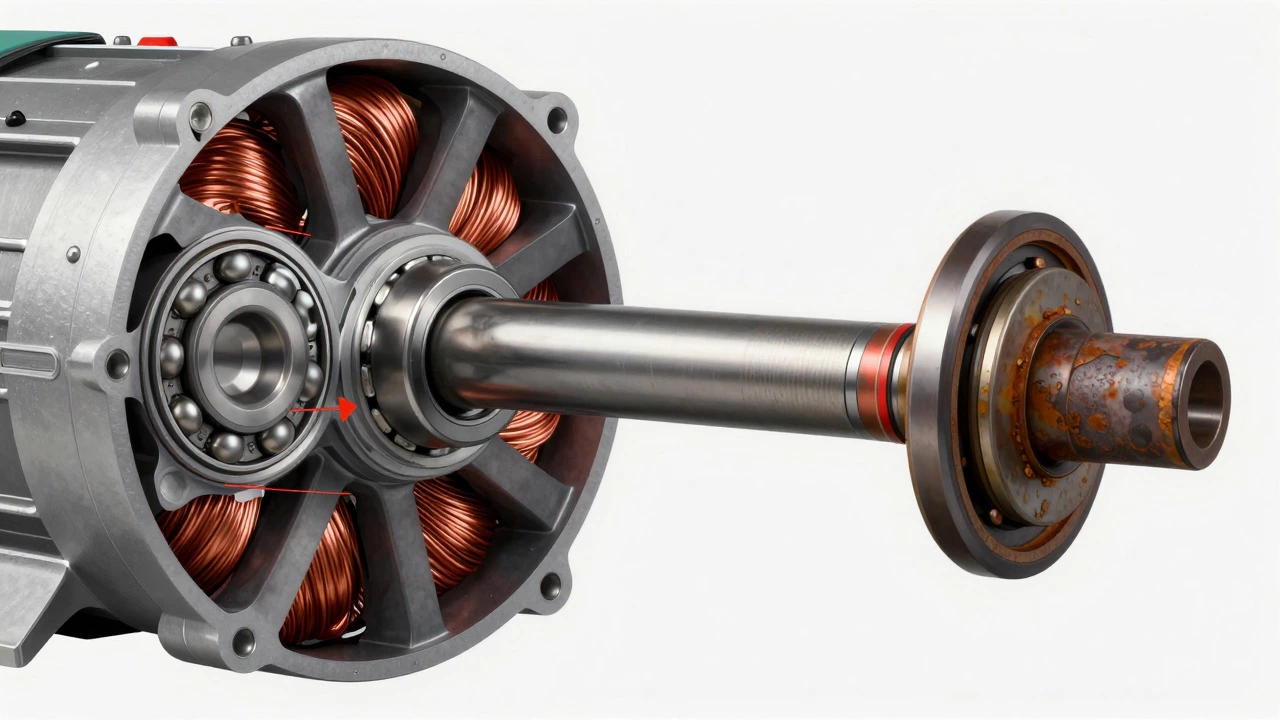
First, let's clear up a common confusion. Many homeowners think "servicing" means calling a technician to open up the unit every year. For most residential units, this isn't necessary. What you really need is routine cleaning and occasional mechanical checks. True servicing-where a professional replaces bearings, rewinds motors, or swaps out internal components-is usually only required if the fan is older than five years or has been neglected for a long time.
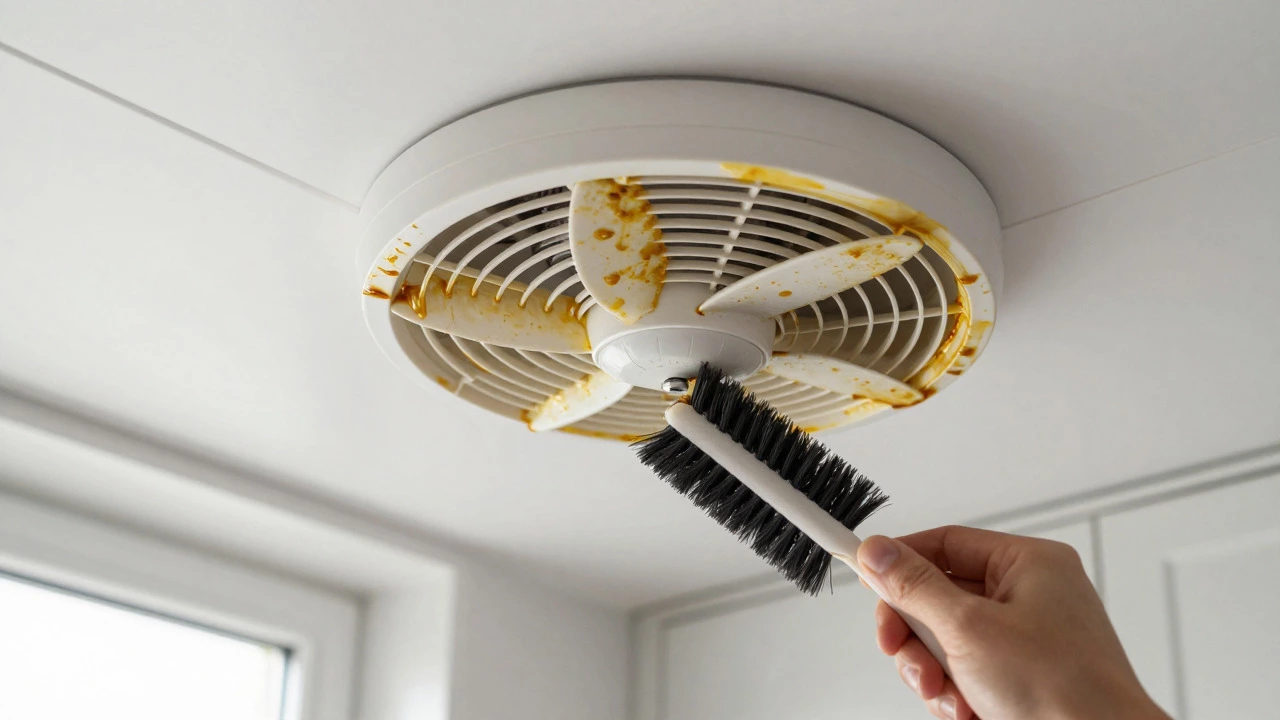
If your fan is a standard ceiling-mounted unit in a bathroom or under-cabinet model in a kitchen, the primary enemy is grease and dust. Over time, these particles build up on the blades and inside the housing. This adds weight to the spinning parts, forcing the fan motor to work harder. When the motor works harder, it generates more heat. Heat degrades the lubricant in the bearings. Once the lubricant dries out, the motor seizes. That’s when you need actual repair work.
When Do You Actually Need a Professional?
You don't need a pro for everything. However, there are specific signs that indicate the issue is mechanical rather than just dirty:
- Grinding or squealing noises: This usually means the ball bearings are worn out or the shaft is bent. You can't fix this with a rag; you need new bearings or a replacement motor.
- Blades wobble significantly: While some vibration is normal, heavy wobbling indicates a loose mounting bracket or a warped blade. Left alone, this stresses the motor mount.
- Fan runs but no airflow: If the motor spins but the room doesn't clear of steam or smell, the impeller might be clogged internally, or the belt (in older models) has snapped.
- Burnt smell: Stop using the fan immediately. This suggests electrical shorts or overheating due to lack of lubrication.
For these issues, a specialized extractor fan repair service is the right call. In Wellington, for example, humidity levels can accelerate corrosion on metal parts, so local technicians often recommend checking for rust in coastal areas.
Ducted vs. Ductless: Different Needs
Your maintenance schedule changes based on your fan's design. There are two main types: ducted fans that push air outside through pipes, and ductless (or recirculating) fans that filter air and blow it back into the room.
| Feature | Ducted Fan | Ductless (Recirculating) Fan |
|---|---|---|
| Primary Task | Exhausts air outside | Filters and recirculates air |
| Cleaning Frequency | Every 3-6 months | Every 1-2 months |
| Key Component to Check | Ductwork for blockages | Carbon filters or mesh screens |
| Risk of Neglect | Reduced suction, backflow of fumes | Moldy filters, poor air quality |
| Professional Service Needed? | Only for motor/bearing failure | Only for motor failure (filters are DIY) |
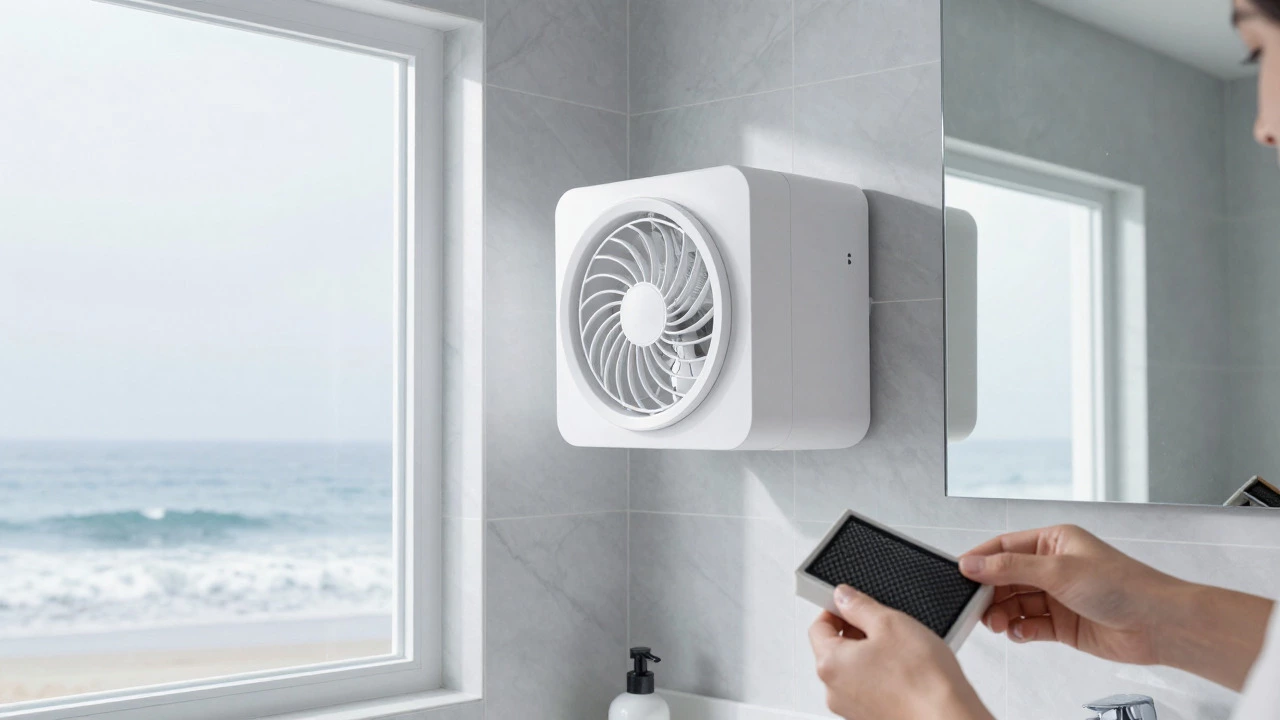
Ductless fans are trickier because they rely on filters. If you use a carbon filter to trap cooking smells, that filter eventually saturates. It won't break the motor, but it will stop doing its job. You need to replace those filters regularly. Ducted fans, on the other hand, suffer from invisible problems: bird nests in the outdoor vent or grease buildup deep inside the wall ducts. These blockages reduce efficiency without making obvious noise, so you might not realize the fan is struggling until you see condensation on windows.
A Simple Maintenance Routine You Can Do Yourself
You can extend the life of your fan by years with a simple quarterly check. Here’s how to do it safely:
- Turn off the power: Always flip the switch at the circuit breaker before touching any part of the fan. Don't just turn it off at the wall switch.
- Remove the grille: Most grilles pop off or unscrew easily. Use a soft brush to remove loose dust.
- Wash the blades: Take the blades down if possible, or use a vacuum hose with a brush attachment. For greasy kitchen fans, mix warm water with a degreaser. Avoid soaking the motor itself.
- Check the impeller: Look inside the housing. If you see thick black sludge, that’s old grease. Wipe it away carefully.
- Lubricate (if applicable):strong> Some older fans have oil ports on the motor side. If yours does, add a single drop of sewing machine oil or 3-in-1 oil. Modern sealed bearings don’t need this-if there’s no port, don’t force oil in.
This routine takes about 15 minutes. It prevents the heavy buildup that leads to motor strain. If you live in a high-humidity area, like near the coast in New Zealand, you might want to bump this up to monthly checks during winter months when condensation is highest.
Signs Your Fan Is Beyond Repair
Sometimes, servicing isn't worth it. If your fan is over 10 years old, the cost of replacing a motor or bearings might exceed the price of a new unit. New energy-efficient models use less electricity and run quieter. Consider replacing the unit if:
- The motor hums loudly even when running smoothly.
- The fan draws excessive power (check your energy bill spikes).
- Parts are no longer available from manufacturers.
- You’ve had to repair it twice in the last three years.
In these cases, buying a new kitchen ventilation system is often more cost-effective and improves indoor air quality significantly.
Frequently Asked Questions
How often should I clean my extractor fan?
For kitchen fans, clean every 3 to 6 months. For bathroom fans, every 6 to 12 months is usually sufficient unless you shower heavily daily. Ductless fans with filters need filter checks every 1 to 2 months.
Can I use WD-40 to lubricate my extractor fan motor?
Generally, no. WD-40 is a penetrant and water displacer, not a long-term lubricant. It can evaporate quickly and attract dust. Use a light machine oil or sewing machine oil instead if your fan has an oil port.
Why is my extractor fan making a rattling noise?
Rattling is usually caused by loose screws, a cracked housing, or debris caught in the blades. Turn off the power, remove the grille, and check for loose parts. If the noise persists after tightening screws, the motor bearing may be failing.
Do I need to service a ductless fan differently than a ducted one?
Yes. Ductless fans require regular filter replacement or cleaning because they recirculate air. Ducted fans focus on keeping the exhaust path clear of grease and blockages. Both need motor care, but the filter aspect is unique to ductless models.
Is it cheaper to repair or replace an old extractor fan?
If the fan is under 5 years old, repair is usually cheaper. If it’s older than 8-10 years, replacement is often better. New fans are more energy-efficient and quieter, which can save money on electricity over time.
I am an expert in the services industry with a focus on appliance repair. My passion lies in understanding how things work and educating others in simple, engaging ways. This enthusiasm fuels my writing, where I delve into topics around appliance maintenance and troubleshooting. I aim to make these subjects clear and accessible to all readers.