Extractor Fan Maintenance Planner
Configure Your Fan
Maintenance Schedule
Recommended Filter Cleaning:
Step-by-Step Cleaning Guide
Select your fan type to get started
We'll calculate the optimal cleaning frequency based on usage.
That high-pitched whine coming from your kitchen ceiling isn’t just annoying; it’s a warning. Most people assume that because an extractor fan is a mechanical device designed to remove stale air, moisture, and odors from indoor spaces, it runs on autopilot forever. They don’t. In fact, neglecting these units is one of the fastest ways to invite mold growth, skyrocket energy bills, and ruin your home’s air quality.
You might be asking yourself if you really need to worry about this small box in the wall. The short answer is yes. But before you grab a screwdriver or call a technician, let’s look at exactly what needs attention, how often, and whether you can handle it yourself. Living here in Wellington, where the damp sea air meets modern insulation standards, I’ve seen enough black mold behind range hoods to know that ventilation maintenance is non-negotiable for a healthy home.
The Short Answer: Yes, Absolutely
Think of your extractor fan like the lungs of your room. If your lungs get clogged with dust and mucus, you can’t breathe properly. Similarly, if the internal components of your fan accumulate grease, lint, or dust, airflow drops significantly. According to industry standards set by organizations like the Air Movement and Control Association (AMCA), a blocked filter can reduce extraction efficiency by up to 50% within six months of heavy use.
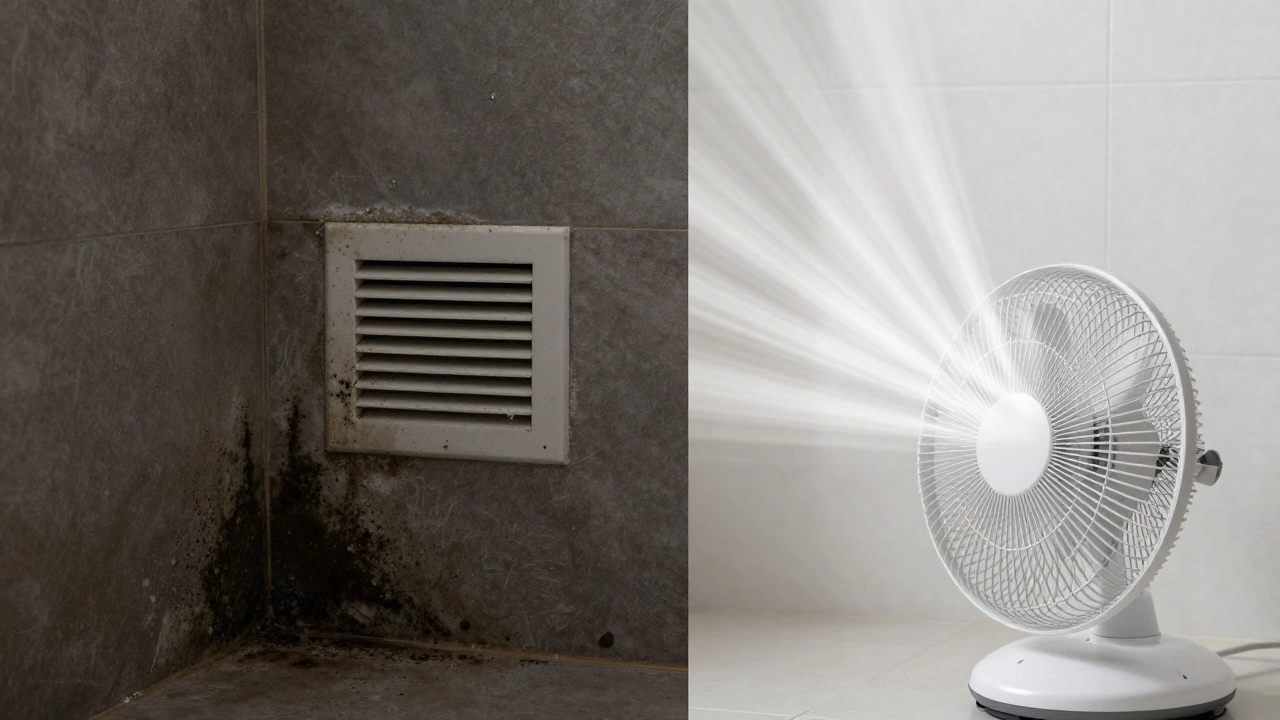
This isn't just about comfort. It’s about safety and structural integrity. In kitchens, grease buildup is a fire hazard. In bathrooms, trapped humidity leads to condensation on windows, peeling paint, and eventually, structural rot. So, do they need maintenance? Yes. And ignoring it costs you more in repairs later than a quick clean now.
Kitchen vs. Bathroom: Different Rules Apply
Not all extractor fans are created equal, and their maintenance schedules depend entirely on where they live. You wouldn’t clean your car engine with the same routine as your air conditioning filters, right? The same logic applies here.
| Fan Location | Primary Contaminant | Cleaning Frequency | Filter Type |
|---|---|---|---|
| Kitchen (Range Hood) | Grease & Oil | Every 1-3 Months | Metal Mesh (Reusable) |
| Bathroom | Lint, Dust & Hair | Every 6-12 Months | Plastic/Foam (Replaceable) |
| Utility Room/Laundry | Dust & Lint | Every 12 Months | Mesh or None |
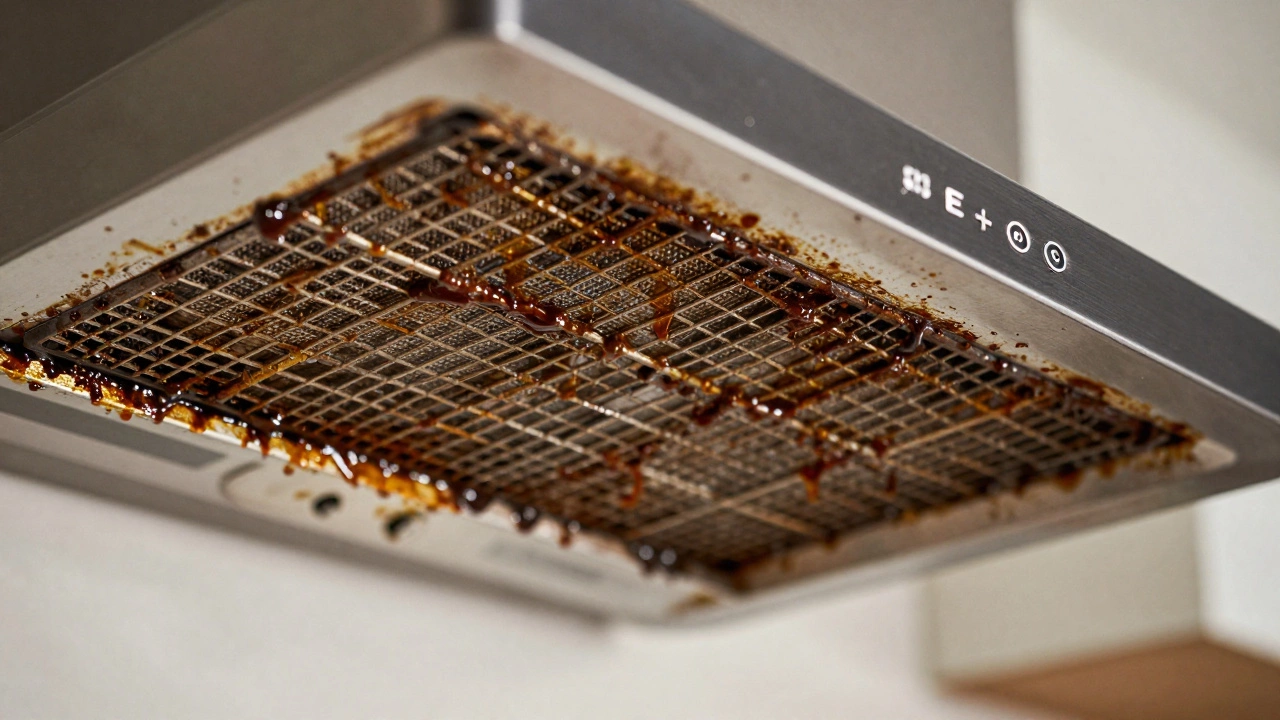
Kitchen fans deal with cooking fumes, which means they trap microscopic oil particles. These particles stick together, forming a sticky sludge that coats the blades and motor. This adds weight to the impeller, causing the motor to work harder, overheat, and eventually burn out. Bathroom fans, on the other hand, pull in moisture and airborne debris like hair and skin cells. While less flammable, this gunk restricts airflow and creates a breeding ground for bacteria.
Step-by-Step: How to Clean a Kitchen Extractor Fan
If you have a range hood or a ducted kitchen fan, the first line of defense is the metal mesh filter. Here is how you tackle it without making a mess.
- Remove the Filter: Most kitchen filters slide out or clip off easily. Check your manual if it resists, but usually, a gentle tug releases them.
- Pre-Treat Heavy Grease: If the filter looks like a brown sponge, soak it in hot water mixed with a degreaser or strong dish soap. For tough jobs, a cup of baking soda added to the mix helps break down the oils.
- Soak Time Matters: Don’t rush this. Let it sit for at least 30 minutes. If the grease is baked on, overnight soaking is better.
- Scrub Gently: Use a soft brush or sponge. Avoid steel wool on aluminum filters as it can scratch the surface, leading to faster future grease buildup.
- Rinse and Dry Completely: Water left on the metal can cause rust. Ensure it is bone dry before reinstalling.
Once the filter is clean, check the interior of the hood. Wipe down the surfaces with a degreasing wipe. If you have a recirculating fan (one that doesn’t vent outside), you’ll also need to clean or replace the charcoal carbon filters. Unlike metal mesh, carbon filters are panels filled with activated charcoal that absorb odors and smoke particles. These cannot be washed. They must be replaced every three to six months depending on how much you cook.
Step-by-Step: How to Maintain a Bathroom Extractor Fan
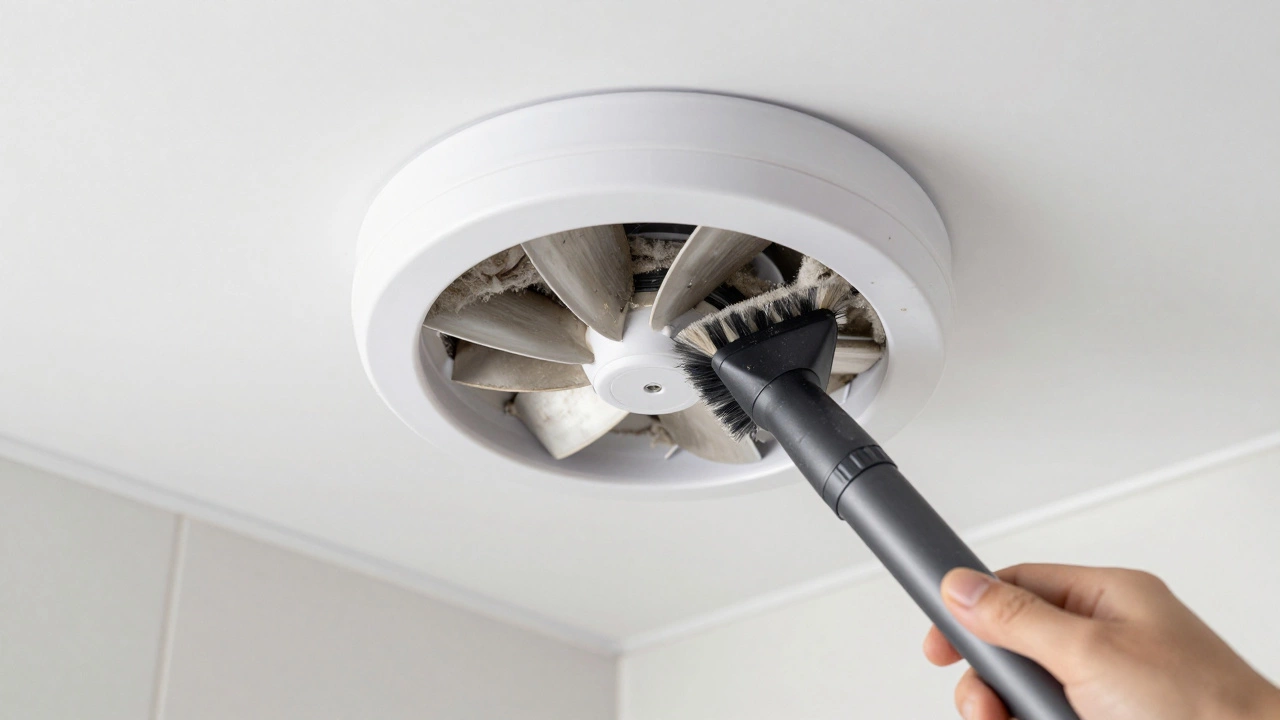
Bathroom fans are simpler but often neglected until they start sounding like a jet engine. Here is the process:
- Turn Off Power: Safety first. Switch off the circuit breaker for the bathroom to avoid any shock risk when working near electrical fixtures.
- Remove the Cover: Unscrew or unclip the plastic faceplate. Be careful not to drop screws into the ductwork.
- Inspect the Impeller: This is the spinning blade inside. If it’s coated in gray fuzz (lint), use a vacuum cleaner with a brush attachment to suck it off. Alternatively, wipe it with a damp microfiber cloth.
- Check the Filter: Many bathroom fans have a simple plastic mesh filter. Wash this in warm soapy water. If it’s torn or brittle, buy a replacement. They are cheap and widely available.
- Vacuum the Duct Opening: Reach as far as safely possible into the housing to vacuum loose dust from the duct entry point.
- Reassemble and Test: Put everything back together, restore power, and run the fan. Listen for changes in noise levels.
Signs Your Fan Needs Professional Attention
DIY cleaning solves 90% of issues. However, sometimes the problem lies deeper. You should call a professional if you notice any of these red flags:
- Persistent Noise After Cleaning: If you’ve cleaned the blades and it still rattles or screeches, the bearings may be worn out. Bearings require specialized tools to replace.
- No Airflow Despite Clean Filters: If the fan spins but doesn’t move air, there could be a blockage deep in the external ductwork, perhaps from bird nests or collapsed piping.
- Water Leaks Around the Unit: This indicates a seal failure or condensation issue within the housing that requires resealing or component replacement.
- Burning Smell: If you smell burning plastic or wire, turn it off immediately. This suggests an electrical fault in the motor windings.
In my experience living in coastal areas like Wellington, salt air accelerates corrosion on metal parts. Even well-maintained fans may suffer from corroded motor housings after five to seven years. Regular professional inspections every two years can catch these early signs before they lead to total failure.
Common Mistakes That Damage Extractor Fans
Avoid these pitfalls to extend the life of your unit:
- Using Abrasive Cleaners: Harsh chemicals can degrade plastic components and strip protective coatings from metal parts.
- Ignoring the External Vent: Cleaning the inside is useless if the flap outside is stuck shut by debris or ice. Check the exterior vent cap seasonally.
- Running the Fan Without Filters: Never operate a fan with missing filters. This allows large debris to enter the motor, causing immediate damage.
- Overloading the System: Using a small bathroom fan to extract steam from a large shower for extended periods strains the motor. Consider upgrading to a higher CFM (Cubic Feet per Minute) rated fan if your current one struggles.
Why Maintenance Saves You Money
It seems counterintuitive to spend time cleaning something that costs little to run, but the math works out. A new extractor fan can cost anywhere from $50 to $300, plus installation fees. Regular maintenance keeps your existing unit running efficiently, reducing electricity consumption. A dirty fan uses more power to achieve the same airflow. Over a year, that inefficiency adds up. More importantly, proper ventilation prevents costly remediation projects like mold removal or repainting walls due to moisture damage.
Think of it as preventive healthcare for your home. You wouldn’t skip dental checkups hoping cavities go away on their own. Treat your ventilation system with the same respect.
How often should I clean my kitchen extractor fan filter?
For average home cooks, cleaning the metal mesh filter every month is ideal. If you cook heavily with oils or fats, aim for every two weeks. Neglecting this can lead to grease fires and reduced suction power.
Can I wash my bathroom extractor fan filter in the dishwasher?
Only if the manufacturer explicitly states it is dishwasher safe. Most plastic filters are delicate and can warp under high heat. Hand washing in warm soapy water is safer and preserves the integrity of the mesh.
What does it mean if my extractor fan is noisy but clean?
If cleaning doesn't resolve noise issues, the motor bearings are likely worn out. This is a mechanical failure that requires part replacement. Continuing to run a fan with bad bearings can cause the motor to seize completely.
Do I need to maintain a ductless (recirculating) fan differently?
Yes. Ductless fans rely on carbon filters to absorb odors. These filters cannot be cleaned; they must be replaced regularly. Additionally, since air is recirculated, keeping the internal blades clean is crucial to prevent redistributing grease back into your kitchen.
Is it dangerous to ignore extractor fan maintenance?
Yes. In kitchens, accumulated grease is highly flammable and poses a significant fire risk. In bathrooms, poor ventilation leads to mold growth, which can trigger respiratory issues and allergies. Both scenarios present health and safety hazards.
I am an expert in the services industry with a focus on appliance repair. My passion lies in understanding how things work and educating others in simple, engaging ways. This enthusiasm fuels my writing, where I delve into topics around appliance maintenance and troubleshooting. I aim to make these subjects clear and accessible to all readers.