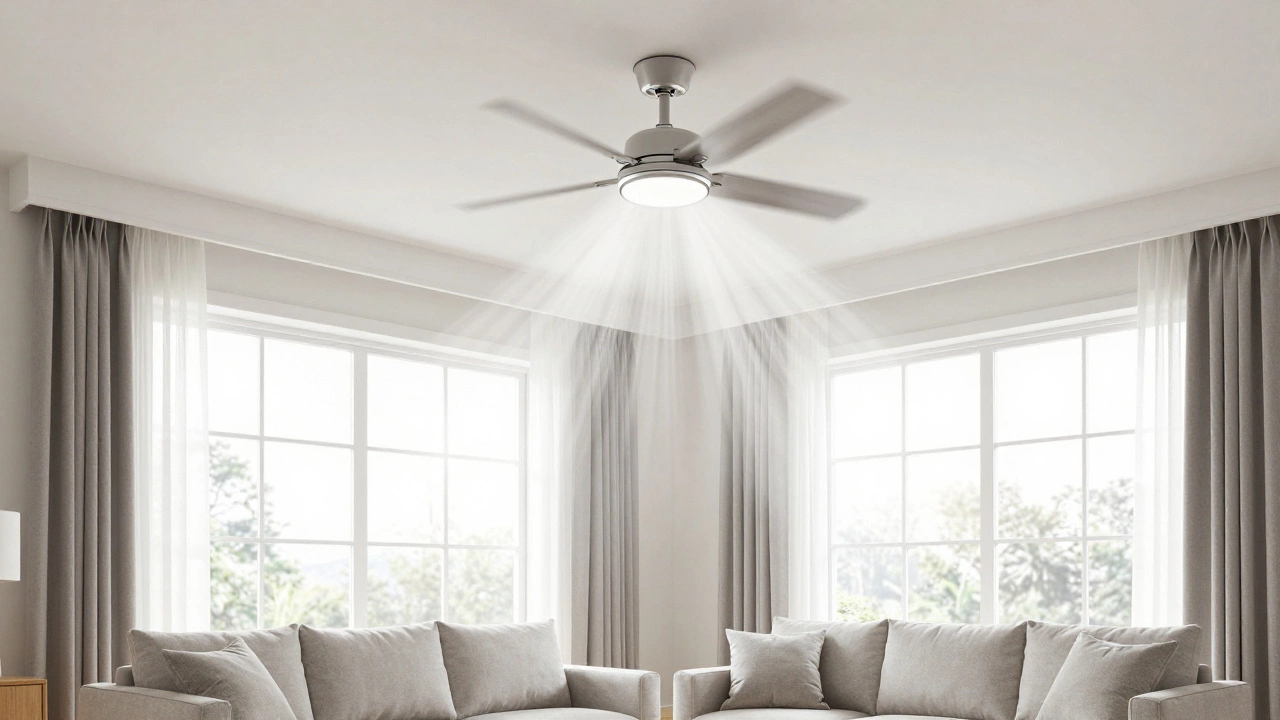
Fan Selection Helper
Which fan do you need for your room?
Select the primary issue you are trying to solveThe room feels closed-in, lacks fresh air, or gets too warm.
There is visible moisture, cooking odors, or chemical fumes.
You need a system that prioritizes air circulation. A ventilation fan will move air across the room or bring in fresh air from outside to prevent stagnation.
- Best for: Bedrooms, Living Rooms, Home Offices.
- Goal: Freshness and temperature comfort.
- Note: This will NOT remove heavy moisture or grease.
You need active removal. An extractor fan pulls contaminated air and moisture out of the building entirely through a duct.
- Best for: Bathrooms, Kitchens, Garages.
- Goal: Preventing mold, dampness, and odor buildup.
- Pro Tip: Consider a humidity-sensing or timed model for bathrooms.
Most people use the terms "ventilation fan" and "extractor fan" as if they are the same thing. They aren't. If you're standing in a humid bathroom or a smoky kitchen, the difference between these two pieces of equipment is the difference between simply moving air around and actually getting rid of a problem. Picking the wrong one doesn't just waste money; it can lead to mold growth in your walls or a house that smells like last Tuesday's fried fish.
Key Takeaways for Your Home Airflow
- Ventilation fans move air to keep a room fresh (general circulation).
- Extractor fans pull contaminated air out of a room and push it outside (active removal).
- Kitchens and bathrooms almost always require extraction, not just ventilation.
- The wrong choice can lead to condensation and structural dampness.
The Basics: What is a Ventilation Fan?
When we talk about a ventilation fan is a mechanical device designed to circulate air within a space or bring fresh air in from the outside. It is essentially a tool for air exchange. Think of a ceiling fan or a window fan. It doesn't necessarily "remove" anything; it just ensures the air isn't stagnant.
In a home, a basic ventilation system might include trickle vents in your windows or a heat recovery ventilator (HRV). These systems focus on the air quality by ensuring a steady flow of oxygen and preventing the buildup of carbon dioxide. If you've ever felt a room was "stuffy" despite the windows being closed, you're dealing with a ventilation issue. A ventilation fan helps solve this by pushing air across a room to create a breeze or pulling fresh air from a hallway into a bedroom.
The Heavy Lifter: What is an Extractor Fan?
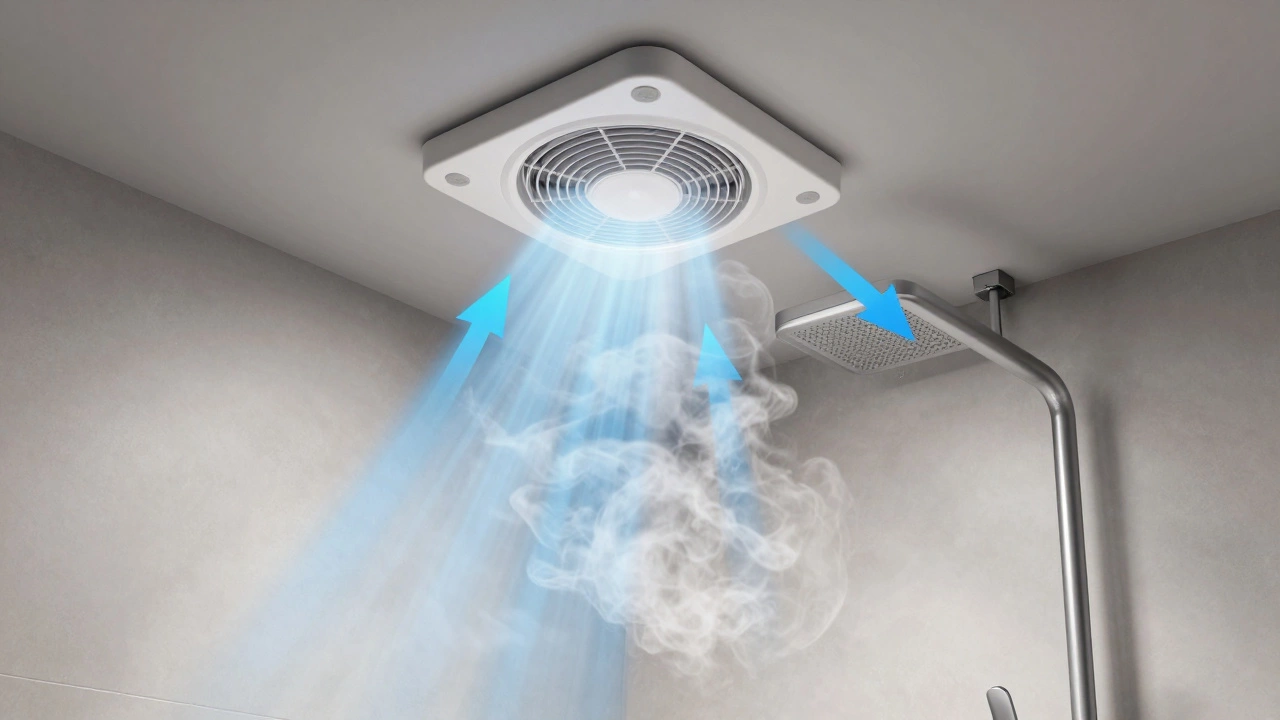
Now, let's look at the extractor fan is a high-powered fan designed to pull moisture, smoke, odors, and airborne pollutants out of a room and vent them directly outdoors. Unlike a general ventilation fan, an extractor is a one-way ticket for bad air. It creates a pressure vacuum in the room, forcing the old air out through a duct and creating space for new air to enter.
You'll find these in the "wet zones" of your house. For example, a bathroom extractor fan is critical because it removes the steam from your shower. Without it, that water vapor clings to your ceiling and walls, eventually turning into black mold. In the kitchen, a range hood (which is a type of extractor) sucks up grease-laden steam and carbon monoxide from gas stoves, preventing a layer of sticky residue from coating your kitchen cabinets.
Direct Comparison: How They Differ in Action
To really understand the gap, imagine a room full of smoke from a burnt piece of toast. A ventilation fan would just push that smoke around the room, making it feel like a breeze, but the smell and the particles stay inside. An extractor fan, however, grabs that smoke and throws it out the window or through a pipe, actually cleaning the environment.
| Feature | Ventilation Fan | Extractor Fan |
|---|---|---|
| Primary Goal | Air circulation / Freshness | Contaminant removal |
| Air Direction | Often stays within the building | Always pushed outside |
| Best Location | Bedrooms, Living Rooms | Bathrooms, Kitchens, Garages |
| Impact on Humidity | Low to Moderate | High (Removes steam) |
| Key Component | Blades/Motor | Motor/Ducting/External Vent |
When to Use Which (And Why It Matters)
If you're planning a renovation, don't just buy "a fan." You need to map out the jobs-to-be-done for each room. If your goal is to stop the bedroom from feeling like an oven in the summer, a ventilation fan or a ceiling fan is your best bet. It cools the skin and keeps air moving.
However, if you're dealing with a bathroom that has no windows, you have a moisture problem. A ceiling-mounted extractor fan is non-negotiable here. If you try to use a simple ventilation fan, you're just circulating damp air, which is like trying to dry a towel while keeping it in a bucket of water. You need the active suction of an extractor to pull that moisture out of the building entirely.
In the kitchen, you might have both. You might have a large ventilation system for the whole house, but you still need a powerful extractor fan over the stove. This is because cooking produces volatile organic compounds (VOCs) and grease that can ruin interior paint and irritate your lungs. An extractor fan captures these at the source before they can spread to the rest of the home.
Common Failure Points and Maintenance
Because they serve different purposes, they break in different ways. Ventilation fans usually fail due to dust buildup on the blades, which slows them down and makes them noisy. A little vacuuming and some lubricant usually fix this.
Extractor fans are more complex because they rely on ductwork. A common issue is a blocked vent. If a bird builds a nest in your external vent, the extractor fan will spin, but the air has nowhere to go. This creates "backpressure," which can overheat the motor and lead to a complete burnout. Another common culprit is the filter. In kitchen extractors, grease filters get clogged, meaning the fan has to work twice as hard to pull half the air. If your fan is making a loud humming noise but the steam isn't clearing, your filter is likely a slab of solidified oil.

The Risk of Choosing the Wrong One
What happens if you put a ventilation fan where an extractor should be? You get interstitial condensation. This is when moisture penetrates the walls and condenses inside the structure. Over time, this rots the wooden studs in your walls and creates a breeding ground for mold. It's a silent problem because you don't see it until the paint starts peeling or a musty smell permeates the room.
On the flip side, putting an industrial-strength extractor in a bedroom might actually make the room too cold or create a negative pressure environment, where the fan pulls air from weird places-like under the doors or through electrical outlets-bringing dust and spiders along with it. Balance is key.
Can a ventilation fan be converted into an extractor fan?
Generally, no. An extractor fan requires a sealed housing and a dedicated duct leading to the outside of the building. A standard ventilation fan is designed to push air into a room or move it around. To convert it, you would need to build a complete ventilation shaft and seal the area around the fan so it pulls air from the room rather than just swirling it.
How do I know if my extractor fan isn't working?
The easiest test is the "tissue test." Turn the fan on and hold a single ply of toilet tissue or a thin piece of paper up to the intake grille. If the fan is working, the paper should be sucked firmly against the grille and stay there. If it flutters or falls, your fan is either failing, the filter is clogged, or the external vent is blocked.
Which one uses more electricity?
Extractor fans typically use slightly more energy because they have to overcome the resistance of the ductwork to push air outside. However, the difference is negligible for the average homeowner. The cost of replacing moldy drywall far outweighs the few cents extra you'll spend on electricity for a powerful extractor.
Should I get a timed extractor fan?
Yes, especially for bathrooms. A timer switch allows the fan to keep running for 10-15 minutes after you've turned off the lights. This is crucial because the air remains humid long after you've left the room. If the fan stops the moment the light goes out, a significant amount of moisture stays behind, increasing the risk of mold.
Are there "quiet" options for extractor fans?
Absolutely. Look for fans with "centrifugal" impellers rather than standard axial blades. They are designed to move air more efficiently through ducts and tend to produce a lower-frequency hum rather than a loud whine. Also, check the Sones rating-lower Sones mean a quieter fan.
Next Steps for Homeowners
If you're unsure about your current setup, start by checking your external vents. Go outside and see if air is actually blowing out of the wall or roof vent while the fan is on. If you feel a weak breeze or nothing at all, it's time to look into extractor fan repair or replacement.
For those in high-humidity areas, consider upgrading to a humidity-sensing fan. These units automatically kick in when the moisture in the air reaches a certain percentage, meaning you don't have to remember to flip the switch. It's the best way to protect your home's structural integrity without having to think about it every day.
I am an expert in the services industry with a focus on appliance repair. My passion lies in understanding how things work and educating others in simple, engaging ways. This enthusiasm fuels my writing, where I delve into topics around appliance maintenance and troubleshooting. I aim to make these subjects clear and accessible to all readers.