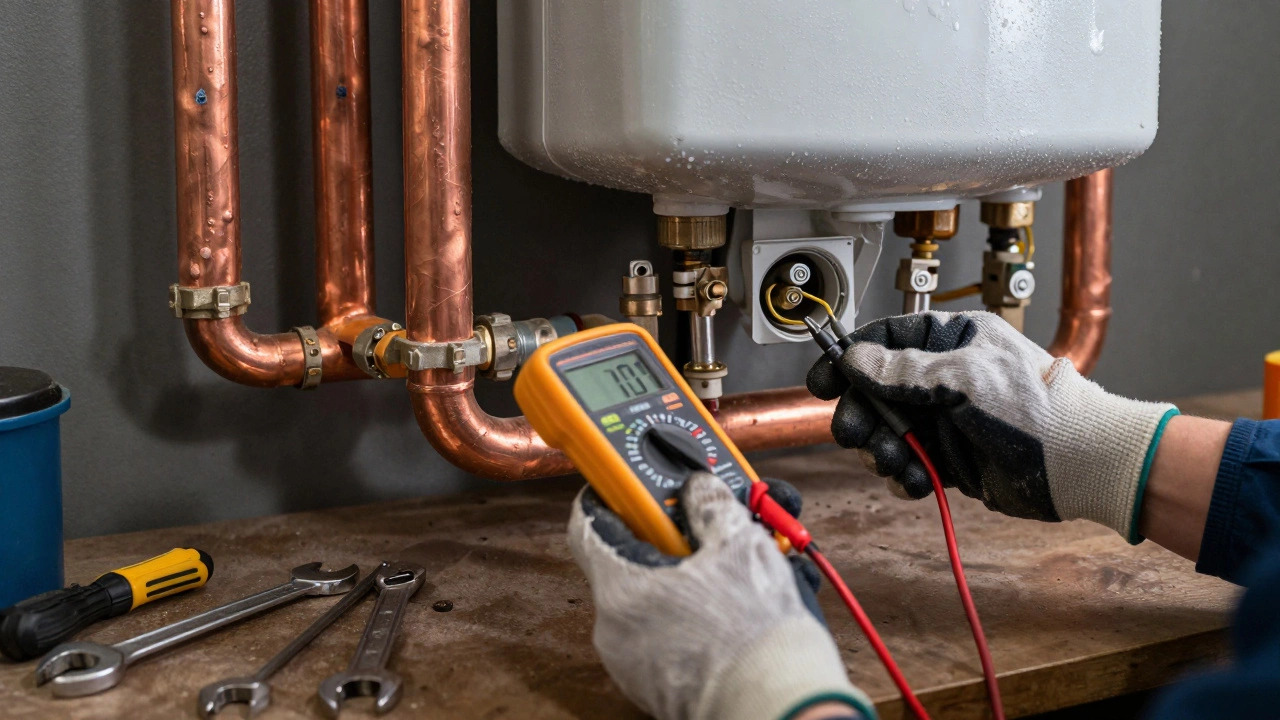
Learn how to test and replace a bad water heater element to restore hot water. Discover the signs of failure, step-by-step testing with a multimeter, and how to prevent future issues with simple maintenance.
Nothing ruins a morning like a lukewarm shower. If your water heater is acting up, you’ve probably tried the reset button, checked the fuse, or even shouted at it. Most of those quick fixes only work if you know what to look for. That’s where we come in – a local team that knows the common hiccups and how to sort them fast.
First, let’s run through the usual suspects. A heater that stops producing hot water could be suffering from a tripped reset button, a faulty thermostat, or a broken heating element. If you hear a buzzing sound before the water turns cold, it’s often an overheating issue that trips the safety switch. Sediment buildup is another sneaky culprit – over time mineral deposits can insulate the tank and make it work harder, eventually causing it to fail.
Before you call anyone, try these easy steps:
If any of these checks don’t solve the problem, it’s time to bring in a pro. Trying to replace parts without the right tools can be dangerous, especially with electric models.
We’re based right here in South Shields, so we understand the local water quality and the typical wear and tear on appliances in our area. Our technicians arrive on time, bring the most common spare parts, and can usually finish the job in a single visit. That means less disruption to your daily routine and a quicker return to hot showers.
What sets us apart? We focus on fixing the root cause, not just the symptom. If your heater keeps tripping the reset button, we’ll inspect the heating element, test the thermostat, and flush any sediment that could be causing overheating. We also offer maintenance tips to extend the life of your heater – like an annual flush and checking the anode rod for corrosion.
Got an emergency? Our 24‑hour response team can be on‑site within a few hours, so you don’t have to endure a week‑long cold‑water spell. And because we charge flat rates for common repairs, there are no surprise fees at the end of the job.
Ready to get your hot water back? Give us a call, schedule a visit, or drop us a message. We’ll diagnose, fix, and test the system before we leave, making sure every faucet in your home gets the heat it needs.
Learn how to test and replace a bad water heater element to restore hot water. Discover the signs of failure, step-by-step testing with a multimeter, and how to prevent future issues with simple maintenance.
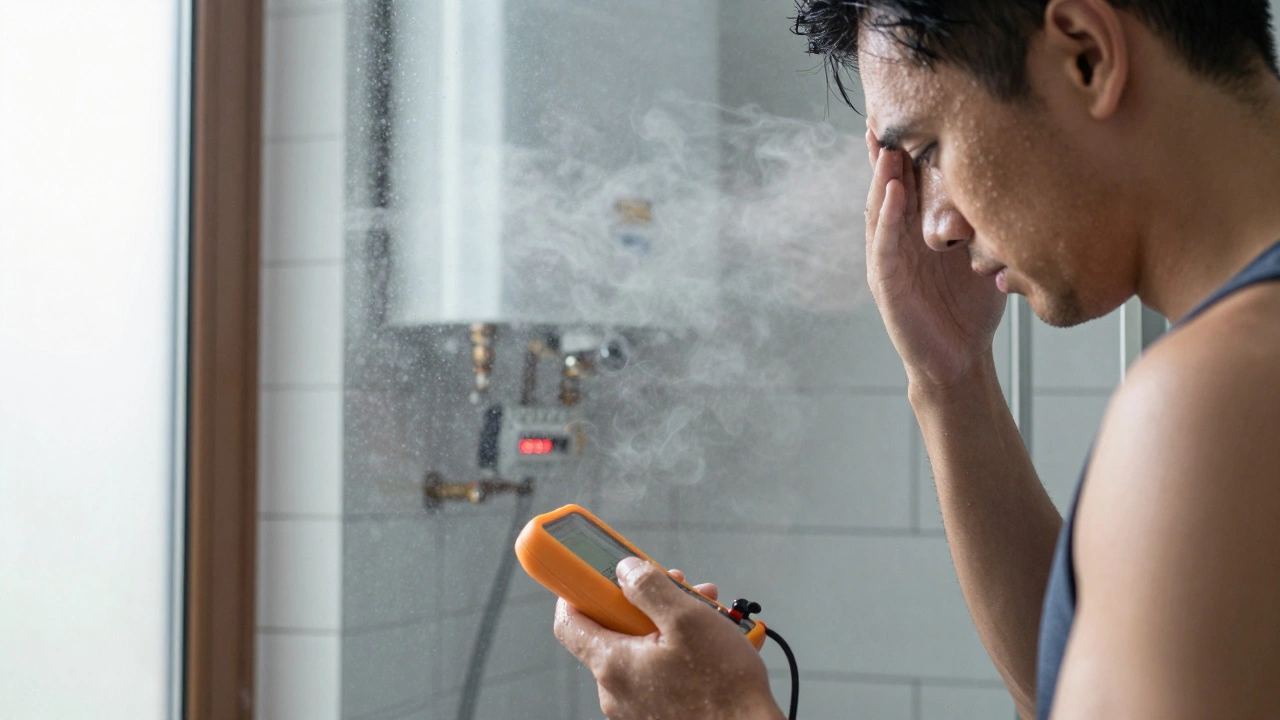
When your hot water suddenly stops, it's usually a simple fix-not a full system collapse. From tripped breakers to worn-out elements, here’s what’s likely wrong and how to fix it yourself.
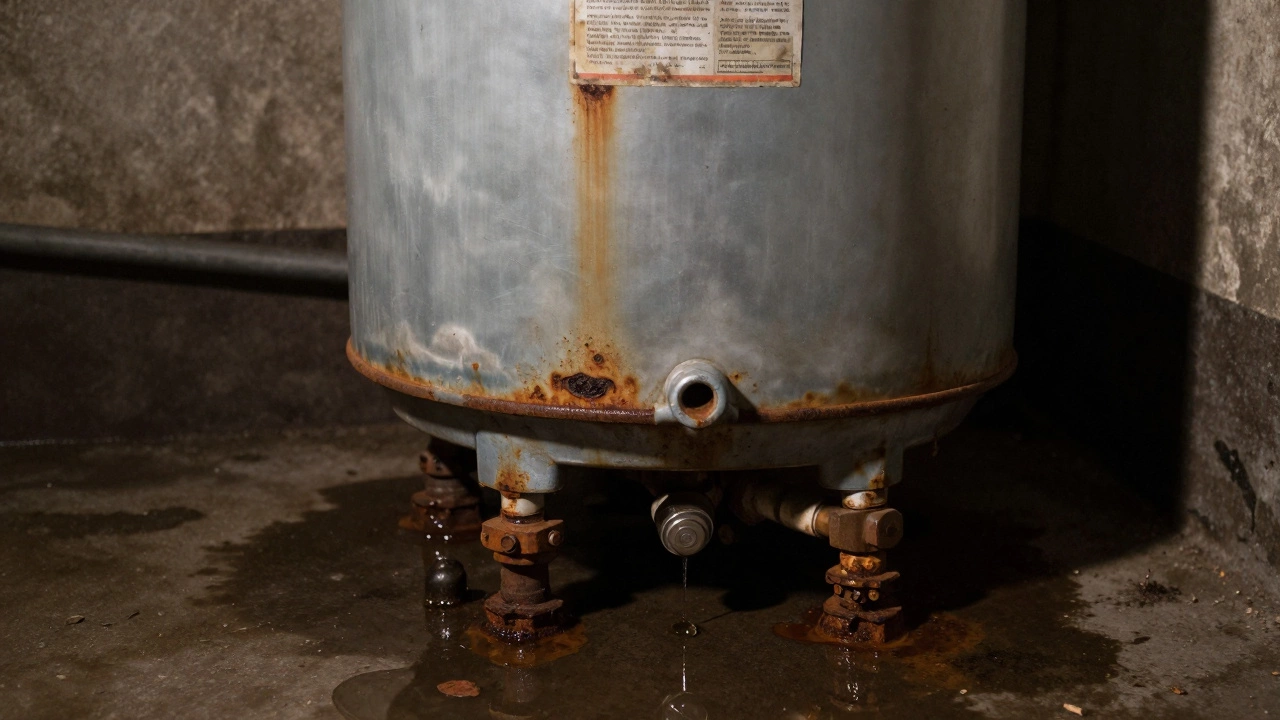
Water heaters fail in predictable ways-leaks, sediment, worn elements, or dead thermostats. Learn the top signs of failure and how to fix or replace them before it's too late.
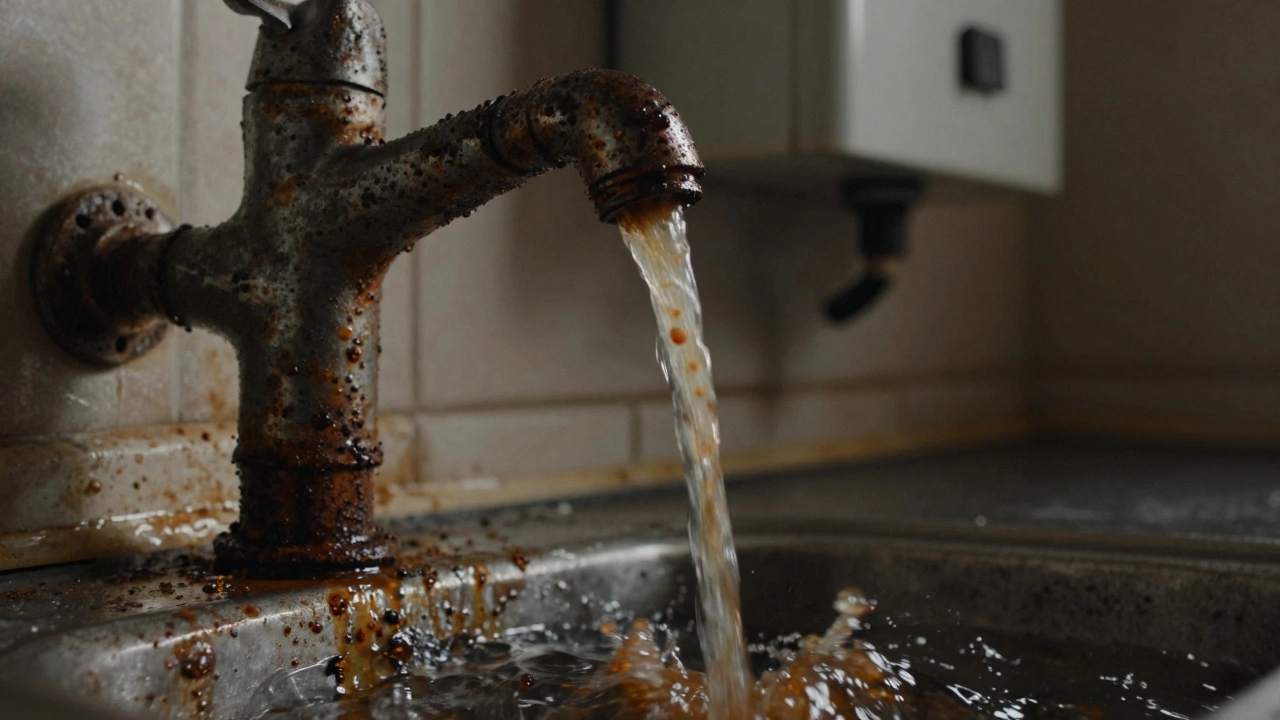
Watch for rusty water, leaks, strange noises, and high bills-these are the top red flags your water heater is failing. Know the signs before it breaks down and floods your home.
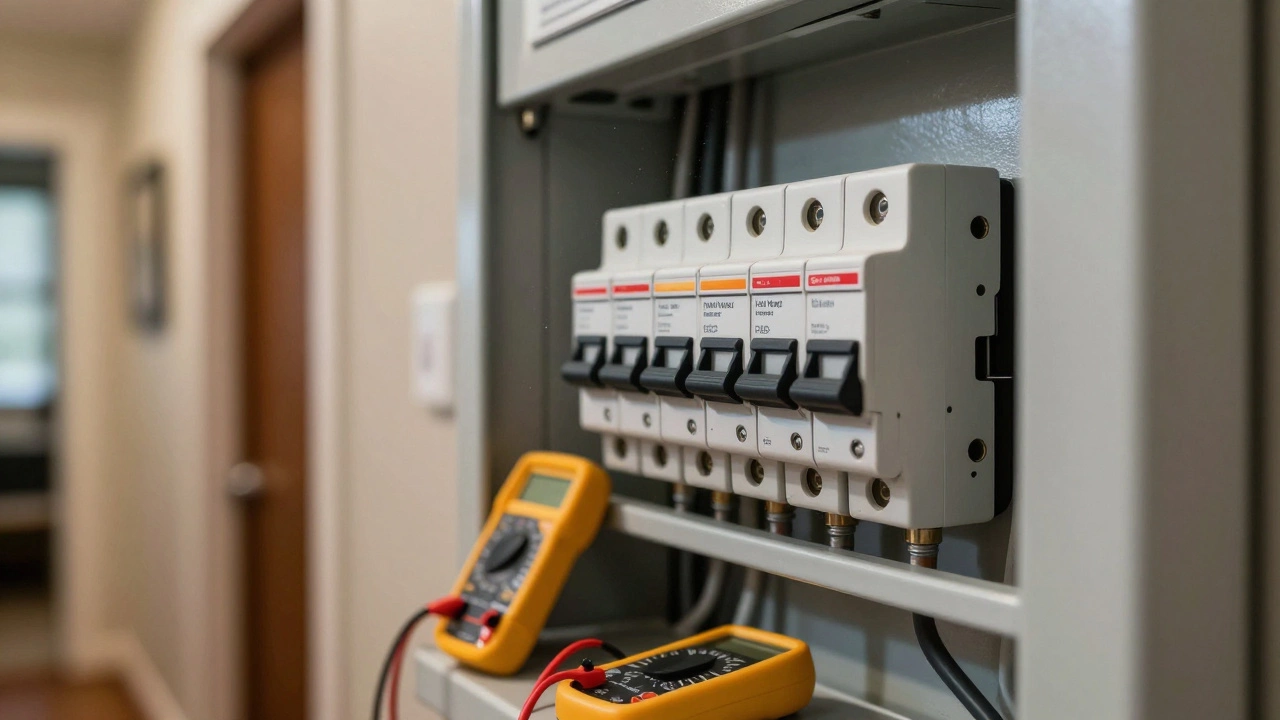
Your hot water heater won't kick on? It's often a simple fix-check the power, pilot light, thermostat, or sediment buildup. Learn how to diagnose and fix common causes before calling a plumber.
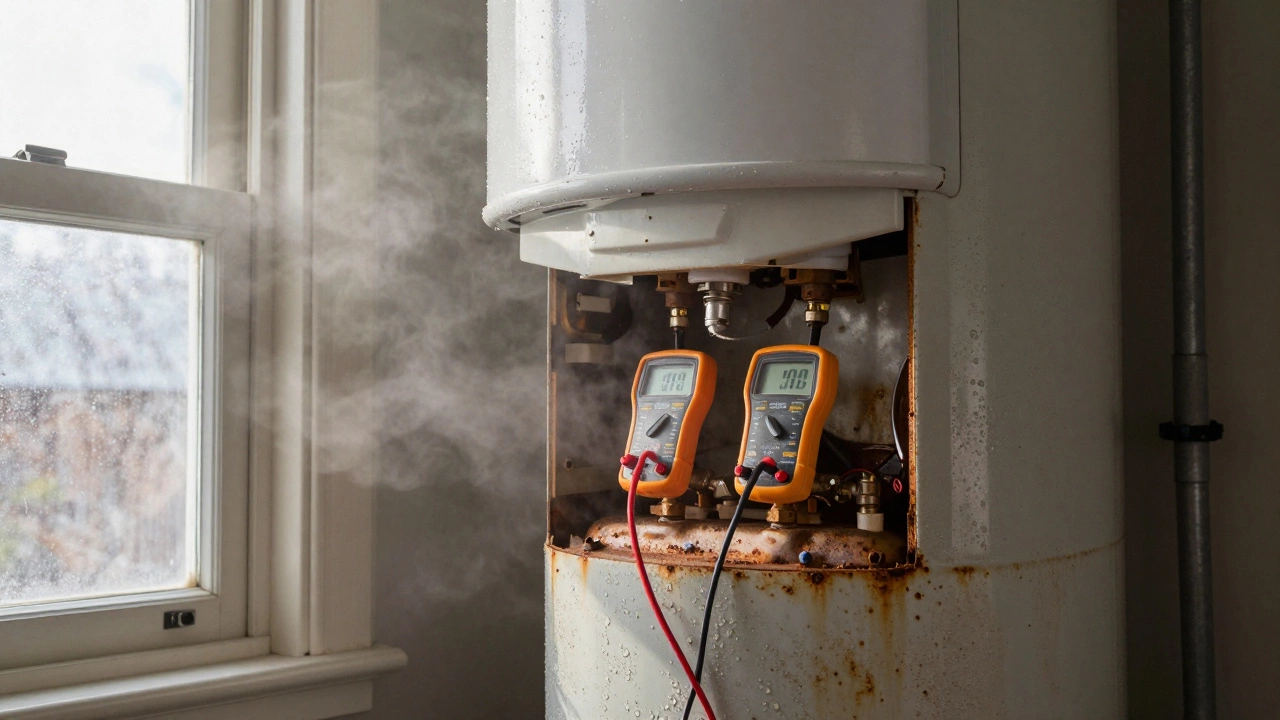
Your hot water heater stopped working suddenly? It could be a dead heating element, faulty thermostat, pilot light outage, or a leaking tank. Learn the most common causes and what to do next.
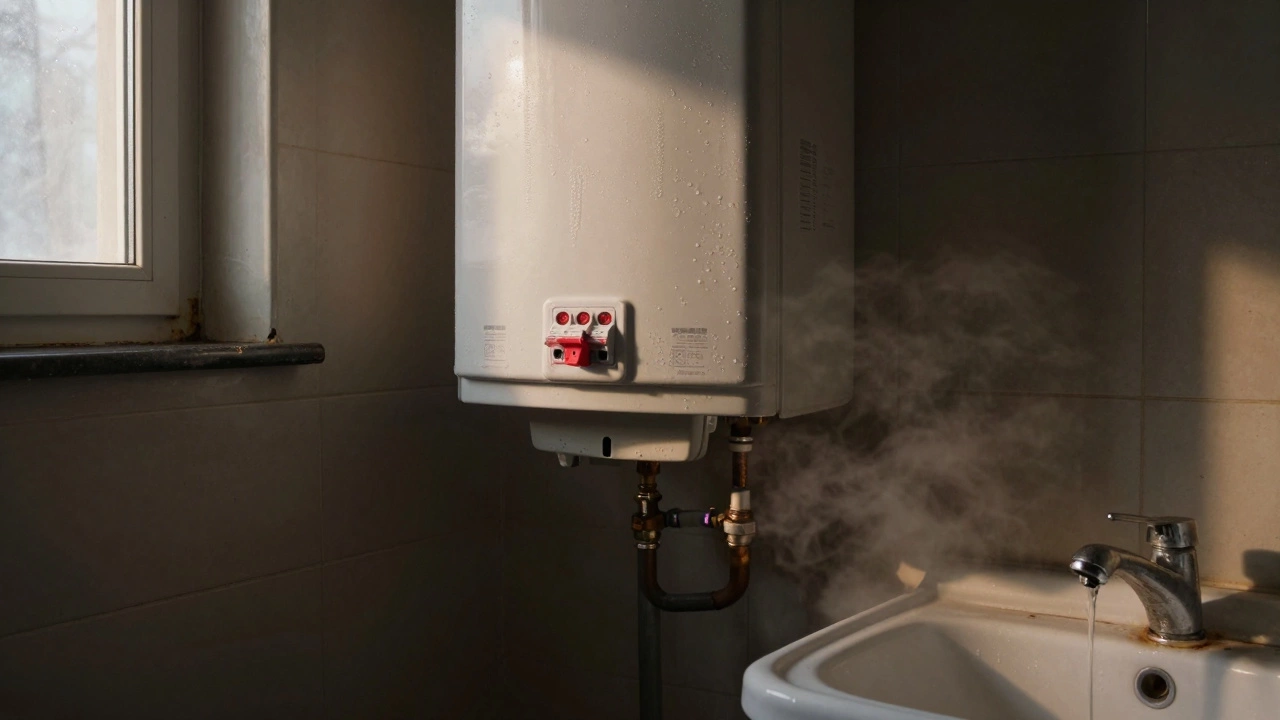
No hot water suddenly? Common causes include tripped breakers, pilot light outages, sediment buildup, or broken heating elements. Learn how to diagnose and fix it yourself before calling a pro.
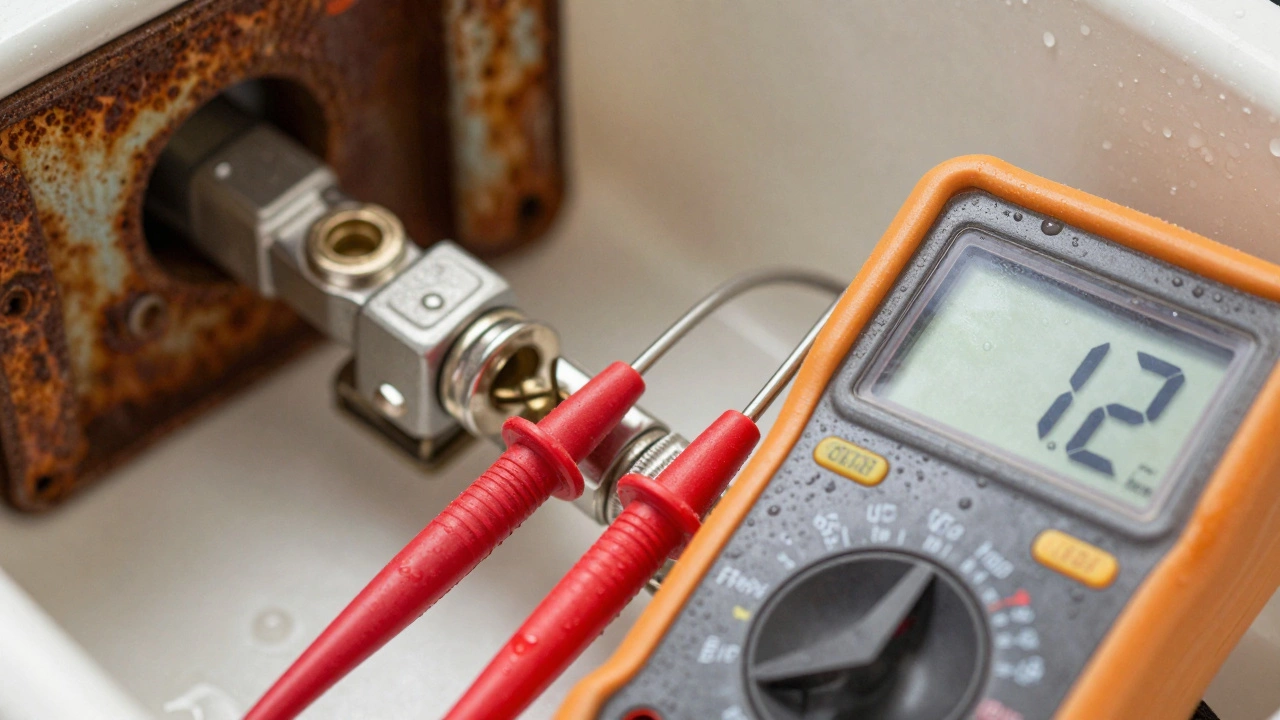
Learn how to test a water heater element with a multimeter to diagnose why your hot water isn’t working. Step-by-step guide for safe, DIY repairs on electric water heaters.
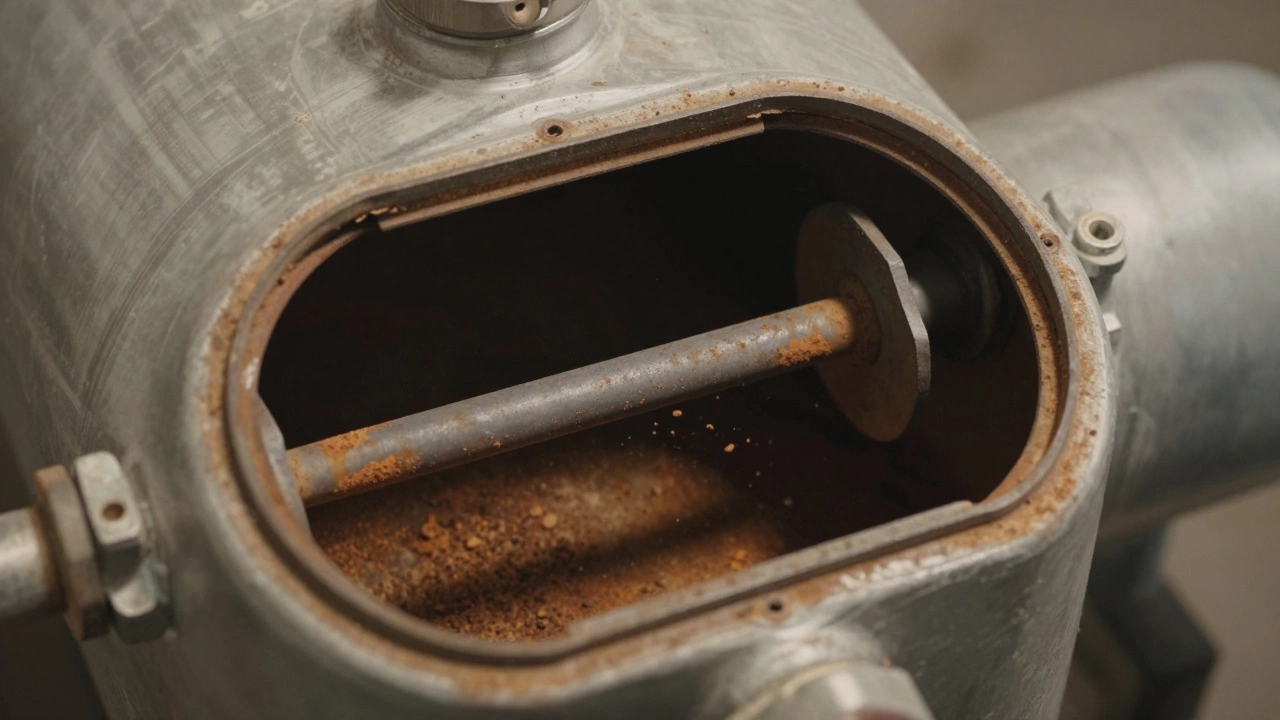
Most water heater failures are caused by a few common parts wearing out-like the anode rod, heating elements, or pressure valve. Learn what breaks most often and how to prevent costly replacements.
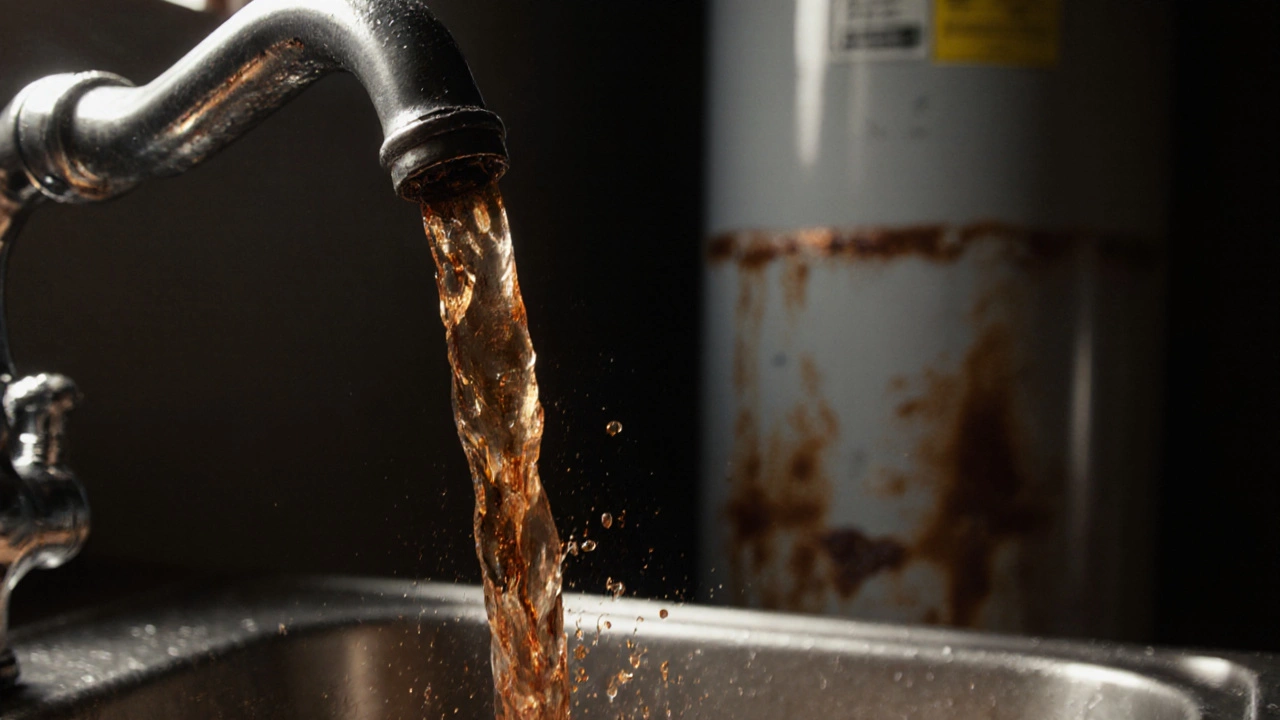
Watch for rusty water, strange noises, leaks, and rising bills-these are clear signs your water heater is failing. Know when to replace it before it breaks and floods your home.
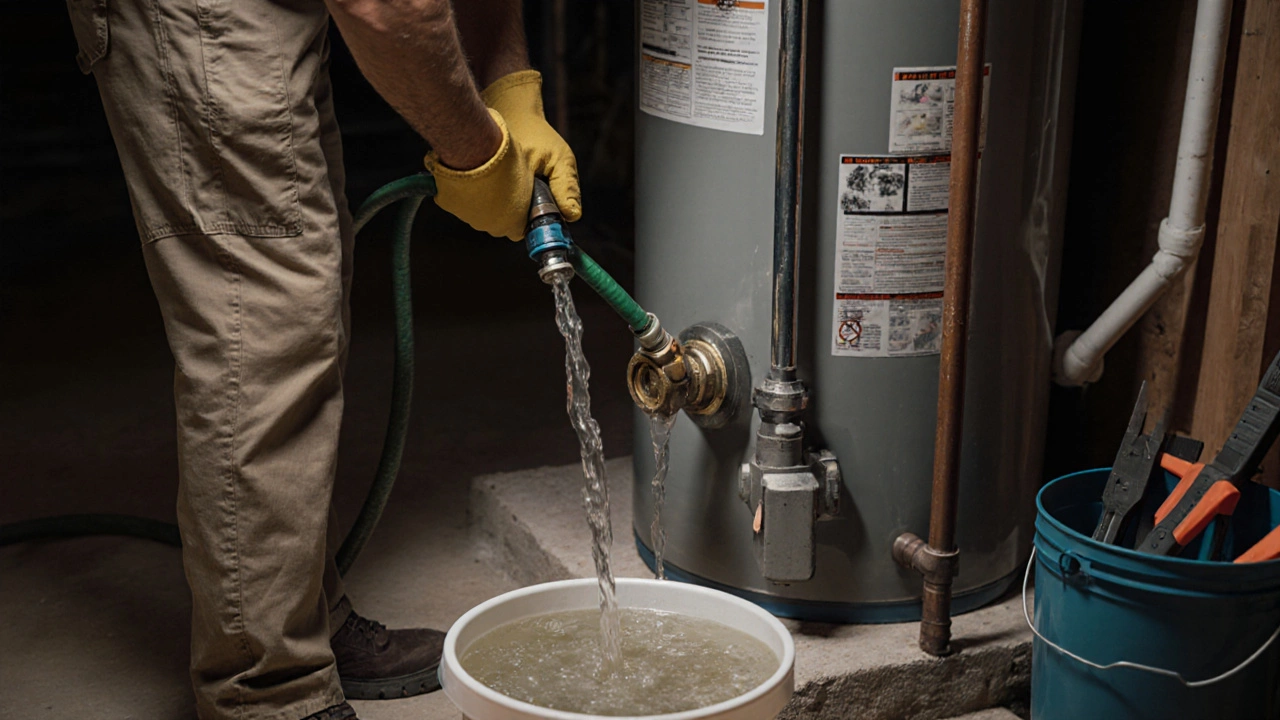
Flush your water heater once a year to prevent sediment buildup, lower energy bills, and avoid costly leaks. Learn how to do it yourself and when to call a pro.
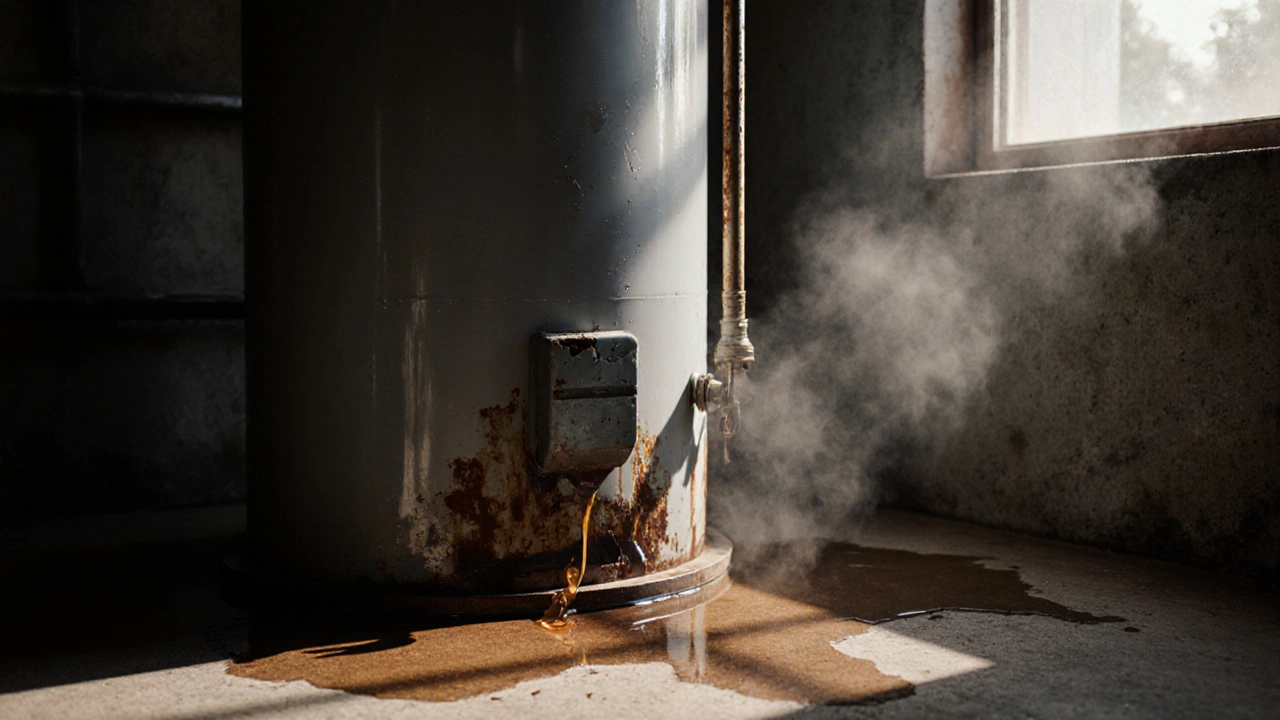
Learn the real signs your hot water heater is failing-rusty water, strange noises, low hot water, leaks, and age. Don't wait until it breaks. Get ahead of failure with practical advice for New Zealand homes.