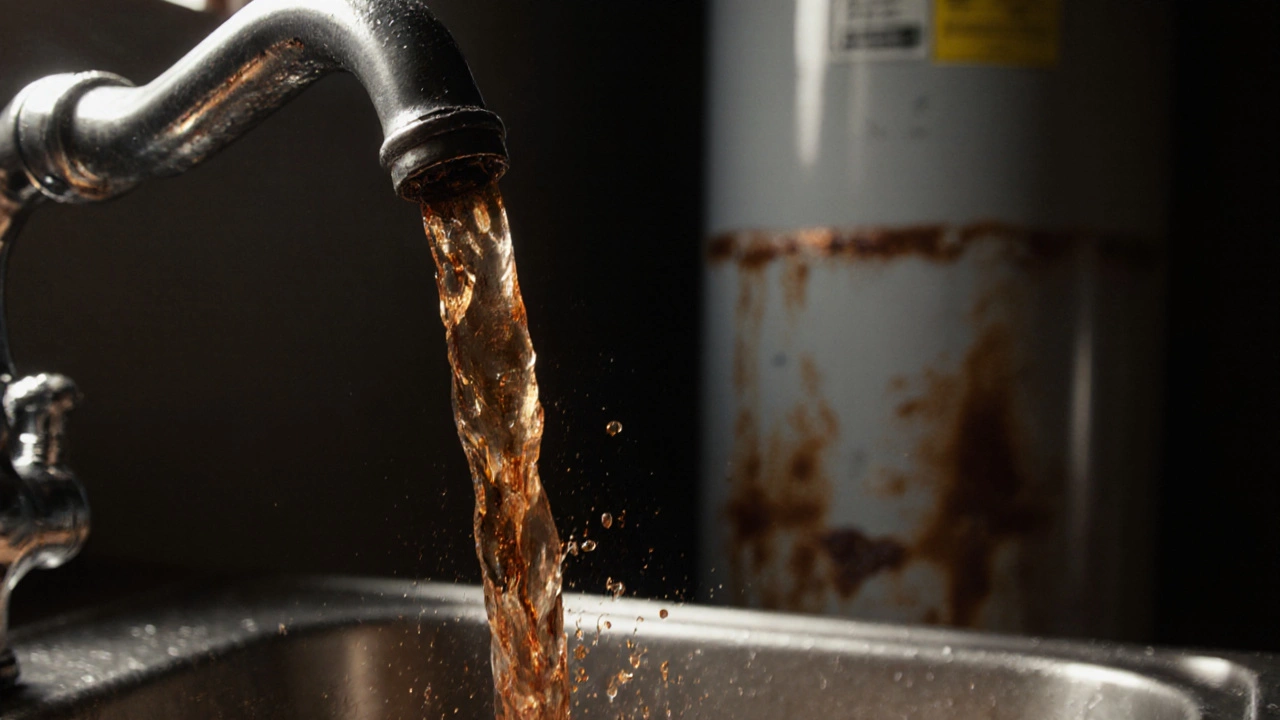
If your water heater suddenly stops giving you hot water, or you notice strange sounds or smells, it’s not just bad luck-it’s probably telling you it’s failing. Most water heaters last between 8 and 12 years, but many start showing warning signs well before they die completely. Ignoring these signs doesn’t save money; it just leads to bigger messes, higher bills, or even flooding. Here’s what to look for when your water heater is on its last legs.
1. Rusty or Discolored Water
Hot water coming out brown, orange, or yellow isn’t normal. It’s a clear sign that the inside of your tank is corroding. Water heaters have a sacrificial anode rod that attracts rust to protect the steel tank. When that rod wears out, the tank itself starts rusting from the inside. Once you see rusty water, especially from the hot tap only, the tank is likely compromised. No amount of flushing will fix this. If your water looks like weak tea, replacement is your only real option.
2. Water Leaking Around the Base
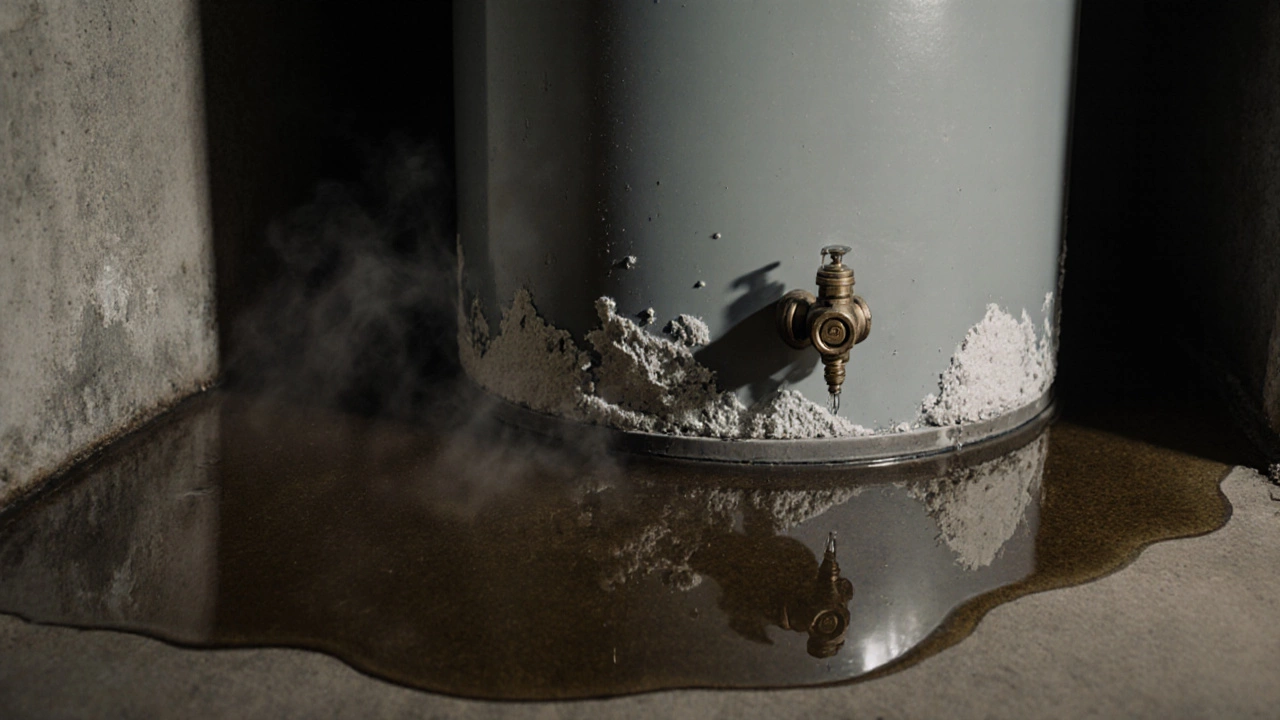
A small puddle under your water heater is not something to shrug off. It could be a loose fitting or a faulty pressure relief valve-both fixable. But if the leak is coming from the tank itself, that’s the end. Steel tanks don’t heal. Once the metal corrodes through, water escapes, and no patch job will hold. Check for moisture around the bottom, especially after running hot water. If you see dampness or mineral buildup (white, crusty residue), it’s a red flag. In Wellington’s damp climate, hidden leaks can rot floorboards before you even notice.
3. Strange Noises: Popping, Crackling, or Rumbling
That loud popping or rumbling sound? It’s not your imagination. It’s sediment-minerals like calcium and magnesium-building up at the bottom of the tank. When water heats up, it gets trapped under this layer, boils, and creates noise. Over time, this sediment layer insulates the heating element or gas burner, making your heater work harder and less efficiently. You’ll see higher energy bills, slower recovery times, and eventually, the overheating can crack the tank. Flushing the tank yearly helps, but if the noise has gotten worse over months, it’s too late for maintenance. The damage is done.
4. Inconsistent or No Hot Water
If you’re running out of hot water faster than before, or the water goes cold mid-shower, your heater isn’t holding heat like it used to. For electric models, one of the two heating elements may have failed. For gas models, the pilot light might be out, or the thermocouple is worn. But if you’ve checked the thermostat, reset the breaker, and confirmed the gas supply is on-and it still doesn’t work-then the tank itself may be losing heat due to internal damage or insulation failure. A heater that can’t maintain temperature is wasting energy and won’t get better.
5. Smelly or Sulfur-Smelling Water
That rotten egg smell isn’t from your pipes. It’s bacteria feeding on sulfur and reacting with the magnesium anode rod in your tank. It’s more common in areas with well water, but it happens in city supplies too. A quick fix is flushing the tank with hydrogen peroxide. But if the smell keeps coming back, it means the anode rod is fully consumed and the tank is now exposed to bacteria. At this point, replacing the rod might help-but if your heater is older than 8 years, you’re just delaying the inevitable. A new tank with an aluminum or zinc anode rod is a smarter long-term fix.
6. Age of the Unit
Check the serial number on the label. The first two digits usually tell you the year it was made. If your heater is over 10 years old and you’re seeing any of the signs above, you’re in the danger zone. Even if it’s still working, older units are less efficient, more prone to sudden failure, and often not covered by warranty. Waiting until it breaks completely means you’ll be without hot water overnight-often during winter in Wellington. Proactive replacement avoids emergency calls, which cost more and take longer to schedule.
7. Higher Energy Bills Without Increased Usage
Did your electricity or gas bill jump 15-20% this winter, and you didn’t change your habits? That’s a hidden cost of a failing water heater. Sediment buildup, worn insulation, or a failing element forces the unit to run longer and hotter to deliver the same amount of hot water. Modern heaters are 20-30% more efficient than models from 10 years ago. If you’re paying more to get less, you’re losing money every month. It’s not just about comfort-it’s about money leaking out of your wallet.
What to Do Next
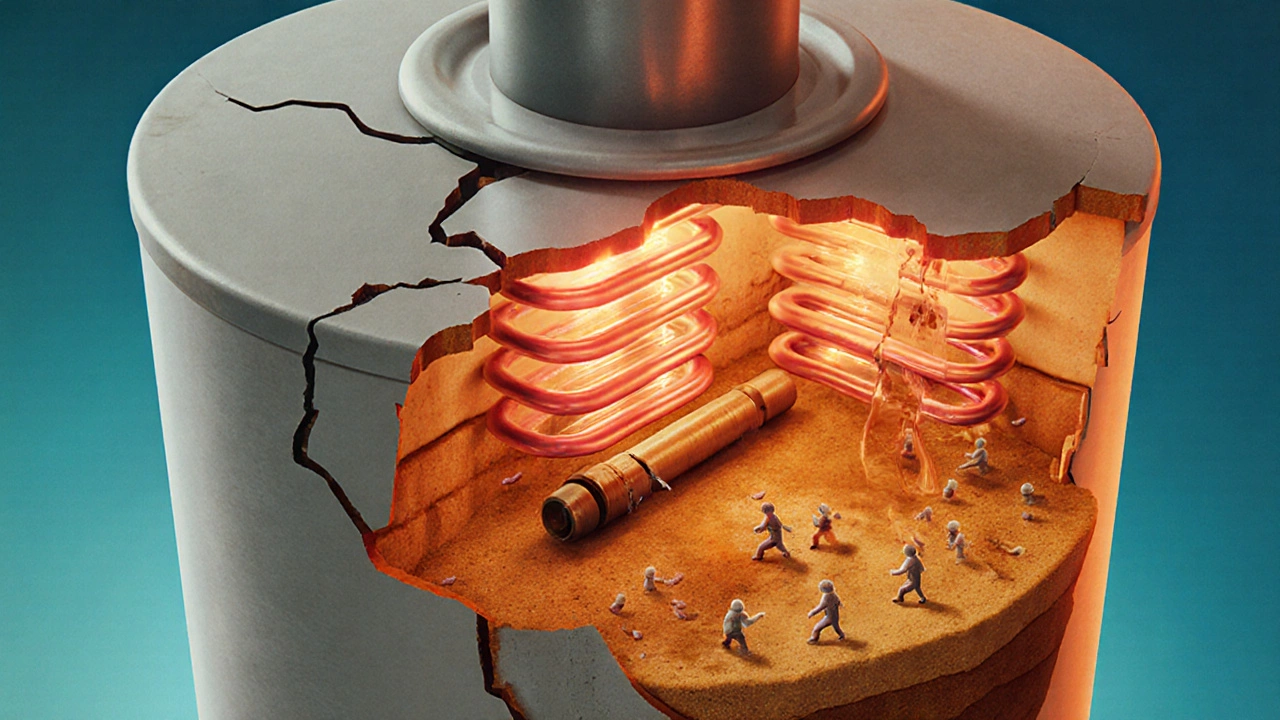
If you’ve noticed one or more of these signs, don’t wait. Call a licensed plumber to inspect it. They can test the pressure, check the anode rod, and confirm if the tank is still salvageable. But be prepared: if the tank is rusted, leaking, or over 10 years old, replacement is almost always the best choice. Repairing an old tank is like putting a bandage on a broken bone-it might hold for a while, but it won’t heal.
When replacing, consider a tankless water heater. They last 20+ years, save space, and only heat water when you need it. Or go with a high-efficiency storage tank with better insulation and a longer warranty. Either way, act before the water starts pooling on your floor.
Quick Checklist: Is Your Water Heater Failing?
- Is the water rusty or discolored? → Replace
- Is there water pooling under the unit? → Inspect source; tank leak = replace
- Are you hearing loud popping or rumbling? → Sediment buildup; flush or replace
- Do you run out of hot water quickly? → Element or tank failure likely
- Does the water smell like rotten eggs? → Anode rod or bacteria issue
- Is the unit over 8-10 years old? → Plan for replacement soon
- Have your energy bills risen without reason? → Inefficiency = cost over time
Water heaters don’t always fail with a bang. Most go quiet, slow, and steady-until they don’t. Pay attention to the small signs. They’re your early warning system.
How long does a typical water heater last?
Most traditional tank water heaters last between 8 and 12 years. Tankless models can last up to 20 years with proper maintenance. Age is the biggest factor-if yours is over 10, even if it’s still working, it’s nearing the end of its reliable life.
Can I fix a leaking water heater myself?
You can fix minor leaks from valves, pipes, or fittings with basic tools. But if the leak is coming from the tank itself, no DIY fix will work. Steel tanks corrode from the inside out, and once they leak, they’re done. Trying to patch a tank with epoxy or sealant is a temporary fix at best-and often leads to bigger damage later.
Why is my water heater making noise?
Rumbling or popping sounds are caused by sediment buildup at the bottom of the tank. Minerals in the water settle over time and form a layer. When the burner heats the water underneath, it boils trapped water, creating noise. Flushing the tank can help-but if the noise has gotten louder over months, the damage is already done. The sediment reduces efficiency and can crack the tank lining.
Should I replace my water heater before it breaks?
Yes-if it’s over 8 years old and showing signs like rust, noise, or inefficiency. Waiting until it fails means you lose hot water unexpectedly, often at night or during cold weather. Emergency replacements cost more, take longer to schedule, and leave you without basic comfort. Replacing it before it breaks gives you time to choose the right model and avoid stress.
What’s the difference between electric and gas water heaters?
Electric heaters use one or two heating elements and are easier to install, especially in homes without gas lines. Gas heaters heat water faster and are cheaper to run in areas with low gas prices, but they need proper ventilation and a gas line. Both types have similar lifespans, but gas models tend to recover hot water faster after heavy use.
How often should I flush my water heater?
Flush your water heater at least once a year to remove sediment. In areas with hard water, like parts of New Zealand, twice a year is better. Flushing improves efficiency, reduces noise, and extends the life of the tank. It’s a simple task you can do yourself with a garden hose and a bucket-or hire a plumber for under $100.
Are tankless water heaters worth it?
They cost more upfront-often double the price of a standard tank-but they last twice as long and use 20-30% less energy. They’re ideal for smaller homes or if you want endless hot water. But if you have a large family or use multiple appliances at once, you’ll need a model with enough flow rate. They’re also not ideal if your home has very hard water without a water softener.
What should I look for when buying a new water heater?
Look for energy efficiency ratings (like the Energy Factor or EF), tank size based on household size (e.g., 50-gallon for 3-4 people), warranty length (10+ years is best), and type (tank vs. tankless). Also check if the model is compatible with your home’s fuel source-gas, electric, or heat pump. Brands like Rheem, Bradford White, and AO Smith are reliable in New Zealand’s conditions.
What Happens If You Ignore the Signs?
Ignoring a failing water heater doesn’t make the problem go away. It just makes it worse. A tank that bursts can flood your home in minutes-damaging floors, walls, insulation, and even your neighbor’s property below. Insurance claims for water damage are among the most expensive home repairs. Plus, you’ll be stuck without hot water for days while waiting for repairs or replacement. The cost of ignoring the signs far exceeds the price of a new unit.
Water heaters are one of the most overlooked appliances in the home. But they’re also one of the most critical. Pay attention to the small signs-rust, noise, leaks, smell, age. They’re not random glitches. They’re the system telling you it’s time to move on. Don’t wait for the flood.
I am an expert in the services industry with a focus on appliance repair. My passion lies in understanding how things work and educating others in simple, engaging ways. This enthusiasm fuels my writing, where I delve into topics around appliance maintenance and troubleshooting. I aim to make these subjects clear and accessible to all readers.