Microwave Repair vs. Replace Calculator
Appliance Details
Results
Select your options above and click calculate to see if repairing your microwave is worth it.
Cost Breakdown:
The Heart of the Problem: Why Your Microwave Won't Heat
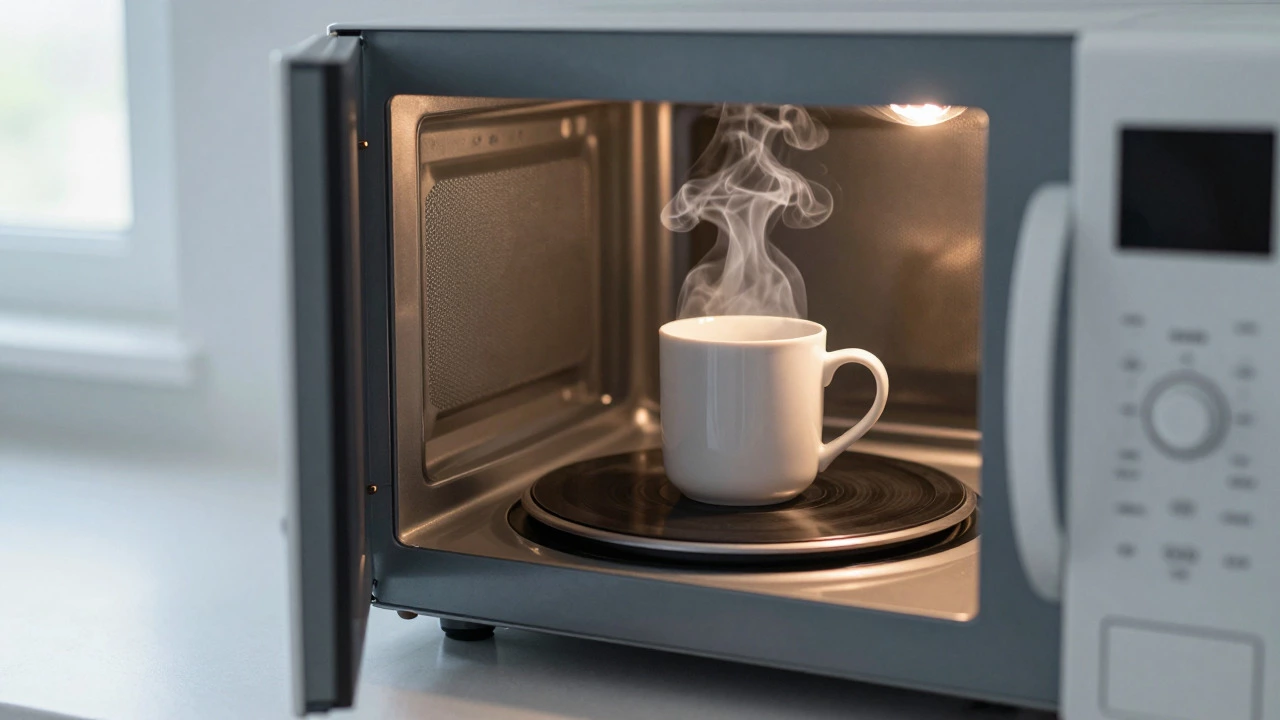
You put your coffee in the microwave, hit start, and hear the hum of the turntable spinning. But after two minutes, the cup is still cold. You check the settings. The clock is running. The light is on. Yet, nothing happens to the food. This is the classic symptom of a dead magnetron or a failing high-voltage component inside your appliance.
The magnetron is the engine of the microwave. Without it, you just have an expensive box with a light bulb and a fan. When this part fails, you are left with a tough decision: spend money on a repair that might not be worth it, or toss the whole unit and buy a new one. It’s a frustrating spot to be in, especially when you’re hungry and need that lunch heated up.
Before you call a technician or head to the store, you need to understand what actually broke. Is it really the magnetron? Or is it something cheaper and easier to fix? Let’s break down the costs, the risks, and the reality of microwave repairs in 2026.
How Much Does a Magnetron Actually Cost?
Let’s get the numbers out of the way first, because that’s usually the deciding factor. A replacement magnetron itself isn’t incredibly expensive. Depending on the brand and wattage, you can find a compatible magnetron for anywhere between $30 and $80 online. If you buy from a local parts supplier, it might run a bit higher, around $50 to $100.
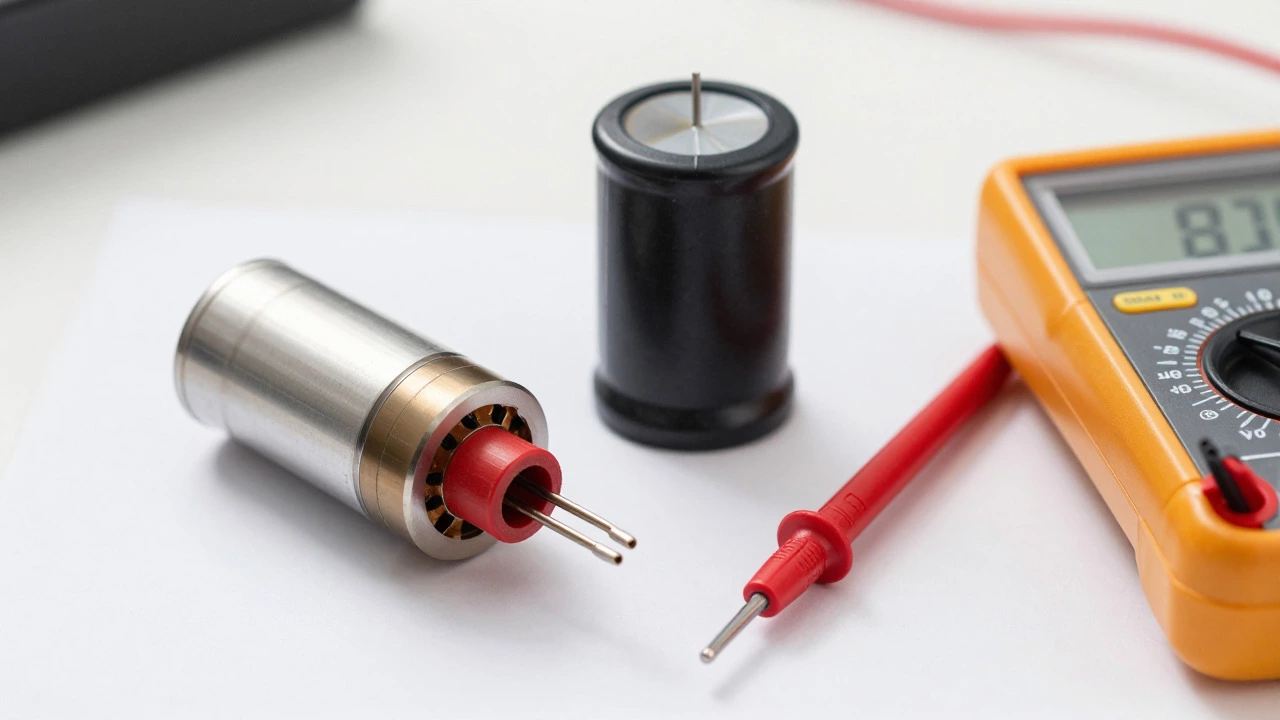
But here is the catch: you rarely buy just the magnetron. To do the job right and safely, you often need to replace other high-voltage components at the same time. Think of it like changing the oil in your car; you don’t just change the oil, you check the filter too. In a microwave, the high-voltage capacitor stores a lethal electric charge even when unplugged. If it’s old, it’s risky. The high-voltage diode converts household voltage to the thousands of volts needed by the magnetron. These parts wear out together.
| Component / Service | DIY Parts Cost | Professional Labor |
|---|---|---|
| Magnetron only | $30 - $80 | $150 - $250 (call-out + labor) |
| Magnetron + Capacitor + Diode Kit | $60 - $120 | $200 - $350 |
| New Entry-Level Microwave | $80 - $150 | $0 |
| New Mid-Range Microwave | $150 - $300 | $0 |
If you hire a professional, the labor cost will dwarf the price of the part. Technicians charge for their time, expertise, and insurance. A standard service call in most regions starts around $100 just to show up. Once they open the unit and diagnose the issue, adding another hour or two of work pushes the total bill to $200 or more. For a basic countertop microwave that costs $100 new, paying $250 to fix it makes zero financial sense.
The Hidden Danger: Why DIY Isn't Always Smart
I know the internet is full of videos showing people taking apart microwaves with a screwdriver. It looks easy. It’s not. Microwaves deal with high-voltage electricity in a very small space. The danger isn’t just getting shocked; it’s dying from it.
Even if you unplug the microwave, the high-voltage capacitor can hold a charge of over 2,000 volts for days. One wrong move with a screwdriver while discharging it, and you could suffer severe burns or cardiac arrest. This isn’t fear-mongering; it’s physics. Unlike a toaster or a blender, a microwave has no internal fuses that protect you from stored energy in the same way.
Furthermore, microwaves contain materials that require careful handling. The waveguide cover (the mica sheet) can degrade and cause arcing. If you replace the magnetron but ignore a damaged waveguide, the new part will fail quickly. Proper reassembly requires specific torque settings and sealing techniques to prevent microwave leakage. Leakage above safe limits can cause tissue damage to eyes and skin over time.
When Is It Actually Worth Repairing?
So, is it ever worth it? Yes, but only under specific conditions. Here is the rule of thumb I use: if the microwave is a high-end built-in model, a steam-convection oven combo, or a commercial-grade unit used in a restaurant kitchen, repair is often justified.
Built-in microwaves installed above ranges or inside cabinetry cost between $400 and $1,500. Removing and reinstalling one involves electrical work and potential cabinet modification. Paying $200 to save $800 is a smart move. Similarly, if you have a dual-fuel range with a built-in microwave drawer, the integration value is high. Replacing the whole appliance means ripping out countertops.
For standard countertop models, however, the math rarely works. A decent new microwave with modern features like sensor cooking, inverter technology (for more even heating), and better safety standards costs less than a professional repair. Plus, you get a fresh warranty. Most new microwaves come with a one-year limited warranty, whereas a repaired unit has no guarantee beyond the technician’s word.
Checklist: Before You Commit to Repair
Don’t jump to conclusions that the magnetron is dead. Sometimes, the problem is much simpler and cheaper to fix. Run through this checklist before spending any money:
- Listen for sounds: Does the microwave hum loudly but not heat? That’s a bad magnetron or diode. Does it make a loud buzzing or rattling noise? That could be a failing turntable motor or a loose component.
- Check the door switch: If the light comes on but the microwave doesn’t start, the interlock switches might be faulty. These are cheap ($10-$20) and easy to test with a multimeter.
- Inspect the fuse: Many microwaves have a thermal fuse on the blower motor or near the transformer. If this blows, the whole unit stops working. It’s a $5 part.
- Look for arcing: Do you see sparks inside? Check the waveguide cover. If it’s burnt or missing, replace it. It’s a $10 fix that can save the magnetron.
- Test the outlet: Sounds silly, but try plugging a lamp into the same socket. If the lamp doesn’t work, your wall outlet is the problem, not the microwave.
If all these checks pass and the microwave still doesn’t heat, then yes, the high-voltage system (magnetron, capacitor, or diode) is likely the culprit.
The Environmental Angle: Repair vs. Replace
In 2026, we’re all thinking more about e-waste. Throwing away a perfectly good mechanical unit just because one electronic component failed feels wasteful. And honestly, it is. Landfills are overflowing with electronics containing rare earth metals and plastics that take centuries to decompose.
However, there’s a balance. If repairing an old, inefficient microwave uses significant resources (shipping parts, technician travel emissions) and results in an appliance that consumes more electricity than a new Energy Star-rated model, the environmental benefit shrinks. Newer microwaves are more efficient. They heat food faster and use less power per minute of operation.
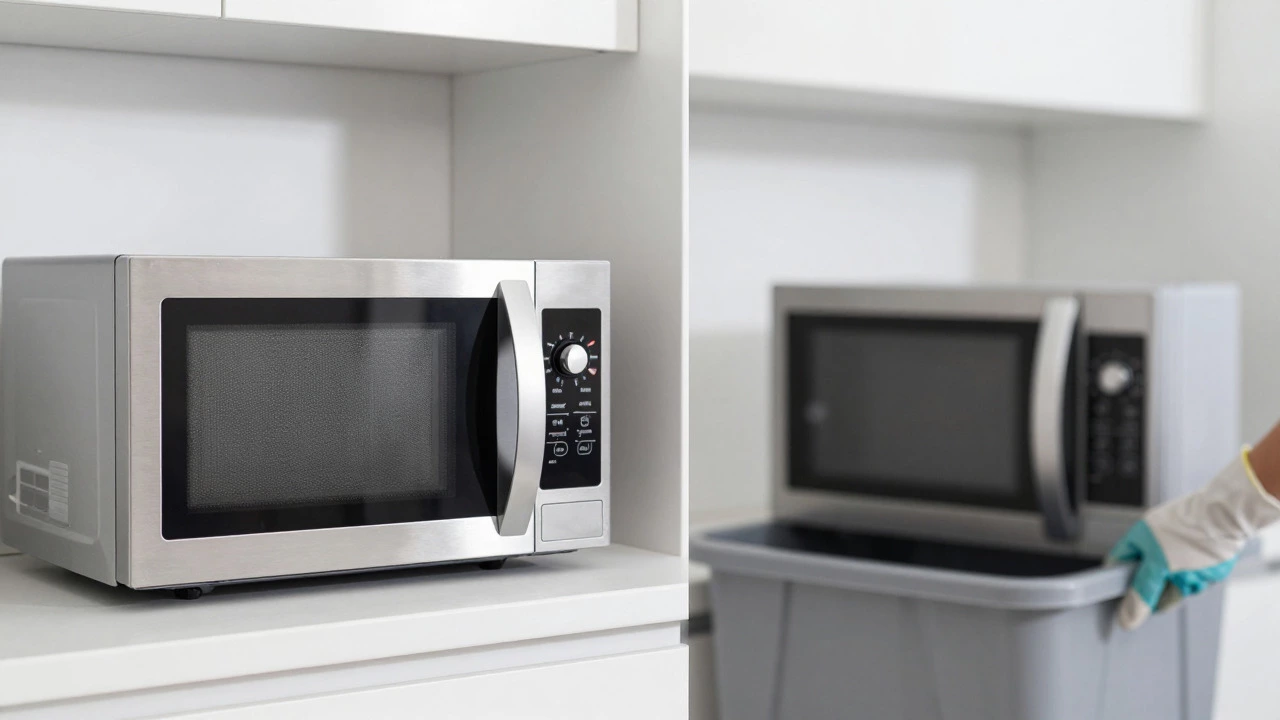
If you choose to repair, consider donating the old unit if it’s still functional in other ways, or recycle it properly through a certified e-waste facility. Never throw a microwave in the regular trash. The magnetron contains beryllium copper, which is toxic if broken down improperly.
Final Verdict: Make the Call
Here is the bottom line. If you have a basic, five-year-old countertop microwave, replace it. The cost of a new unit is comparable to or less than the repair cost, and you’ll have peace of mind with a warranty. The risk of improper repair outweighs the savings.
If you have a premium built-in model, a convection microwave, or a commercial unit, hire a professional to replace the magnetron and related high-voltage components. It’s a worthwhile investment to extend the life of an expensive appliance.
And if you’re handy, cautious, and willing to accept the risk, you can attempt a DIY repair on a low-value unit. But please, educate yourself thoroughly on capacitor discharge procedures first. Your safety is worth more than any microwave.
Can I replace just the magnetron without replacing the capacitor and diode?
Technically, yes, but it is not recommended. The magnetron, capacitor, and diode form a circuit that wears out together. If the magnetron failed due to a surge, the diode or capacitor may also be weakened. Replacing all three ensures reliability and prevents future failures. It adds minimal cost to the parts kit but significantly increases the longevity of the repair.
How long does a microwave magnetron last?
A typical magnetron lasts between 7 to 10 years with normal home use. Heavy usage, such as in a restaurant or daily heavy-duty heating, can shorten this lifespan to 3 to 5 years. Signs of impending failure include longer heating times, uneven heating, or unusual noises during operation.
Is it dangerous to open a microwave to check the magnetron?
Yes, it can be extremely dangerous. Even when unplugged, the high-voltage capacitor retains a lethal charge. Only qualified technicians with proper training and tools should open the high-voltage compartment. Attempting this without knowledge can result in severe electric shock or death.
Why is my microwave humming but not heating?
This is the most common symptom of a failed magnetron. The hum comes from the transformer trying to power the magnetron, but since the magnetron is dead, no microwaves are generated. Other causes include a blown high-voltage diode or a shorted capacitor. All three issues require high-voltage component replacement.
Can a microwave leak radiation if the magnetron is broken?
If the magnetron is completely dead, it cannot generate microwaves, so there is no radiation leak from the magnetron itself. However, if the microwave is operating intermittently or sparking, the door seals or waveguide cover might be damaged, leading to potential leakage. Always ensure the door closes tightly and latches securely before using any microwave.
I am an expert in the services industry with a focus on appliance repair. My passion lies in understanding how things work and educating others in simple, engaging ways. This enthusiasm fuels my writing, where I delve into topics around appliance maintenance and troubleshooting. I aim to make these subjects clear and accessible to all readers.