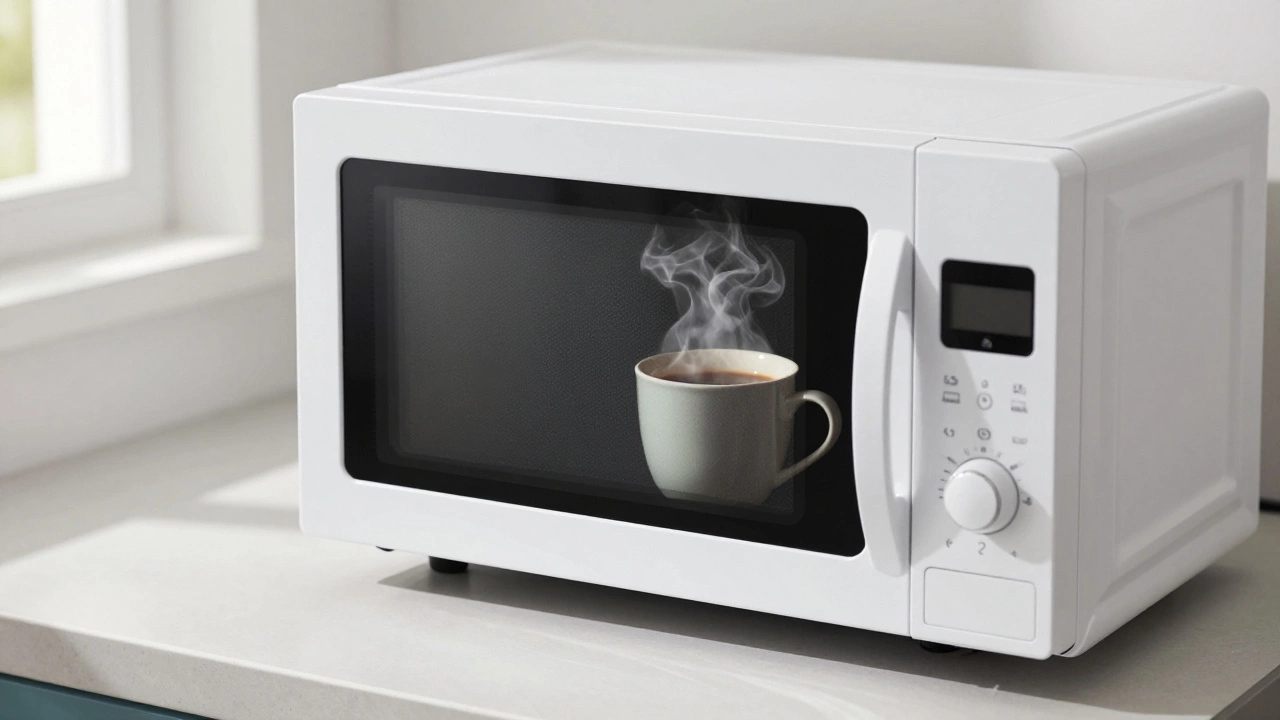
Microwave Fuse Diagnostic Tool
Select the behavior of your microwave:
Your microwave hums but doesn’t heat. You press start, the turntable spins, but your coffee stays cold. It’s frustrating, and before you toss that expensive appliance into the bin, there is one small component that might be the culprit. That component is the microwave fuse, a critical safety device designed to protect your oven from electrical surges. Knowing whether this tiny part has failed can save you hundreds of dollars in unnecessary replacement costs.
Diagnosing a blown fuse isn’t just about looking at a piece of wire; it requires understanding how electricity flows through your kitchen appliance. If you get this wrong, you risk electrocution or further damaging the unit. This guide walks you through the exact steps to identify a faulty fuse, the tools you need, and when it’s safer to call a professional.
Why Microwaves Have Fuses
To understand if your fuse is blown, you first need to know what it does. Unlike a standard lightbulb fuse, a thermal cutout fuse inside a microwave operates under extreme conditions. Its job is simple but vital: it breaks the circuit if the temperature gets too high or if there is an electrical short.
Microwaves generate intense heat using a magnetron, the tube that produces microwaves. If the magnetron overheats due to poor ventilation or a manufacturing defect, the thermal fuse blows to prevent a fire. There are also primary fuses that handle power surges from your home’s grid. When these fail, the entire unit dies instantly. No lights, no sound, no spin. Recognizing this total blackout is often the first clue that a fuse issue exists.
Safety First: The Hidden Danger
Before you even think about opening the casing, you must respect the danger inside. Even when unplugged, a microwave stores lethal amounts of energy in its high-voltage capacitor. This component can hold a charge of over 2,000 volts long after you’ve pulled the plug. Touching it without discharging it properly can cause severe injury or death.
If you are not comfortable working with high-voltage electronics, stop here and hire a technician. However, if you decide to proceed, follow these non-negotiable rules:
- Unplug the unit: Never work on a plugged-in microwave.
- Discharge the capacitor: Use an insulated screwdriver to bridge the terminals of the capacitor carefully. This releases the stored energy.
- Wear rubber-soled shoes: This adds a layer of insulation between you and the ground.
- Work on a dry surface: Moisture conducts electricity. Keep your workspace dry.
Visual Signs of a Blown Fuse
Once you have safely opened the microwave-usually by removing screws from the back or bottom panel-you can look for visual cues. A blown thermal fuse often shows physical signs of failure. Look for the following indicators:
- Burnt Marks: Inspect the area around the fuse holder. Black scorch marks on the white plastic housing suggest excessive heat was generated, likely blowing the fuse.
- Melted Plastic: If the plastic surrounding the fuse wires is deformed or melted, the internal element has likely broken.
- Broken Wire: In some older models, you might see a visible gap in the thin metal wire inside the glass or ceramic tube of the fuse.
However, visual inspection alone isn’t always reliable. Some fuses blow internally without leaving obvious external damage. To be sure, you need to test the continuity.
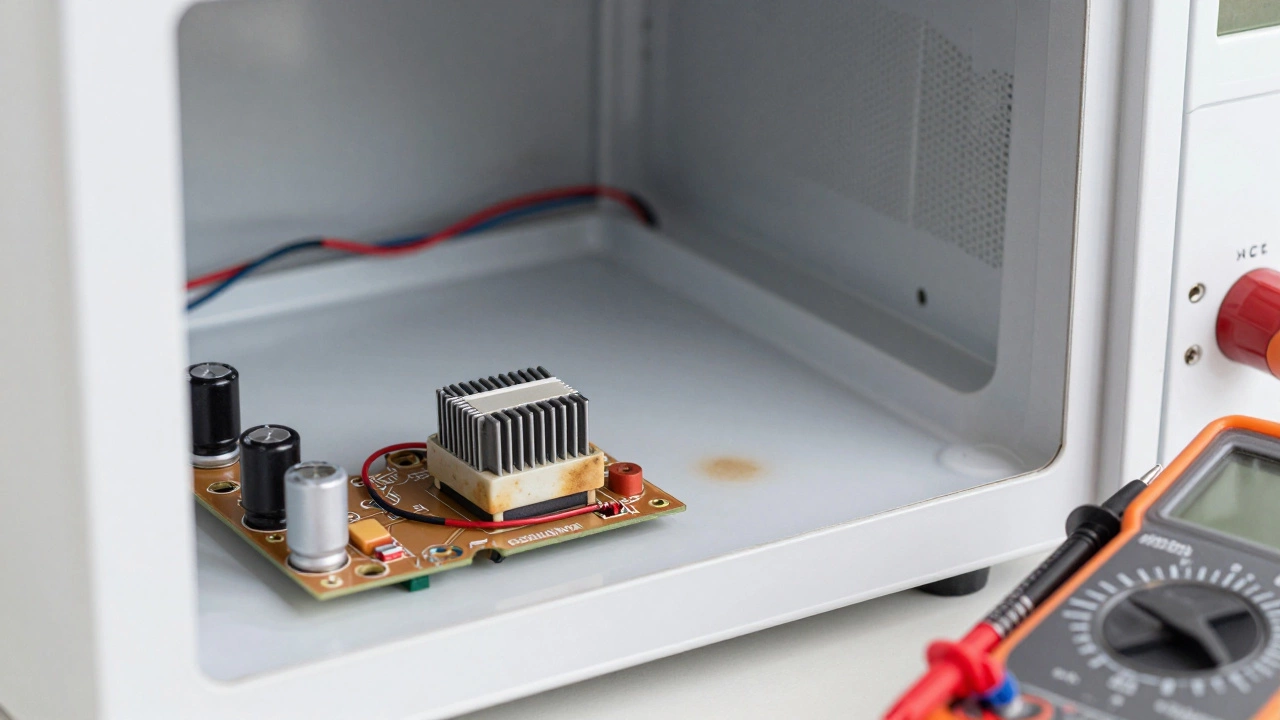
Testing Continuity with a Multimeter
The most accurate way to confirm a blown fuse is using a digital multimeter. This tool measures electrical resistance. If the circuit is complete, current flows freely, and the meter reads zero or near-zero ohms. If the fuse is blown, the circuit is open, and the meter will show "OL" (Over Limit) or infinity.
Here is how to perform the test:
- Set the Multimeter: Turn your dial to the resistance setting (Ohms, symbolized by Ω). Choose the lowest range available, usually 200Ω.
- Touch the Probes: Place one probe on each terminal of the fuse. Ensure good contact.
- Read the Display:
- Continuity Present: The reading is close to 0. The fuse is good.
- No Continuity: The reading is OL or 1. The fuse is blown.
If your multimeter has a continuity beep function, turn it on. A continuous beep means the fuse is intact. Silence means it’s dead. This method removes any guesswork from the diagnosis.
Common Causes of Fuse Failure
Replacing a fuse is only half the battle. If you don’t address the root cause, the new fuse will blow again immediately. Understanding why fuses fail helps you avoid recurring issues.
| Cause | Description | Risk Level |
|---|---|---|
| Power Surges | Sudden spikes in household voltage during storms or grid fluctuations. | Low |
| Magnetron Overheating | The magnetron runs too hot due to blocked vents or fan failure. | High |
| Short Circuit | Damaged wiring or moisture ingress causes electricity to leak. | Very High |
| Aging Components | Fuses degrade over time, especially in units older than 10 years. | Medium |
For instance, if your microwave’s cooling fan is clogged with grease, the magnetron overheats. The thermal fuse detects this rise in temperature and cuts power. Simply replacing the fuse won’t fix the problem. You must clean the vents and ensure the fan spins freely. Similarly, if you live in an area with frequent lightning storms, consider using a surge protector for your kitchen outlets.
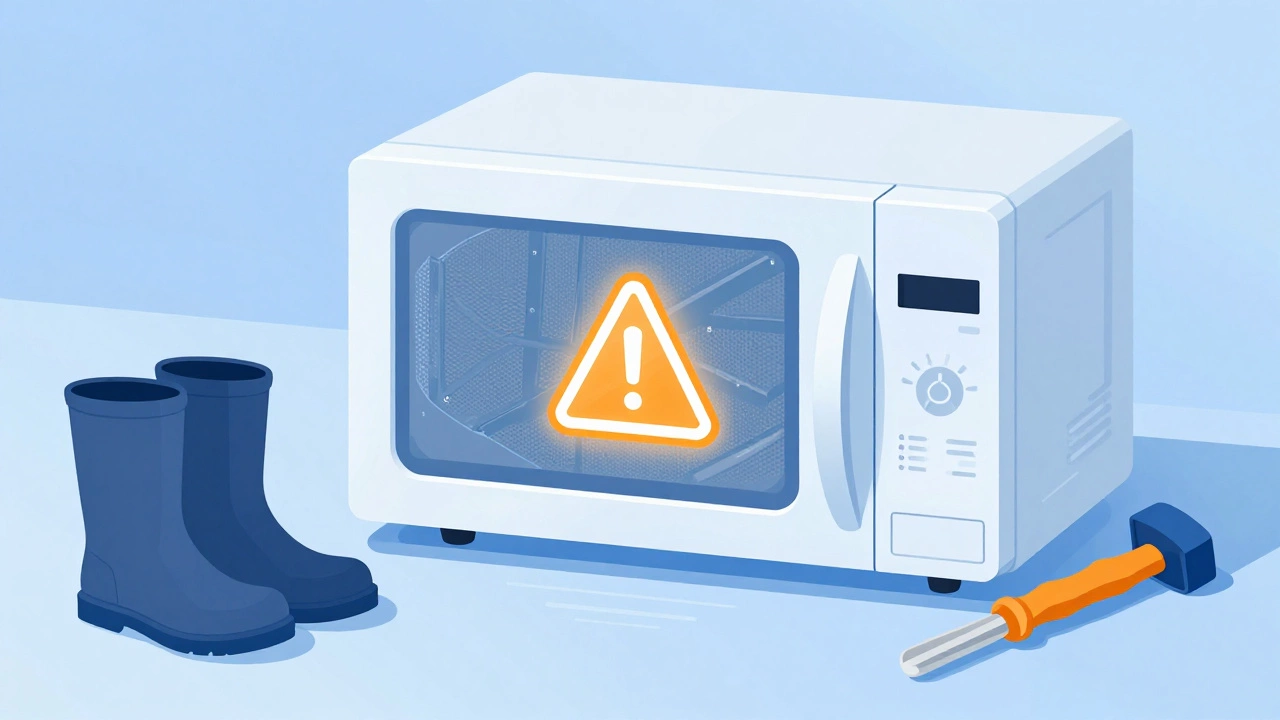
When Not to Replace the Fuse Yourself
While testing a fuse is straightforward, repairing the underlying issue can be complex. If the multimeter shows no continuity, check the door switch as well. A faulty door switch can cause arcing, which may blow the fuse. If you find multiple components damaged, it’s often more cost-effective to replace the entire microwave rather than sourcing individual parts.
Also, consider the age of your appliance. If your microwave is over seven years old, efficiency drops, and parts become harder to find. Investing time and money into a failing unit might not be worth it. In such cases, consulting a certified appliance repair technician provides peace of mind and ensures the job is done safely.
Conclusion
Knowing how to check if your microwave fuse is blown empowers you to make informed decisions about your appliance. By visually inspecting for burn marks and testing continuity with a multimeter, you can accurately diagnose the issue. Always prioritize safety by discharging the capacitor and respecting high-voltage components. If the root cause involves complex electrical faults or aging hardware, seek professional help to ensure your kitchen remains safe and functional.
Can I replace a microwave fuse myself?
Yes, but only if you are experienced with electrical repairs and follow strict safety protocols. You must discharge the high-voltage capacitor before touching any internal components. If you are unsure, hire a professional.
What does a blown microwave fuse look like?
A blown fuse may show black scorch marks, melted plastic around the terminals, or a visible break in the internal wire. However, some fuses blow without external signs, so testing with a multimeter is essential.
Why did my microwave fuse blow?
Common causes include power surges, magnetron overheating due to poor ventilation, short circuits from damaged wiring, or general wear and tear in older appliances.
Is it dangerous to open a microwave?
Yes, it can be extremely dangerous. Microwaves contain high-voltage capacitors that store lethal charges even when unplugged. Proper discharge procedures and safety gear are mandatory.
How do I test a fuse with a multimeter?
Set the multimeter to the resistance (Ohms) setting. Touch the probes to each terminal of the fuse. A reading near zero indicates continuity (good fuse), while "OL" or infinity indicates no continuity (blown fuse).
I am an expert in the services industry with a focus on appliance repair. My passion lies in understanding how things work and educating others in simple, engaging ways. This enthusiasm fuels my writing, where I delve into topics around appliance maintenance and troubleshooting. I aim to make these subjects clear and accessible to all readers.