Microwave Lifespan & Decision Calculator
Enter your microwave's details below to estimate its health status and get a recommendation on whether to keep, repair, or replace it.
Recommendation
Fill out the form and click Analyze to see if you should keep, repair, or replace your microwave.
You’re staring at your kitchen counter, wondering if that humming box is about to quit on you. It’s a common worry. The average microwave lasts between seven and ten years. But here’s the kicker: most people throw them out way too early because of minor glitches, or they keep a dying unit running until it sparks into oblivion. Knowing the real timeline saves you money and stress.
The Real Numbers Behind Microwave Durability
Manufacturers often quote conservative estimates, but real-world data tells a different story. According to the National Association of Home Builders, the median life expectancy for a built-in microwave is roughly nine years, while countertop models hover around seven. Why the difference? Built-ins are often better ventilated and less prone to physical bumps. If you treat your appliance well, hitting the ten-year mark is totally possible. If you abuse it-like running it empty or slamming the door-you might be shopping for a new one in year five.
It’s not just about time; it’s about usage intensity. A family of four reheating leftovers daily puts more wear on the magnetron than a single person using it twice a week for popcorn. Think of it like car mileage. Ten years of light driving is very different from ten years of stop-and-go city traffic. Your habits dictate the clock.
What Actually Kills a Microwave?
Microwaves aren’t complicated machines, but they have specific weak points. The heart of the unit is the magnetron, the vacuum tube that generates microwaves. It’s durable, but it has a finite lifespan. Once it starts to fail, heating becomes uneven or stops entirely. Replacing a magnetron often costs nearly as much as a new basic model, which is why technicians usually recommend replacement instead of repair for older units.
Then there’s the door switch. These safety switches ensure the microwave doesn’t run when the door is open. They break frequently due to mechanical stress. If your microwave runs with the door slightly ajar, you’ve got a faulty switch. This is a cheap fix, but only if caught early. If the door seal degrades, microwaves leak out, reducing efficiency and potentially damaging surrounding electronics.
| Component | Function | Failure Sign | Repair Viability |
|---|---|---|---|
| 1 Magnetron | Generates heat waves | Cold food, loud buzzing | Low (Costly) |
| 2 Door Switch | Safety interlock | Runs with door open, no start | High (Cheap) |
| 3 Control Board | Manages user inputs | Buttons unresponsive, error codes | Medium |
| 4 Waveguide Cover | Protects magnetron | Burning smell, arcing sparks | High (DIY friendly) |
Signs Your Microwave Is Near the End
How do you know if you’re in the danger zone? Listen to it. A healthy microwave hums steadily. A dying one buzzes loudly, rattles, or makes grinding noises. That sound often indicates the magnetron is struggling or the cooling fan bearings are shot. If you hear popping or sparking inside, stop immediately. That’s usually food debris burning on the waveguide cover, but it can also mean internal arcing, which damages components rapidly.
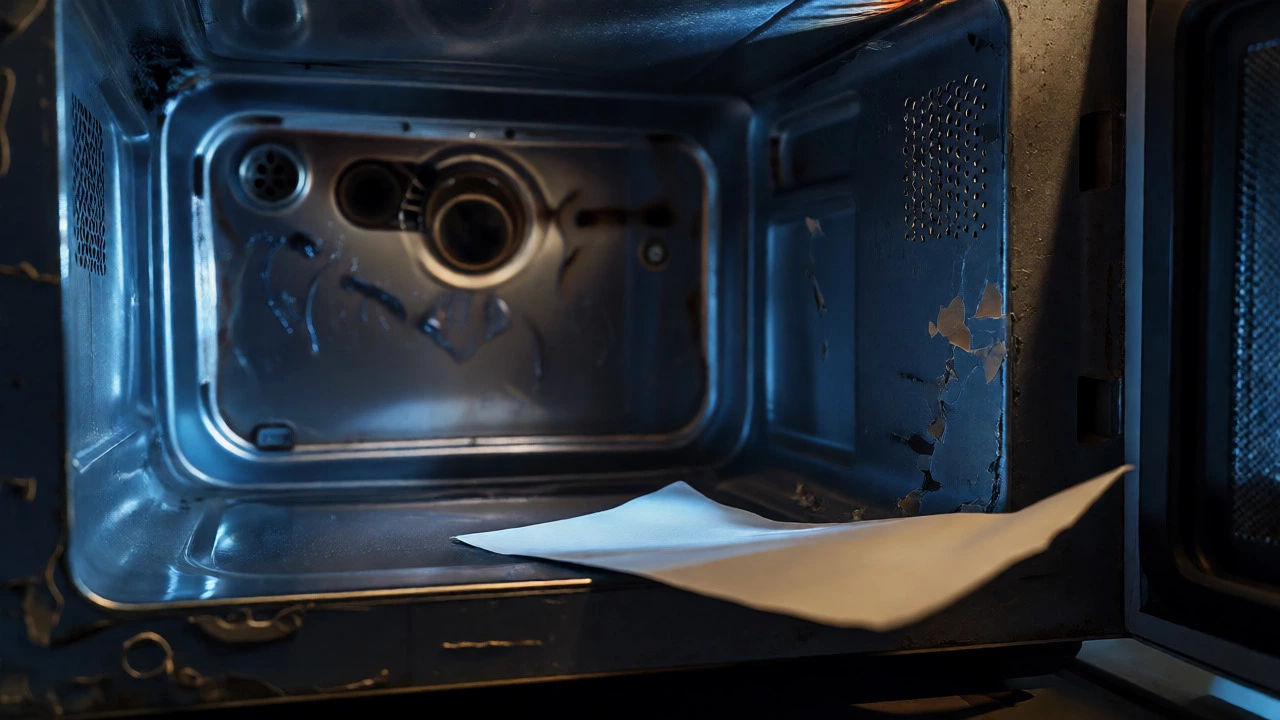
Visual cues matter too. Check the interior coating. If the paint is peeling or bubbling, moisture is getting in, leading to rust and electrical shorts. Also, look at the door seal. Run a piece of paper through the closed door. If it slides out easily without resistance, the seal is compromised. A bad seal means energy loss, longer cook times, and higher electricity bills. You’re effectively paying to heat the kitchen air.
Repair vs. Replace: The Decision Matrix
This is where it gets tricky. Should you call a technician or head to the store? Use the "50% Rule." If the repair cost exceeds 50% of the price of a new comparable model, replace it. For most countertop microwaves under $100, this rule almost always leads to replacement. Parts and labor simply don’t make financial sense.
However, high-end built-in models or premium brands like Breville or Panasonic can justify repairs. If your unit is under five years old and the issue is a simple door switch or fuse, fixing it is smart. But if it’s eight years old and the control board fried, let it go. Technology has improved; newer models are more energy-efficient and offer better even-heating features like inverters.
Extending Your Microwave’s Life
You can push past the average lifespan with some simple habits. First, never run it empty. Without food to absorb the energy, the waves bounce back into the magnetron, causing overheating and premature failure. Second, clean it regularly. Grease buildup blocks vents and causes hotspots. Wipe down the interior after every few uses, especially if you’re cooking oily foods.
Ventilation is critical. Ensure there’s at least two inches of clearance around the vents. Don’t shove it into a tight cabinet unless it’s designed for built-in installation. Overheating kills electronics faster than anything else. Also, avoid using metal containers or aluminum foil unless specified by the manufacturer. Arcing from metal can pit the interior walls and damage the waveguide.
When to Call a Professional
If you’re handy, replacing a waveguide cover or a door latch is manageable. But leave the internals to pros. Microwaves store high voltage in capacitors even when unplugged. Touching the wrong part can give you a nasty shock. If your unit shows error codes, won’t turn on at all, or smells like burning plastic, get an expert opinion. In Wellington, local repair shops can often diagnose these issues quickly, helping you decide if the fix is worth the hassle.
Can I use my microwave if the door doesn't close properly?
You should stop using it immediately. Most modern microwaves have safety interlocks that prevent operation if the door isn't latched correctly. If it runs anyway, the safety switch is broken, and radiation could leak. It's a safety hazard, not just a convenience issue.
Why does my microwave spark?
Sparking usually happens due to metal objects inside, such as twist ties, foil, or dishes with metallic trim. It can also occur if the waveguide cover is dirty or damaged, allowing steam and grease to arc. Clean the interior thoroughly and check for any burnt spots on the ceiling panel.
Is it safe to keep using an old microwave?
Generally, yes, as long as it heats evenly and the door seals tightly. However, older units may lack modern shielding improvements. If you notice excessive noise, uneven heating, or visible damage to the casing, it's time to consider replacement for both efficiency and safety reasons.
Do expensive microwaves last longer?
Not necessarily. While premium brands often use better materials, the core component-the magnetron-is similar across many price points. Expensive models may offer better build quality and features, but they don't guarantee double the lifespan. Maintenance matters more than brand prestige.
How do I dispose of an old microwave?
Microwaves contain hazardous materials and cannot be thrown in regular household trash. Check with your local council for e-waste recycling drop-off points. Many retailers also offer take-back programs when you buy a new appliance.
I am an expert in the services industry with a focus on appliance repair. My passion lies in understanding how things work and educating others in simple, engaging ways. This enthusiasm fuels my writing, where I delve into topics around appliance maintenance and troubleshooting. I aim to make these subjects clear and accessible to all readers.