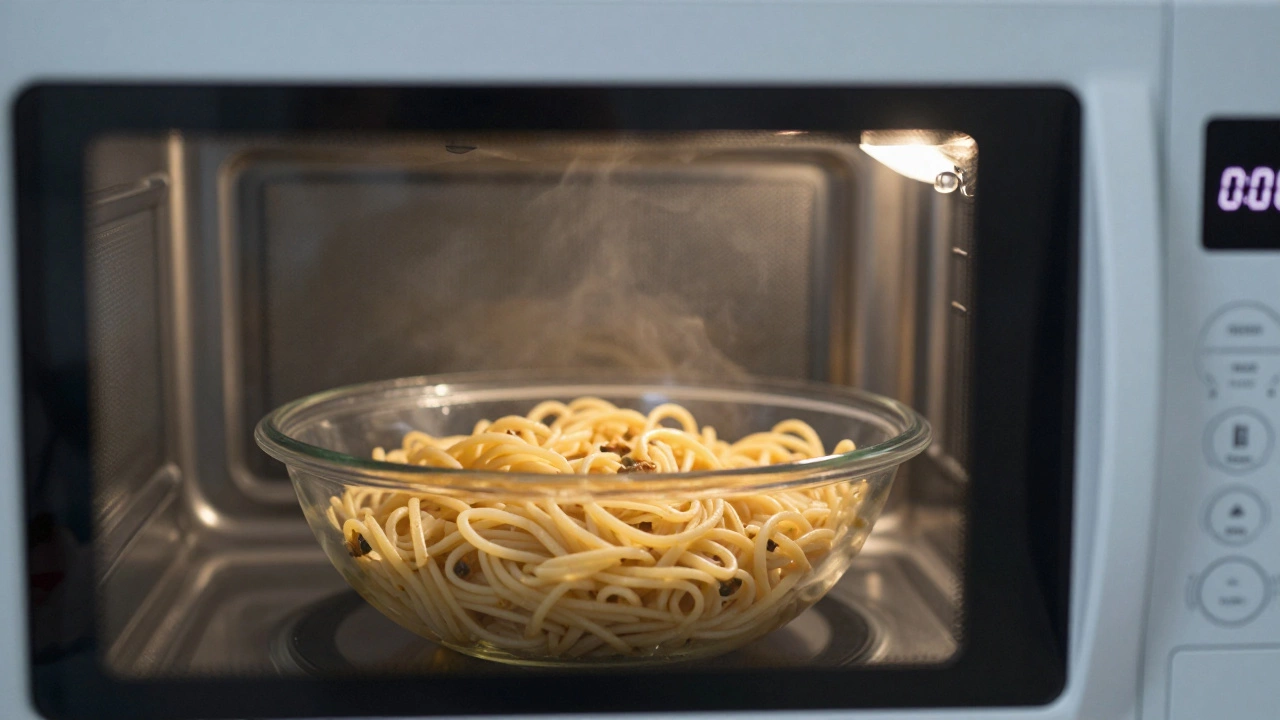
Microwave Symptom Checker
Select the symptoms your microwave is exhibiting to get a potential diagnosis.
The magnetron is the vacuum tube that generates the electromagnetic waves (microwaves) used to vibrate water molecules in food, creating heat. When this part gives out, your microwave becomes an expensive clock that can spin food but never warm it. While it is a frustrating problem, knowing exactly what to look for can save you from wasting money on a new appliance when a simple part swap would fix it.
Quick Guide to Magnetron Failure
- Cold Food: The microwave runs normally but doesn't heat.
- Uneven Heating: Hot spots and cold spots that weren't there before.
- Strange Noises: Loud humming or buzzing sounds during the heating cycle.
- Burning Smells: A metallic or electric scent coming from the vents.
- Blown Fuses: The unit shuts off completely as soon as you start the timer.
The Most Obvious Sign: No Heat but Everything Else Works
The most common symptom of a bad magnetron symptoms is a total lack of heat. In a healthy unit, the Control Panel tells the High Voltage Transformer to send power to the magnetron. If the transformer and the High Voltage Capacitor are working, but the magnetron is burnt out, the machine will sound like it is working perfectly. You'll hear the cooling fan and the turntable motor, but the actual energy production is dead.
If you suspect this, try a "water test." Fill a microwave-safe glass with water and run it on high for 60 seconds. If the water is still room temperature, you've likely got a magnetron issue. However, don't jump to conclusions yet. Sometimes a failed Diode-a small part that helps the transformer create high voltage-can mimic these exact symptoms by preventing the magnetron from receiving power.
Listening for the Warning Buzz
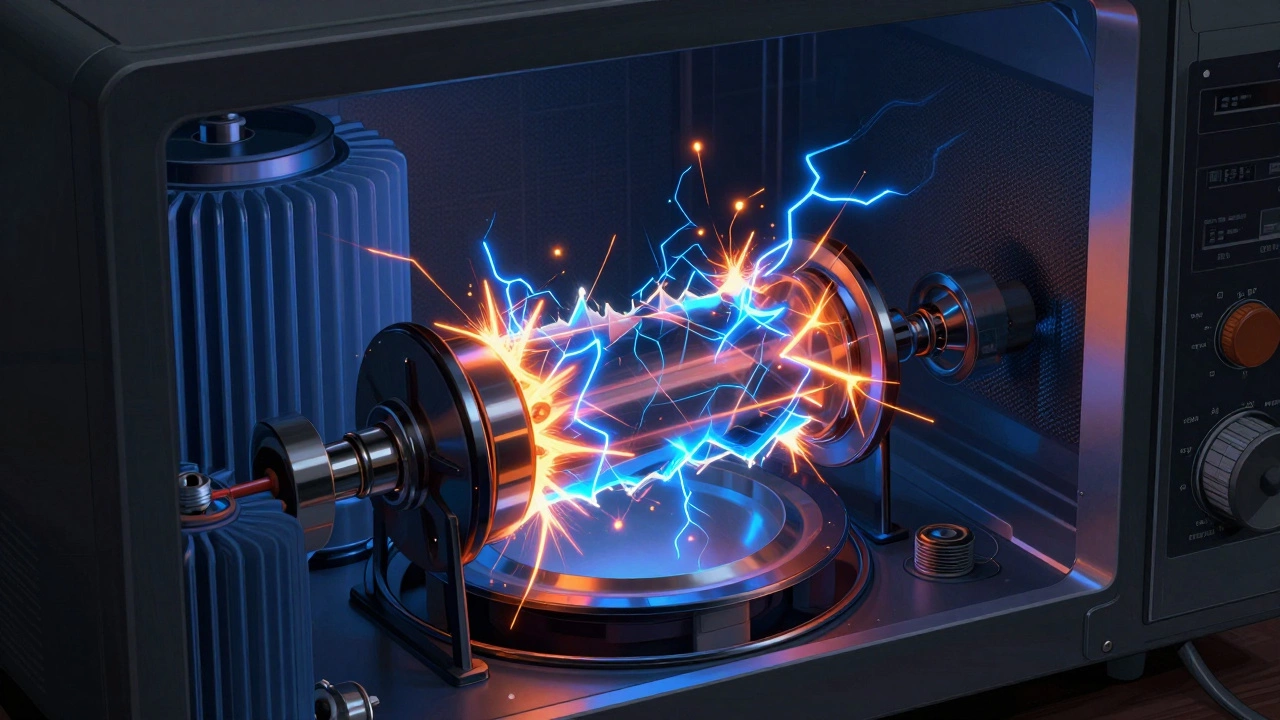
Have you noticed your microwave sounding louder lately? A failing magnetron often makes a distinct, loud humming or buzzing noise that sounds more aggressive than the usual drone. This happens when the internal vacuum of the tube fails or the magnetron begins to "arc," which is essentially small electrical sparks jumping inside the component.
If you hear a loud, vibrating noise that sounds like a transformer struggling, the magnetron may be drawing too much current. This puts a massive strain on the rest of the electrical system and is often a precursor to a total blowout. If you keep running the unit while it sounds like this, you risk damaging the Magnetron Transformer, which is significantly more expensive to replace than the tube itself.
The Smell of Electrical Failure
Your nose is often a better diagnostic tool than your eyes. When a magnetron fails catastrophically, it often smells. This isn't the smell of burnt popcorn; it's a sharp, acrid, ozone-like smell or the scent of melting plastic. This usually happens when the internal wiring of the magnetron overheats or the insulation on the high-voltage wires melts.
If you see smoke or smell something "electric" coming from the back of the unit, stop using it immediately. Unplugging the machine is the only safe move here. Continuing to use a microwave with a short-circuiting magnetron can lead to a fire or a permanent failure of the main circuit board.
The Case of the Blown Fuse
Some magnetron failures don't just result in cold food; they take the whole machine offline. If your microwave suddenly dies and won't even turn on the display, you might have a blown fuse. In many cases, a magnetron that has developed an internal short will pull a massive spike of current the moment it tries to engage, which trips the internal fuse to protect the rest of your home's electrical system.
If you replace the fuse and the microwave works for a few seconds but then pops the fuse again as soon as the heating starts, you have a definitive hardware failure. This is almost always a sign that the magnetron is grounded or shorted out internally.
| Symptom | Likely Magnetron Issue | Other Potential Cause | Urgency |
|---|---|---|---|
| No heat, fan runs | Burned out filament | Faulty High Voltage Diode | Medium |
| Loud buzzing noise | Internal vacuum leak | Loose fan motor | High |
| Electric burning smell | Short circuit/Arcing | Melted waveguide cover | Critical |
| Blown fuse on start | Internal ground short | Faulty Door Switch | High |
Understanding the Role of the Waveguide
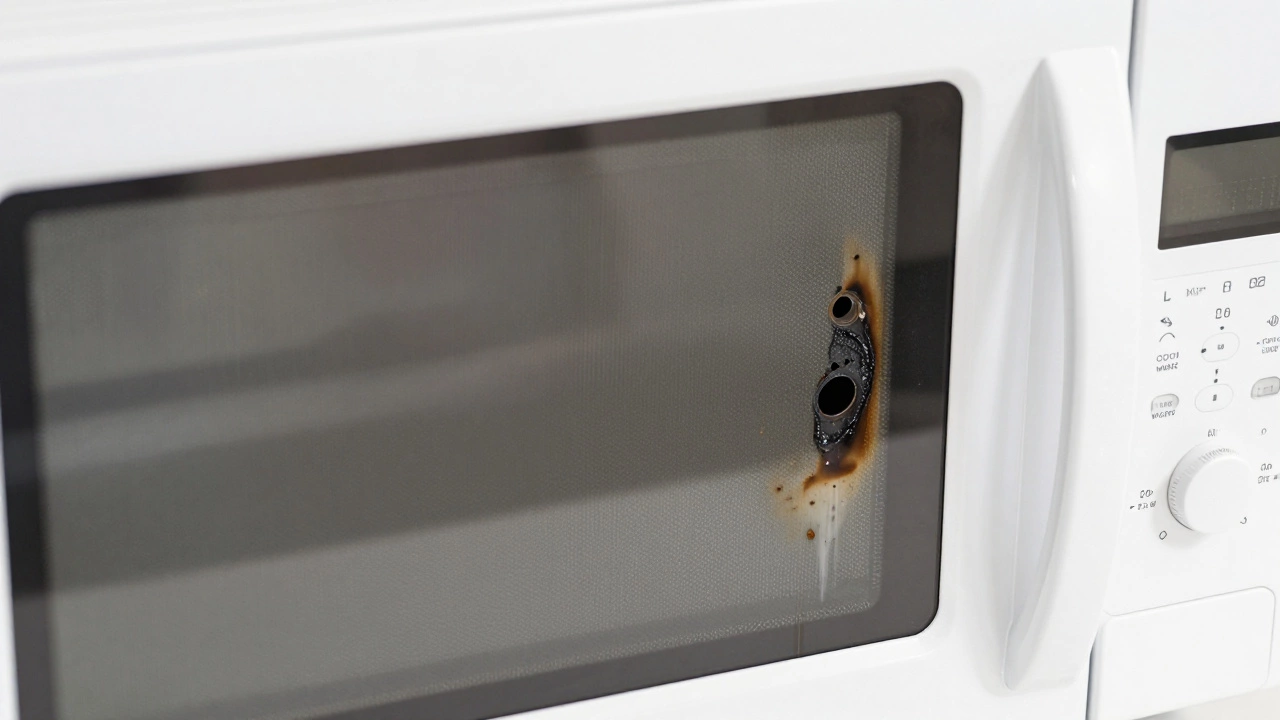
Before you buy a new magnetron, check the Waveguide Cover. This is the small, cardboard-like square (usually mica) on the inside wall of the cooking chamber. If this cover gets splattered with grease or food, it can burn. When the waveguide burns, it causes the microwaves to bounce back into the magnetron instead of going into the food.
This "reflection" causes the magnetron to overheat and eventually burn out. If you see a charred hole in that little mica sheet, you might have just a waveguide problem. Replacing a waveguide cover costs a few dollars and takes five minutes. Replacing a magnetron requires dismantling the entire chassis and handling dangerous capacitors.
The Danger Zone: Why You Should Be Careful
If you are thinking about opening up your microwave to test the magnetron, you need to know one thing: Microwaves are dangerous even when unplugged. The High Voltage Capacitor inside can store a lethal electrical charge for days after the machine is disconnected from the wall.
Professional technicians use a discharge tool to bleed off this energy before touching any internal components. If you aren't trained in how to discharge a capacitor, do not open the case. It is far safer to hire a professional or replace the unit entirely than to risk a severe electrical shock.
Can a magnetron be repaired, or must it be replaced?
The magnetron is a sealed vacuum tube. Once the internal filament burns out or the vacuum is lost, it cannot be repaired. The only solution is to remove the old unit and install a new, compatible magnetron. Attempting to open the tube is impossible without specialized industrial equipment and is extremely dangerous.
Does a bad magnetron affect the electricity bill?
Yes, if the magnetron is failing but not yet completely dead, it may draw significantly more current than normal to try and produce heat. This inefficiency can cause a spike in power consumption. If the unit is buzzing loudly, it is likely wasting a lot of energy as heat and sound rather than microwave radiation.
How long does a typical microwave magnetron last?
Most magnetrons are designed to last for about 10,000 hours of use. For the average household, this translates to roughly 7 to 10 years. However, lifespan is shortened if the microwave is frequently run empty (which causes the energy to bounce back into the magnetron) or if the waveguide cover is kept dirty.
Why does my microwave heat some parts of the food but not others?
While some uneven heating is normal due to standing waves, a sudden increase in "cold spots" can indicate a magnetron that is losing efficiency. If the tube is partially failing, it may not produce a consistent wave pattern, leading to patchy heating. This is often a sign that the component is nearing the end of its life.
Is it worth replacing the magnetron in an old microwave?
It depends on the cost of the part versus the cost of a new machine. For a basic countertop model, the part and labor often cost more than a new unit. However, for high-end built-in or convection microwaves, replacing the magnetron is a cost-effective way to extend the life of an expensive appliance.
Next Steps for Homeowners
If you've confirmed that your microwave isn't heating, start by checking the waveguide cover for burns. If that looks clean, check your home's circuit breaker to ensure it hasn't tripped. If the machine still won't heat and you've noticed any of the smells or sounds mentioned above, you have three options based on your situation:
- For Budget Models: If you have a cheap countertop microwave, it is usually more economical and safer to replace the entire unit.
- For High-End Appliances: Contact a certified appliance repair technician to test the diode and capacitor before replacing the magnetron.
- For DIYers: If you have the tools and knowledge to safely discharge a high-voltage capacitor, you can source a replacement magnetron that matches the exact part number of your current model.
I am an expert in the services industry with a focus on appliance repair. My passion lies in understanding how things work and educating others in simple, engaging ways. This enthusiasm fuels my writing, where I delve into topics around appliance maintenance and troubleshooting. I aim to make these subjects clear and accessible to all readers.