Find out if you should turn off the breaker before resetting your electric water heater. Learn the safe way to handle a high-limit trip and avoid electrical shocks.
If you’ve ever seen the red button on your electric water heater and wondered whether you should push it, you’re not alone. Many homeowners panic when the heater stops heating and assume the reset is the answer. In reality, the reset button is a safety feature that can help, but only if you use it correctly.
The reset button is a thermal cut‑off. When the heating element gets too hot, the button trips and cuts power to prevent fire or damage. Hitting the button simply closes the circuit again – it doesn’t fix a broken part. If the heater cools down safely, the button stays in, and the water starts heating again.
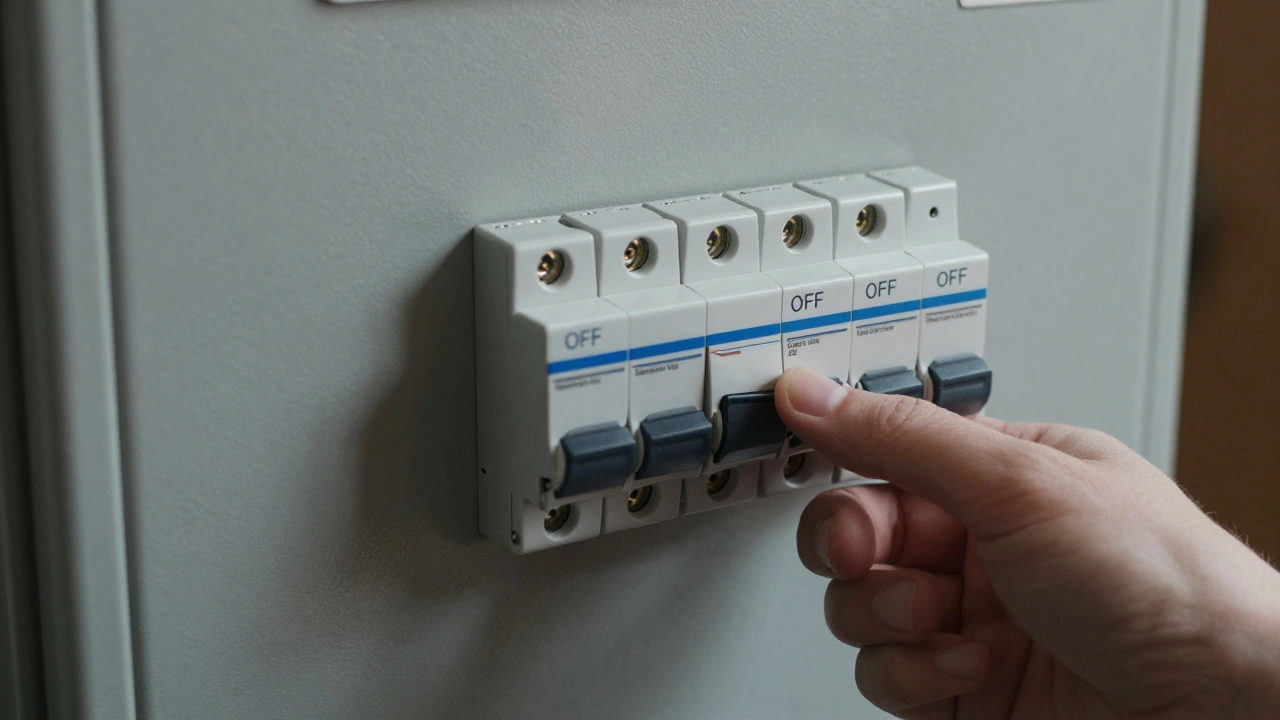
Before you reach for the button, make sure the water heater is off at the main breaker. This protects you from electric shock. Wait a minute for the unit to cool, then press the button firmly until you hear a click. Turn the breaker back on and give the heater a few minutes to start heating. If hot water returns, the issue was a temporary overload.
If the button trips again within a few minutes, don’t keep resetting. Repeated trips mean something is still wrong – most often a failing heating element, a bad thermostat, or a buildup of mineral deposits causing overheating.
Common reasons for a tripped reset include:
Regular maintenance can stop many of these problems. Drain the tank once a year, flush out sediment, and check the element for signs of wear. A clean tank stays cooler and the reset button stays set.
If you’re not comfortable turning off the breaker or draining the tank, call a qualified technician. They can test the element with a multimeter, replace a bad thermostat, and tighten any loose connections. Trying to fix electrical parts yourself without proper training can be dangerous.
When you do call a pro, mention that the reset button tripped. It gives them a clear clue where the fault started, which can speed up the repair and keep costs down.
In short, the reset button is a helpful safety tool, not a magic fix. Use it once after a power loss or brief overload, but always follow the safety steps. If it trips again, treat it as a warning sign and get professional help.
Keeping your water heater well‑maintained, flushing it yearly, and watching for strange noises or water temperature swings will help the reset stay set and your hot water stay hot.
So next time your shower feels lukewarm, remember the steps: turn off the breaker, wait, press the reset, turn the breaker back on, and watch for repeat trips. If the problem persists, don’t gamble – let a certified repair service handle it safely and quickly.
Find out if you should turn off the breaker before resetting your electric water heater. Learn the safe way to handle a high-limit trip and avoid electrical shocks.

Knowing when to reset your water heater can extend its life and improve performance. This includes understanding the signs that indicate a reset is needed, common causes of water heater issues, and how to properly perform a reset. Regular maintenance and understanding your water heater system can prevent minor issues from turning into costly repairs. By following some simple steps and tips, homeowners can ensure their water heaters are running efficiently and safely.