Oven Troubleshooting Assistant
Is there power to the oven?
Check if the digital display lights up or if the control knobs work.
What type of fuel does your oven use?
Look for a gas line connection or check if you have visible metal coils (elements) inside.
Inspect the Bake Element (bottom coil)
Open the door and look closely at the bottom heating coil.
Observe the Glow Bar Igniter
Turn the oven on and watch through the window. Wait up to 90 seconds.
Result Title
Description goes here.
$0
Easy
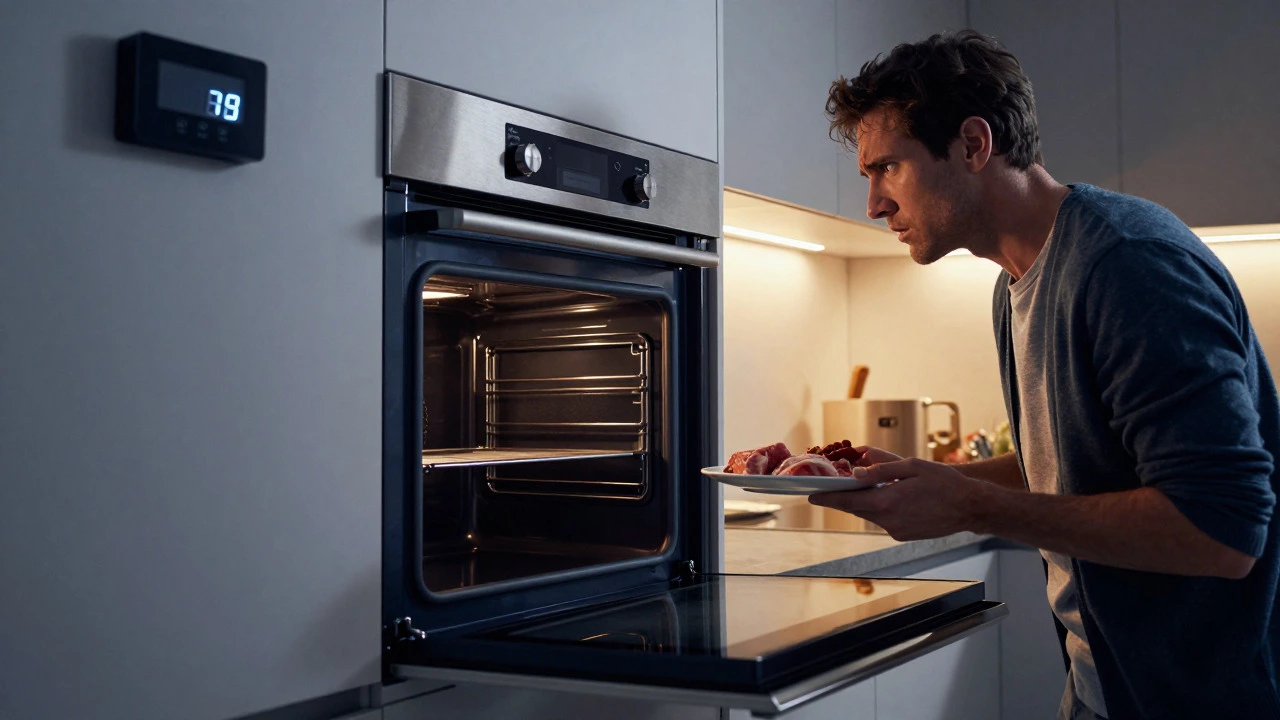
Your oven door is closed, the timer is set, and you’re staring at a cold interior while your dinner rots in the fridge. It’s one of the most frustrating kitchen emergencies you can face. A dead oven doesn’t just ruin your meal plans; it signals a breakdown in the complex electrical or gas system that keeps your home comfortable. Before you call a technician and rack up a hefty service fee, you need to know if this is a simple fix or a major component failure.
The good news is that in about 60% of cases, an oven that won't heat is suffering from a single, replaceable part rather than a total system collapse. By following a logical diagnostic path, you can often pinpoint the issue yourself. This guide walks you through the exact steps to identify why your oven has stopped producing heat, distinguishing between cheap DIY fixes and jobs that require a pro.
Step 1: The Power Check (Don't Skip This)
Before tearing into panels, verify that electricity is actually reaching the unit. It sounds obvious, but power fluctuations, tripped breakers, or loose plugs are surprisingly common culprits. If your oven has a digital display that lights up, you have power for the controls, but that doesn't mean the high-amperage circuits feeding the heating elements are active.
- Check the Circuit Breaker: Go to your main electrical panel. Look for the breaker labeled "Kitchen," "Range," or "Oven." If it's in the middle position or flipped to "Off," reset it by flipping it fully off and then back on. If it trips again immediately, you have a short circuit inside the oven-stop there and call a pro.
- Inspect the Plug: If your range is plug-in (common in older homes or rental units), ensure it's seated firmly in the outlet. These heavy-duty outlets can loosen over time.
- Test Other Outlets: Plug a lamp into an outlet near the oven. If the lamp works, your house has power, but the dedicated line to the oven might be interrupted.
Step 2: Diagnose Electric Ovens
If you have an electric oven, the heat comes from two specific components: the bake element (at the bottom) and the broil element (at the top). When the oven says "no heat," it usually means one of these elements has burned out, or the safety devices protecting them have triggered.
Visual Inspection of Elements
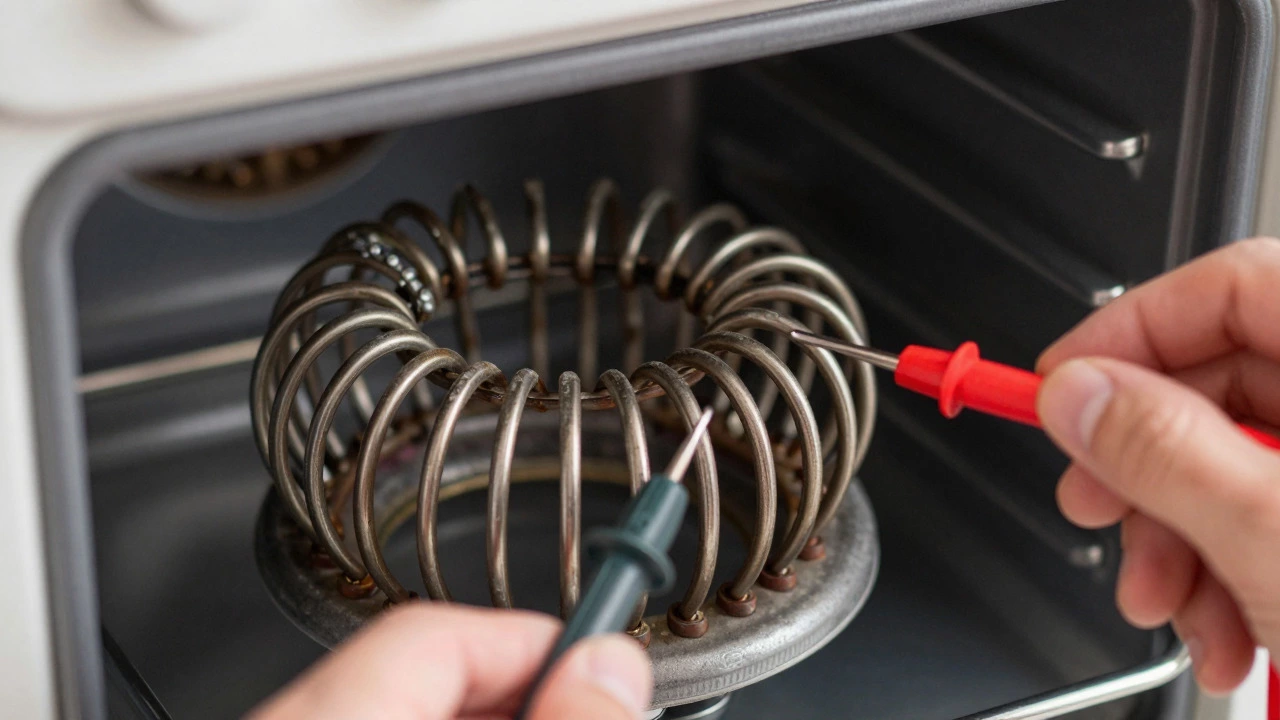
Open the oven door and look at the metal coils at the bottom. Do you see any holes, blisters, or broken wires? A healthy element should be intact and uniform. Even if it looks fine, it could still be internally broken. You can test this with a multimeter set to measure resistance (Ohms). Touch the probes to the terminals of the element. If the meter reads infinity (or OL), the element is open-circuited and needs replacement. A working element typically reads between 10 and 30 ohms.
The Thermal Fuse: The Silent Killer
This is the most overlooked part in oven repairs. The Thermal Fuse is a safety device that cuts power to the oven if it overheats, preventing fire hazards. Unlike a circuit breaker, a thermal fuse does not reset. Once it blows, it stays blown until replaced. If your oven suddenly stopped heating one day, especially after a long cooking session, the thermal fuse likely popped due to excessive heat buildup. It is usually located behind the rear panel or under the cooktop surface. Testing it is simple: if your multimeter shows no continuity across the fuse, that’s your problem. Replacement costs less than $20 and takes ten minutes.
Temperature Sensor and Control Board
If the elements and fuse are good, the issue might be communication-based. The temperature sensor acts like a thermometer, telling the control board when to turn the heat on and off. If the sensor fails, the board might think the oven is already hot and never send power to the elements. Similarly, a faulty control board can fail to send voltage even if everything else is perfect. These are more expensive repairs ($150-$400) and should only be considered after ruling out cheaper parts.
Step 3: Diagnose Gas Ovens
If your oven runs on natural gas or propane, the diagnosis changes completely. You aren't looking for burnt-out wires; you're looking for ignition failures or gas flow issues.
The Igniter Test
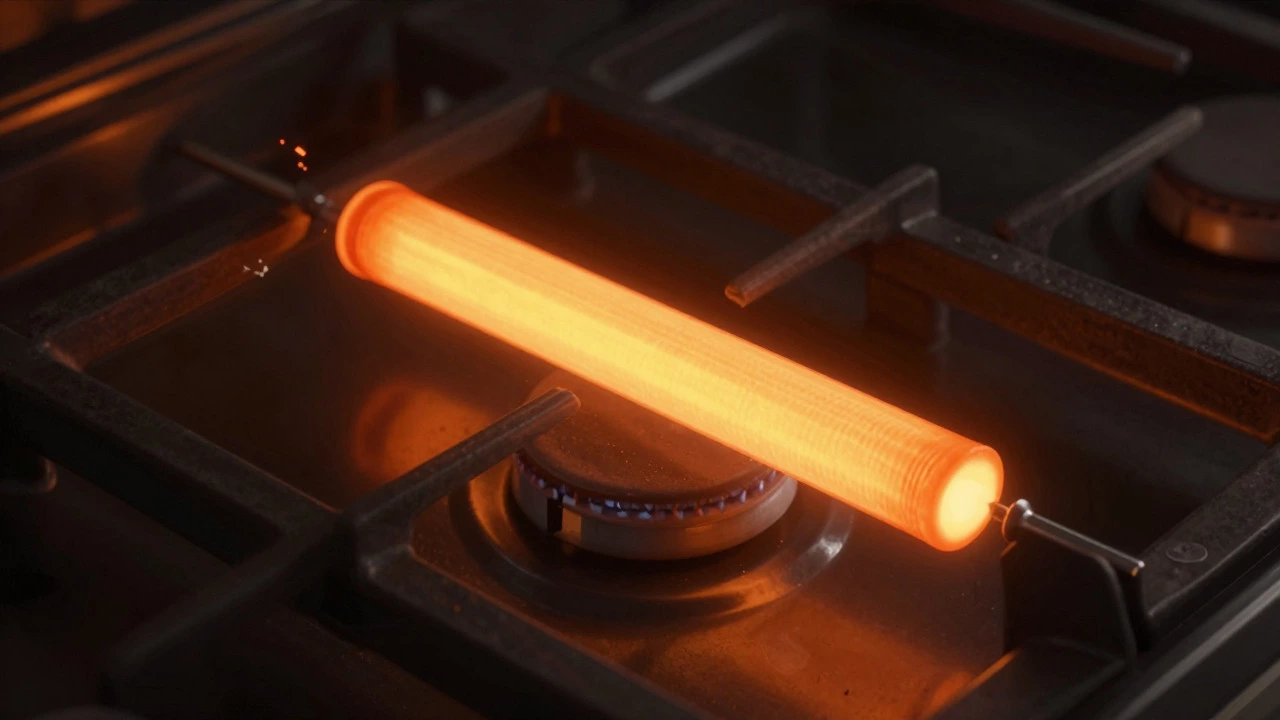
In a gas oven, the Glow Bar Igniter is a ceramic component that glows red hot to open the gas valve, allowing fuel to flow to the burner. Turn on the oven and watch through the window. Does the igniter glow bright orange/red within 90 seconds? If it doesn't glow at all, the igniter is dead. If it glows weakly, it may not be drawing enough amperage to pull open the gas valve. A weak igniter is a classic cause of "no heat" because the gas never releases. Replace the igniter if it appears cracked or fails to glow brightly.
Gas Supply and Valve Issues
If the igniter glows strongly but you smell no gas and hear no click, check your gas supply. Ensure the knob for the stove burners also works. If the burners work but the oven doesn't, the issue is isolated to the oven's gas valve or the wiring harness connecting the igniter to the valve. Gas valves are critical safety components; if they fail, they lock shut. Replacing a gas valve requires disconnecting gas lines, so unless you are experienced with plumbing and gas fittings, hire a professional.
Comparison Table: Common Causes & Solutions
| Symptom | Likely Cause | Difficulty | Estimated Cost |
|---|---|---|---|
| Oven display is blank | Tripped breaker or lost power | Easy | $0 |
| Element visible but cold | Burned-out Bake Element | Medium | $20 - $50 |
| No heat, no error code | Blown Thermal Fuse | Medium | $15 - $30 |
| Igntier glows weakly (Gas) | Failing Glow Bar Igniter | Medium | $30 - $60 |
| Error codes flashing | Control Board or Sensor Fault | Hard | $150 - $400+ |
Safety First: When to Call a Pro
While many oven repairs are DIY-friendly, some scenarios demand professional intervention. Safety should always trump cost savings.
- Gas Smells: If you smell rotten eggs (mercaptan) when trying to light the oven, turn off the gas supply at the main valve immediately and evacuate. Do not touch switches. Call your gas company or a licensed technician.
- Sparks or Burning Smell: If you see sparks coming from the back panel or smell melting plastic, unplug the oven. This indicates a short circuit or wiring insulation failure.
- Complex Wiring: If you are uncomfortable using a multimeter or removing screws from the back panel, stop. Electrical shocks from 240-volt outlets are serious.
Maintenance Tips to Prevent Future Failures
You can extend the life of your oven by adopting a few simple habits. First, avoid self-cleaning cycles unless absolutely necessary. The extreme temperatures (up to 900°F) stress the thermal fuses, igniters, and insulation. Second, keep the door gasket clean. A worn or dirty seal lets heat escape, causing the oven to run hotter and longer, which burns out elements faster. Finally, don't overload the racks. Heavy pots can bend the bake element, causing it to touch the oven floor and short out.
How much does it cost to fix an oven that won't heat?
If you do it yourself, replacing a bake element or thermal fuse typically costs between $20 and $60 for parts. Hiring a professional technician usually involves a service call fee of $75-$100 plus labor and parts, bringing the total to $150-$300 for simple fixes. Complex issues involving control boards can exceed $400.
Can I use my oven if the thermal fuse is blown?
No. A blown thermal fuse cuts power to the heating elements entirely. The oven will not produce heat until the fuse is replaced. Bypassing the fuse is dangerous and can lead to a fire hazard.
Why does my oven heat unevenly?
Uneven heating is often caused by a failing temperature sensor, a damaged door gasket, or a partially broken bake element. In gas ovens, a clogged burner tube can also cause hot spots. Cleaning the oven thoroughly and checking the seal around the door are good first steps.
How long does a bake element last?
A typical electric bake element lasts between 5 to 10 years, depending on usage frequency. Frequent use of the self-clean cycle can significantly shorten its lifespan due to extreme heat exposure.
Is it safe to replace an oven element myself?
Yes, provided you unplug the oven or turn off the circuit breaker first. Replacing an element involves removing four screws and swapping the wire connectors. It is one of the easiest appliance repairs to perform without specialized tools.
I am an expert in the services industry with a focus on appliance repair. My passion lies in understanding how things work and educating others in simple, engaging ways. This enthusiasm fuels my writing, where I delve into topics around appliance maintenance and troubleshooting. I aim to make these subjects clear and accessible to all readers.