Appliance Repair vs. Replace Calculator
Use this tool to determine if you should call an appliance specialist or invest in a new unit. Based on the industry-standard "50% Rule" and appliance lifespan guidelines.
Enter Appliance Details
Enter details to see analysis
You’re standing in your kitchen, staring at a washing machine that’s refusing to spin or an oven that won’t heat up. You call for help, and someone arrives with a toolbox and a laptop. Are they just a handyman? Not quite. The person knocking on your door is likely an appliance specialist, a professional trained specifically to diagnose, maintain, and repair household machines. But what does that role actually entail beyond turning a screwdriver? If you’ve ever wondered why these technicians charge more than a general contractor, or if you’re considering this career path, understanding the depth of their expertise is crucial.
This isn’t just about swapping parts. It’s about understanding the intricate dance between mechanics, electronics, and increasingly, software. An appliance specialist bridges the gap between complex engineering and everyday convenience. They ensure that the devices we rely on daily-from refrigerators keeping our food fresh to dryers making laundry manageable-continue to function safely and efficiently. Let’s break down exactly what they do, the skills they need, and why their role has become more critical than ever in modern homes.
The Core Responsibilities: Beyond Basic Fixes
At its heart, the job involves keeping white goods running smoothly. White goods are large domestic appliances like fridges, freezers, ovens, and washing machines. While a handyman might fix a leaky tap, an appliance specialist dives deeper into systems that involve motors, compressors, heating elements, and control boards.
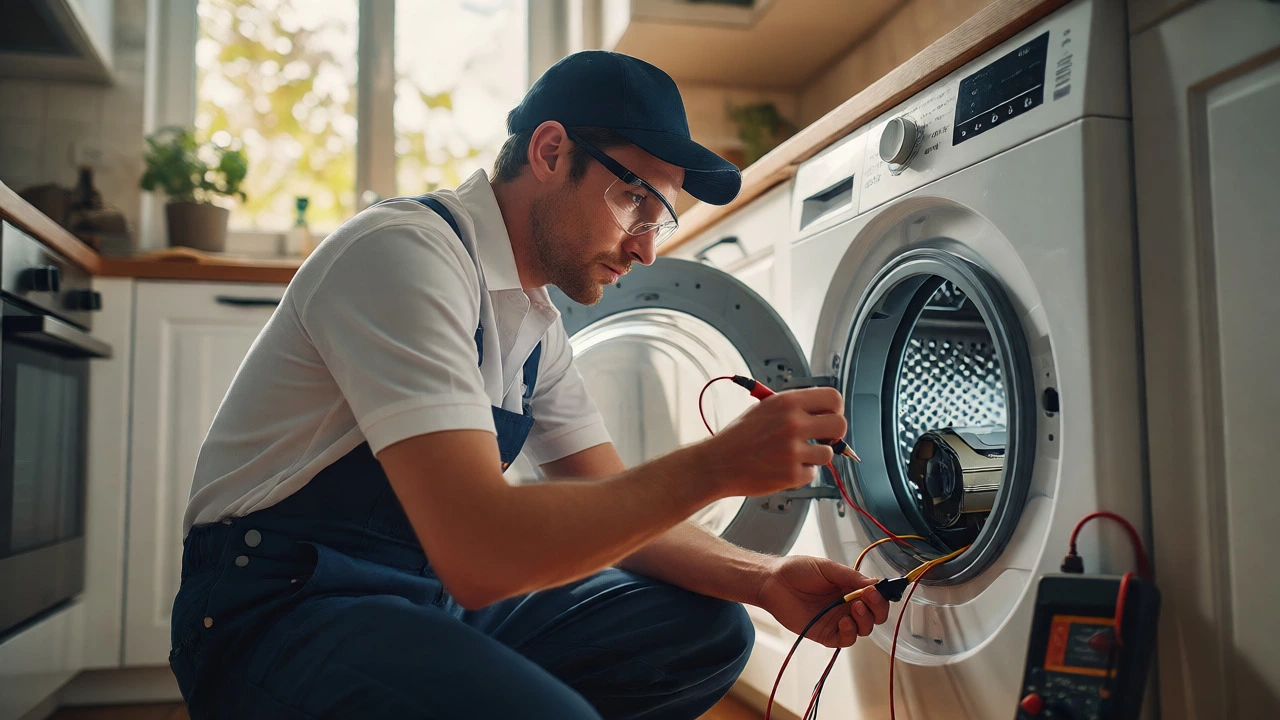
One of the primary tasks is accurate diagnosis. This is where the real value lies. When a dishwasher stops mid-cycle, it could be a blocked filter, a faulty pump, a broken heater, or a glitch in the electronic control module. Guessing wrong leads to unnecessary part replacements and higher costs for you. Specialists use multimeters, clamp meters, and sometimes proprietary diagnostic software to pinpoint the exact failure. They don’t just replace what looks broken; they test circuits, check voltage levels, and inspect mechanical components for wear.
Maintenance is another huge part of the role. Many homeowners only call when something breaks, but specialists often perform preventive services. For instance, cleaning condenser coils on a refrigerator can extend its life by years. Descaling a boiler or checking the seals on a dryer prevents efficiency loss. These small interventions save energy bills and prevent catastrophic failures during peak usage times.
Technical Skills and Knowledge Base
To be effective, an appliance specialist needs a diverse skill set. It’s a hybrid profession combining electrical engineering principles with mechanical aptitude. You can’t just be good with your hands; you need to understand how electricity flows through different components.
- Electrical Troubleshooting: Understanding AC and DC circuits, reading wiring diagrams, and testing capacitors and relays. A bad capacitor can mimic a motor failure, so knowing the difference saves money.
- Mechanical Aptitude: Knowing how belts, bearings, pumps, and gears work together. Replacing a drum bearing in a washing machine requires precision and physical strength.
- Refrigeration Cycle Knowledge: For cooling appliances, understanding how refrigerants (like R600a) circulate through compressors, condensers, and evaporators is essential. Leaks here require specialized tools and handling.
- Gas Safety: In many regions, including New Zealand, working on gas cooktops or boilers requires specific certifications. Handling gas lines demands strict adherence to safety protocols to prevent leaks or explosions.
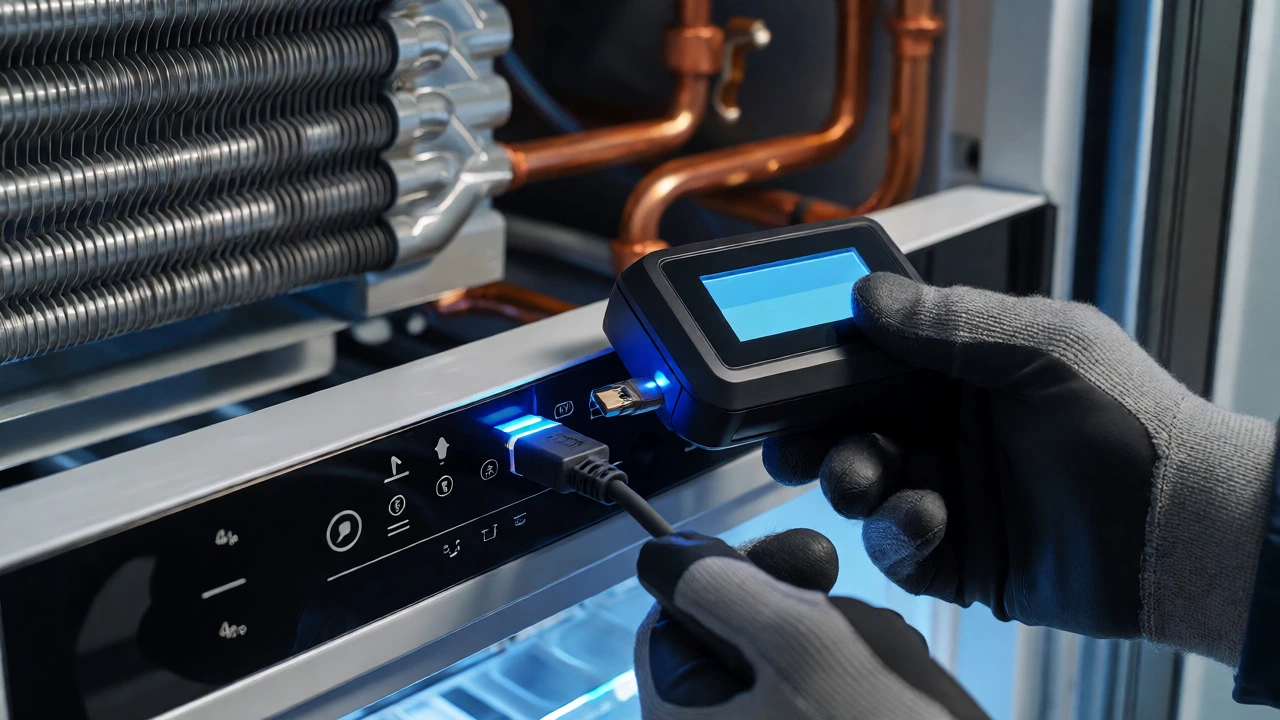
- Digital Literacy: Modern appliances have Wi-Fi connectivity and smart features. Technicians now often update firmware or reset digital interfaces, requiring comfort with apps and basic IT troubleshooting.
Without these skills, a technician might misdiagnose a problem. Imagine replacing an expensive control board because the error code pointed there, only to find out later that a simple loose wire was causing intermittent signals. That’s why training matters.
The Diagnostic Process: How They Solve Problems
So, what happens when an appliance specialist walks into your home? It’s rarely immediate wrench-turning. There’s a structured approach to solving the issue.
- Initial Assessment: They ask questions. When did the problem start? Did you hear any noises? Was there a power outage recently? This context helps narrow down possibilities.
- Visual Inspection: They look for obvious signs: burnt wires, water leaks, cracked hoses, or rusted components. Sometimes, the answer is right there on the surface.
- Testing Components: Using tools like multimeters, they test continuity in heating elements, resistance in sensors, and voltage supply to motors. This isolates the faulty part from the rest of the system.
- Simulation: They run the appliance through cycles to observe behavior under load. Does the compressor kick in? Does the timer advance correctly?
- Repair and Verification: Once the faulty part is identified and replaced, they run the appliance again to ensure the fix holds. They check for leaks, proper temperatures, and noise levels before leaving.
This methodical process reduces callbacks. A quick fix might work for a week, but a thorough diagnosis ensures longevity. It also protects your warranty. Unauthorized repairs can void manufacturer guarantees, so using certified specialists keeps your coverage intact.
Specialization vs. Generalist Roles
Not all appliance specialists are created equal. Some focus on broad categories, while others niche down. Understanding this distinction helps you choose the right person for your job.
| Specialist Type | Primary Focus | Common Appliances | Key Skill Set |
|---|---|---|---|
| Generalist Technician | Broad range of household appliances | Washing machines, dishwashers, microwaves | Versatile mechanical/electrical knowledge |
| Refrigeration Expert | Cooling systems | Fridges, freezers, ice makers | Refrigerant handling, compressor diagnostics |
| Gas Appliance Specialist | Combustion-based units | Ovens, cooktops, gas boilers | Gas fitting certification, combustion analysis |
| Laundry Equipment Pro | High-wear rotating parts | Washers, dryers | Bearing replacement, belt tensioning, vibration analysis |
In smaller towns or rural areas, you’ll mostly see generalists who handle everything from a toaster to a tumble dryer. In cities, specialization increases. A company might have one team for commercial kitchen equipment and another for residential laundry. Choosing a specialist with experience in your specific brand or model type often leads to faster repairs. Brands like Miele, Bosch, or Fisher & Paykel have unique design quirks that familiar technicians know inside out.
Why the Role Is Evolving with Smart Home Tech
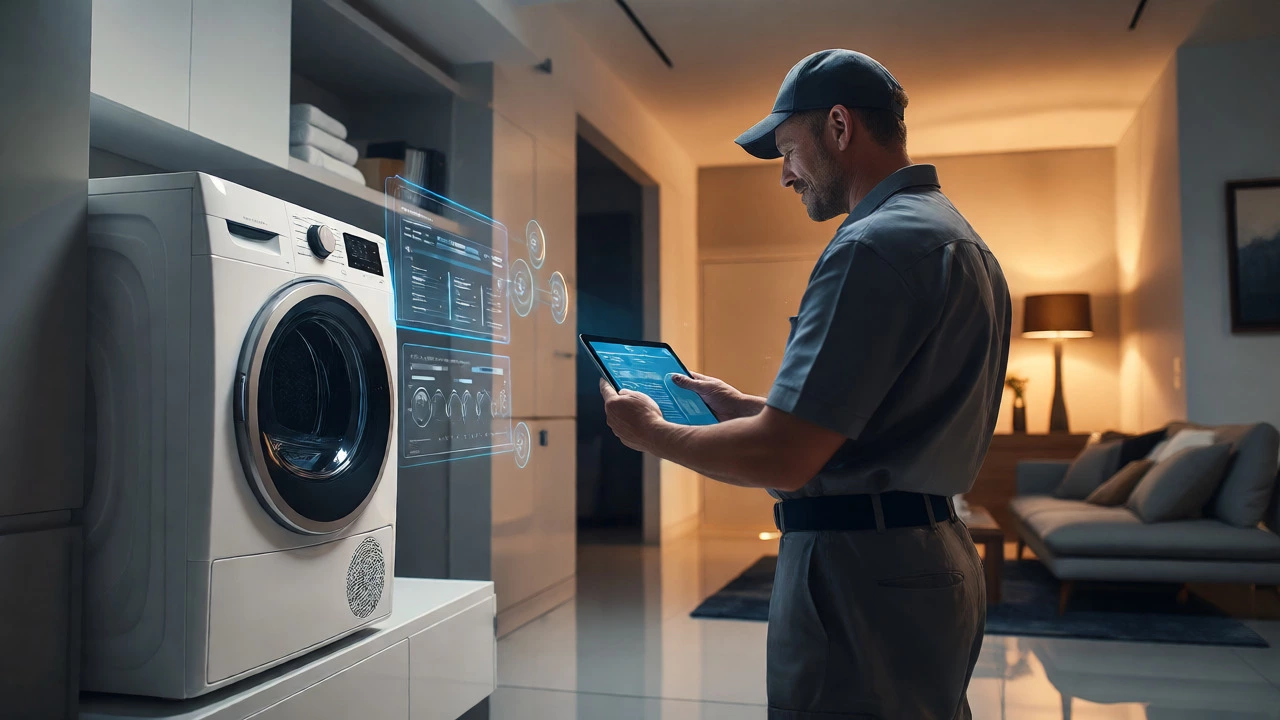
Remember when fixing a fridge meant purely mechanical work? Today, it’s increasingly about data. Modern appliances come with IoT capabilities. Your fridge might send an alert to your phone saying “Door left open” or “Filter change needed.” When these alerts trigger falsely, it’s not always a hardware fault-it could be a sensor calibration issue or a network connectivity problem.
Appliance specialists now need to troubleshoot these digital layers. They might need to pair a device with a home Wi-Fi network, update firmware via a USB stick, or reset factory settings without wiping user preferences. This shift means the barrier to entry is rising. It’s no longer enough to be good with tools; you need to be comfortable with technology too.
Moreover, sustainability is driving demand. With energy costs rising, people want appliances that run efficiently. Specialists play a key role in optimizing performance. Cleaning filters, checking door seals, and ensuring correct leveling can improve energy efficiency by 10-15%. They also advise on whether to repair or replace older units, helping consumers make environmentally sound decisions.
When Should You Call an Appliance Specialist?
Not every minor issue requires a pro. However, certain scenarios clearly warrant calling a specialist rather than attempting DIY fixes or hiring a general handyman.
- Electrical Issues: If you smell burning, see sparks, or notice tripped circuit breakers, stop immediately. Electrical faults in appliances can be dangerous due to high currents and moisture.
- Gas Smells: Any hint of gas odor near a cooker or boiler requires immediate professional attention. Do not operate switches or light matches.
- Complex Diagnostics: If the appliance shows error codes (e.g., E4, F05), look them up first. If the suggested fix doesn’t work, call a specialist. Error codes often point to multiple potential causes.
- Under Warranty: Attempting your own repair might void the warranty. Always check the terms before opening the casing.
- Refrigerant Leaks: If your fridge is cooling poorly and the compressor runs constantly, it might be low on gas. Only certified technicians should handle refrigerants.
On the flip side, simple things like cleaning a lint trap, resetting a jammed disposal, or tightening a hose connection are great DIY tasks. Knowing the boundary saves time and money.
What qualifications do appliance specialists need?
Requirements vary by region, but typically include a vocational certificate in electrical trades or appliance servicing. In places like New Zealand, gas work requires a registered gasfitter license. Many technicians also hold manufacturer-specific certifications for brands like Samsung or LG, which provide access to technical bulletins and spare parts networks.
Is it cheaper to repair or replace an old appliance?
A common rule of thumb is the "50% rule." If the repair cost exceeds 50% of the price of a new equivalent appliance, consider replacing it. However, if the appliance is less than 5-7 years old, repairing is usually more economical. Specialists can assess the remaining lifespan based on wear patterns and component availability.
Can an appliance specialist fix smart home integration issues?
Yes, many modern specialists are trained in basic IoT troubleshooting. They can help reset Wi-Fi modules, update firmware, and ensure the appliance connects properly to your home network. However, deep networking issues might still require an IT support service.
How long does a typical appliance repair take?
Most standard repairs take between 1 to 2 hours once the technician is on-site. Complex jobs involving disassembly of sealed units or waiting for rare parts can take longer. Diagnosis itself usually takes 15-30 minutes.
Do appliance specialists offer emergency services?
Many companies offer after-hours or weekend calls for emergencies like flooding washers, non-cooling fridges in summer, or gas leaks. These services often incur a premium fee but prevent further damage or safety hazards.
I am an expert in the services industry with a focus on appliance repair. My passion lies in understanding how things work and educating others in simple, engaging ways. This enthusiasm fuels my writing, where I delve into topics around appliance maintenance and troubleshooting. I aim to make these subjects clear and accessible to all readers.