Major Appliance Lifespan & Maintenance Calculator
Use this tool to estimate the remaining life and maintenance schedule for your major home appliances based on industry standards.
Maintenance Tip:
Walk into any modern kitchen or laundry room, and you are immediately surrounded by machines that do the heavy lifting of daily life. But when people ask "what are the 4 appliances," they aren't usually thinking about your toaster or coffee maker. They are talking about the big four-the major home appliances that define how we live, cook, clean, and preserve our food.
Understanding these four categories is crucial. These machines cost a lot to buy, consume significant energy, and when they break, they disrupt your entire routine. Whether you are buying a new home in Wellington or just trying to figure out why your fridge is humming louder than usual, knowing what falls into this top tier helps you maintain them better and avoid costly mistakes.
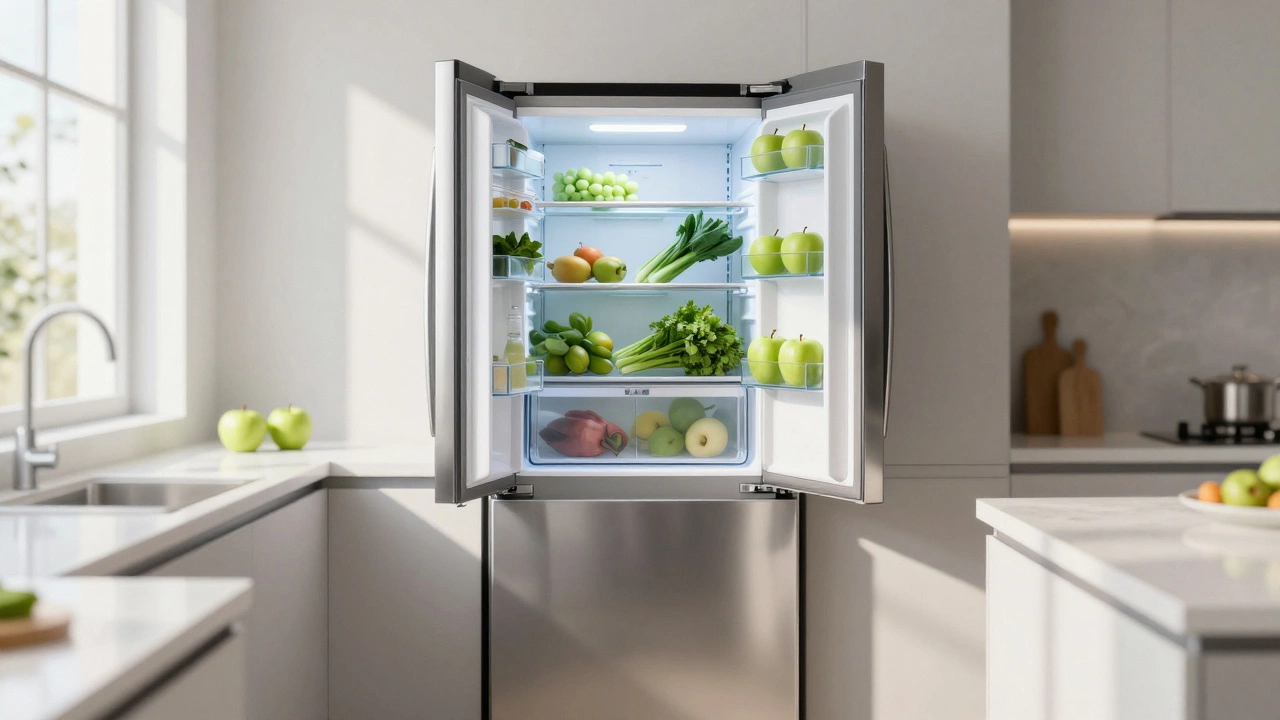
The Refrigerator: The Heart of Food Preservation
Why does the fridge make the list of the big four? Because it never sleeps. While your dishwasher might run once a day, your refrigerator compressor kicks on dozens of times every single night. This constant operation makes it the largest consumer of electricity among small-to-medium household devices, accounting for roughly 10-15% of an average home's energy bill.
In New Zealand, where fresh produce is a staple, the reliability of your fridge is non-negotiable. A standard top-freezer model lasts between 10 to 15 years. However, smart fridges with touchscreens and Wi-Fi connectivity introduce more points of failure. If your fridge stops cooling, you don't just have an inconvenience; you have a potential health hazard as bacteria multiply rapidly in the "danger zone" between 4°C and 60°C.
- Key Function: Temperature control and humidity regulation to prevent spoilage.
- Lifespan: 10-15 years for mechanical models; 8-12 years for digital/smart models.
- Common Failure Point: The evaporator fan motor or the defrost heater.
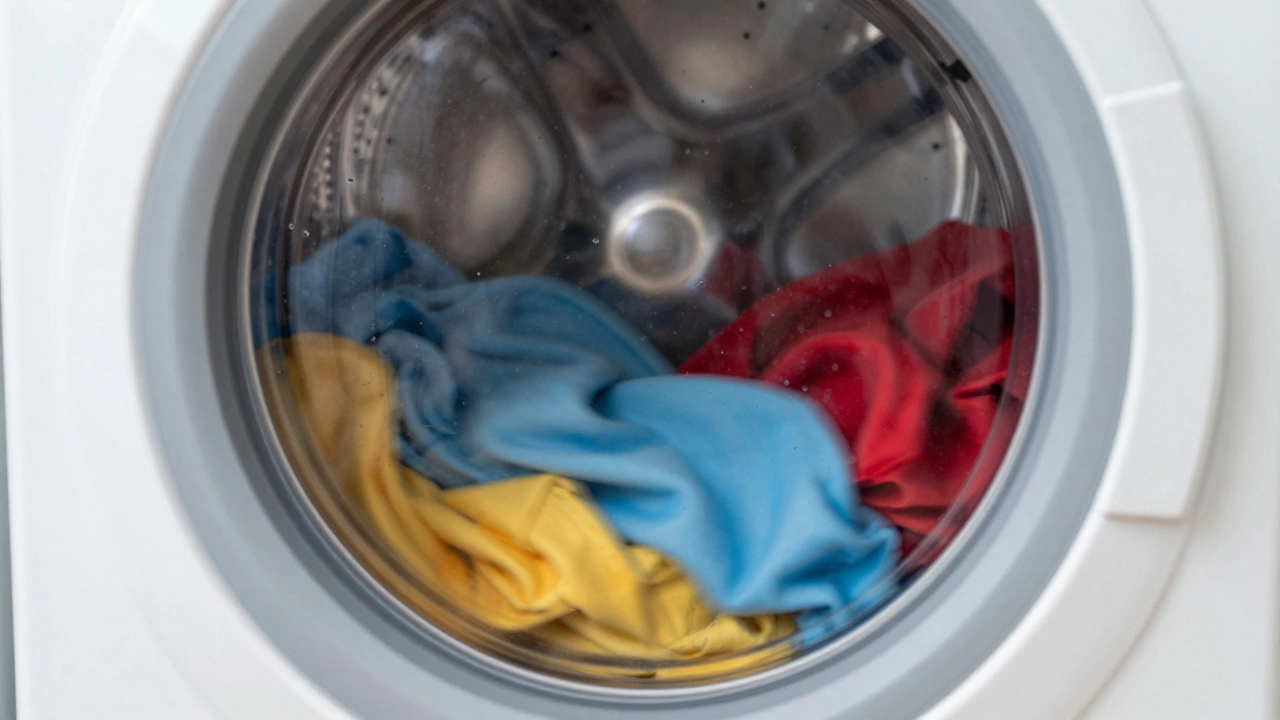
The Washing Machine: The Daily Workhorse
If the fridge preserves life, the washing machine cleans it up. This appliance handles the repetitive, labor-intensive task of removing dirt, stains, and odors from fabrics. Before the mid-20th century, doing laundry was a full-day chore involving boiling water and hand-wringing. Today, a front-loader can handle a heavy load in under two hours.
The washing machine earns its spot in the top four due to its high usage frequency and mechanical complexity. Unlike a static device like a microwave, a washer involves spinning drums at high speeds, complex water inlet valves, drainage pumps, and sophisticated sensors to balance loads. In households with children or pets, this machine may run multiple times a week, putting immense stress on the drive belt and suspension springs.
Maintenance here is simple but often ignored. Leaving the door closed after a wash traps moisture, leading to mold and mildew smells-a common issue in humid climates. Using too much detergent creates suds that clog the pump filter. Regular cleaning of the rubber seal and running an empty hot cycle monthly can extend the machine's life significantly.
The Oven and Cooktop: The Culinary Center
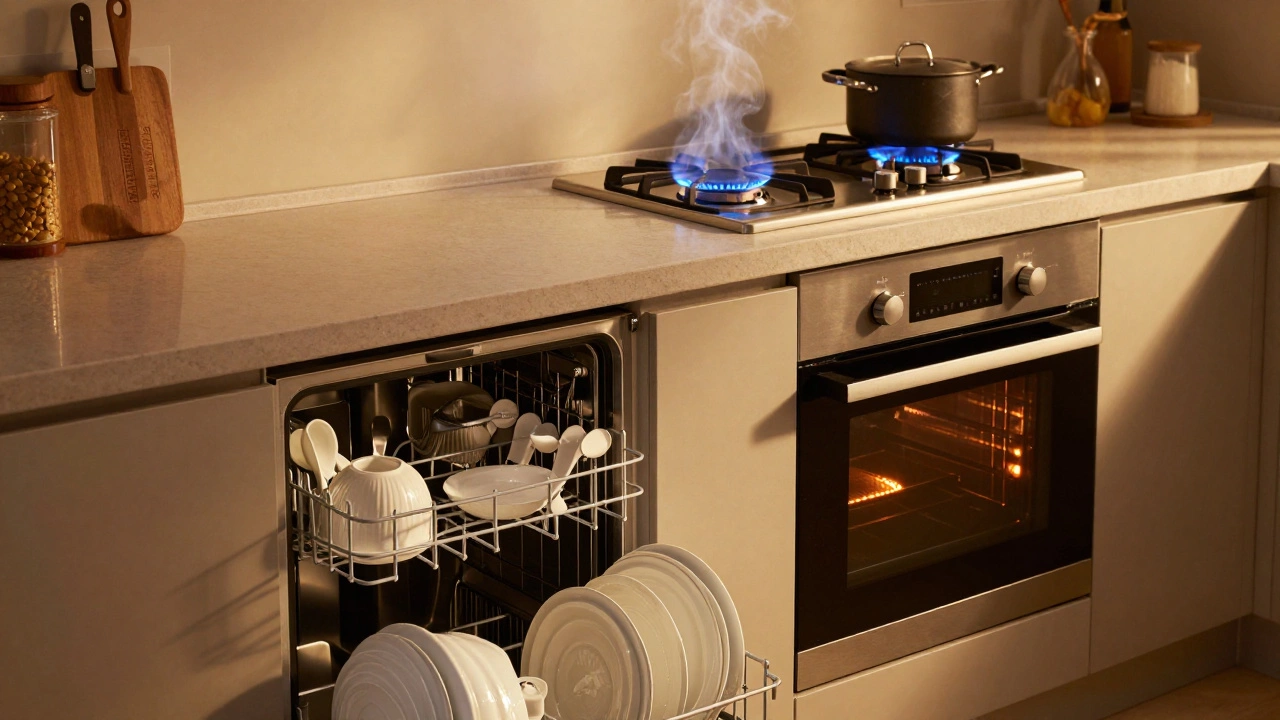
We group the oven and the cooktop (or hob) together because they form the primary cooking station in most homes. Whether it is gas, electric, or induction, this combination allows for precise heat application. The oven provides enclosed, radiant heat for baking and roasting, while the cooktop offers direct surface heat for boiling, frying, and sautéing.
This pairing is essential because they represent the highest temperature extremes in the home. An oven can reach 250°C or higher, requiring robust insulation and heating elements. The cooktop deals with open flames or intense electromagnetic fields (in the case of induction). Safety mechanisms are built-in, such as thermal fuses and residual heat indicators, making these appliances highly engineered pieces of equipment.
For many homeowners, the choice between gas and electric affects their lifestyle. Gas hobs offer instant flame control, which chefs prefer, while induction cooktops heat up faster and are safer since the glass surface doesn't get as hot as the pan. Regardless of type, grease buildup is the enemy. Clogged burners or dirty oven racks reduce efficiency and can become fire hazards if left unchecked.
The Dishwasher: The Time-Saver
The fourth pillar is the dishwasher. Often debated as a luxury, it has become a standard expectation in modern housing. Its role is to sanitize and clean dishes using high-pressure water jets and heated drying cycles. It uses less water and energy than hand-washing if loaded correctly, making it an eco-friendly choice despite its upfront cost.
Why is it in the top four? Because it handles the messy aftermath of cooking. Without it, the kitchen sink becomes a bottleneck. The dishwasher relies on a complex plumbing system, including a garbage disposal connection (in some setups), spray arms, and a heating element. It also requires specific detergents designed to dissolve in hot water without creating excessive foam.
A common mistake users make is pre-rinsing dishes thoroughly. Modern dishwashers use enzymes in detergent that need food particles to activate effectively. Pre-rinsing actually reduces cleaning performance. Another issue is hard water. In areas with mineral-rich water, limescale can build up on the heating element and spray arms, reducing efficiency. Using rinse aid and descaling tablets periodically keeps the machine running smoothly.
Why These Four Matter More Than the Rest
You might wonder why the dryer, microwave, or vacuum cleaner didn't make the cut. The distinction lies in necessity, cost, and infrastructure integration. The big four are typically hardwired or require dedicated plumbing connections. They cannot be easily unplugged and moved to another room. They are fixed assets in your home.
Furthermore, their replacement costs are significant. A basic refrigerator might cost $800, while a high-end suite of oven, cooktop, and dishwasher can exceed $3,000. When one fails, it impacts your ability to function daily. You can survive without a microwave for a few days, but you cannot safely store meat without a fridge or clean clothes without a washer.
| Appliance | Primary Function | Avg. Lifespan | Energy Usage | Maintenance Frequency |
|---|---|---|---|---|
| Refrigerator | Food preservation via cooling | 10-15 years | High (Continuous) | Clean coils every 6 months |
| Washing Machine | Cleaning fabrics | 10-12 years | Medium (Per Load) | Clean drum/filter monthly |
| Oven/Cooktop | Cooking via heat | 15+ years | Variable (Usage-based) | Clean spills immediately |
| Dishwasher | Cleaning dishes/sanitizing | 7-10 years | Low-Medium (Per Cycle) | Descale every 3 months |
Signs Your Major Appliance Needs Attention
Ignoring small issues with these four giants leads to big bills. Here is what to watch for:
- Unusual Noises: A grinding sound in the washing machine suggests a broken bearing. A buzzing fridge might indicate a failing compressor.
- Water Leaks: Puddles under the dishwasher or washing machine often mean a worn hose or clogged drain pump. Fix this early to avoid floor damage.
- Temperature Fluctuations: If your fridge feels warm or your oven takes forever to preheat, the thermostat or heating element may be faulty.
- Higher Energy Bills: A sudden spike in electricity costs without changed habits often points to an inefficient appliance working harder than it should.
Regular maintenance is cheaper than replacement. For example, cleaning the condenser coils on your fridge annually can improve efficiency by up to 25%. Similarly, checking the door seals on your oven ensures heat doesn't escape, saving gas or electricity.
Choosing Repairs vs. Replacement
When one of the big four breaks, the decision isn't always easy. A good rule of thumb is the "50% Rule." If the cost of repair is more than 50% of the price of a new unit, and the appliance is over halfway through its expected lifespan, replace it. Newer models are significantly more energy-efficient, which pays off over time.
However, if the repair is minor-like replacing a door gasket or a thermal fuse-and the machine is relatively new, fixing it is usually the smarter move. Always consult a certified technician who specializes in your specific brand. General handyman repairs on complex electronics can void warranties or cause safety hazards.
Are microwaves considered one of the 4 main appliances?
No, microwaves are classified as small or countertop appliances. They are not hardwired, do not require plumbing, and are generally less expensive and easier to replace than the major four (refrigerator, washer, oven, dishwasher).
How long should a washing machine last?
A typical washing machine lasts between 10 and 12 years with proper care. Front-loading models tend to last longer than top-loaders because they use less water and have fewer moving parts in the agitation mechanism. Regular cleaning of the filter and avoiding overloading extends its life.
Which appliance uses the most electricity?
The refrigerator is usually the biggest continuous energy user because it runs 24/7. However, if you have an older electric dryer or a very old electric oven, those can spike energy usage during active use. Upgrading to ENERGY STAR rated models can significantly reduce this consumption.
Is it worth repairing a 10-year-old dishwasher?
It depends on the repair cost. If the fix is under $150-$200, it might be worth it. However, dishwashers typically last 7-10 years. At 10 years old, it is likely nearing the end of its functional life, and newer models are much quieter and more water-efficient. Replacement is often the better long-term investment.
Do I need professional installation for these appliances?
Yes, especially for the refrigerator, oven, and washing machine. Improper leveling can cause vibration and noise. Incorrect electrical connections (especially for dryers and ovens) pose fire risks. Plumbing connections for washers and dishwashers must be leak-proof to prevent water damage. Professional installation ensures warranty validity and safety.
I am an expert in the services industry with a focus on appliance repair. My passion lies in understanding how things work and educating others in simple, engaging ways. This enthusiasm fuels my writing, where I delve into topics around appliance maintenance and troubleshooting. I aim to make these subjects clear and accessible to all readers.