Electric Oven Repair vs. Replace Calculator
Adjust the sliders below to match your specific situation.
Borderline Case
The repair cost is moderate and the oven is relatively young. Check the warranty status before proceeding.
- Repair cost is within reasonable range.
- Oven is in its prime lifespan.
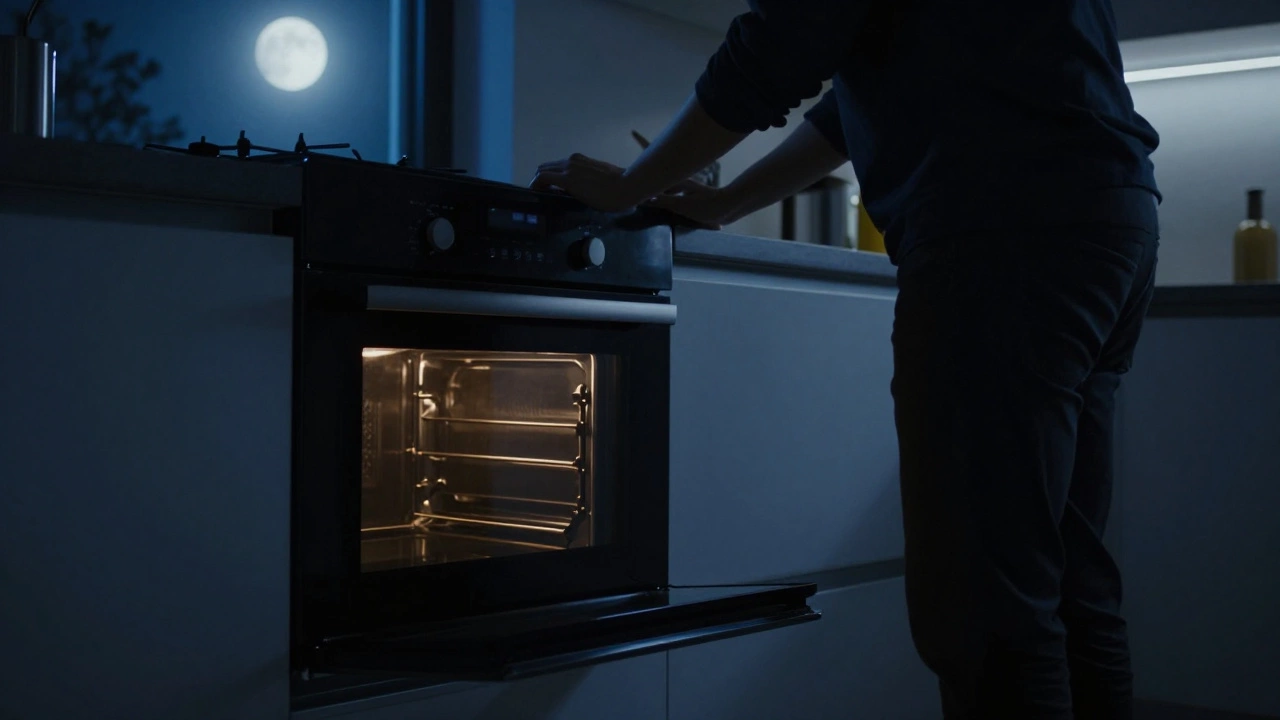
It’s 3 AM. You’re hungry. You put your toast in the electric oven, hit start, and nothing happens. No hum, no heat, just a dark box mocking you from under the counter. This is the moment every homeowner dreads: do I call a technician, or do I go to the store and buy a new one?
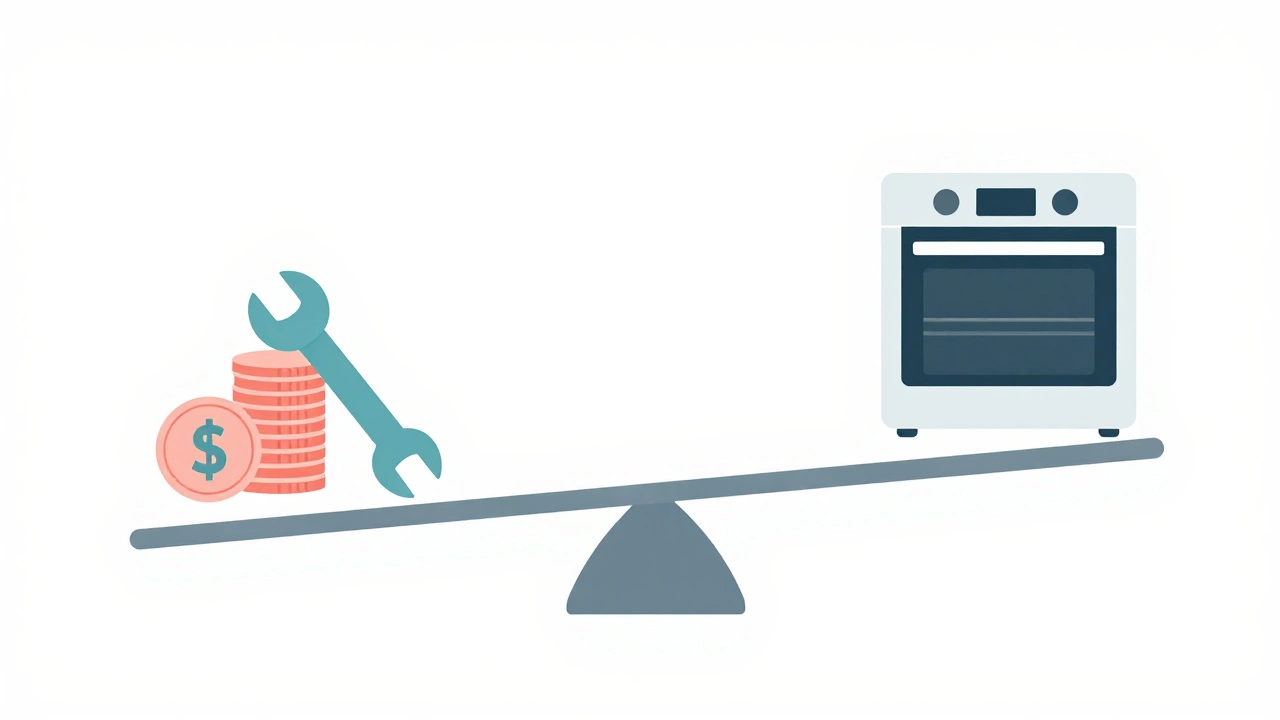
The answer isn’t as simple as “fix it” or “buy new.” In 2026, with appliance prices fluctuating and labor costs rising, the decision requires a bit of math and a lot of gut feeling. If you replace your oven every time a $50 part fails, you’re throwing money away. But if you keep pumping cash into a dying machine that uses twice the electricity of a modern model, you’re also losing out.
This guide cuts through the noise. We’ll look at the real costs, the hidden dangers, and the specific signs that tell you when an electric oven has truly had its last bake.
The 50% Rule: The Golden Standard for Appliance Decisions
There is a rough heuristic used by many technicians called the "50% Rule." If the cost of the repair is more than 50% of the price of a comparable new unit, you should generally replace it. However, this rule needs nuance in today's market.
Let’s break down the numbers. A mid-range new electric oven in New Zealand typically costs between NZD $800 and $1,500. Installation might add another $100-$200 if you need an electrician to upgrade your outlet. On the other hand, a standard service call fee for a technician is often around NZD $100-$150, plus parts.
- Cheap Fix (Under $200): Thermostat calibration, door latch adjustment, or cleaning heating elements. Verdict: Repair.
- Moderate Fix ($200 - $400): Replacing a heating element, a faulty door switch, or a control board capacitor. Verdict: Repair if the oven is less than 7 years old.
- Expensive Fix ($400+): Main control board failure, complex wiring issues, or multiple component failures. Verdict: Replace.
If your oven is ten years old and the control board burns out, paying $350 to fix it doesn’t make sense. That $350 could be a significant chunk of a brand-new, energy-efficient model. But if it’s a two-year-old oven with a broken hinge, replacing the whole thing feels wasteful.
Age Matters More Than You Think
The lifespan of a quality electric oven is typically 10 to 13 years. After that, efficiency drops, and parts become harder to find. Here is how age changes the equation:
| Oven Age | Likelihood of Spare Parts | Recommendation |
|---|---|---|
| 0 - 5 Years | High (Under Warranty) | Always repair. Check warranty first. |
| 5 - 10 Years | Medium (Parts available but pricier) | Repair if cost is under $300. |
| 10 - 13 Years | Low (Some models discontinued) | Replace unless sentimental value exists. |
| 13+ Years | Very Low (Obsolete tech) | Replace immediately for safety and efficiency. |
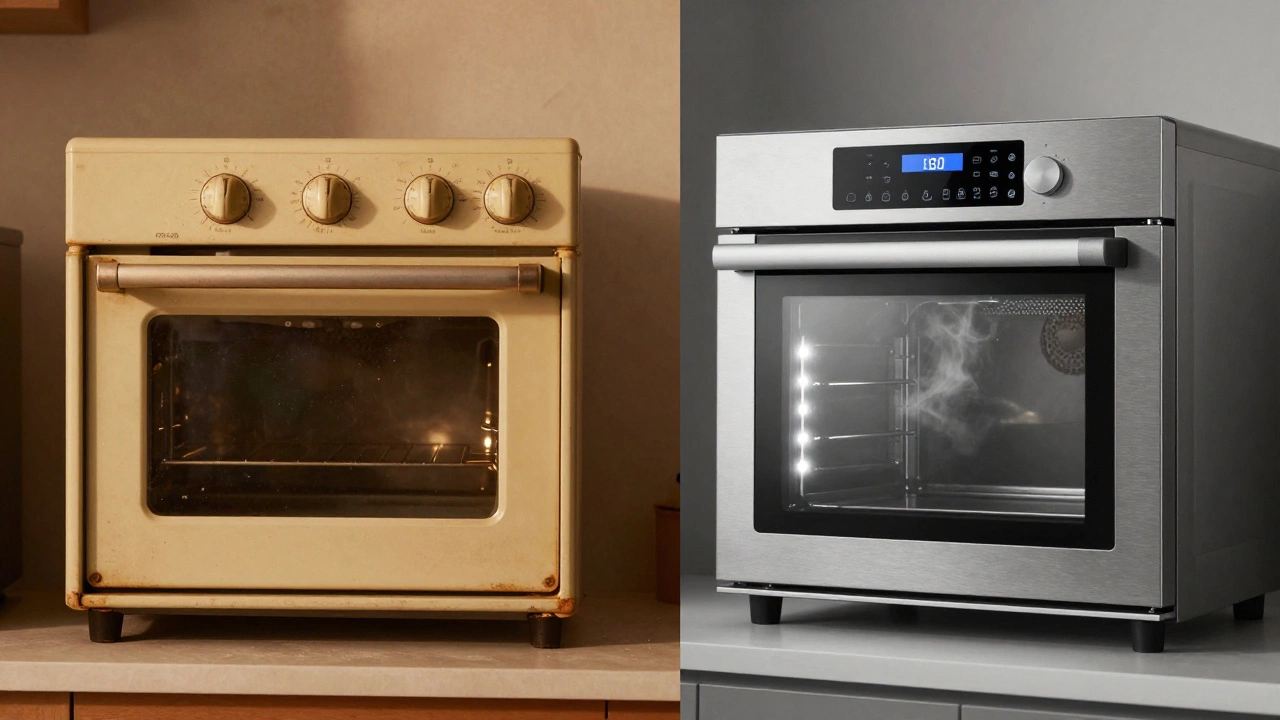
An oven from 2012 likely lacks the digital precision of a 2026 model. Older analog thermostats drift over time. You might think your oven is set to 180°C, but it’s actually running at 195°C. This leads to burnt food and wasted energy. Modern ovens use solid-state relays and precise sensors that maintain temperature within a degree or two.
Safety Red Flags: When Repair Is Not an Option
Some problems are not worth fixing because they indicate systemic failure or danger. If you notice any of these, skip the repair quote and plan for a replacement:
- Burning Smell from Wires: If the smell comes from inside the back panel or the bottom cavity (not just burnt food), your internal wiring insulation may be melting. This is a fire hazard.
- Sparking or Arcing: Small sparks inside the cooking chamber can happen occasionally with certain foods, but continuous arcing from the heating elements or sockets indicates a serious electrical fault.
- Door Seal Failure: If the rubber gasket around the door is cracked or missing, heat escapes rapidly. While you can sometimes replace the seal, if the door frame itself is warped, the oven won’t hold heat efficiently ever again.
- Frequent Tripping of Circuit Breakers: If your oven trips the breaker every time you turn it on, there is a short circuit or ground fault. This stresses your home’s electrical system and poses a shock risk.
In Wellington, where homes can have older electrical infrastructure, pushing an aging, high-draw appliance like an electric oven can be risky. Safety always trumps cost savings.
The Hidden Cost: Energy Efficiency
We often forget that an oven is a major energy consumer. An electric oven from 2010 uses significantly more kilowatt-hours per hour than a 2026 model. Why? Because insulation technology has improved.
Modern ovens use double-glazed doors and thicker ceramic fiber insulation. They preheat faster and retain heat better. According to Energy Rating labels common in New Zealand, a 4-star rated oven can save you hundreds of dollars over five years compared to a 1-star model. If you bake frequently, a new oven pays for itself in energy bills.
Calculate this roughly: If your old oven uses 2.5 kWh per hour and your new one uses 1.8 kWh, and you run it for 2 hours a week, that’s a saving of 1.4 kWh per week. At current electricity rates, that adds up. Over three years, those savings might cover the difference in purchase price.
Common Repairs That Are Actually Worth It
Not all repairs are expensive. Some components wear out naturally and are cheap to swap. If your oven is otherwise healthy, these fixes extend life without breaking the bank:
- Heating Elements: If the top broiler or bottom bake element has visible blisters, breaks, or doesn’t glow red, it’s dead. Replacement elements cost between $30 and $80. It’s a straightforward swap for a handy person or a quick job for a pro.
- Door Switches: Many ovens won’t light the interior bulb or allow self-cleaning cycles if the door switch is faulty. These switches are small, inexpensive, and easy to replace.
- Calibration: Sometimes the oven isn’t broken; it’s just inaccurate. Most digital ovens allow you to adjust the temperature offset via the settings menu. If your cookies are burning on the edges, try lowering the calibration by 10-15 degrees before calling a technician.
DIY vs. Professional Help
Can you fix it yourself? For simple mechanical parts like hinges, racks, or glass shelves, yes. But anything involving electricity requires caution. Electric ovens operate at 240 volts in New Zealand. That is lethal voltage.
If you are comfortable turning off the power at the main switchboard, disconnecting wires, and using a multimeter to test for continuity, you can save on labor costs. However, if the issue involves the control board or internal wiring harness, leave it to a licensed electrician or appliance technician. One wrong connection can destroy the entire control system or cause a fire.
Also, consider the warranty. If your oven is still under manufacturer warranty, DIY repairs will void it. Always check your paperwork first.
When to Buy New: Features That Justify the Upgrade
If you are leaning toward replacement, don’t just buy the same old model. Use the opportunity to upgrade features that improve daily life:
- Self-Cleaning Cycles: Pyrolytic cleaning turns dirt into ash at extreme temperatures. It saves hours of scrubbing.
- Smart Connectivity: Some 2026 models allow you to preheat the oven from your phone. Perfect for when you’re stuck in traffic coming home from work.
- Steam Assist: Steam injection helps bread rise better and keeps meats juicy. It’s a game-changer for serious home cooks.
- Flexibility: Look for ovens with multiple rack positions and versatile modes like convection (fan-forced) for even baking.
These features aren’t just gimmicks; they change how you interact with your kitchen. If your current oven is a basic box, upgrading can genuinely improve your cooking experience.
Conclusion: Making the Final Call
So, is it worth repairing your electric oven? Ask yourself three questions:
- Is the repair cost less than 50% of a new oven?
- Is the oven less than 10 years old?
- Are there no safety hazards involved?
If you answered yes to all three, repair it. If you answered no to any, especially the safety question, replace it. Your wallet and your peace of mind will thank you.
How much does it cost to repair an electric oven in New Zealand?
A typical service call ranges from NZD $100 to $150. Parts vary widely: a heating element might cost $30-$80, while a control board can run $200-$400. Total repair costs usually fall between $150 and $500 depending on the complexity.
What is the average lifespan of an electric oven?
Most electric ovens last between 10 and 13 years with proper maintenance. High-end models may last longer, while budget units might fail sooner due to lower-quality components.
Can I fix a broken heating element myself?
Yes, replacing a heating element is one of the easier DIY repairs. You must turn off the power at the switchboard, remove the old element, and install the new one. Ensure you buy the correct wattage and fit for your model.
Why is my oven tripping the circuit breaker?
This indicates a short circuit, ground fault, or overloaded circuit. It is a serious safety issue. Do not attempt to use the oven until a qualified electrician inspects the wiring and the oven’s internal components.
Is it cheaper to repair or replace a 12-year-old oven?
Generally, replace it. At 12 years old, the oven is nearing the end of its life. Repair costs will likely exceed the value gained, and you miss out on energy savings from newer, more efficient models.
I am an expert in the services industry with a focus on appliance repair. My passion lies in understanding how things work and educating others in simple, engaging ways. This enthusiasm fuels my writing, where I delve into topics around appliance maintenance and troubleshooting. I aim to make these subjects clear and accessible to all readers.