Heat Pump Repair vs. Replace Calculator
Use this tool to apply the "50% Rule" and analyze potential energy savings from upgrading to a modern unit.
Current Situation
Replacement Option
Verdict
Analyzing...Result description goes here.
The 50% Rule Check
- Repair Cost: $0
- 50% of New Unit: $0
- Status: --
Potential Savings
- Est. Annual Savings: $0
- Savings over 5 Years: $0
- Payback Period: --
There is a moment every homeowner dreads. The temperature drops, you turn the thermostat up, and silence follows. No hum, no warm air, just a cold house. Before you panic about the repair bill, ask yourself one question: how old is that unit? If it’s pushing past its expected life, throwing money at repairs might be the worst financial decision you make this year.
The average lifespan of a heat pump is a hybrid heating and cooling system that transfers thermal energy between indoor and outdoor spaces. Typically, these units last between 10 to 15 years under normal conditions. However, with exceptional care and modern technology, some units stretch to 20 years. Conversely, neglect can kill a unit in under five years. Knowing where your specific system sits on this timeline is the difference between a simple filter change and a $6,000 emergency replacement.
Why Heat Pumps Don't Last Forever
To understand why your heat pump has an expiration date, you have to look at what it actually does. Unlike a furnace that burns gas or oil to create heat, a heat pump uses electricity to move existing heat from one place to another. This process relies on a closed loop of refrigerant, a compressor, and moving parts that work tirelessly, day and night, for both heating and cooling.
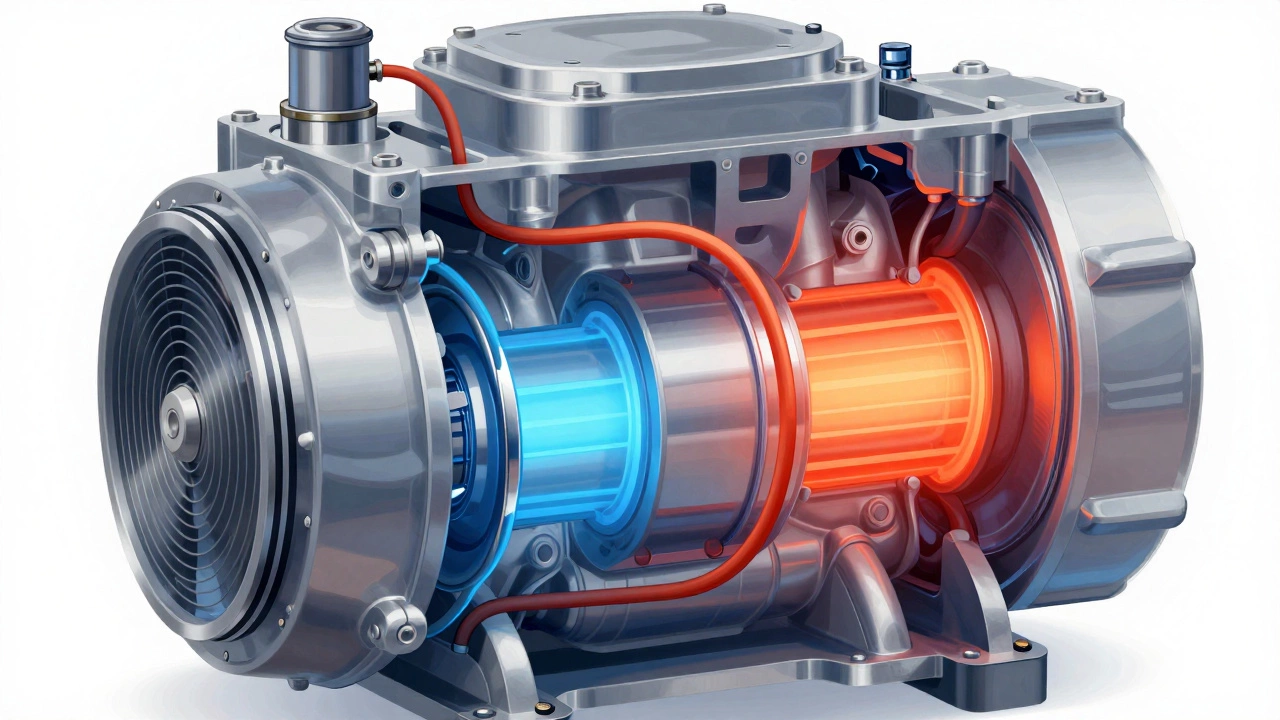
The compressor is the heart of the system. It compresses low-pressure gas into high-pressure hot gas. This happens thousands of times a day. Over time, metal fatigues. Seals dry out. The lubricating oil breaks down. Even if nothing "breaks" in a dramatic sense, the efficiency of the transfer degrades. A new heat pump might produce three units of heat for every one unit of electricity consumed (a Coefficient of Performance, or COP, of 3.0). An aging unit might drop to a COP of 1.8. You are paying more for less comfort. That inefficiency is the silent killer of heat pump longevity.
Factors That Determine Your Unit's Lifespan
Not all heat pumps are created equal, and not all environments treat them fairly. Several key variables dictate whether your unit hits the 15-year mark or quits at year eight.
- Climate Severity: In mild climates like California or Florida, heat pumps run efficiently but don't face extreme stress. In colder regions like Minnesota or New York, older models struggle to extract heat from freezing air, forcing the auxiliary electric resistance heaters to kick in. This constant cycling wears out components faster.
- Installation Quality: This is the biggest hidden factor. A poorly sized unit-one that is too big for the space-will short-cycle. It turns on, heats the room quickly, and shuts off. Then it repeats. This frequent starting and stopping puts immense strain on the compressor. Proper ductwork sealing is equally critical; leaky ducts force the pump to work overtime to maintain temperature.
- Maintenance Frequency: Think of your heat pump like your car. If you never change the oil, the engine seizes. For heat pumps, dirty coils act like a blanket over the engine. Dirt and debris on the outdoor condenser coil prevent heat exchange. The system works harder, runs hotter, and fails sooner. Annual professional servicing is non-negotiable for longevity.
- Model Technology: Older R-22 refrigerant systems are obsolete and inefficient. Modern units using R-410A or the newer R-32 refrigerants are designed with better compressors and variable-speed motors. A variable-speed heat pump adjusts its output smoothly rather than blasting full power, reducing wear and tear significantly.
Signs Your Heat Pump Is Reaching End-of-Life
You don't need a crystal ball to know when your system is failing. It usually screams before it dies. Watch for these specific warning signs that indicate your heat pump is nearing the end of its useful life.
| Symptom | What It Means | Action Required |
|---|---|---|
| Grinding or squealing noises | Bearing failure in the fan motor or compressor issues | Immediate inspection; likely part replacement or full unit swap |
| Ice buildup on outdoor unit | Refrigerant leak or faulty defrost cycle sensor | Professional diagnosis; minor fixes possible if unit is young |
| Rising energy bills | Declining efficiency (COP) due to worn components | Efficiency audit; consider replacement if unit is >10 years old |
| Frequent short-cycling | Thermostat issue, oversized unit, or failing compressor | Check thermostat first; if persistent, inspect compressor health |
| Weak airflow | Clogged filters, failing blower motor, or duct leaks | Change filters; if problem persists, check blower motor bearings |
If you see ice forming on the lineset during winter, stop the unit immediately. Running a frozen heat pump can destroy the compressor within hours. Similarly, if your electricity bill jumps by 20% or more without a change in usage habits, your heat pump is likely struggling to keep up. These aren't just annoyances; they are data points indicating systemic degradation.
Repair vs. Replace: The 50% Rule
This is the most common dilemma homeowners face. The technician says the capacitor is shot, or maybe the compressor needs rebuilding. The quote comes back for $800. Do you pay it? Here is a practical heuristic used by HVAC professionals: the 50% rule.
If the cost of the repair exceeds 50% of the cost of a new unit, and your current system is more than half its expected lifespan (so, over 7-8 years old), replace it. Why? Because you will likely face another major repair within two years. Putting $800 into a 12-year-old unit is like pouring concrete into a sinking foundation. You’re spending money to delay the inevitable.
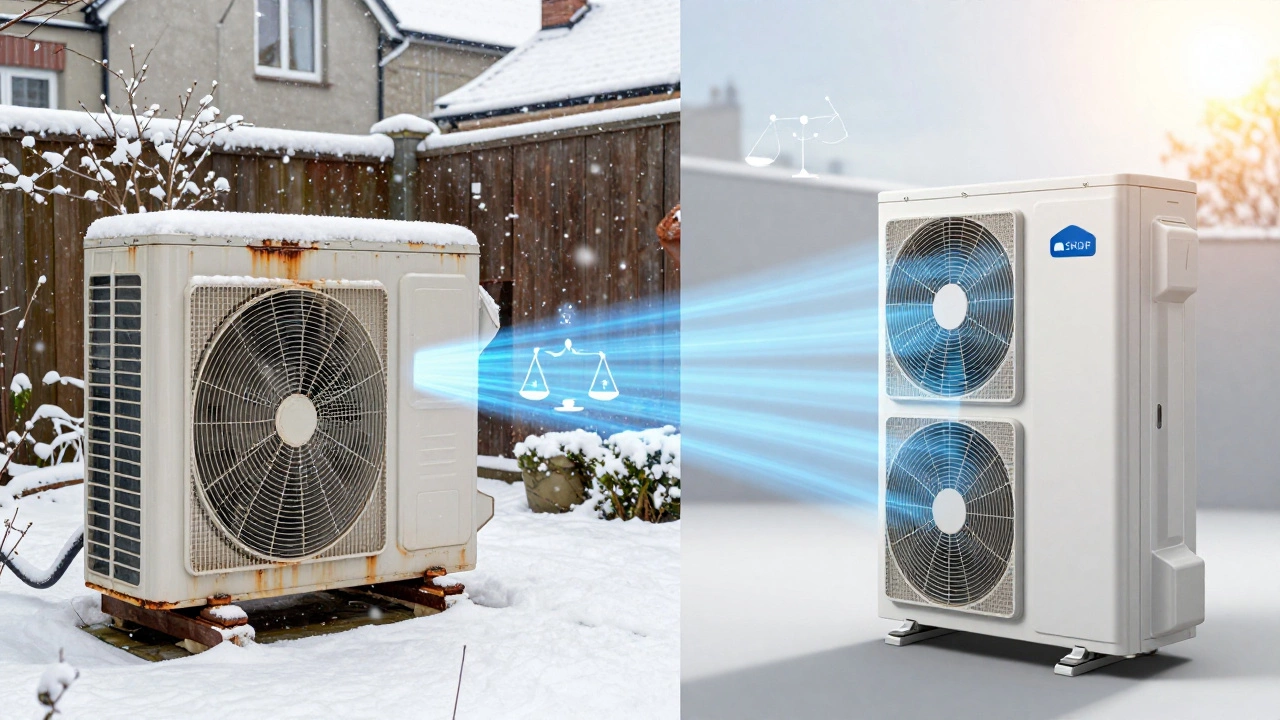
Furthermore, consider the efficiency gap. A heat pump installed in 2015 might have a Seasonal Energy Efficiency Ratio (SEER) of 14. A new model in 2026 can easily achieve a SEER2 rating of 18 or higher. That 30% increase in efficiency means lower monthly bills. In many cases, the savings on your electric bill will pay for the new unit within three to five years. Calculate the math: if your annual heating/cooling cost is $2,000, a 30% saving is $600 a year. Five years later, you’ve recouped a significant portion of the investment while enjoying reliable comfort.
Extending the Life of Your Current Heat Pump
If your unit is still under ten years old and running relatively well, you can maximize its remaining life with disciplined maintenance. You don’t need to be an engineer, but you do need to be proactive.
- Change Filters Monthly: During peak heating and cooling seasons, check your air filters every month. A clogged filter restricts airflow, causing the evaporator coil to freeze and the compressor to overheat. This is the single easiest thing you can do to protect your investment.
- Keep the Outdoor Unit Clear: Ensure there is at least two feet of clearance around the outdoor condenser. Trim bushes, remove leaves, and clear snow (but gently, without damaging the fins). Airflow is oxygen for your heat pump.
- Inspect Ductwork Annually: Leaky ducts can lose up to 30% of the conditioned air before it reaches your rooms. Seal visible gaps with mastic tape (not duct tape, which fails over time). This reduces the load on your heat pump.
- Professional Tune-Up: Hire a certified technician once a year, ideally in the spring for AC prep and fall for heating prep. They will check refrigerant levels, tighten electrical connections, and lubricate moving parts. Catching a small leak early prevents compressor death later.
- Set the Thermostat Wisely: Avoid drastic temperature swings. Setting your thermostat to 72°F in summer and 68°F in winter is efficient. Dropping it to 55°F when you leave and cranking it to 80°F when you return forces the system to work harder to recover, increasing wear.
The Future of Heat Pumps: What to Expect in 2026 and Beyond
The landscape of home heating is shifting rapidly. With stricter environmental regulations phasing out high-global-warming-potential refrigerants, new heat pumps are becoming smarter and greener. If you are looking at replacements now, you are buying into next-generation technology.
Modern units often come with Wi-Fi connectivity, allowing you to monitor performance and receive alerts before a breakdown occurs. Some integrate with solar panels, optimizing energy use based on production peaks. Additionally, cold-climate heat pumps are now capable of operating efficiently even at temperatures below -15°F (-26°C), eliminating the need for backup electric resistance heat in many northern regions. This advancement not only extends the usable life of the unit by reducing reliance on secondary heating elements but also drastically cuts carbon footprints.
Understanding the lifespan of your heat pump isn't just about avoiding a cold house. It's about managing a major household asset. By recognizing the signs of aging, adhering to strict maintenance routines, and making informed decisions about repair versus replacement, you ensure that your home remains comfortable, efficient, and cost-effective for years to come. Don't wait for the silence. Listen to your system, and it will serve you well.
Is it worth repairing a 15-year-old heat pump?
Generally, no. A 15-year-old heat pump has reached or exceeded its average lifespan. Repairs on such units are often temporary fixes. Given the significant improvements in efficiency with modern units, replacing a 15-year-old system usually results in lower energy bills and greater reliability, making replacement the more economical long-term choice.
How much does it cost to replace a heat pump?
The cost varies based on size, brand, and installation complexity, but typically ranges from $3,500 to $7,500 for a standard residential unit in 2026. High-efficiency models or those requiring extensive ductwork modifications can cost upwards of $10,000. Always get multiple quotes and check for local rebates or tax credits for energy-efficient upgrades.
Can I extend my heat pump's life beyond 15 years?
Yes, with diligent maintenance. Regular filter changes, annual professional tune-ups, and keeping the outdoor unit clean can help a heat pump last 18 to 20 years. However, expect efficiency to decline after the 15-year mark, leading to higher energy costs even if the unit still functions.
What is the difference between SEER and HSPF ratings?
SEER (Seasonal Energy Efficiency Ratio) measures cooling efficiency, while HSPF (Heating Seasonal Performance Factor) measures heating efficiency. Higher numbers indicate better efficiency. When buying a new heat pump, look for high ratings in both categories to ensure optimal performance year-round. New standards in 2026 emphasize SEER2 and HSPF2 metrics for more accurate real-world performance data.
Why is my heat pump blowing warm air in the winter?
This could be due to several issues: a frozen evaporator coil, a refrigerant leak, a faulty reversing valve, or the unit switching to emergency heat mode. If the outdoor unit is covered in ice, turn the system off and let it thaw. If the problem persists, call a professional, as refrigerant issues require specialized tools to diagnose and fix safely.
I am an expert in the services industry with a focus on appliance repair. My passion lies in understanding how things work and educating others in simple, engaging ways. This enthusiasm fuels my writing, where I delve into topics around appliance maintenance and troubleshooting. I aim to make these subjects clear and accessible to all readers.