Fridge Troubleshooter
Select the symptom you are experiencing to see the likely cause, DIY difficulty, and estimated repair cost.
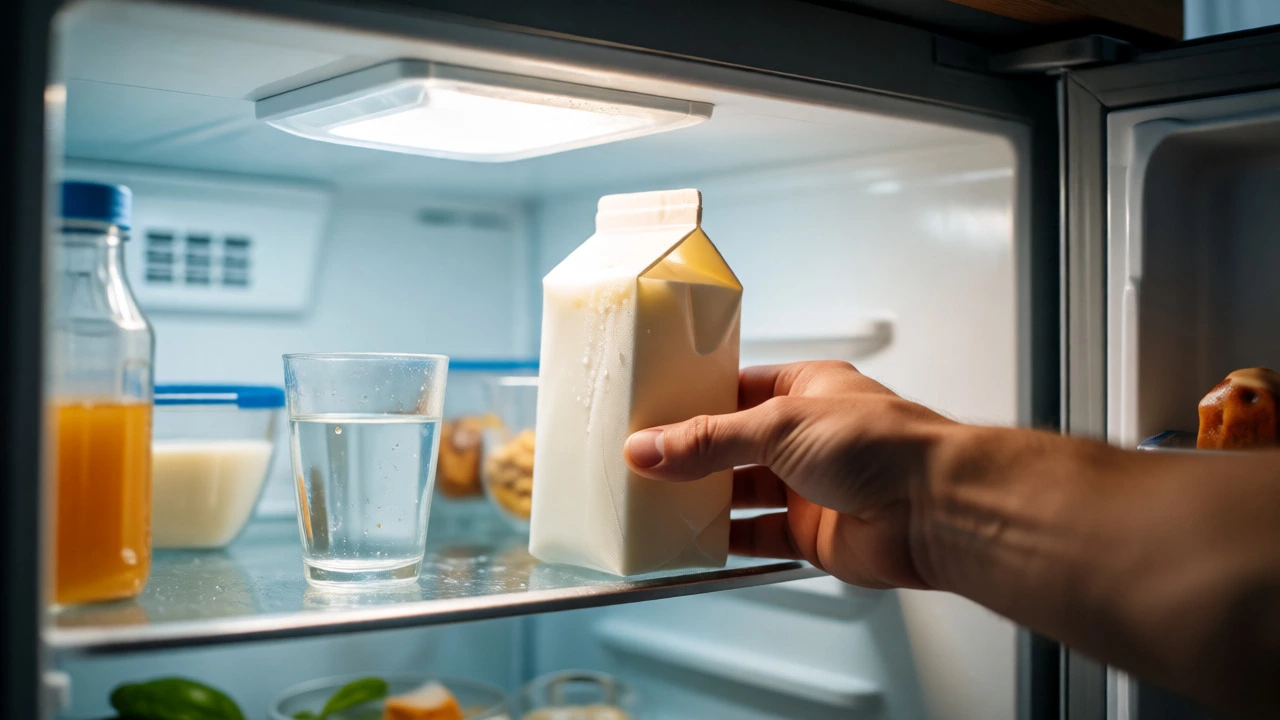
You walk into the kitchen, open the refrigerator door, and see that bright, cheerful light. Everything looks normal. You grab a carton of milk, pour a glass, and take a sip. It’s warm. That sinking feeling hits hard. Your fridge is running-the hum might even be audible-but it isn't doing its one job: keeping your food cold. This is one of the most common appliance complaints, and honestly, it’s confusing because the power clearly works. If the light turns on, electricity is reaching the unit. So why is the ice cream melting?
The truth is, a fridge has two main systems: the lighting circuit (simple) and the cooling system (complex). When the light works but the cooling fails, you’re dealing with an issue in that complex side. It could be something as simple as a blocked vent or as serious as a dead compressor. Before you call a technician, there are several checks you can do yourself. Most of these fixes cost nothing or just the price of a cheap part. Let’s figure out what’s wrong with your fridge.
Check the Basics First
Before tearing the fridge apart, rule out the obvious stuff. Sometimes, the problem isn’t mechanical at all. Start by checking the temperature settings. Did someone bump the dial? Is it set to "Off" or a very high number? For most fridges, the ideal setting is between 37°F and 40°F (3°C to 4°C). If it’s set too high, the compressor won’t kick in often enough to keep things cold.
Next, look at the door seals. These rubber gaskets around the door edge create an airtight seal. If they’re cracked, dirty, or loose, cold air escapes, and warm air rushes in. The fridge tries to compensate, but it can’t keep up. Test this easily: close the door on a dollar bill. If you can pull it out without resistance, the seal is bad. Clean the gaskets with warm soapy water first; sometimes grime prevents a good seal. If they’re torn, replacement kits are usually under $20.
Also, consider how full the fridge is. Overloading blocks airflow. Underloading means there’s not enough thermal mass to hold the cold when the door opens. Aim for about 75% full. And give it time. If you just moved the fridge or had a power outage, it can take 24 hours to stabilize. Don’t panic after ten minutes.
The Evaporator Fan Motor Issue
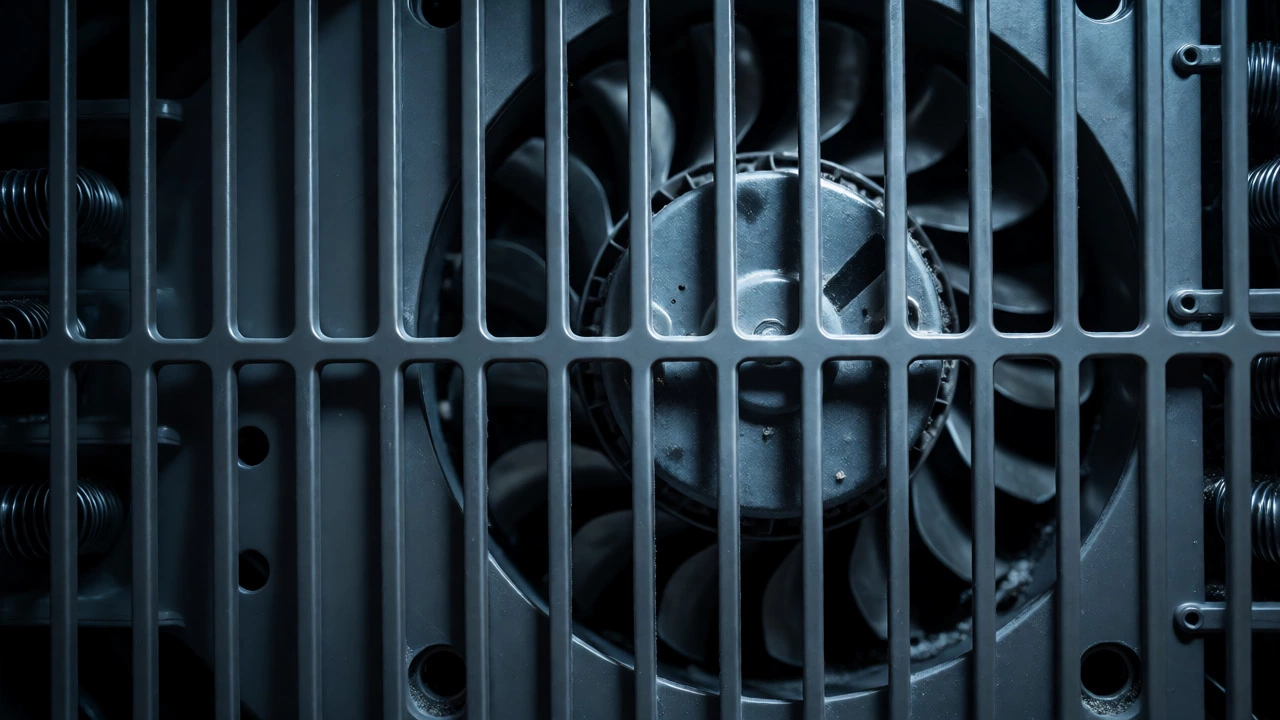
If the basics check out, the next suspect is the evaporator fan motor. This little fan lives behind the back panel inside the freezer compartment. Its job is crucial: it blows cold air from the evaporator coils into both the freezer and the fridge section. If this fan dies, cold air stays trapped in the freezer. The freezer might still be freezing fine, but the fresh food compartment upstairs gets no circulation. Result? Warm groceries, frozen peas.
How do you know if it’s the fan? Listen closely. When the compressor runs, you should hear a gentle whirring sound from inside the freezer. If it’s silent, or makes a rattling noise, the fan is likely broken. You can test it manually. Unplug the fridge, remove the rear panel in the freezer, and try to spin the fan blade by hand. It should spin freely. If it’s stiff or doesn’t move, replace it. Part costs range from $15 to $50 depending on the model. Replacing it takes basic screwdriver skills and maybe 30 minutes.
Condenser Coils and Dust Buildup
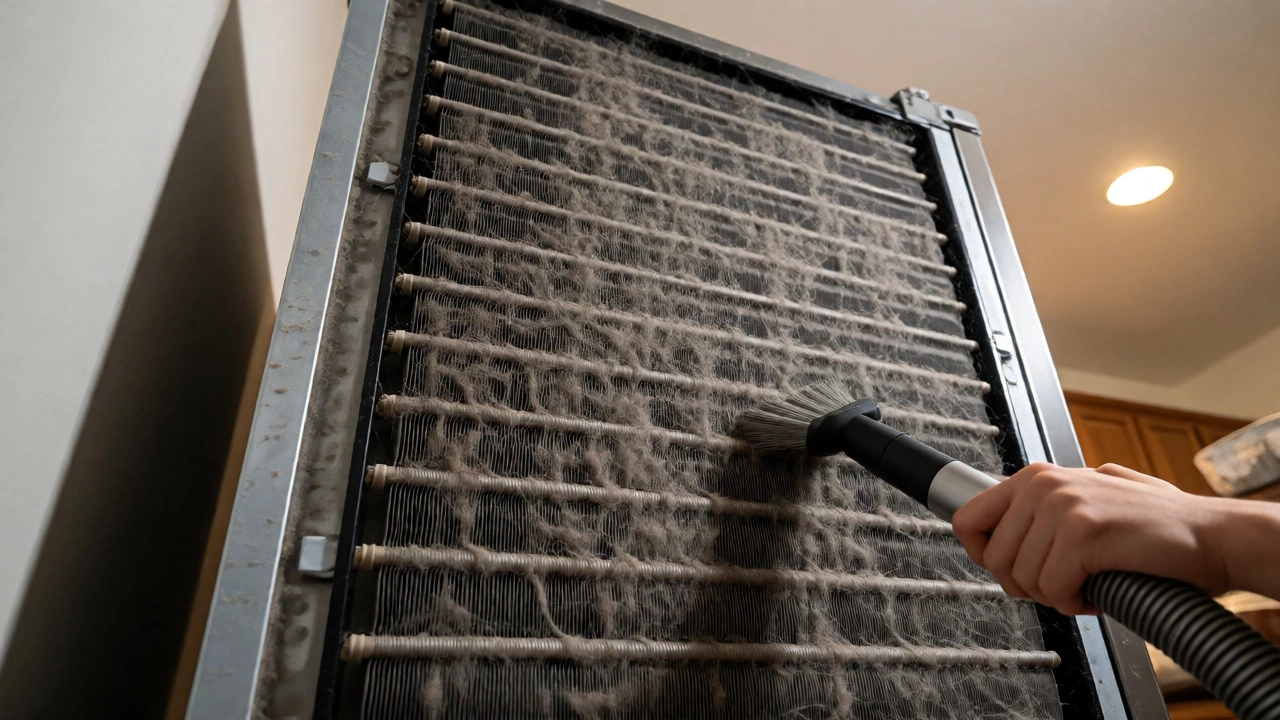
Your fridge needs to dump heat outside to stay cold inside. It does this through the condenser coils, which are usually located either underneath the fridge or along the back wall. Think of them like the radiator in your car. If they get clogged with dust, pet hair, and lint, they can’t release heat efficiently.
When the coils are dirty, the compressor works harder but struggles to cool down the refrigerant. Eventually, the system overheats and shuts off the cooling cycle, even though the light stays on. This is especially common in homes with pets or carpeted kitchens. Check your coils. If they look fuzzy or gray, clean them. Use a coil brush or a vacuum cleaner with a brush attachment. Be gentle-you don’t want to bend the fins. Doing this once every six months can save you hundreds in energy bills and repairs.
Thermostat and Control Board Failures
The thermostat acts as the brain of the cooling cycle. It senses the internal temperature and tells the compressor when to turn on and off. If the thermostat breaks, it might think the fridge is already cold when it’s actually warm. Consequently, it never signals the compressor to start.
In older models, the thermostat is a simple mechanical switch. In newer digital fridges, it’s part of an electronic control board. Testing a mechanical thermostat requires a multimeter to check for continuity. If it’s open (no continuity) at room temperature, it’s faulty. Digital boards are trickier. Look for burnt components or swollen capacitors on the board. If you suspect the board, unplug the fridge for five minutes to reset it. If the problem persists, professional diagnosis is often needed because swapping boards can be expensive ($100-$300).
Compressor Problems: The Heart of the System
The compressor is the heart of your fridge. It pumps refrigerant through the system, compressing it to create pressure and heat, then allowing it to expand and cool. If the compressor fails, the fridge stops cooling entirely, even if everything else works.
Symptoms of a failing compressor include loud clicking sounds, humming without starting, or the unit being extremely hot to the touch near the bottom. Sometimes, the compressor tries to start but stalls due to electrical issues. A component called the start relay helps the compressor kick in. Relays fail more often than compressors themselves. They’re cheap (under $20) and easy to swap. Shake the old relay-if it rattles, it’s broken. Replace it before condemning the whole fridge.
If the relay is fine but the compressor still won’t run, listen for a click followed by silence. That’s a classic sign of a seized compressor. Replacement is costly, often approaching the price of a new fridge, so weigh your options carefully.
Refrigerant Leaks and Sealed System Issues
Modern fridges use sealed systems filled with refrigerant gas (like R-600a or R-134a). Unlike cars, you don’t top up the gas regularly. It’s a closed loop. However, leaks can happen due to corrosion, punctures from sharp objects during cleaning, or manufacturing defects. If the refrigerant level drops, the fridge loses its ability to absorb heat.
You can’t fix a leak yourself unless you have specialized tools and certifications. Signs include oil stains near the coils or a sudden drop in cooling performance over weeks. Technicians use UV dye and electronic detectors to find the hole. Repair involves welding the leak and recharging the system. Expect to pay $150-$300 for this service. If the fridge is over 10 years old, replacing it might be smarter financially.
| Symptom | Likely Cause | DIY Fixability | Estimated Cost |
|---|---|---|---|
| Freezer cold, fridge warm | Evaporator Fan Failure | High | $15-$50 |
| Fridge noisy, hot sides | Dirty Condenser Coils | High | $0 (Cleaning) |
| Clicking sound, no cooling | Start Relay Defect | Medium | $10-$25 |
| No fan noise, freezer cold | Defrost Timer/Heater | Medium | $20-$60 |
| Humming only, no start | Compressor Seizure | Low | $300+ or Replace |
When to Call a Professional
Some jobs are worth DIY-ing, others aren’t. If you’ve cleaned the coils, checked the seals, tested the fan, and swapped the relay, but the fridge still won’t cool, it’s time to call a pro. Specifically, if you suspect a refrigerant leak, a failed control board, or a dead compressor, leave it to the experts. Handling refrigerants requires EPA certification in many regions, and improper handling can damage the environment or void warranties.
Also, consider the age of your appliance. If your fridge is 12-15 years old and needs a $400 repair, buying a new energy-efficient model might save money long-term. New fridges use less electricity and come with better warranties. Do the math before investing in major repairs.
Why is my freezer working but the fridge is warm?
This usually points to a failed evaporator fan motor or a blocked air damper. The fan circulates cold air from the freezer to the fridge section. If it stops, cold air stays in the freezer. Check if the fan spins freely or if the air vents are blocked by food packaging.
Can I fix a fridge not cooling myself?
Yes, for simple issues. Cleaning condenser coils, replacing door seals, testing the thermostat, and changing the start relay are all beginner-friendly tasks. However, fixing refrigerant leaks or replacing the compressor requires professional tools and expertise.
How much does it cost to fix a fridge that isn't cooling?
Minor repairs like cleaning coils or replacing a relay cost $0-$50. Mid-range repairs like fans or thermostats range from $50-$150 including labor. Major repairs involving the compressor or sealed system can cost $300-$600. Always compare repair costs against the value of an older unit.
Does a fridge need to be reset after a power outage?
Sometimes yes. Electronic controls can glitch after surges. Unplug the fridge for 5-10 minutes, then plug it back in. This resets the control board. Wait 24 hours to see if temperatures normalize before assuming a hardware failure.
What if the light is on but the compressor doesn't run?
If the compressor is silent, check the thermostat settings and the start relay. If those are fine, the compressor itself may be seized or the control board may not be sending power to it. Listen for clicks; repeated clicking often indicates a struggling compressor trying to start.
I am an expert in the services industry with a focus on appliance repair. My passion lies in understanding how things work and educating others in simple, engaging ways. This enthusiasm fuels my writing, where I delve into topics around appliance maintenance and troubleshooting. I aim to make these subjects clear and accessible to all readers.