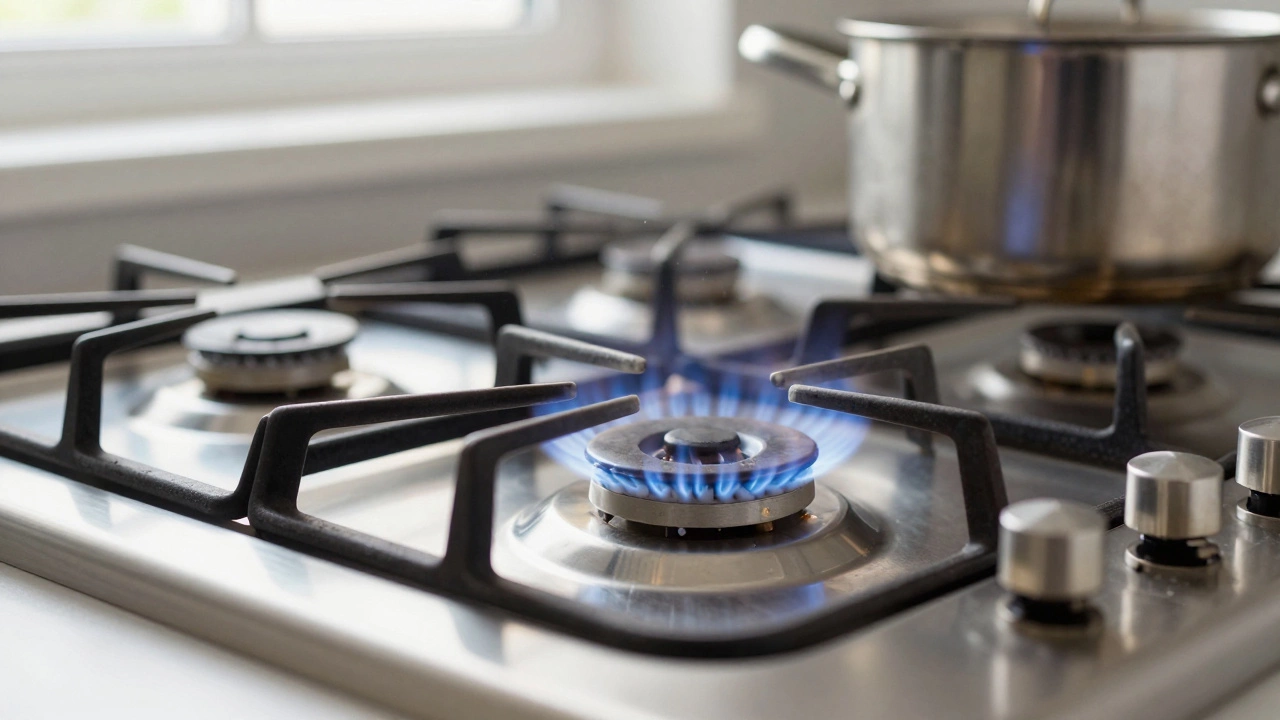
Cooker Repair vs. Replace Calculator
Use this tool to determine if it makes financial sense to repair your cooker or buy a new one based on the industry-standard "50% Rule" and appliance lifespan.
There is nothing worse than opening your oven door to find it’s stuck shut, or trying to boil water only to realize the gas hob won’t light. It happens to everyone. When your cooker is a kitchen appliance used for cooking food, typically featuring burners on top and an oven below breaks down, your immediate reaction might be panic. Is this the end of the road? Do you need to buy a brand-new unit immediately? The short answer is: almost certainly not. In most cases, a cooker can be repaired. Whether you are dealing with an electric induction model, a traditional gas range, or a hybrid, modern appliances are built with modular components that can often be replaced rather than requiring a full machine swap.
Before you call a technician or rush to the store, it helps to understand what you are actually looking at. Appliances have evolved significantly over the last decade. Older models were simpler but harder to source parts for because they are no longer manufactured. Newer models, while more complex electronically, often have standardized sensors and control boards. Knowing whether your specific issue is a quick fix or a major overhaul saves you time and money. If you are ever in need of reliable local services or directories for various needs, checking a resource like this directory can sometimes help you find verified providers in your area, though for appliance issues, you will want a certified engineer.
Diagnosing the Problem: Gas vs. Electric
The first step in determining if your cooker is repairable is identifying the type of fuel it uses. This distinction changes everything about the repair process. Gas cookers rely on physical flow and ignition systems, while electric cookers depend on electrical continuity and heating elements.
If you have a gas cooker, common issues include:
- Pilot lights failing: On older models, the pilot light may go out due to drafts or dirt. This is often a simple adjustment.
- Ignition sparks but no flame: This usually indicates a blocked burner cap or a faulty gas valve.
- Oven not heating evenly: Could be a broken fan motor or a damaged thermostat.
For electric cookers, the symptoms are different:
- Hob zones not heating: Likely a blown fuse, a tripped breaker, or a failed heating element.
- Oven door stuck: Often a mechanical latch issue or a broken hinge spring.
- Error codes on display: Modern electronics communicate problems directly. Code E01 might mean a sensor failure, while E04 could indicate a communication error between the control board and the display.
Identifying these specific symptoms helps you decide if you can handle it yourself or if you need professional help. For instance, a clogged burner jet is a five-minute fix with a pin. A cracked ceramic glass top on an induction hob, however, requires specialized replacement parts and safety checks.
When DIY Makes Sense (And When It Doesn't)
You might be tempted to open up the back panel and start tinkering. While some repairs are safe for homeowners, others carry significant risks. Always prioritize safety. If you smell gas, turn off the supply and leave the house. Call a professional immediately. Never attempt to repair gas lines yourself.
Here are some tasks that are generally safe for DIY enthusiasts:
- Cleaning or replacing burner caps: Remove the grate and the cap. Clean any food debris from the jet holes using a needle or compressed air.
- Checking fuses and breakers: Ensure the circuit breaker hasn’t tripped. Check the fuse box in your home.
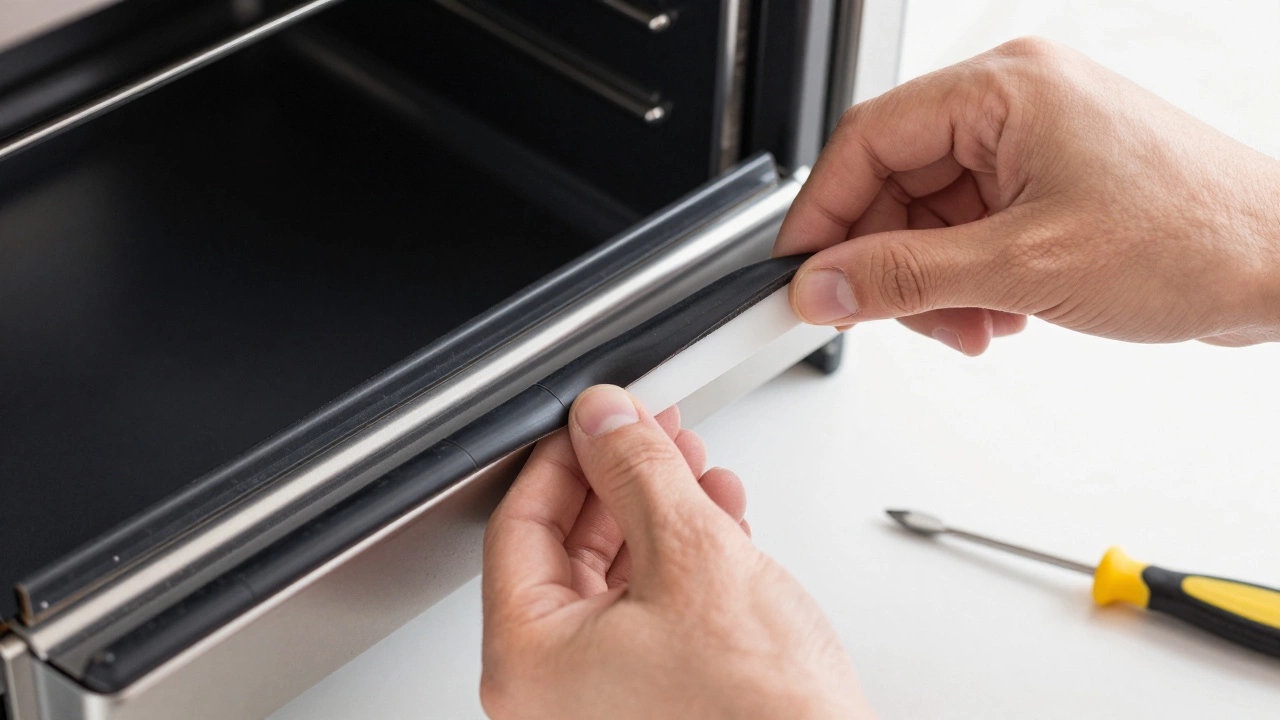
- Replacing oven seals: If heat is escaping around the door, the gasket might be worn. These can be bought online and installed by prying out the old one and snapping in the new one.
- Resetting the appliance: Sometimes, electronics just glitch. Unplugging the cooker for ten minutes can reset the control board.
However, avoid these unless you are qualified:
- Gas valve replacements: Requires pressure testing and certification.
- Control board swaps: Involves high voltage and sensitive programming.
- Induction hob repairs: The glass surface is fragile, and the internal coils are connected to high-current circuits.
Attempting complex electrical work without proper knowledge can void warranties and create fire hazards. If the problem involves the main power supply or gas inlet, hire a pro.
The Cost-Benefit Analysis: Repair vs. Replace
Even if a cooker *can* be repaired, should it be? This is where economics come into play. A general rule of thumb in the appliance industry is the "50% Rule." If the cost of the repair exceeds 50% of the price of a new, equivalent cooker, it is usually better to replace it.
Consider the age of your appliance. Most cookers have a lifespan of 10 to 15 years. If your unit is 12 years old and needs a new control board costing $200, plus labor, you are spending nearly $350. A new energy-efficient model might cost $600-$800. The new model will also have better insulation, faster heating times, and a warranty.
On the other hand, if your cooker is three years old and just needs a new igniter ($15 part) or a door seal ($30), repairing it is a no-brainer. You extend the life of a perfectly good machine for a fraction of the cost.
Also consider environmental impact. Throwing away a large metal appliance contributes to landfill waste. Repairing extends its lifecycle, which is better for the planet. Many manufacturers now offer take-back programs for old units when you buy new ones, ensuring responsible disposal.
Finding a Reliable Repair Technician
If you’ve decided to repair, finding the right person is crucial. Not all technicians are created equal. Some specialize in gas, others in electric. Some work only for specific brands like Bosch, Siemens, or Whirlpool.
Look for these credentials:
- Gas Safe Register (UK) or equivalent: Mandatory for anyone working on gas appliances.
- Electrical certification: Ensures they follow local electrical codes.
- Brand authorization: Authorized dealers have access to genuine parts and training manuals.
- Reviews and references: Check online reviews for consistency in service quality.
Avoid random ads with no contact information. Reputable companies provide clear quotes upfront. They should diagnose the issue before giving a final price, though there may be a small diagnostic fee. Ask about warranties on the repair. A good technician will guarantee their work for at least 90 days.
Maintenance Tips to Prevent Future Breakdowns
The best way to keep your cooker running is to prevent problems before they start. Regular maintenance can add years to its life.
- Clean spills immediately: Sugar and acidic foods can corrode surfaces and seep into controls.
- Check door seals monthly: Look for cracks or gaps. A poor seal makes the oven work harder, wasting energy.
- Descale steam functions: If your oven has a steam assist, use distilled water to prevent mineral buildup.
- Inspect gas hoses annually: Look for cracks, brittleness, or leaks. Replace every 5-7 years as a precaution.
- Use correct cookware: Flat-bottomed pots ensure even heat distribution and prevent damage to induction hobs.
Simple habits like these reduce strain on components. For example, preheating the oven gradually instead of maxing it out immediately reduces thermal shock to the heating elements.
Common Misconceptions About Cooker Repairs
There are several myths that lead people to believe their cooker is beyond saving. Let’s debunk them.
Myth 1: "If it has an error code, it’s dead."
Reality: Error codes are helpful diagnostics. They tell you exactly what’s wrong. Many codes can be cleared after fixing a minor issue like a loose wire or a dirty sensor.
Myth 2: "Older models can’t be fixed because parts are unavailable."
Reality: While true for very rare vintage models, most major brands keep spare parts in stock for 7-10 years after discontinuation. Independent suppliers often stock generic equivalents for thermostats, switches, and knobs.
Myth 3: "Repairs are always expensive."
Reality: Many common failures involve inexpensive parts. An igniter costs less than $20. A door hinge might be $15. Labor is the bigger cost, but still far less than a new appliance.
How much does it cost to repair a cooker?
Costs vary widely depending on the issue. Simple fixes like replacing an igniter or cleaning jets may cost $50-$100 including labor. More complex issues involving control boards or gas valves can range from $150 to $300. Always get a quote before authorizing work.
Is it safe to repair a gas cooker myself?
Only basic cleaning and visual inspections are safe for DIY. Any work involving gas lines, valves, or internal combustion components must be done by a certified professional to prevent leaks, explosions, or carbon monoxide poisoning.
How long does a typical cooker repair take?
Most standard repairs take 1-2 hours. If parts need to be ordered, it may take a few days for delivery. Complex electronic diagnoses might require multiple visits.
What if my cooker is under warranty?
Contact the manufacturer first. Unauthorized repairs can void the warranty. They will send an authorized technician to assess and fix the issue at no cost if covered.
Can I use a universal part for my cooker?
Some components like knobs, seals, and basic switches are universal. However, control boards, sensors, and gas-specific parts must match your model exactly for safety and performance reasons.
I am an expert in the services industry with a focus on appliance repair. My passion lies in understanding how things work and educating others in simple, engaging ways. This enthusiasm fuels my writing, where I delve into topics around appliance maintenance and troubleshooting. I aim to make these subjects clear and accessible to all readers.