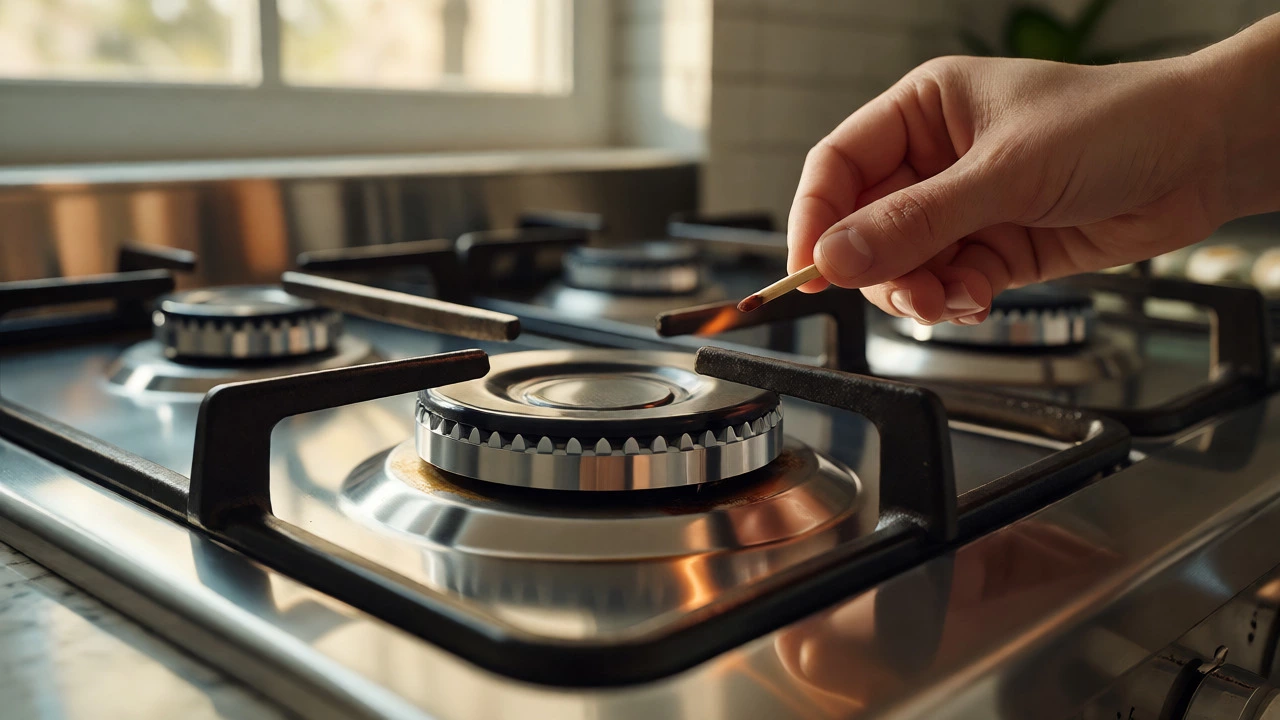
Gas Cooktop Diagnostic & Repair Estimator
Select a symptom above to see if this is a DIY fix or requires a professional.
Enter age and part cost to get a recommendation.
You’re trying to boil pasta, and one of the burners just won’t light. Or maybe it lights but makes a weird hissing sound that sets your teeth on edge. The first thought is usually panic: "Is my house going to explode?" Then comes the second thought: "Do I really need to call a professional for this, or can I fix it myself?"
Here’s the short answer: Yes, you can often repair a gas cooktop yourself, but it depends entirely on what’s broken. Some fixes are as easy as cleaning a clogged port with a toothpick. Others involve electrical components that require a multimeter and a steady hand. But some issues-specifically those involving the gas valve itself or internal piping-are strictly off-limits for DIY in many places, including here in New Zealand.
Let’s break down exactly what you can tackle, what you should leave to the pros, and how to do it safely without turning your kitchen into a hazard zone.
The Golden Rule: Know Your Limits
Before you grab your screwdriver, understand the difference between Gas Appliance Repair and general home improvement. In countries like New Zealand, Australia, and parts of the UK, working on the gas line (the pipe bringing gas from the meter to the appliance) requires a licensed gasfitter. However, fixing the appliance itself-the unit sitting on your bench-is often permitted for homeowners, provided you don’t disconnect the main gas supply incorrectly.
If you smell gas, stop everything. Do not turn lights on or off. Open windows, leave the house, and call a professional. If there’s no smell, but the burner acts up, you might be in safe territory for a DIY attempt.
Common Culprits: What Actually Breaks?
Most gas cooktop failures aren’t catastrophic mechanical breakdowns. They’re usually minor blockages or worn-out electronic parts. Here are the four most common issues we see:
- Clogged Burner Ports: Food spills and grease harden over time, blocking the tiny holes where gas escapes. This causes uneven flames or failure to light.
- Faulty Igniters: That clicking sound? That’s the igniter trying to spark. If it clicks but doesn’t light, the spark gap might be dirty. If it doesn’t click at all, the igniter is likely dead.
- Thermocouple Issues: On older models, a thermocouple senses heat to keep the gas valve open. If it’s dirty or broken, the flame will light but die out immediately when you let go of the knob.
- Control Knob Problems: Sometimes the plastic knob slips off its shaft, or the switch underneath gets sticky with grime.
DIY Fixes You Can Safely Attempt
If you’re handy with basic tools, these three repairs cover about 80% of gas cooktop complaints. Always unplug the unit before starting any work that involves removing panels.
1. Deep Cleaning the Burners
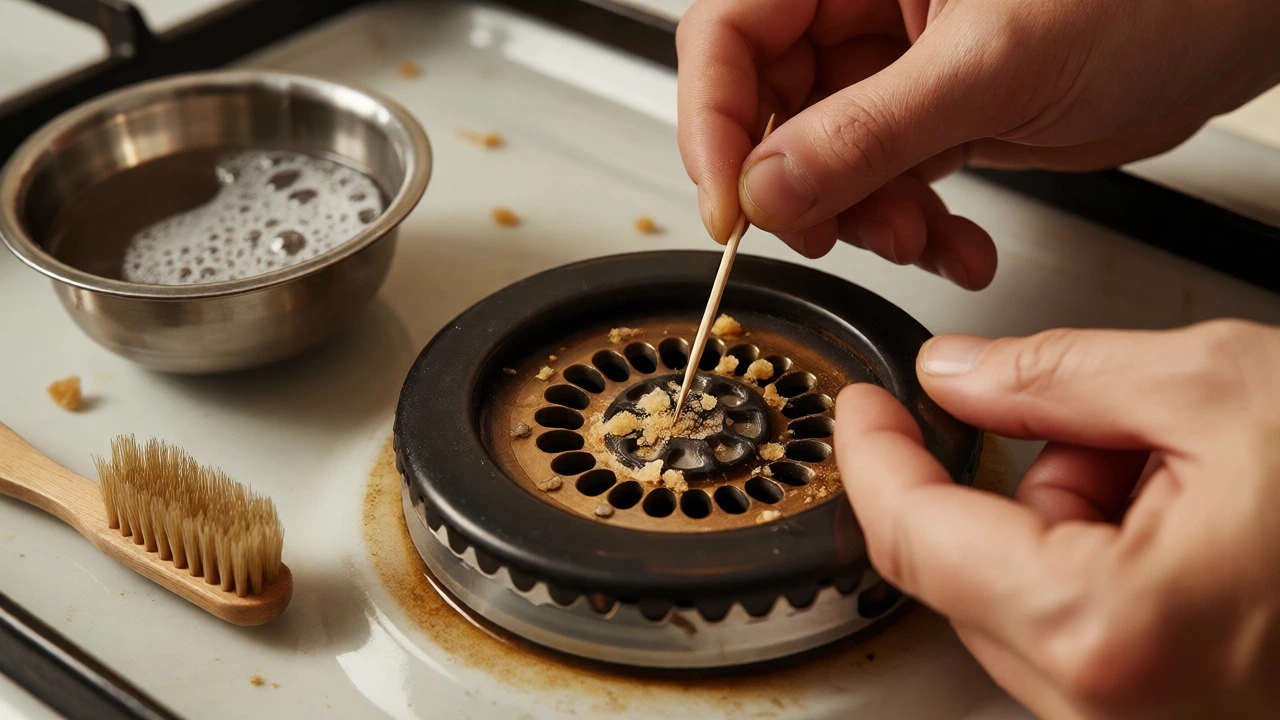
This sounds too simple to be true, but it’s the number one fix. Remove the burner caps and heads. Soak them in warm soapy water. Use an old toothbrush or a pin to clear out the ports. Be gentle-you don’t want to enlarge the holes. While they soak, vacuum the area under the burners to remove crumbs and debris. Reassemble only when completely dry. Moisture can mess with the ignition process.
2. Replacing the Spark Igniter
If cleaning didn’t help, look at the igniter. It’s usually a small white ceramic piece near the burner base. If it’s cracked, replace it. If it looks fine but isn’t sparking, clean it with rubbing alcohol to remove carbon buildup. If that fails, you’ll need to buy a replacement part specific to your model number. Check the sticker underneath the cooktop for this info. Installation usually involves unscrewing one or two screws and unplugging a wire connector. Take a photo before you disconnect anything so you know where the wires go.
3. Fixing the Thermocouple
This applies mostly to older cooktops without electronic ignition. The thermocouple is a thin copper rod next to the burner. If the flame hits it directly, it generates a small voltage that keeps the gas flowing. Over time, oxidation builds up on the tip. Clean it gently with steel wool or fine sandpaper. If the flame still dies after cleaning, the thermocouple is likely faulty and needs replacing. These parts are cheap and easy to swap, but ensure you match the thread size exactly.
When to Call a Professional
There’s a hard line you shouldn’t cross. If your problem involves the following, put the tools down and pick up the phone:
- Gas Leaks: If you suspect a leak anywhere along the hose or connection point, do not attempt to tighten fittings yourself unless you have the right tools and knowledge. A bad seal can lead to dangerous accumulation.
- Main Valve Failure: If none of the burners work and the igniters are silent, the issue might be deep inside the control manifold. Disassembling this requires specialized skills.
- Wiring Harness Damage: If the internal wiring looks melted or chewed by pests, a pro should assess it to prevent electrical shorts.
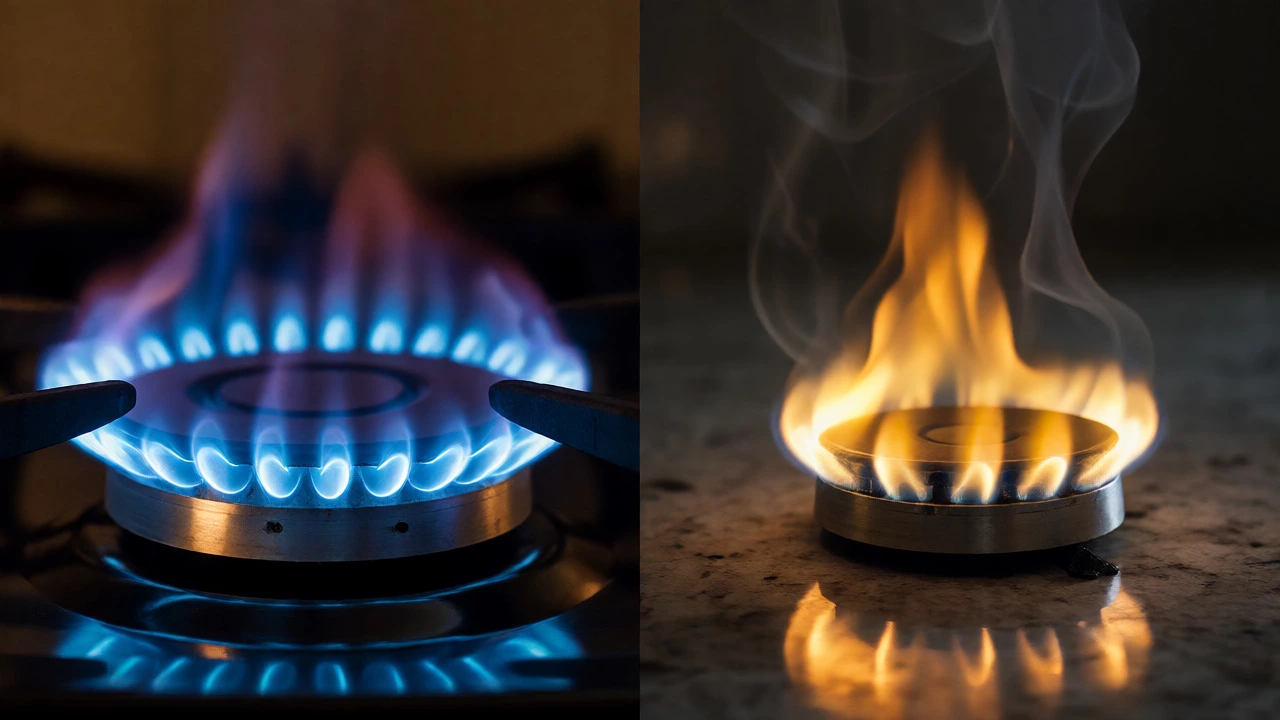
- Regulator Issues: If the flame is yellow and lazy instead of blue and crisp, your gas pressure might be wrong. Adjusting regulators is tricky and risky for amateurs.
| Symptom | Likely Cause | DIY Feasibility | Risk Level |
|---|---|---|---|
| Burner won't light | Clogged ports or dirty igniter | High | Low |
| Flame goes out when released | Faulty thermocouple | Medium | Low |
| Clicking but no spark | Dead igniter or switch | Medium | Low |
| Yellow, sooty flame | Air mixture or regulator issue | Low | Medium |
| Smell of gas | Leak in connection or hose | None | High |
| No power to entire unit | Internal fuse or main valve | Low | Medium |
Safety First: The Pre-Flight Checklist
Working with gas appliances means respecting the fuel source. Follow these steps every single time:
- Turn Off the Gas: Locate the isolation valve behind the cooktop or under the sink. Turn it clockwise until it stops. This cuts the supply to the appliance.
- Unplug the Unit: Even if it’s a gas stove, the igniter runs on electricity. Unplugging prevents accidental shocks while you handle wires.
- Ventilate the Area: Open windows. If you accidentally release a bit of gas while testing, you want it to dissipate quickly.
- Use Leak Detection Solution: After reassembling, mix dish soap with water. Apply it to connections. Bubbles mean a leak. No bubbles mean you’re good.
Cost-Benefit Analysis: Is It Worth Fixing?
Let’s talk money. A new mid-range gas cooktop costs between $400 and $800. Professional repair labor typically ranges from $100 to $150 plus parts. If the part costs $20 and the fix takes 30 minutes, calling a pro might cost more than the part itself. However, if the cooktop is over 10 years old, consider whether investing in repairs is wise. Older units may lack modern safety features or energy efficiency ratings. If the body is rusted or the glass top is cracked, replacement is often the smarter long-term move.
Final Thoughts
Repairing a gas cooktop is one of the most satisfying DIY projects because the results are immediate. One minute you have a cold burner; the next, you have a roaring blue flame ready for dinner. Just remember: if you feel unsure, step back. There is no shame in calling a licensed gasfitter. Safety always beats saving twenty bucks on a service call.
Why does my gas burner click but not light?
This is usually due to moisture or food debris blocking the spark gap on the igniter. Try cleaning the igniter tip with a toothbrush and rubbing alcohol. If it still doesn't light, the igniter itself may be cracked and need replacement.
How do I know if I have a gas leak?
The most obvious sign is the smell of rotten eggs added to natural gas. You might also hear a hissing sound. For confirmation, apply soapy water to gas connections; if bubbles form, you have a leak. Never use a flame to check for leaks.
Can I replace a gas burner myself?
Yes, replacing the burner head or cap is generally safe for homeowners. Ensure the gas is turned off and the unit is cool. Simply lift off the old parts and place the new ones in their correct positions. Do not force them; they should sit flush.
What color should a healthy gas flame be?
A healthy gas flame should be crisp and blue, sometimes with a small yellow tip. A large yellow or orange flame indicates incomplete combustion, which can produce carbon monoxide and suggests the air mixture needs adjustment or the burner is dirty.
How long do gas cooktops last?
With proper maintenance, a gas cooktop can last 15 to 20 years. Regular cleaning of burners and prompt attention to ignition issues significantly extend lifespan. Neglect leads to clogged ports and corroded components that shorten life expectancy.
I am an expert in the services industry with a focus on appliance repair. My passion lies in understanding how things work and educating others in simple, engaging ways. This enthusiasm fuels my writing, where I delve into topics around appliance maintenance and troubleshooting. I aim to make these subjects clear and accessible to all readers.