Gas Hob Repair Decision Tool
Enter details and click Analyze to see if you should Repair or Replace.
You’re standing in your kitchen, trying to light the burner for dinner, and nothing happens. No click, no flame, just silence. Or maybe you smell gas but can’t get the fire going. The first thought that usually hits is: "Do I need to replace this whole thing?" It’s a scary thought because new hobs are expensive. But here’s the good news: Gas Hob repairs are often straightforward, cost-effective, and something you can sometimes handle yourself if you know what to look for.
Before you call out a technician or rush to buy a new unit, let’s figure out if your specific problem is fixable. Most gas hobs fail due to wear and tear on small components, not catastrophic failure of the main body. If you understand how these machines work, you can save hundreds of dollars. Let’s break down exactly when a repair makes sense, when it doesn’t, and how to do it safely.
The Anatomy of Your Gas Hob: What Actually Breaks?
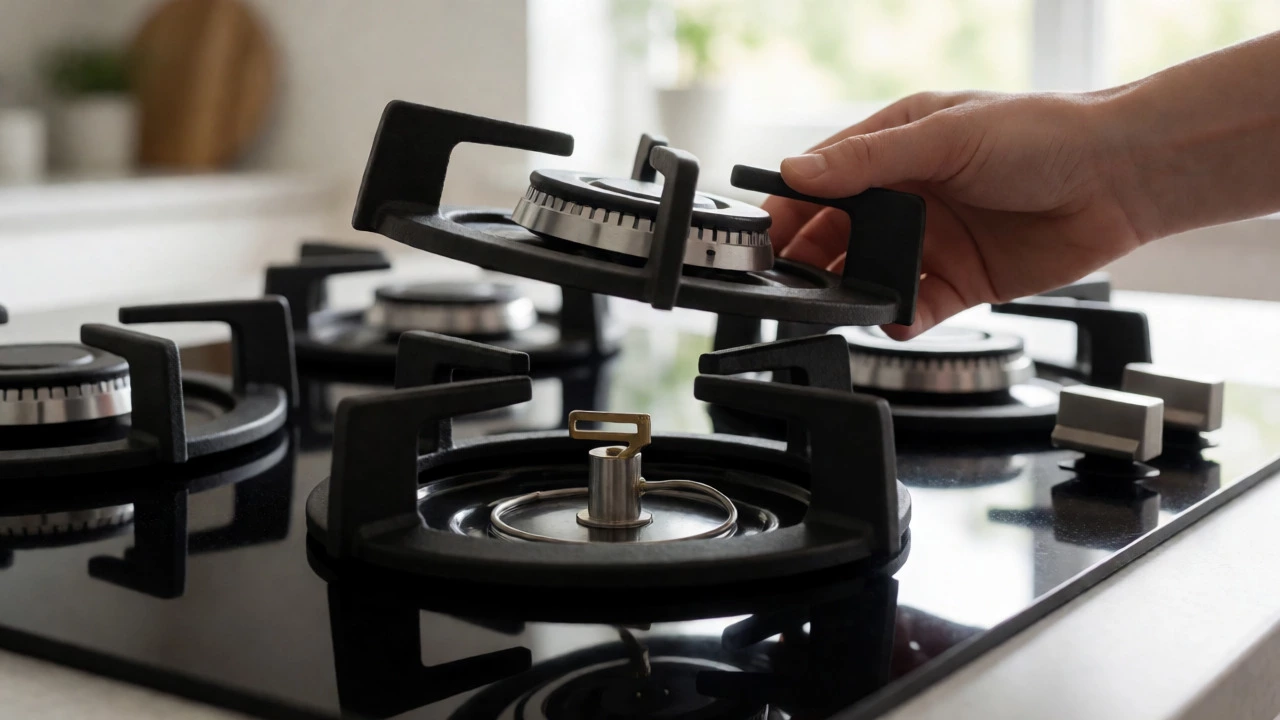
To decide if a repair is worth it, you need to know what parts are likely to fail. A Gas Hob is essentially a simple system: gas flows from the mains, passes through a valve controlled by a knob, gets ignited by a spark, and burns at the burner head. When it stops working, it’s almost always one of three things: the ignition system, the gas flow, or the physical damage to the glass/ceramic surface.
Ignition issues are the most common culprit. This involves the Igniter, which creates the spark, and the Thermocouple, which acts as a safety switch to keep the gas flowing once the flame is lit. These parts degrade over time due to heat and moisture. If your burner clicks but doesn’t light, or lights then immediately goes out, these are your prime suspects.
Gas flow problems are trickier. If you don’t hear clicking at all, the issue might be electrical (for electric-start hobs) or a blocked jet. Burners have tiny holes called jets that regulate gas pressure. Over years, food debris and grease can clog them, leading to uneven flames or yellow sooty fires instead of clean blue ones.
DIY vs. Professional: The Safety Line You Can’t Cross
This is the most critical part of the decision. In New Zealand, and many other places, working with natural gas carries legal and safety implications. While replacing an igniter is generally considered a low-risk DIY task, messing with the gas supply lines or internal valves is different territory.
| Repair Task | Difficulty | Safety Risk | Recommended Action |
|---|---|---|---|
| Cleaning Burners & Jets | Easy | Low | DIY |
| Replacing Igniter Electrode | Moderate | Low | DIY (if confident) |
| Replacing Thermocouple | Moderate | Medium | Check local laws; often Pro |
| Fixing Gas Valve/Leak | Hard | High | Professional Only |
| Cracked Glass Surface | N/A | High | Replacement Usually Best |
If you suspect a gas leak-meaning you smell rotten eggs even when the hob is off-stop everything. Turn off the gas at the isolation valve behind the unit. Do not use electrical switches. Open windows and call a licensed gas fitter. Never try to tighten a leaking joint yourself unless you are qualified. The risk of explosion outweighs any savings.
Common Problems and How to Fix Them
Let’s walk through the scenarios you’re likely facing right now.
Scenario 1: The Click-Click-Click That Doesn’t Light
If you turn the knob and hear rapid clicking but see no flame, your igniter is working, but the gas isn’t catching. First, check if the burner cap is seated correctly. If it’s slightly off, the spark won’t jump to the gas. Remove the cap, dry it thoroughly with a cloth, and place it back firmly.
If the cap is fine, the electrode might be dirty. Grease and carbon buildup can insulate the tip, preventing a strong spark. Use a toothbrush or a soft wire brush to gently clean around the metal prong next to the burner. Be careful not to bend it. If cleaning doesn’t help, the igniter itself may be dead. Replacement igniters are cheap ($20-$50 NZD) and usually just require unplugging two wires and screwing in the new part.
Scenario 2: Lights Then Goes Out Immediately
This is classic thermocouple failure. The thermocouple is a safety device that senses heat. If it doesn’t detect heat within a few seconds of lighting, it shuts off the gas to prevent leaks. If yours is old or coated in grime, it won’t sense the flame properly.
Try cleaning the thermocouple tip with steel wool. If it’s bent away from the flame, carefully bend it back so it sits directly in the path of the fire. If that fails, you’ll need to replace it. Note: Replacing a thermocouple often requires disconnecting the gas line. If you aren’t comfortable doing this, hire a pro. It’s a quick job for them.
Scenario 3: Yellow Flame or Soot
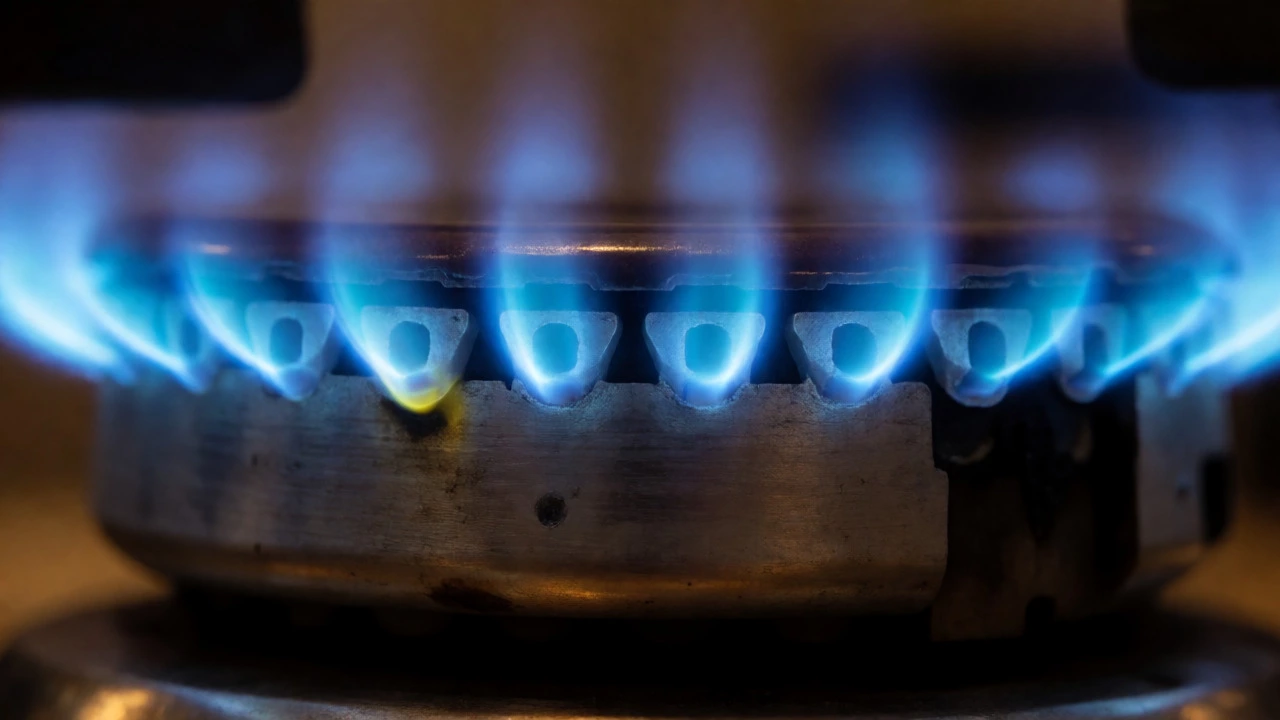
A healthy gas flame should be crisp blue. Yellow indicates incomplete combustion, usually caused by air blockages or dirty burners. Remove the burner heads and soak them in hot soapy water. Use a pin or needle to clear the tiny ports where the gas exits. Also, check the air shutter underneath the burner; adjust it slightly to allow more oxygen into the mix. This is free maintenance that solves 80% of performance issues.
When Is It Cheaper to Replace Than Repair?
There’s a tipping point. Generally, if the repair cost exceeds 50% of the price of a new hob, you should consider replacing it. However, there are exceptions.
If your hob is less than five years old, repair is almost always the better option. Modern hobs are built to last, and fixing a $40 part restores a $600+ appliance. But if your hob is over 10-12 years old, spare parts become scarce. Manufacturers stop stocking components like specific knobs or control panels. Finding a matching part can take weeks, and the labor cost to install hard-to-find parts adds up.
Also, consider energy efficiency. Older hobs are less efficient. A new model might save you money on gas bills over time, offsetting the higher upfront cost. Check the energy rating label on potential replacements. Look for high-efficiency burners that direct heat upward rather than sideways.
Cost Breakdown: What Will You Pay?
Prices vary by brand and location, but here are realistic estimates for Wellington and similar markets:
- Service Call Fee: $80-$120 NZD (often waived if you proceed with repair).
- Igniter Replacement: $150-$250 NZD total (parts + labor).
- Thermocouple Replacement: $180-$300 NZD total.
- Burner Head Replacement: $100-$200 per burner.
- New Mid-Range Gas Hob: $400-$800 NZD.
If you’re handy, DIY costs drop significantly. An igniter kit might cost $30 online. Cleaning supplies are negligible. Just remember, if you mess up a gas connection, the plumber bill will dwarf your savings.
Pro Tips for Extending Your Hob’s Life
Once you’ve fixed it-or bought a new one-don’t let it break again. Prevention is easier than cure.
- Wipe Spills Immediately: Sugary liquids seep under burners and crust over, blocking jets. Clean while warm, not hot.
- Don’t Force Knobs: If a knob feels stiff, don’t wrench it. The spindle inside might be broken. Lubricate lightly with silicone spray if accessible.
- Annual Deep Clean: Once a year, remove all burners and scrub the base tray. Grease buildup attracts pests and corrodes metal.
- Check for Drafts: Ensure your range hood isn’t sucking too much air, which can blow out pilot flames or cause uneven heating.
Living in Wellington means dealing with damp winters. Moisture accelerates corrosion on igniters and thermocouples. Keep your kitchen ventilated during cooking to reduce humidity exposure to the hob’s internals.
Frequently Asked Questions
How long does a gas hob typically last?
A well-maintained gas hob can last between 10 to 15 years. High-quality brands like Fisher & Paykel or Bosch often exceed this, while budget models may start showing significant wear after 7-8 years. Regular cleaning of burners and jets significantly extends lifespan.
Is it safe to repair a gas hob myself?
Yes, for minor issues like cleaning burners or replacing an igniter electrode. However, tasks involving gas pipes, valves, or thermocouples often require a licensed gas fitter to ensure compliance with local safety regulations and to avoid leakage risks.
Why does my gas hob smell like gas when I light it?
A slight smell upon lighting is normal as unburnt gas escapes before ignition. However, a persistent strong odor suggests a leak or poor combustion. If the smell remains after the burner is lit and running, turn it off and contact a professional immediately.
Can I replace just one burner on my gas hob?
In most cases, yes. Individual burner heads and caps are replaceable parts. However, if the issue lies with the shared manifold or ignition module serving multiple burners, you may need to replace those larger components instead.
What causes a gas hob to crack?
Glass hobs usually crack due to thermal shock (placing a cold pan on a hot surface), impact from heavy objects, or pre-existing stress fractures. Once cracked, the seal is compromised, allowing liquid to seep into electronics, making replacement the only viable option.
I am an expert in the services industry with a focus on appliance repair. My passion lies in understanding how things work and educating others in simple, engaging ways. This enthusiasm fuels my writing, where I delve into topics around appliance maintenance and troubleshooting. I aim to make these subjects clear and accessible to all readers.