Cooker Repair vs Replacement Calculator
This tool helps you decide whether to repair or replace your faulty cooker based on article criteria.
Input your situation and get clear guidance on next steps.
If your cooker won’t heat up, smells funny, or keeps turning off mid-cook, you’re not imagining things. It’s probably broken. But before you call a repair tech or start shopping for a new one, you need to know if it’s truly dead-or just acting up. Many people panic when their cooker misbehaves, only to find out it’s a simple fix. Others wait too long and end up with a total failure. Here’s how to tell the difference.
1. The Burners Won’t Light or Stay Lit
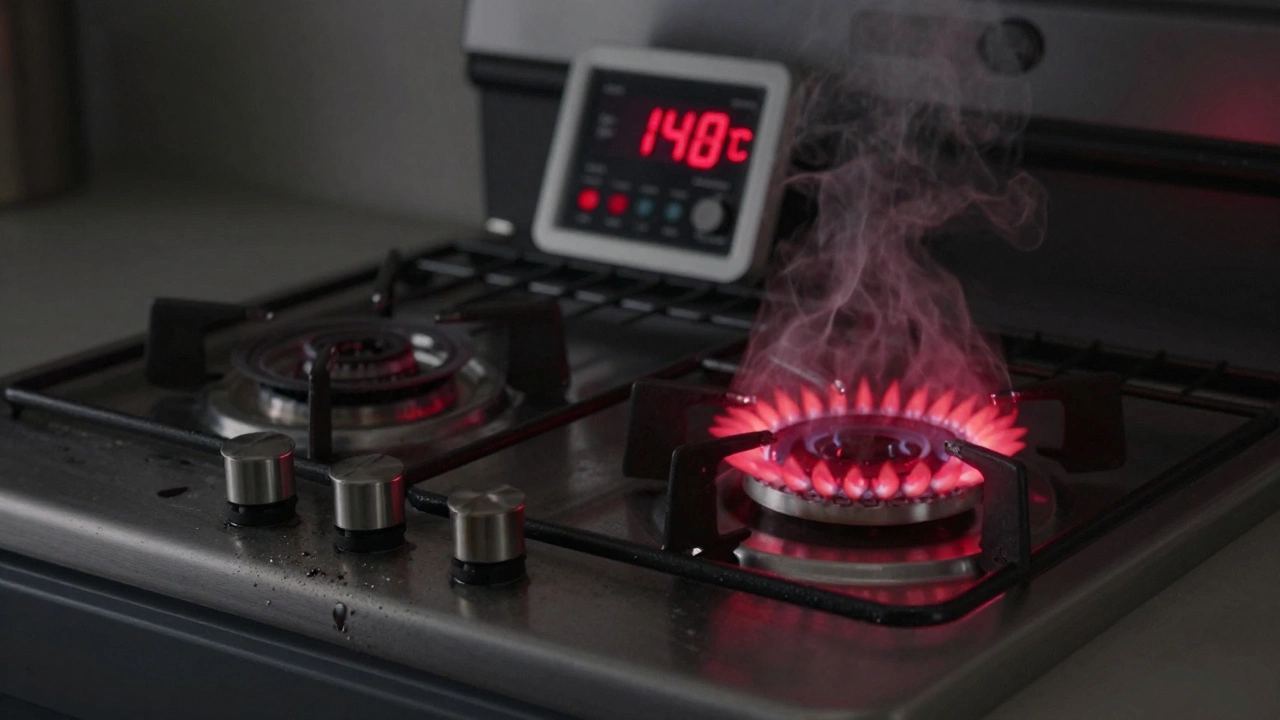
If you turn the knob and hear a clicking sound but no flame, that’s a red flag. Gas cookers need a spark to ignite, and if the igniter is worn out, it won’t fire properly. But don’t jump to conclusions-first, check if the gas supply is on. Sometimes the valve behind the cooker gets accidentally turned off during cleaning. If the gas is flowing and the igniter still won’t spark, the problem could be a faulty spark module or a blocked gas port. For electric cookers, if the element doesn’t glow red at all after several minutes, it’s likely burned out. These elements don’t last forever. Most last 5-8 years, depending on use.
2. The Oven Doesn’t Heat to the Right Temperature
You set it to 180°C, but your cake comes out raw on the inside? Or your roast takes twice as long as it should? This isn’t just bad luck. Ovens have thermostats that control temperature, and they can drift over time. A faulty thermostat might tell the oven it’s hot enough when it’s actually 50°C too cold. You can test this with an oven thermometer-place it on the middle rack, set the oven to 180°C, and wait 20 minutes. If the thermometer reads below 160°C or above 200°C, your thermostat is off. This is a common issue in older models. It’s fixable, but if your cooker is over 10 years old, replacing the thermostat might cost more than a new unit.
3. Uneven Cooking or Hot Spots
If one side of your baking tray burns while the other stays pale, your oven’s heating element might be failing. In electric ovens, the top and bottom elements work together to create even heat. If one stops working, you’ll get uneven results. A broken fan in a convection oven can cause the same problem. You might notice the fan isn’t spinning or it’s making a loud grinding noise. This isn’t just about burnt cookies-it’s a safety issue. Uneven heat can lead to undercooked food, which carries bacteria risks. Don’t ignore this. Even if the oven turns on, if the heat isn’t distributed properly, it’s not safe to use.
4. Strange Smells or Smoke
A little smell when you first turn on a new oven is normal. But if you’re getting a burning plastic, metallic, or electrical odor every time you use it, that’s not normal. It could mean insulation is melting, wiring is frayed, or grease has built up and is burning off. Grease buildup is common behind the control panel or under the oven floor. If you haven’t cleaned it in over a year, that’s a likely cause. But if the smell comes with visible smoke or a buzzing sound, stop using it immediately. That’s a fire hazard. In New Zealand, over 200 house fires each year start from faulty kitchen appliances. Don’t risk it.
5. The Cooker Keeps Turning Off
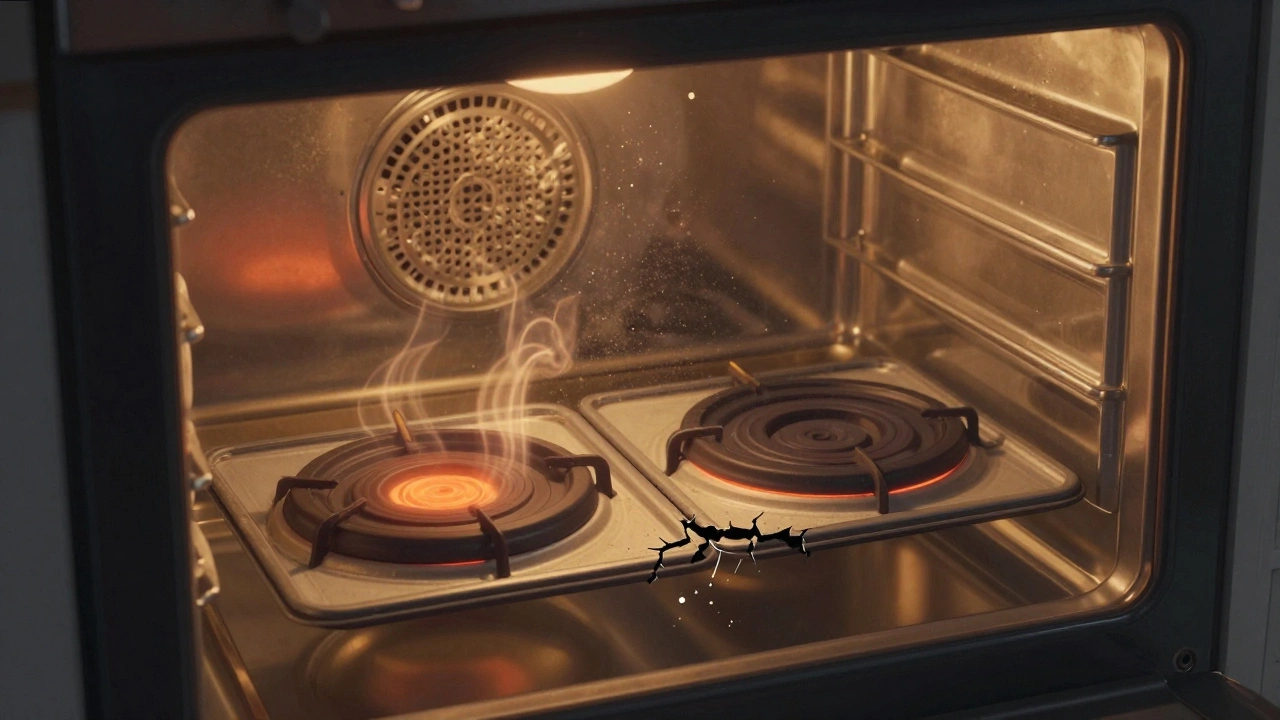
If your cooker shuts down randomly during use, it’s not being temperamental-it’s protecting itself. Most modern cookers have thermal cut-outs that turn off power if they detect overheating. This usually happens because of blocked vents, a dirty fan, or a failing thermostat. Check the vents around the oven door and the back of the unit. Dust and grease can clog them, especially in older models. If cleaning doesn’t help, the thermal fuse might be faulty. It’s a small, cheap part, but it’s not something you should try to replace yourself unless you’re trained. Messing with electrical safety components can make things worse-or dangerous.
6. The Control Panel Is Glitchy or Unresponsive
If buttons don’t respond, the display flickers, or the clock resets every time you unplug it, the control board is likely failing. This is common in cookers that are 7+ years old. Moisture from steam, spills, or even high humidity (like in Wellington) can seep into the electronics. You might think a reset will fix it, but if the problem keeps coming back, the board is damaged. Replacing it can cost between $200 and $400. For older models, that’s often more than half the price of a new cooker. Ask yourself: is it worth it? If your cooker is over 10 years old and you’re spending this much, a replacement might make more sense.
7. The Door Doesn’t Seal Properly
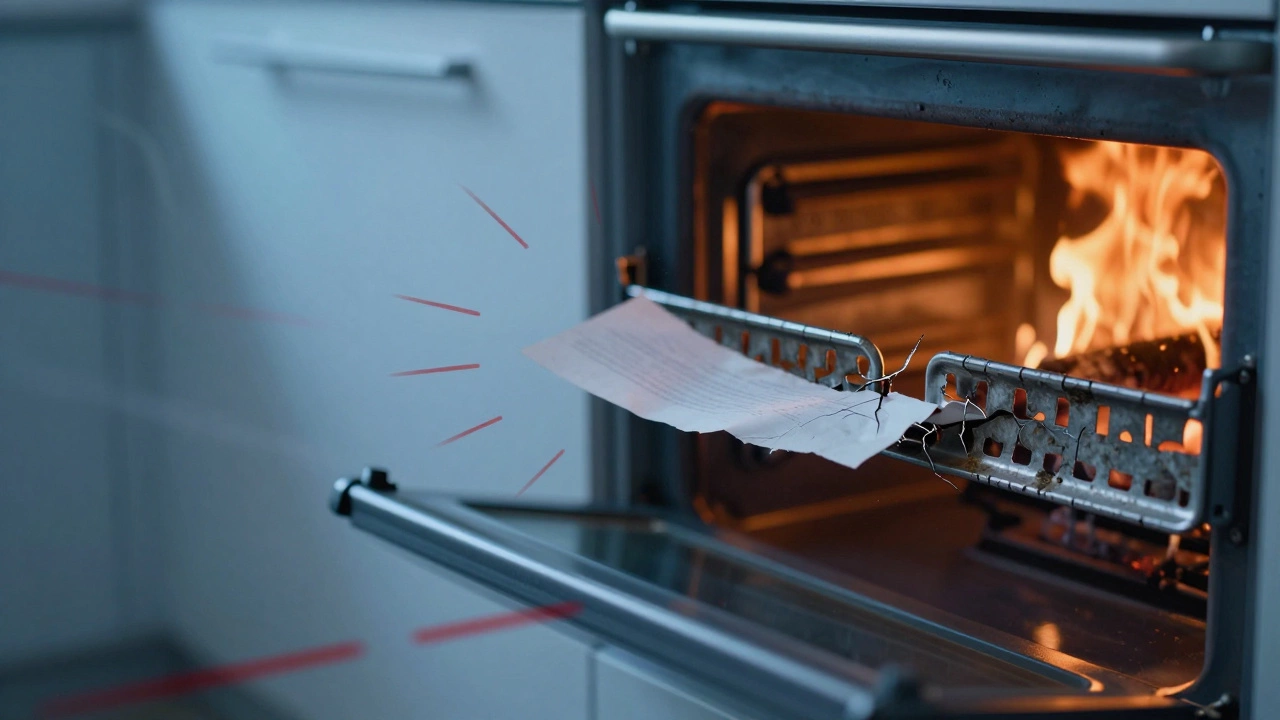
A broken oven door seal isn’t just about lost heat-it’s a major energy waste. If you can feel hot air leaking around the edges when the oven is on, the gasket (the rubbery strip around the door) is cracked or worn. This makes your cooker work harder, raising your electricity bill. It also means the oven can’t hold temperature, leading to uneven cooking. You can test this by closing a piece of paper in the door. If you can pull it out easily without resistance, the seal is gone. Replacing the gasket is cheap and easy-under $30 and takes 15 minutes. But if the door itself is warped or the hinges are broken, the whole door assembly might need replacing. That’s expensive. And if the door doesn’t close tightly, your cooker isn’t safe to use.
When to Call a Pro (and When to Replace It)
Some fixes you can do yourself: cleaning vents, replacing a gasket, checking the gas valve. But if you’re dealing with electrical components, gas lines, or control boards, leave it to a certified technician. In New Zealand, anyone working on gas appliances must be licensed. Unlicensed repairs are illegal and dangerous.
Here’s a simple rule: if the repair cost is more than half the price of a new cooker, walk away. A basic new electric cooker costs around $500-$800. If you’re being quoted $300 to fix a 12-year-old model, buy new. Also, if your cooker is over 10 years old, parts are harder to find. Manufacturers stop supporting older models after 8-10 years. You might wait weeks for a part that still won’t fix the problem.
What to Do Right Now
Stop using the cooker if:
- There’s smoke or burning smells
- It’s sparking or making loud buzzing noises
- The door won’t close properly
- Gas is leaking (you smell rotten eggs or hear hissing)
For minor issues-like uneven heating or a slow igniter-try these steps:
- Unplug the cooker or turn off the circuit breaker for 10 minutes, then restart.
- Clean the burners and oven interior thoroughly-grease causes many problems.
- Check the gas supply valve behind the unit (if gas-powered).
- Test the oven temperature with a standalone thermometer.
If none of that helps, call a repair technician. But ask them this: "Is the part still available? How old is this model? Will this fix last more than a year?" If they hesitate, it’s time to replace it.
Final Thought: Don’t Wait for Disaster
A broken cooker is more than an inconvenience. It’s a risk. Faulty appliances cause fires, gas leaks, and food poisoning. Don’t wait until your oven catches fire or your dinner is undercooked because you were too cheap to act. Pay attention to the signs. Fix what’s fixable. Replace what’s not. Your kitchen-and your safety-depend on it.
Can a cooker be repaired if it’s 15 years old?
Technically, yes-but it’s rarely worth it. Most manufacturers stop making parts for cookers after 8-10 years. Even if a technician finds a replacement part, it might be used, imported, or expensive. A 15-year-old cooker is also far less energy-efficient than modern models. You’ll spend more on electricity and risk frequent breakdowns. Replacing it is usually the smarter long-term choice.
Why does my electric cooker take forever to heat up?
This usually means one or both heating elements are failing. Electric ovens rely on top and bottom elements working together. If one is burnt out, the oven heats slowly and unevenly. You can test this by turning the oven on and watching the elements-if one doesn’t glow red, it’s dead. Replacing the element costs $80-$150, but if the oven is over 8 years old, consider replacing the whole unit instead.
Is it safe to use a cooker that smells like burning plastic?
No. A burning plastic smell means insulation, wiring, or internal components are overheating. This is a fire risk. Stop using the cooker immediately. Unplug it and don’t turn it back on until a licensed technician inspects it. Don’t assume it’s just grease-plastic smells are never normal.
How often should I clean my cooker to prevent breakdowns?
Clean the interior every 3-4 months to prevent grease buildup. Wipe down the burners and drip trays weekly. Clean the oven vents and back panel every 6 months. Grease and crumbs clog vents, block airflow, and cause overheating. Regular cleaning is the cheapest way to extend your cooker’s life.
Should I repair or replace my cooker if it’s under warranty?
If it’s still under warranty, get it repaired-no questions asked. Most cookers come with a 1-2 year warranty, and some parts (like the oven element) may be covered for up to 5 years. Check your manual or contact the manufacturer. Don’t pay for repairs yourself if the warranty still applies. But if the warranty expired and the cooker is over 7 years old, replacement is usually better than repair.
I am an expert in the services industry with a focus on appliance repair. My passion lies in understanding how things work and educating others in simple, engaging ways. This enthusiasm fuels my writing, where I delve into topics around appliance maintenance and troubleshooting. I aim to make these subjects clear and accessible to all readers.