Boiler Replacement Decision Tool
Our Recommendation:
Enter your boiler details to see if you should repair or replace your system.
Boiler life expectancy is the estimated duration a central heating boiler remains operational and efficient before the cost of repairs exceeds the value of a new installation. While a well-maintained system can push past 15 years, many homeowners find themselves looking for a replacement much sooner due to neglect or poor installation quality.
Quick Look: How Long Different Boilers Last
| Boiler Type | Average Life | Key Factor for Longevity |
|---|---|---|
| Condensing Boiler | 10 - 15 Years | Annual Servicing |
| Non-Condensing (Old) | 15 - 20 Years | Build Quality/Material |
| Combi Boiler | 10 - 12 Years | Water Hardness |
| System Boiler | 12 - 15 Years | Pump Efficiency |
Why Your Boiler Might Die Early
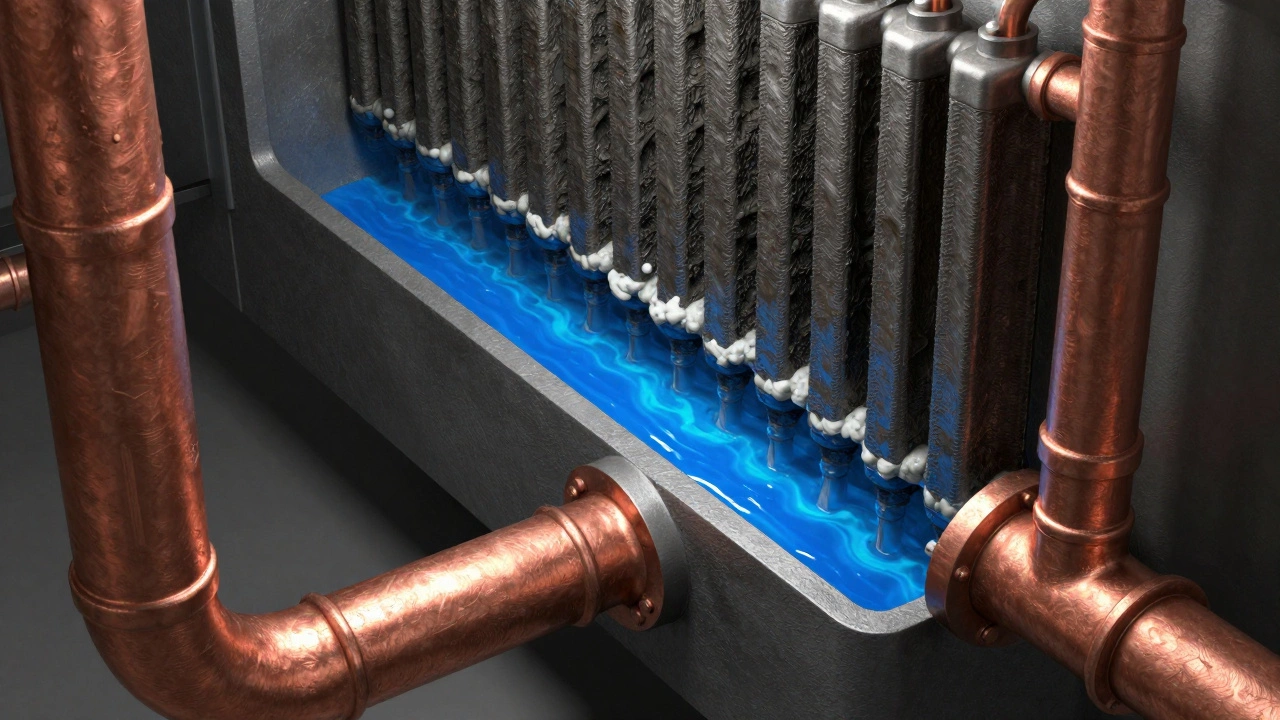
It isn't just about the age on the calendar. A 5-year-old boiler can be a ticking time bomb if it's been ignored, while a 20-year-old cast iron beast might still be humming along. One of the biggest killers is Sludge, which is a buildup of iron oxide and debris in the heating system that restricts water flow and forces the pump to work harder. When sludge settles in the heat exchanger, it creates hot spots that can warp the metal and lead to permanent failure.
Then there is the issue of water chemistry. If you live in an area with "hard water," calcium and magnesium deposits build up inside the pipes. Think of it like a clogged artery; the boiler has to use more energy to push water through, which puts massive strain on the Heat Exchanger-the heart of the system where the combustion process heats the water. Once the heat exchanger cracks or corrodes, you're usually looking at a full replacement because the part cost is nearly as high as a new unit.
The Signs Your Boiler is on Its Last Legs
You don't have to wait for a total blackout to know your system is failing. Usually, the boiler will start "whispering" its problems to you months before it quits. Have you noticed your energy bills creeping up even though you haven't turned the heat up? That's often a sign of declining efficiency. As components wear out, the unit works longer hours to reach the same temperature.
Listen for the "kettle sound." If your boiler makes loud banging or whistling noises, it's often a sign of air pockets or localized boiling (kettling). This isn't just annoying; it means the heat is not distributing evenly, which damages the internal components. Also, keep an eye on your pressure gauge. If you're topping up the system with water every few weeks, you've got a leak. Constant pressure loss puts a strain on the Circulation Pump, which eventually burns out from trying to move water through a leaky system.
How to Actually Extend the Life of Your System
You can't make a boiler last forever, but you can stop it from dying prematurely. The single most effective move is a yearly service. A qualified engineer doesn't just check if it works; they clean the burner, check the gas pressure, and ensure the flue is clear. This prevents the buildup of soot and carbon that can choke the system.
Another pro move is installing a Magnetic Filter. This is a small device that sits on the return pipe and catches metallic debris before it enters the boiler. It's like a kidney for your heating system. Without one, the sludge mentioned earlier just keeps circulating, grinding down the pump and clogging the heat exchanger.
Don't forget the Power Flush. Every 5 to 7 years, it's worth having the entire system flushed with high-pressure water and chemicals. This clears out the gunk that a standard service can't reach, ensuring that the heat reaches every radiator in the house without the boiler having to struggle.
Repair vs. Replace: The Financial Breaking Point
When a breakdown happens, you face the classic dilemma: do you pay for the boiler repair or buy a new one? There is a simple rule of thumb called the "50% Rule." If the cost of the repair is more than 50% of the cost of a new boiler, or if the unit is over 12 years old and needs a major part (like the PCB or heat exchanger), just replace it.
Why? Because repairing an old boiler is often like putting a new engine in a 20-year-old car. You might fix the main problem, but the other aging parts will likely fail soon after. A new Condensing Boiler is significantly more efficient. Modern units can reach 92% efficiency, whereas old non-condensing models often sit around 60-70%. That means you're essentially paying a "waste tax" every month on your gas bill by keeping an old unit.
Comparing Modern Boiler Options
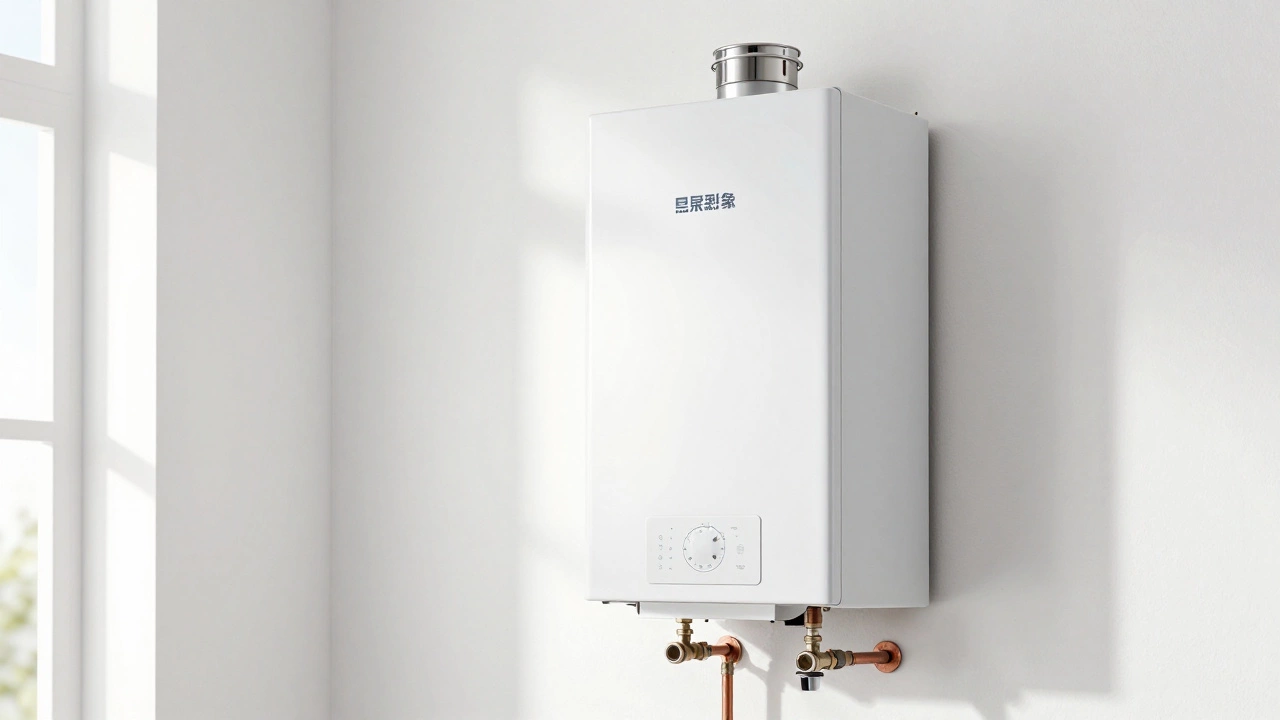
If you've decided to upgrade, you'll likely choose between a Combi and a System boiler. A Combi Boiler (combination) is the most popular because it provides hot water and heating instantly without needing a separate tank. It's great for smaller homes but can struggle if you have three bathrooms and everyone wants a shower at 7 AM.
A System Boiler works with a separate hot water cylinder. While it takes up more space, it's much better for larger families because it can deliver high-pressure hot water to multiple taps at once. From a longevity standpoint, system boilers often last slightly longer because the workload is split between the boiler and the cylinder.
Can a boiler really last 20 years?
Yes, but it's rare for modern condensing boilers. Older cast-iron boilers were built like tanks and often lasted 20+ years. Modern units are more efficient but use more sensitive electronic components and thinner heat exchangers to save energy, which generally limits their lifespan to 12-15 years.
Does a warranty actually help with life expectancy?
A warranty doesn't make the boiler last longer, but it often forces you to maintain it. Most 10-year warranties require proof of an annual service. By following these rules to keep the warranty valid, you are inadvertently performing the exact maintenance needed to extend the boiler's life.
What is the most common part to fail?
The circulation pump and the PCB (printed circuit board) are the most frequent casualties. Pumps wear out physically due to friction and sludge, while PCBs can fail due to power surges or overheating. These are usually fixable repairs that don't require a full boiler replacement.
Will a power flush really make my boiler last longer?
Absolutely. By removing sludge and debris, you reduce the internal resistance of the system. This means the pump doesn't have to work as hard, and the heat exchanger doesn't develop "hot spots," both of which directly contribute to a longer operational life.
Should I replace my boiler if it's still working but 15 years old?
It's a gamble. If it's a high-quality unit and has been serviced every year, you can keep it. However, most 15-year-old boilers are highly inefficient. You might find that the monthly savings on your gas bill with a new A-rated boiler would actually cover the monthly cost of a financing plan for the new installation.
What to Do Now
If your boiler is over 10 years old and you haven't had it serviced in the last 12 months, your first move should be to book a technician. Don't wait for a breakdown in January when engineers have a three-week waiting list. A simple service can identify small leaks or failing capacitors that can be fixed for a few hundred dollars now, preventing a $4,000 replacement later.
If you're already seeing signs of failure-like erratic temperatures or loud banging-start gathering quotes for a replacement. Knowing your options and the costs beforehand prevents panic-buying the first expensive unit a salesman suggests when your heat goes out in the middle of winter.
I am an expert in the services industry with a focus on appliance repair. My passion lies in understanding how things work and educating others in simple, engaging ways. This enthusiasm fuels my writing, where I delve into topics around appliance maintenance and troubleshooting. I aim to make these subjects clear and accessible to all readers.