Boiler Repair vs. Replace Estimator (2026)
Assess Your Situation
Financial Breakdown
Estimated Total:
Verdict:
Alternative: New Boiler Install
Average New Condensing Unit (2026): £1,200
0%
The Shock of the Quote
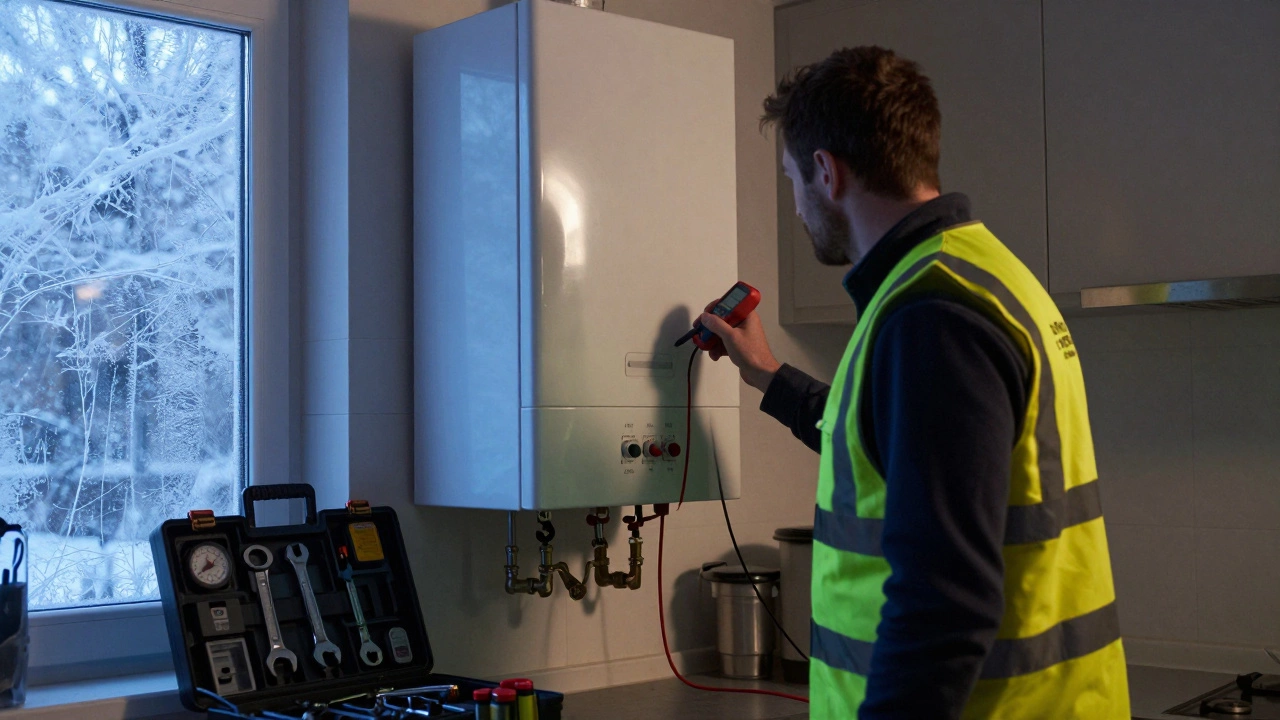
There is a specific kind of dread associated with a cold house in winter. When your Boiler stops working, the silence of the radiators is deafening. You need to know the damage immediately. In the current market of 2026, a basic diagnostic call-out typically starts at £60 to £80, while full repairs can range from £150 for a minor part to over £1,000 for complex component failure.
Gas Safe registered engineers charge differently depending on urgency and the severity of the issue. You should not expect a fixed price unless you buy an annual cover plan. Most people face a variable cost model where the engineer assesses the fault first. This assessment is where many homeowners get nervous. They worry the bill will balloon higher than expected. Understanding the components that drive up this price helps you manage expectations and avoid being taken advantage of.
Standard Pricing Tiers for Repairs
You cannot compare a loose screw to a cracked metal pipe. The industry categorizes work into three main tiers based on complexity and time spent. Knowing where your problem fits helps you budget before the phone even rings.
- Tier One: Minor Diagnostics and Adjustments (Under £150). These include resetting controls, bleeding a radiator, or tightening connections. Often, the issue is simply air trapped in the system or a power tripping breaker. The engineer comes, spends thirty minutes, and leaves.
- Tier Two: Component Replacement (£150 to £450). This covers swapping out a faulty part like a sensor, fan, or valve. The job takes one to three hours including disposal of the old unit.
- Tier Three: Major Internal Work (£500 to £1,200+). This involves opening the combustion chamber, replacing heat exchangers, or fixing leaks within the main block. These jobs require significant disassembly and testing.
Heating Engineer fees fluctuate based on local competition and demand. London areas naturally sit at the higher end of these brackets due to operational costs. Rural areas might see lower hourly rates, but travel charges can offset those savings. Always ask for a "call-out fee" clarification before booking.
Breakdown of Common Faults and Costs
Not all failures are equal. Some parts wear out faster than others, and manufacturers design certain components to fail earlier as they take the most stress. Here is what you will likely pay for the most frequent issues seen in modern systems.
| Component | Problem Description | Estimated Part Cost | Estimated Total (With Labour) |
|---|---|---|---|
| Faulty Thermostat (Controls the temperature set point for water flow) | House stays cold or overheats randomly | £40 - £80 | £150 - £250 |
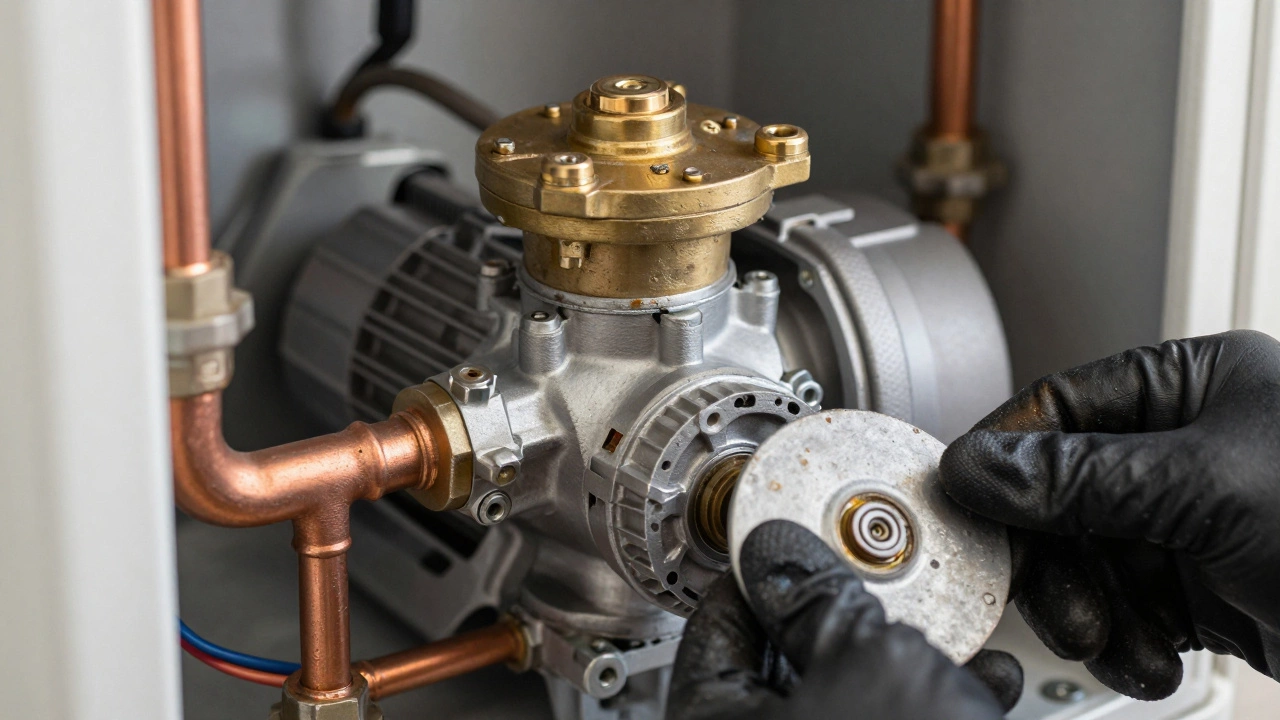
| Circulator Pump (Moves hot water through pipes and radiators) | Radiators stay cold at bottom, boiler kettles off | £60 - £120 | £250 - £400 |
| Ignition Board (Electronic control hub for firing sequence) | Boiler won't light, clicking sounds, error codes | £100 - £200 | £300 - £500 |
| Heat Exchanger (Core metal component that heats the water) | Cracks causing carbon monoxide risk or leaks | £400 - £800 | £800 - £1,500+ |
The table above shows why diagnosis matters. Replacing a pump feels expensive until you realize it avoids a full unit replacement later. However, if your heat exchanger needs replacement, the quote becomes tricky. Is the rest of the boiler nearing end-of-life? If so, pouring money into a new core might be financial suicide.
The Hidden Costs You Must Ask About
A quote for the part itself rarely tells the whole story. Professional services include overheads that consumers often forget to account for. If you shop strictly by the cheapest advertised price online, prepare yourself for surprises.
- VAT and Disposal Fees: Unless you find a small independent operator offering cash-only deals (which comes with risks), you will pay VAT on top of labour. Additionally, taking away old units incurs disposal fees for waste licensing.
- Warranty Periods: Standard labour guarantees last 12 months. Parts vary. Some electronics have a 24-month guarantee, whereas mechanical pumps might be 6 months. Ask explicitly: "What happens if the new part fails in two weeks?"
- System Power Flush: Sometimes a pump breaks because the pipes are sludge-clogged. The engineer will tell you that flushing the system is necessary before installing new parts to prevent recurrence. This is often an extra £300 - £500 add-on.
- Emergency Surcharges: Saturday afternoons and bank holidays trigger a premium. An emergency slot is almost always double the rate of a standard weekday booking.
Understanding these line items empowers you to say "yes" confidently or request an alternative solution. You are paying for expertise, not just physical parts. But transparency is key. If an engineer refuses to break down the estimate, consider finding another professional.
Repair vs. Replace: The Financial Line
This is the most critical question you will face. There is a mathematical threshold where repairing becomes unwise compared to buying new technology. In 2026, efficiency standards are high, meaning older boilers are losing more money than they save.
If the cost of repair exceeds 50% of the value of a brand-new installation, you should walk away. For example, if your quote is £800 for a heat exchanger on a ten-year-old unit, a new condensing boiler might cost £1,200 installed. Over five years, the energy savings on the new unit will pay back the difference in capital cost.
Look for signs of aging corrosion. If you see rust flakes inside the system pressure glass, internal corrosion is happening everywhere, not just in the failed part. Fixing one leak will leave you vulnerable to another next month. A replacement gives you a fresh warranty (often 5 to 10 years) and brings your system up to modern safety standards regarding Carbon Monoxide detection.
Prevention Strategies for Lower Bills
You can reduce the frequency of these large bills by changing how you maintain the device. Regular care keeps the internals clean and reduces strain on sensitive electronics.
- Annual Servicing: While some skip this, spending £60 to £90 annually clears debris and tests gas pressure. It prevents catastrophic failures that trigger expensive replacements.
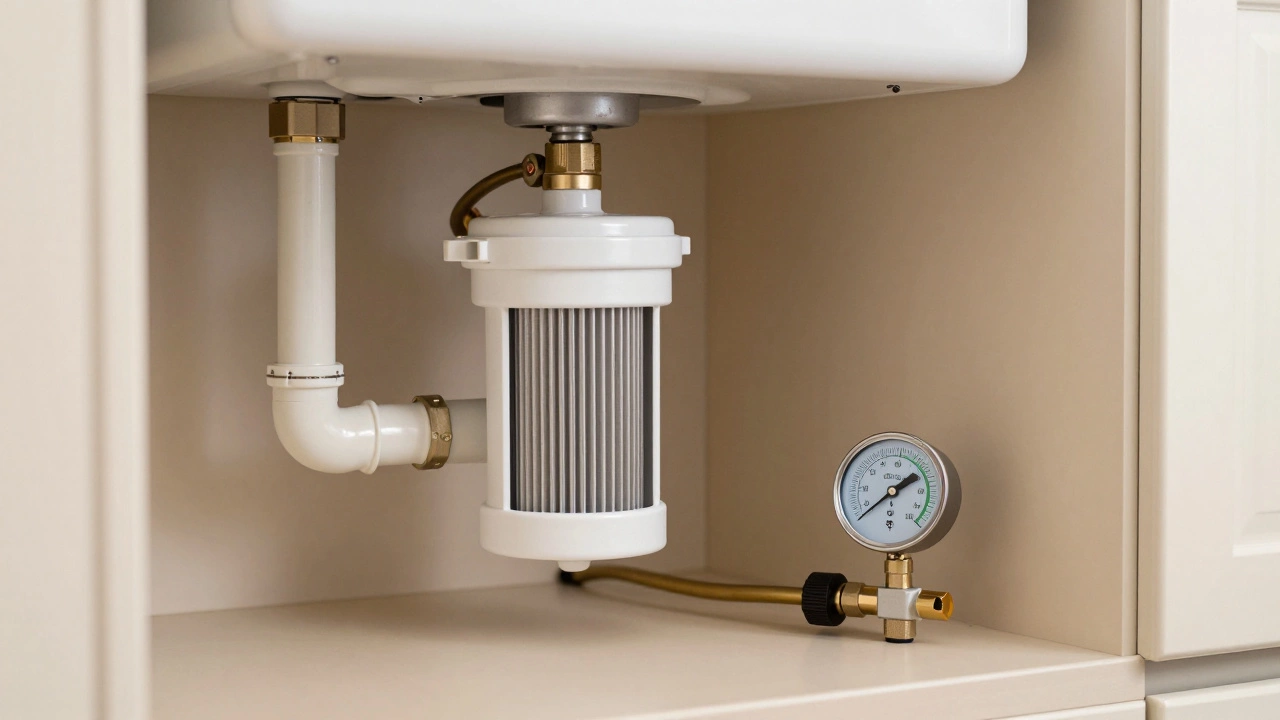
- Check Pressure: Keep eye-level on your display. Low pressure causes lockouts. Simply using the filling loop to repressurize to 1.5 bar solves 40% of 'breakdowns' without calling anyone.
- Magnetic Filters: Installing a magnet filter captures iron oxide before it enters the heat exchanger. This significantly extends the life of the pump and valves.
Treating your boiler like a car engine-checking oil and pressure regularly-keeps the mechanic from having to fix the engine block. Small preventative investments save massive corrective expenditure later.
Summary of Actions
When the alarm goes off, panic raises prices. Stay calm and follow this order: Check the pressure gauge first. Reset the unit. Check if other appliances work. If nothing works, call a certified engineer. Ask for a tiered quote before authorizing work. Compare it against the replacement value. Document every part replaced for warranty claims.
Why do emergency boiler repairs cost so much?
Emergency calls happen outside normal business hours, requiring overtime pay for staff. Additionally, engineers must carry stock for immediate fixes rather than ordering parts later. This convenience premium usually doubles the standard day-rate.
Can I replace a boiler part myself to save money?
It is illegal in most regions for unlicensed individuals to work on gas-fired boilers. Gas lines and combustion chambers pose severe explosion risks. Only a Gas Safe or equivalent certified engineer should touch internal components.
Is it cheaper to fix or replace a leaking boiler?
A small drip on a connection might be cheap to fix. However, if water is leaking from the base or heat exchanger, the cost usually approaches replacement prices. Water damage inside the unit accelerates total failure.
Do insurance policies cover sudden breakdowns?
Standard home insurance often excludes pre-existing faults or lack of maintenance. Breakdown cover plans purchased separately are usually required to cover mechanical failures, but they have waiting periods and excess payments.
How long does a standard boiler repair take?
Simple diagnostics and resets take under an hour. Part replacements usually take 2 to 4 hours. Complex internal repairs or power flushing can extend to a full day of work, sometimes requiring the system to be drained completely.
I am an expert in the services industry with a focus on appliance repair. My passion lies in understanding how things work and educating others in simple, engaging ways. This enthusiasm fuels my writing, where I delve into topics around appliance maintenance and troubleshooting. I aim to make these subjects clear and accessible to all readers.