If your electric oven won’t heat up, bakes unevenly, or shuts off randomly, you’re not alone. These aren’t rare glitches-they’re the most common problems homeowners face with electric ovens. And most of the time, you don’t need to replace the whole appliance. You just need to know what’s broken and how to fix it.
Heating Element Failure Is the #1 Issue
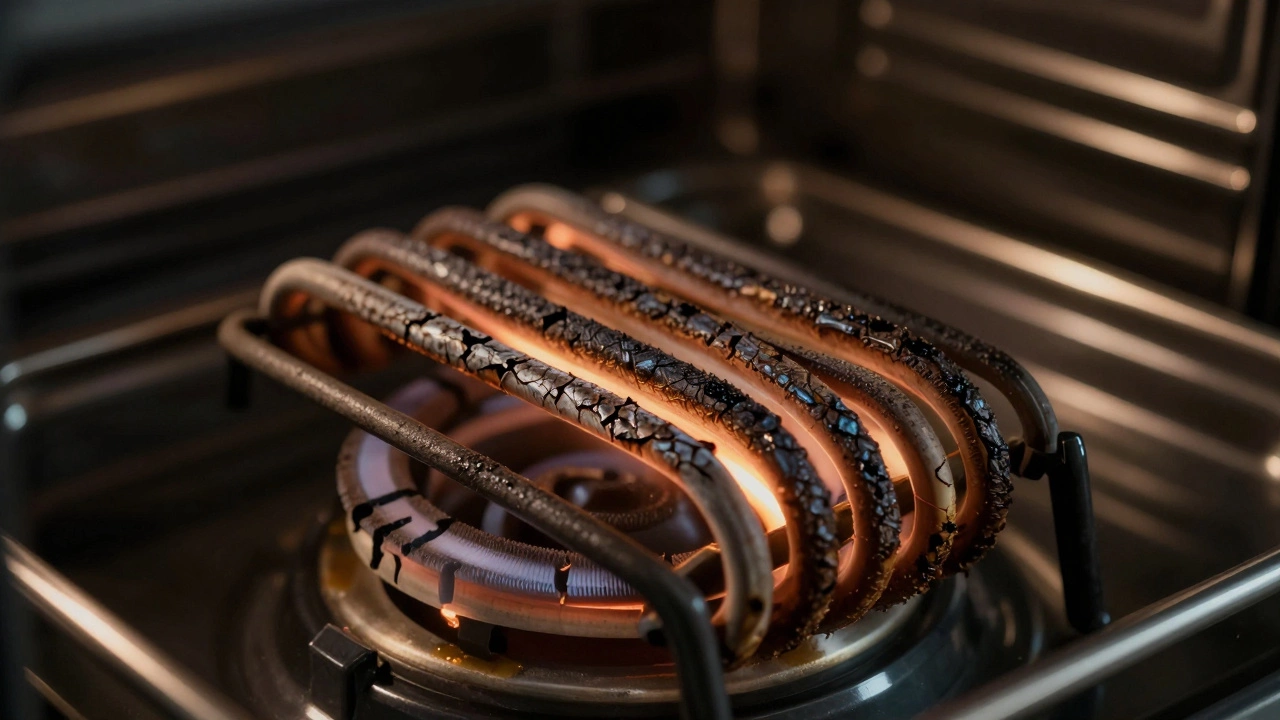
The heating element is the most likely culprit when your oven doesn’t get hot. It’s the coiled wire at the top and bottom of the oven cavity. When it burns out, it often looks cracked, blistered, or has a dark spot where the metal broke. A broken element won’t glow red when the oven is on-even if the light and fan still work.
Most electric ovens have two elements: a bake element (bottom) and a broil element (top). If only the bake element is dead, your oven might still heat a little from residual warmth or the broil element, but it won’t bake properly. You’ll notice food cooking too fast on top and staying raw underneath.
Replacing a heating element is one of the easiest DIY repairs. You just need to unplug the oven, remove the back panel inside the oven cavity, disconnect the two wires, and swap in a new one. Elements cost between $25 and $60, depending on the brand. Always match the wattage and shape exactly-using the wrong one can cause more damage.
Thermostat or Temperature Sensor Problems
Even if the heating element works fine, your oven might still be cooking wrong. A faulty thermostat or temperature sensor can make your oven think it’s hotter or colder than it really is.
Modern ovens use a temperature sensor-a thin metal probe usually mounted on the back wall. If it’s dirty, bent, or broken, it sends wrong signals to the control board. The oven might heat to 400°F but actually be at 320°F. That’s why your cookies burn on the edges but stay doughy in the middle.
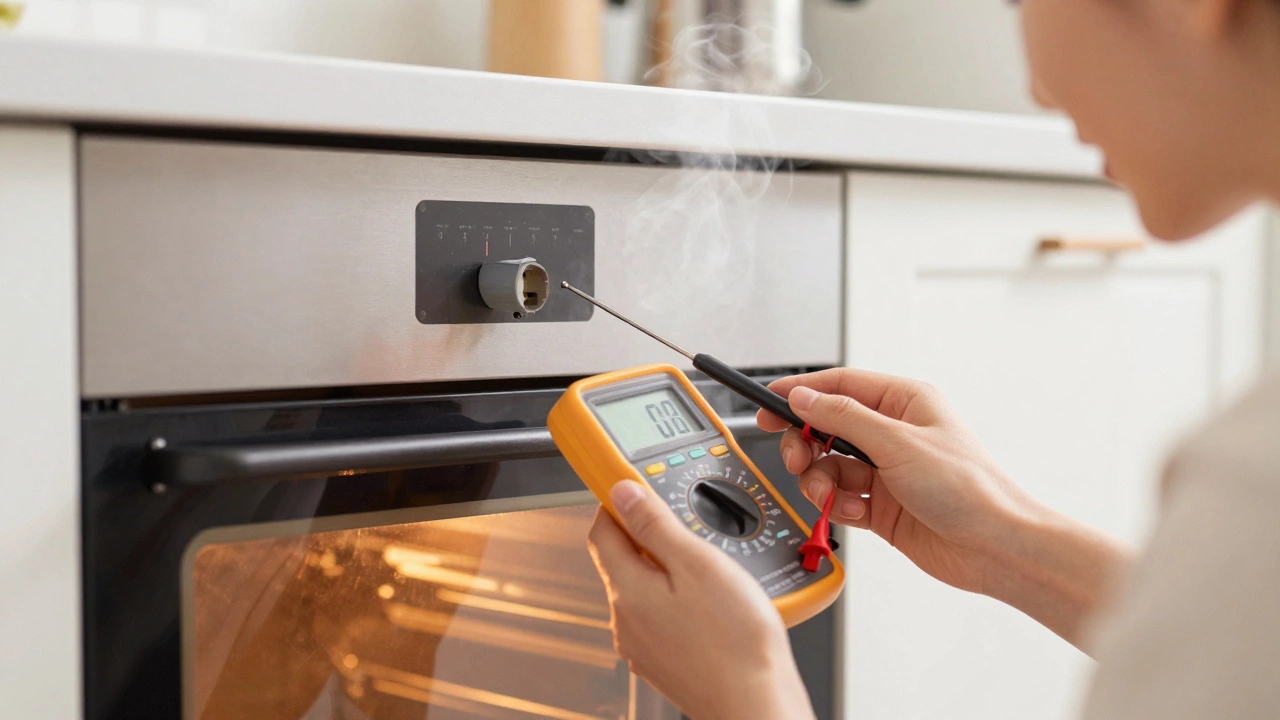
You can test the sensor with a multimeter. At room temperature, it should read between 1,000 and 1,100 ohms. If it reads way higher or shows no resistance at all, it’s bad. Replacing the sensor costs around $30 to $50. Just make sure to disconnect power first. Don’t try to clean it with abrasive pads-it’s delicate.
Uneven Baking? It’s Probably the Bake Element or Airflow
One side of your cake is burnt, the other is pale? That’s not your recipe. It’s usually the bake element. If it’s partially burned out, it might glow on one end but not the other. This causes hot spots.
Another cause? Blocked airflow. If you’ve stuffed too many pans in or used a baking stone that’s too big, hot air can’t circulate. That leads to uneven cooking. Always leave at least 2 inches of space around pans. Avoid lining the bottom of the oven with foil-it traps heat and stresses the element.
Some ovens have a convection fan. If that fan isn’t spinning, heat won’t distribute evenly. Listen for it when the oven preheats. If it’s silent while the element glows, the fan motor might be dead. Replacing it costs $50 to $100, but it’s worth it if you use convection mode often.
Control Board Failures Are Costly But Rare
If all the parts seem fine-the element glows, the sensor reads right, the fan spins-but the oven still won’t heat or keeps shutting off, the control board might be the issue.
The control board is the brain. It sends power to the elements based on what you set. Over time, power surges, moisture, or overheating can fry its circuits. Signs include error codes like F1, F3, or E0 (varies by brand), or the oven turning on and off randomly.
Replacing the control board isn’t hard for a technician, but it’s expensive-$150 to $300. Before you pay that, rule out everything else. Many people replace the board thinking it’s broken, only to find out the sensor or relay was the real problem. Always test the simpler parts first.
Door Seal Problems Cause Heat Loss
A cracked or warped door gasket lets heat escape. That makes your oven work harder to stay hot, which raises your electricity bill and causes longer preheat times.
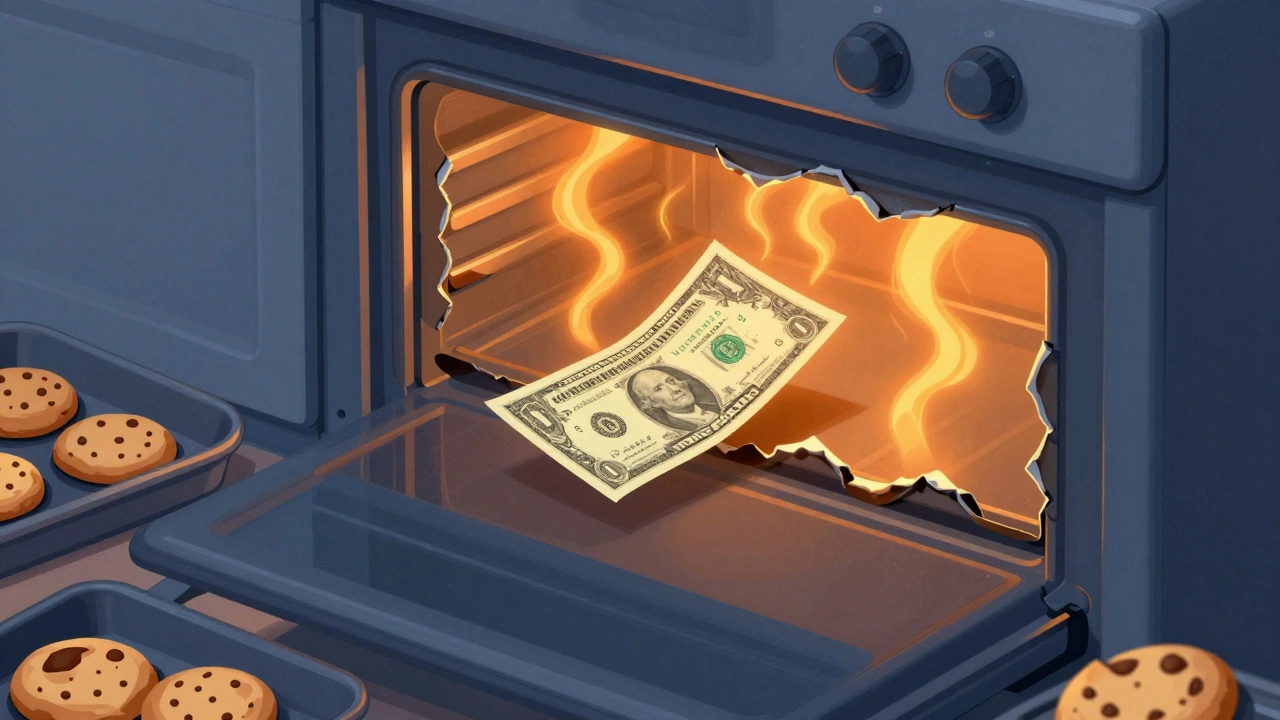
Check the seal by closing the door on a dollar bill. If you can pull it out easily with little resistance, the seal is worn. You can buy replacement gaskets for under $20. Just peel off the old one and press the new one into the groove. Make sure it’s seated all the way around-any gap will leak heat.
Don’t ignore this. A bad seal doesn’t just waste energy. It also causes inconsistent temperatures, which ruins baking results. If your bread is undercooked inside but burnt on the outside, check the door seal before blaming the element.
When to Call a Pro
You can fix most electric oven problems yourself: elements, sensors, door seals, even the convection fan. But if you’re dealing with:
- Electrical shocks or burning smells
- Sparking inside the control panel
- Multiple parts failing at once
- Unclear error codes or no display at all
…it’s time to call a technician. These point to deeper electrical issues or a failing main power relay. Trying to fix them yourself can be dangerous.
Also, if your oven is over 15 years old, consider replacement. Older models are less efficient and harder to find parts for. A new oven with modern sensors and smart features might cost less in the long run than repeated repairs.
Quick Fixes to Try First
Before you start taking apart your oven, try these simple steps:
- Check the circuit breaker. A tripped breaker is the easiest fix.
- Reset the oven. Turn it off at the breaker for 5 minutes, then turn it back on.
- Inspect the heating element visually. Look for breaks or discoloration.
- Test the door seal with the dollar bill trick.
- Make sure the oven isn’t in self-clean mode. Some models won’t bake during or right after a self-clean cycle.
These take less than 10 minutes and solve 30% of common issues.
Preventing Future Problems
To keep your electric oven running longer:
- Don’t spray oven cleaner directly on heating elements or sensors. Use a damp cloth instead.
- Wipe up spills right away. Burnt-on food can drip onto elements and cause premature failure.
- Use the right bakeware. Heavy dark pans absorb more heat and can cause overheating.
- Avoid slamming the door. It can misalign the seal or damage the sensor.
- Run the self-clean cycle no more than twice a year. It puts extreme stress on components.
With basic care, most electric ovens last 15 to 20 years. The biggest killers are neglect and overuse of harsh cleaning chemicals.
Why does my electric oven take forever to preheat?
A slow preheat usually means one of two things: a weak heating element or a faulty temperature sensor. If the element is partially burned out, it can’t generate enough heat quickly. A dirty or failing sensor might be telling the oven it’s already hot when it’s not. Check both. Also, make sure the door seal isn’t cracked-heat escaping slows preheating.
Can I use my oven if the broil element is broken?
Yes, but only for baking. The broil element is only used for top-down heating. If it’s broken, you can still bake and roast using the bake element at the bottom. But you won’t be able to broil steaks or melt cheese evenly. If you use broil often, replace it. It’s a simple swap.
Why does my oven turn off before reaching the set temperature?
This usually means the temperature sensor is giving false readings. It might be dirty, bent, or failing. The control board thinks the oven is hot enough and shuts off the element too early. Clean the sensor gently with a soft cloth. If that doesn’t help, test it with a multimeter or replace it. It’s cheaper than replacing the whole control board.
Is it worth repairing an old electric oven?
If your oven is under 10 years old and the repair cost is less than half the price of a new one, yes. Common fixes like replacing an element or sensor cost under $100. But if it’s over 15 years old, parts are harder to find, efficiency is low, and breakdowns will keep happening. A new oven with better insulation and digital controls can save you money on electricity over time.
Can a power surge damage my electric oven?
Yes. Power surges can fry the control board, thermostat, or even the heating element’s internal wiring. If your oven stopped working after a storm or a flicker in the lights, a surge is likely the cause. Install a whole-house surge protector to prevent this. If the oven won’t turn on at all after a surge, don’t try to fix it yourself-call a technician.
If you’ve tried the basic fixes and your oven still won’t heat right, don’t keep guessing. Start with the element and sensor-they’re the most common culprits. Most of the time, a $40 part and 30 minutes of your time is all it takes to get your oven working like new again.
I am an expert in the services industry with a focus on appliance repair. My passion lies in understanding how things work and educating others in simple, engaging ways. This enthusiasm fuels my writing, where I delve into topics around appliance maintenance and troubleshooting. I aim to make these subjects clear and accessible to all readers.