Washing Machine Repair vs. Replace Calculator
Use this tool to determine if your current washing machine is worth fixing or if it's time for an upgrade. We apply the industry-standard "50% Rule" alongside age-based risk factors.
Enter your details to get a recommendation.
You’re standing in your laundry room, staring at a puddle on the floor. Your trusty washing machine is leaking again, or maybe it’s just making that horrible grinding noise it never used to make. The first thought isn’t "how do I fix this?" It’s usually, "is this thing even worth saving?" We’ve all been there. But deciding when an appliance crosses the line from "old but reliable" to "junk waiting to happen" isn't always obvious.
Most people think anything over ten years old is ancient history. That’s not entirely true, and it’s also not entirely false. The reality depends heavily on what you bought, how hard you pushed it, and whether you cleaned the lint filter like you were supposed to. Let’s break down exactly what counts as "old" for different types of machines, so you stop guessing and start making smart financial decisions about your laundry setup.
The General Rule of Thumb: 10 to 15 Years
If you want a quick answer, here it is: the average lifespan of a modern washing machine sits between 10 and 15 years. This number comes from data aggregated by major manufacturers and consumer reports. However, this is an average, not a death sentence. Some budget models from big-box stores might tap out at seven years, while high-end commercial-grade units can easily hit twenty with proper care.
Why such a wide range? It comes down to build quality and usage intensity. A single person doing two loads a week puts far less stress on the drum bearings than a family of five running three loads every single day. If your machine is under ten years old, it’s generally considered young enough that repairs are often worth the money. Once you cross the fifteen-year mark, you’re entering danger zone territory where replacement becomes the smarter bet for most households.
Top Loaders vs. Front Loaders: Which Lasts Longer?
This is one of the most common debates in appliance forums, and the answer surprises some people. Generally speaking, top-loading washing machines tend to have a longer mechanical lifespan than front loaders. Why? Simplicity. Traditional top loaders use a direct drive motor and fewer complex seals. There are fewer parts to fail. You don’t have door gaskets rotting away or complex electronic control boards getting fried by humidity.
Front-loading machines, while excellent for cleaning efficiency and water savings, rely heavily on rubber door seals and sophisticated electronics. These components are prone to wear. A moldy seal isn’t just gross; it’s a leak risk. A failed control board can cost more to replace than a basic top loader costs to buy new. If longevity is your primary concern, a simple agitator-style top loader is often the safer long-term investment.
| Machine Type | Average Lifespan | Common Failure Points | Repair Viability (Age > 10) |
|---|---|---|---|
| Traditional Top Loader | 12-15+ Years | Lid switch, water inlet valve, belt | High - Parts are cheap and available |
| Front Loader | 8-12 Years | Door seal, pump filter, main bearing | Medium - Seals and electronics are costly |
| High-Efficiency (HE) Top Loader | 9-12 Years | Control board, suspension rods | Low/Medium - Complex diagnostics needed |
| Commercial Grade | 15-20+ Years | Bearings, tub support | High - Built for heavy cycles |
Signs Your Machine Is Actually Dying
Age is just a number on a sticker inside the door frame. The real indicator is behavior. If your machine is twelve years old but still runs quietly and cleans well, keep it. But if you notice these specific symptoms, the end is near:
- Excessive Vibration or Walking: If the machine moves across the floor during the spin cycle, the shock absorbers or suspension springs are shot. On older models, replacing these is labor-intensive and expensive.
- Leaking from the Bottom: Small leaks can be hoses. Large leaks usually mean the outer tub has cracked or the main seal has failed. Replacing a tub seal requires disassembling the entire machine-often costing more than a new unit.
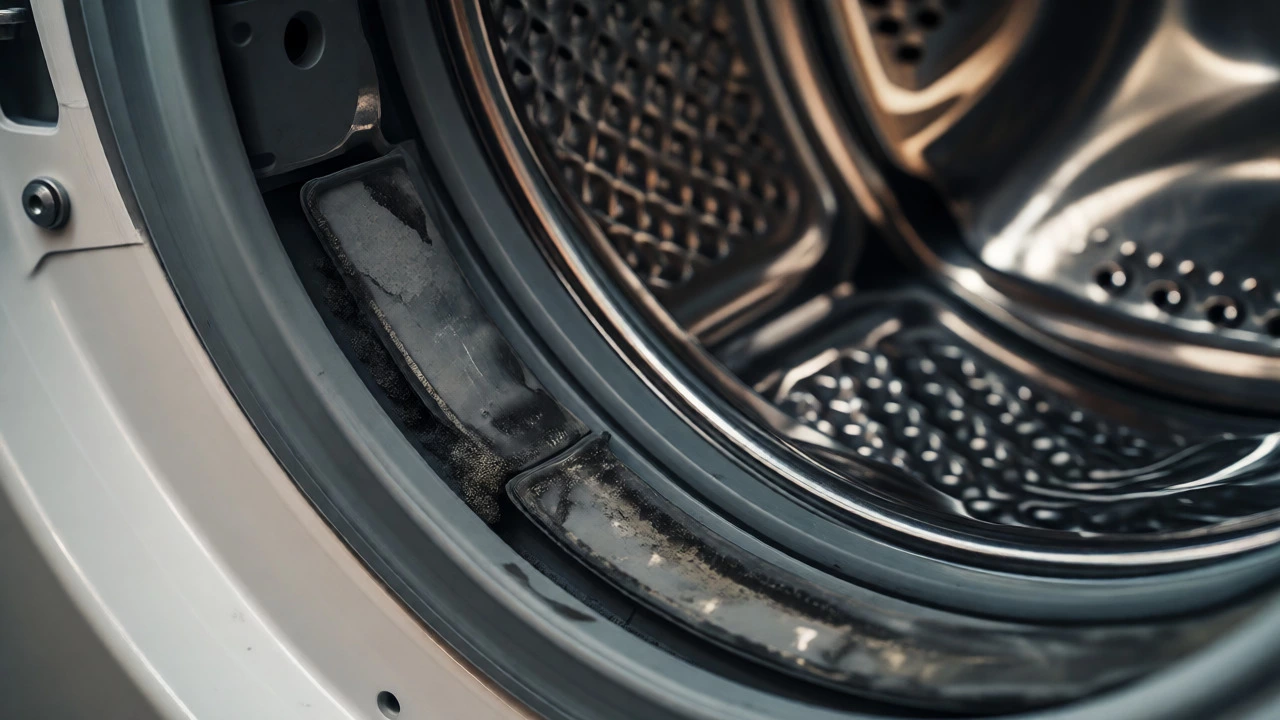
- Mold and Odors Won’t Go Away: Persistent smells despite cleaning cycles suggest deep-seated mold in the inner drum or hidden compartments that can’t be reached without professional teardown.
- Inconsistent Water Temperature: If hot water settings deliver lukewarm water, the heating element or thermostat is failing. In front loaders, this part is often integrated into the main assembly.
The 50% Rule: When to Replace Instead of Repair
Appliance technicians often use a simple heuristic called the 50% Rule. Here’s how it works: Compare the cost of the repair to the price of a brand-new equivalent model. If the repair costs more than 50% of the price of a new machine, replace it. If it’s less, consider fixing it.
Let’s say your ten-year-old washer needs a new transmission. The part costs $150, and labor is $100, totaling $250. A comparable new washer costs $600. Since $250 is less than half of $600 ($300), repairing makes sense financially. However, if the repair quote is $400, you’re better off putting that money toward a new unit that comes with a fresh warranty and better energy efficiency.
There’s an exception to this rule: sentimental value or specific features. If you love the capacity of your current oversized machine and can’t find a similar size in newer models, you might justify paying slightly over the 50% threshold. But for standard-sized units, stick to the math.
How Usage Habits Impact Longevity
Your habits play a massive role in whether your machine hits year eight or year eighteen. Overloading is the silent killer. Stuffing clothes past the recommended load line strains the motor and damages the drum bearings. Conversely, running tiny loads wastes water and wears out the electronics unnecessarily through frequent start-stop cycles.
Another critical factor is detergent choice. Using regular detergent in a High-Efficiency (HE) machine creates excess suds that can overflow into the electronics compartment, causing short circuits. Always match your detergent type to your machine’s requirements. Also, leaving wet clothes sitting in the drum for hours breeds bacteria and corrodes stainless steel drums faster than normal.
What About Energy Efficiency?
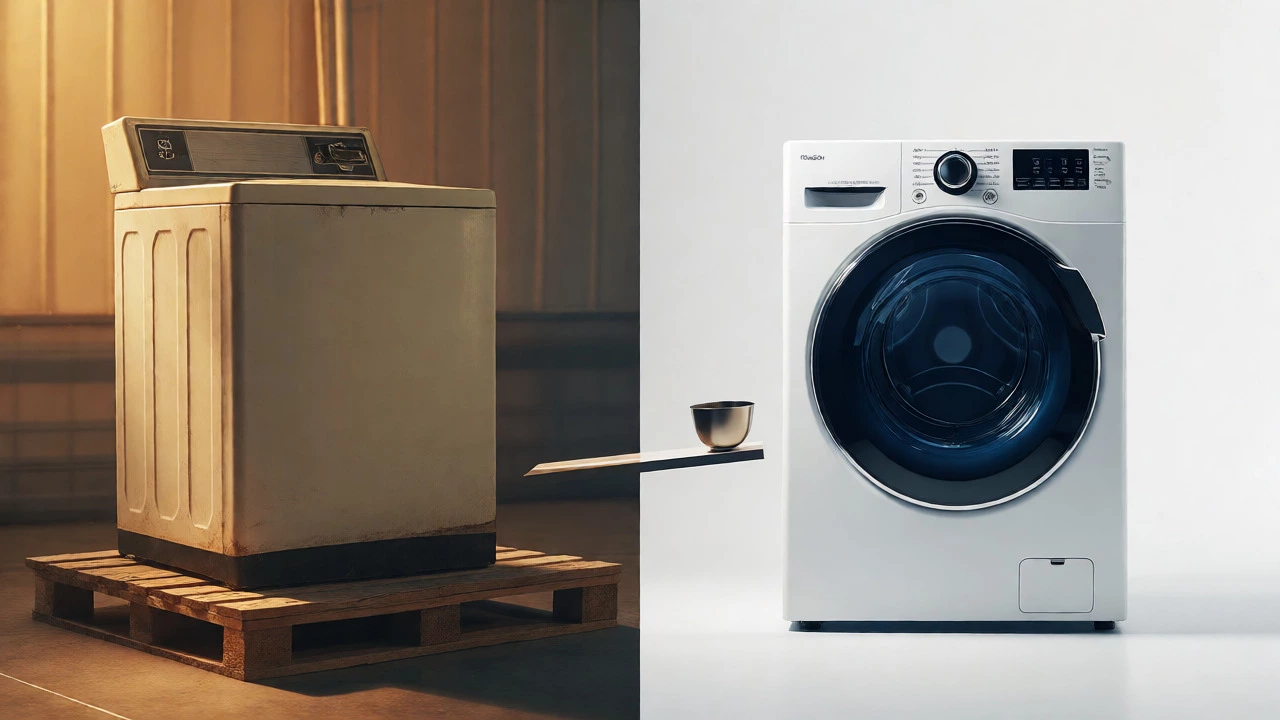
Older machines consume significantly more water and electricity than modern ones. A washing machine from 2010 might use 40 gallons per load, whereas a 2026 model could use as little as 15 gallons. If your utility rates are high, the operational savings from a new machine can offset the purchase price over time.
Calculate your annual energy cost difference. If upgrading saves you $100 a year on water and power, and the new machine costs $700, it pays for itself in seven years. If your current machine is already fourteen years old, you won’t get those seven years of savings before it likely fails anyway. In this case, replacement is almost always the right move.
Frequently Asked Questions
Is a 10-year-old washing machine too old to repair?
Not necessarily. Ten years is within the average lifespan. If the repair cost is less than 50% of a new unit's price and the issue is isolated (like a pump or belt), repairing is usually worth it. However, if multiple components are failing simultaneously, replacement is often more economical.
Do front-load washers really last shorter than top-loaders?
Generally, yes. Front-loaders typically last 8-12 years due to complex seals and electronics, while traditional top-loaders can last 12-15+ years because of their simpler mechanical design. However, high-quality front-loaders with robust engineering can exceed this range.
What is the most common cause of washing machine failure?
The most common failures involve the drain pump clogging or failing, followed by issues with the lid switch (on top-loaders) or door lock mechanism (on front-loaders). Bearing failures are also prevalent in older machines due to wear and tear from heavy loads.
Can I extend the life of my old washing machine?
Yes. Avoid overloading the drum, clean the lint filter regularly (if applicable), run maintenance cycles with vinegar or specialized cleaners to prevent mold, and ensure the machine is level to reduce vibration stress. Using the correct amount of HE detergent also prevents buildup.
Is it cheaper to fix a leaking washing machine?
It depends on the source. Leaks from hoses or the detergent dispenser are cheap fixes ($20-$50). Leaks from the main tub seal or outer tub crack are expensive repairs ($300+) and often signal that replacement is the better option for machines over 10 years old.
I am an expert in the services industry with a focus on appliance repair. My passion lies in understanding how things work and educating others in simple, engaging ways. This enthusiasm fuels my writing, where I delve into topics around appliance maintenance and troubleshooting. I aim to make these subjects clear and accessible to all readers.