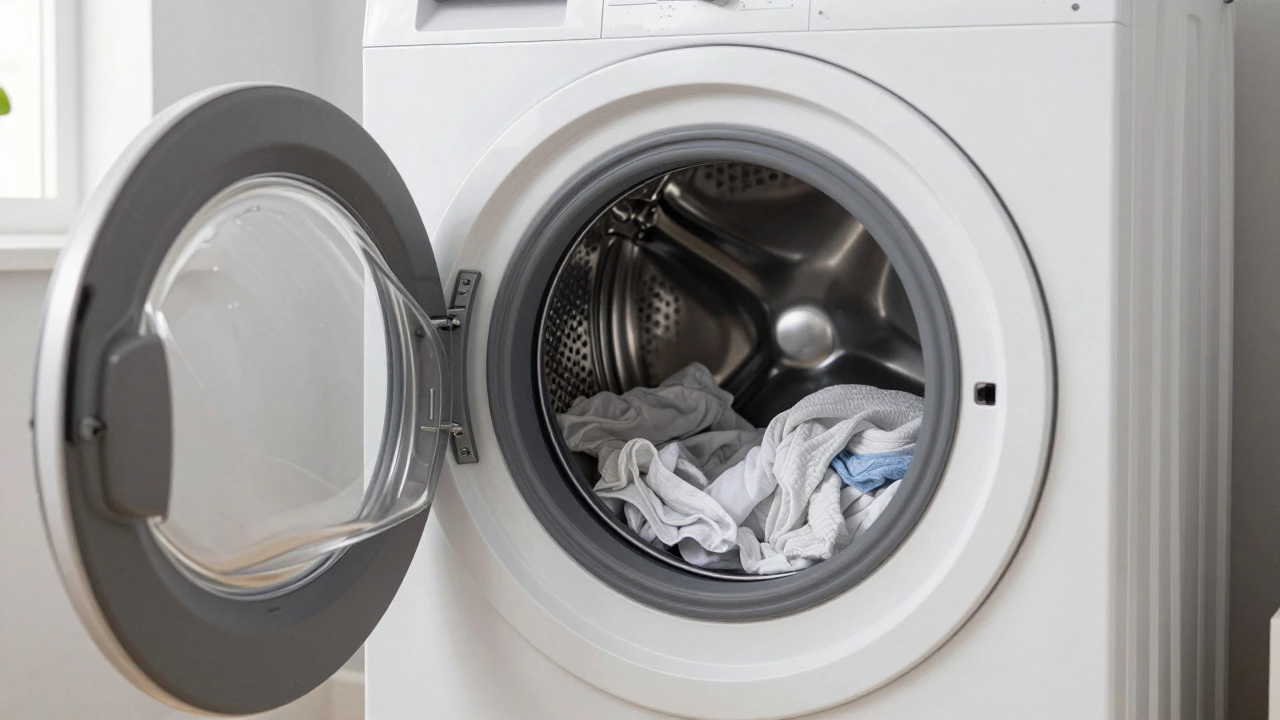
Tumble Dryer Repair vs. Replace Calculator
Not sure whether to fix your old dryer or buy a new one? Enter the details below to get a recommendation based on industry standards.
Your clothes are damp again. You check the timer, but it’s been running for an hour. The drum is spinning, but there’s no heat. Is your machine dying? Or can you fix it?
We’ve all been there. Tumble dryers are workhorses in our laundry rooms, but they don’t last forever. Knowing how long a tumble dryer should last helps you decide whether to call a technician or start shopping for a new one.
The Average Life Expectancy of a Tumble Dryer
If you want a straight number, most modern tumble dryers last between 10 and 13 years. This range comes from industry data collected by organizations like Consumer Reports and appliance manufacturers. However, this isn't a hard rule. Some units fail after five years due to poor ventilation, while others keep going strong for fifteen years with proper care.
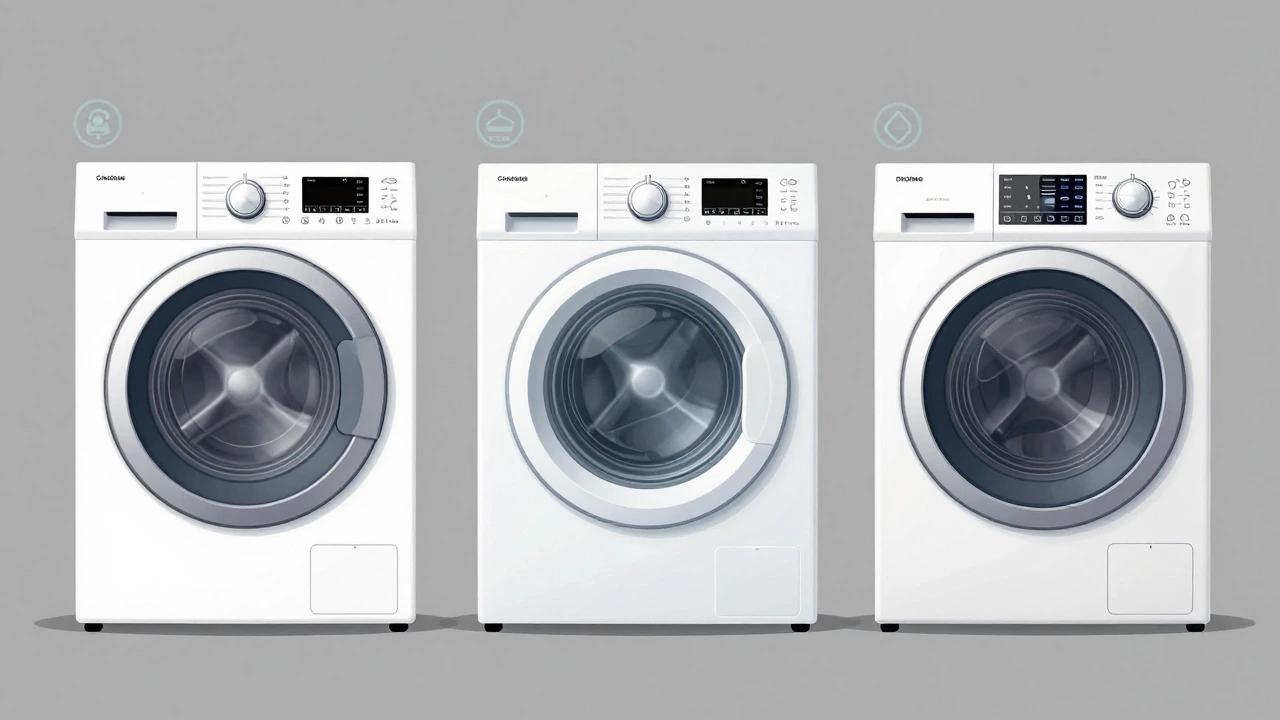
The type of dryer you own plays a huge role in its longevity. Here is how different technologies stack up:
- Vented tumble dryers: These are the traditional models that exhaust hot air outside. They typically last 10-12 years. Because they rely on simple heating elements and fans, they have fewer complex parts to break down.
- Condenser dryers: These trap moisture inside and release warm air back into the room. They usually last 8-10 years. The added complexity of the condenser unit means more components that can wear out.
- Heat pump dryers: These are the energy-efficient models that recycle heat. They generally last 12-15 years. While they have more electronics, they run at lower temperatures, which reduces stress on the drum and seals.
Signs Your Tumble Dryer Is Near the End of Its Life
You don’t need a crystal ball to know when your dryer is failing. It will tell you. Pay attention to these warning signs:
- Longer Drying Times: If a load that used to take 40 minutes now takes two hours, your heating element might be weak, or your airflow is restricted. If cleaning the lint filter doesn’t help, the internal components are likely wearing out.
- Excessive Heat: A dryer that makes your laundry room feel like a sauna has a problem. This could mean a broken thermostat or a clogged vent. Overheating damages the motor and bearings over time.
- Noise: Squealing, thumping, or grinding noises indicate worn-out drum bearings, a slipping belt, or a failing motor. Once bearings go, the repair cost often exceeds the value of an older machine.
- Frequent Breakdowns: If you’re calling a repair person every few months, stop. The cumulative cost of repairs plus the inconvenience isn’t worth it. Rule of thumb: if the repair costs more than 50% of a new unit, replace it.
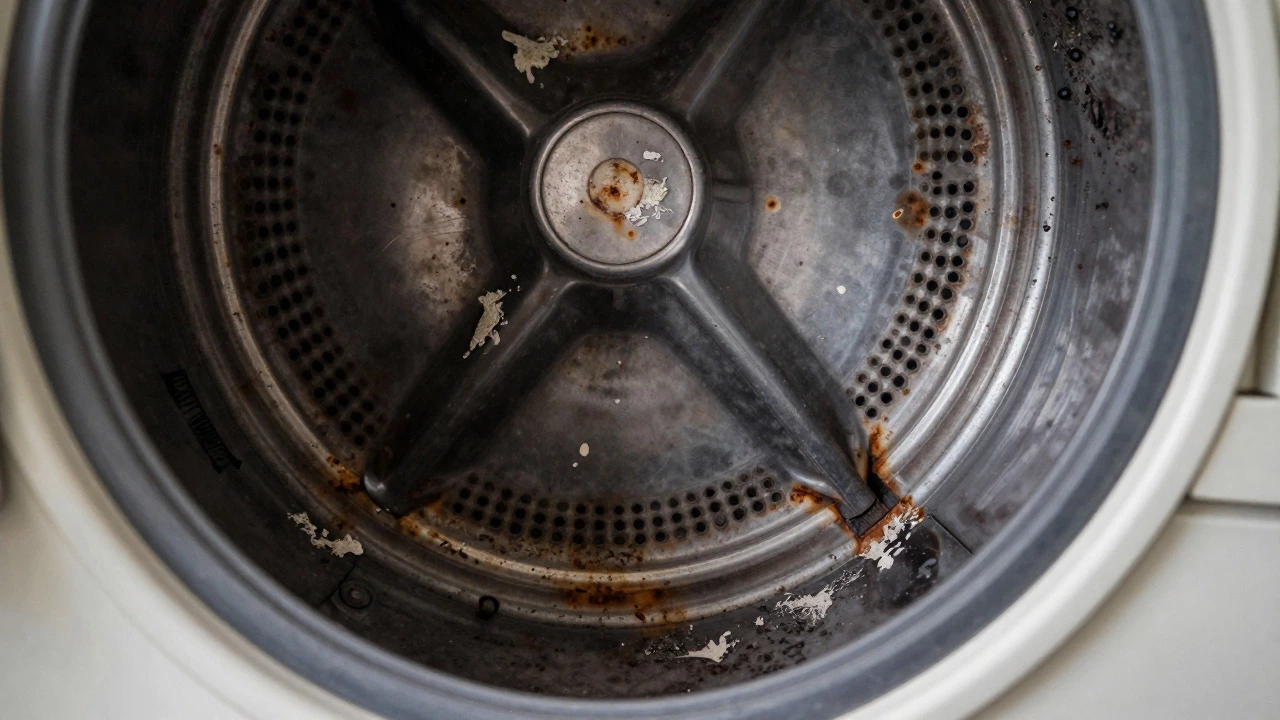
- Visible Damage: Rust spots inside the drum or cracks in the door seal let moisture escape and reduce efficiency. Rust spreads quickly in the humid environment of a dryer.
How to Extend Your Tumble Dryer’s Lifespan
You can add several years to your dryer’s life with simple habits. Most premature failures are caused by neglect, not manufacturing defects.
| Task | Frequency | Why It Matters |
|---|---|---|
| Clean lint filter | After every load | Prevents overheating and fire hazards. Improves airflow immediately. |
| Check and clean vent hose | Every 6 months | Lint buildup in vents restricts airflow, forcing the motor to work harder. |
| Wipe down interior | Monthly | Removes detergent residue and dust that can corrode metal parts. |
| Inspect door seals | Annually | Cracked seals let hot air escape, reducing efficiency and drying times. |
| Clean condenser unit (if applicable) | After every few loads | Condenser dryers need regular cleaning of the mesh coil to maintain performance. |
Don’t overload the machine. Cramming too many clothes into the drum prevents them from tumbling freely. This puts extra strain on the motor and belt. Follow the manufacturer’s capacity guidelines. Also, avoid using fabric softener sheets excessively. They leave a waxy coating on the lint screen and internal sensors, causing false readings and reduced airflow.
Repair vs. Replace: Making the Right Choice
This is the biggest decision you’ll face. Should you spend $150 on a new heating element, or buy a new dryer for $600?
Consider the age of your unit. If your dryer is under seven years old, repair is usually worth it. Modern appliances are built to last, and a single part failure shouldn’t kill the whole machine. If it’s over ten years old, lean toward replacement. Older models lack energy efficiency features, meaning they cost more to run. A new heat pump dryer might save you hundreds of dollars in electricity bills over its lifetime.
Also, think about warranty coverage. If your unit is still under warranty, get it fixed for free or cheap. If the warranty expired years ago, weigh the repair quote against the price of a new model. Check current prices online. Sometimes, sales make replacing an old, inefficient dryer financially smart.
Common Causes of Premature Failure
Why do some dryers die young? It’s rarely bad luck. It’s usually user error or installation issues.
Poor Ventilation is the number one killer. If your vent hose is kinked, crushed, or clogged with lint, the dryer can’t expel moist air. The heat builds up inside, damaging the thermostat and motor. Always use rigid metal ducting instead of flexible plastic hoses, which trap lint easily.
Electrical Surges can fry the control board. In areas with unstable power grids, consider using a surge protector. A blown control board is expensive to replace and often signals deeper electrical issues.
Ignoring Small Problems leads to big ones. A squeaky belt might seem minor, but if it snaps, it can damage the drum support rollers. Address unusual noises immediately. Don’t wait until the machine stops working entirely.
Choosing a New Tumble Dryer
If you’ve decided to replace your old dryer, what should you look for? Focus on reliability and efficiency.
Look for brands with high repairability scores. Some manufacturers design their machines with easy-to-access panels, making future repairs cheaper. Read reviews focusing on long-term durability, not just initial features. Avoid models with complex digital interfaces if you prefer simplicity; mechanical knobs and dials tend to last longer than touchscreens.
Consider the energy rating. In New Zealand, look for the Energy Rating label. Higher star ratings mean lower running costs. While heat pump dryers cost more upfront, they use up to 50% less energy than condenser models. Over ten years, those savings add up significantly.
Finally, think about space. Compact dryers fit well in smaller apartments but may have smaller drums. Measure your space before buying. Ensure you have adequate ventilation if choosing a vented model. Condenser and heat pump dryers offer more flexibility in placement since they don’t require external venting.
How often should I clean my tumble dryer vent?
You should clean your tumble dryer vent at least once every six months. If you use the dryer daily or have pets, check it quarterly. Lint buildup restricts airflow, causing the dryer to overheat and work harder, which shortens its lifespan.
Is it worth repairing a 12-year-old tumble dryer?
Generally, no. A 12-year-old dryer is past its average lifespan. Repair costs often exceed the value of the machine, and newer models are significantly more energy-efficient. Unless the repair is very minor (like a new belt), replacing it is usually the smarter financial choice.
What causes a tumble dryer to stop heating?
The most common causes are a faulty heating element, a broken thermal fuse, or a blocked vent. A clogged lint filter can also cause overheating, triggering safety switches that cut power to the heater. Start by checking the filter and vent before calling a technician.
Do heat pump dryers last longer than condenser dryers?
Yes, heat pump dryers typically last longer because they operate at lower temperatures. This reduces wear and tear on the drum, seals, and motor. While they have more complex electronics, the reduced thermal stress on mechanical parts extends their overall lifespan compared to traditional condenser models.
Can overloading a tumble dryer damage it?
Absolutely. Overloading strains the motor, belt, and drum bearings. It also prevents clothes from tumbling properly, leading to uneven drying and increased wear on the fabric. Consistently overloading your dryer can shorten its life by several years.
I am an expert in the services industry with a focus on appliance repair. My passion lies in understanding how things work and educating others in simple, engaging ways. This enthusiasm fuels my writing, where I delve into topics around appliance maintenance and troubleshooting. I aim to make these subjects clear and accessible to all readers.