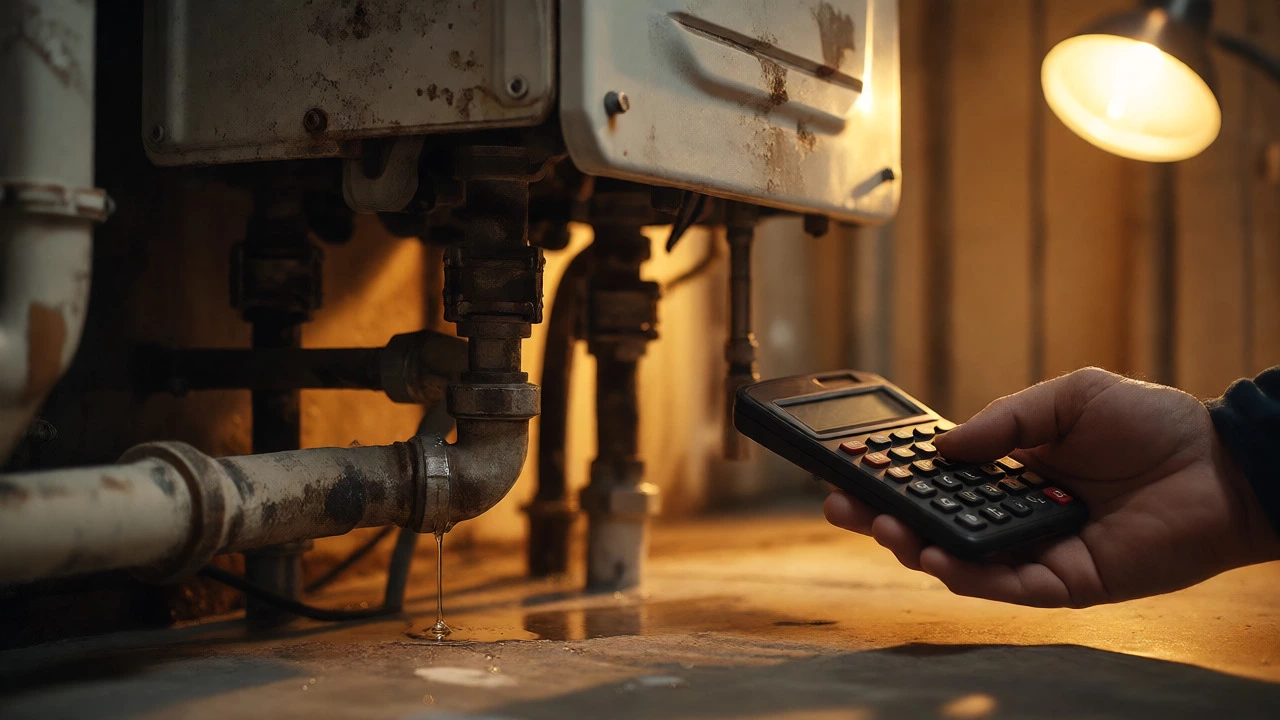
NZ Boiler Cost Estimator (2026)
Enter your details below to get an estimated range for your new boiler installation based on 2026 market rates.
Project Details
Estimated Total Cost (NZD)
Select options and click calculate to see your estimate.
Efficiency Insight
You’re staring at your old boiler, sputtering and leaking, wondering if it’s time to pull the trigger on a replacement. The first question that hits you isn’t about efficiency ratings or brand loyalty-it’s about money. How much is this going to hurt? In 2026, replacing a residential boiler in New Zealand typically ranges from $3,500 to $8,500 NZD for the unit and basic installation, but that number can swing wildly depending on fuel type, complexity, and where you live.
It’s not just about slapping a new metal box on the wall. It’s about ensuring your home stays warm during those damp Wellington winters without burning a hole in your pocket every month. Let’s break down exactly what drives these costs so you aren’t blindsided by the final invoice.
The Base Price vs. The Real Cost
When you see an ad for a "$1,500 boiler," they are usually talking about the hardware only, and often a lower-end model. The real cost includes the labor, permits, gas fitting, and any necessary pipework upgrades. A standard mid-range combi boiler might cost $2,000-$3,500 NZD for the unit itself. But once you add professional installation by a licensed gasfitter, which is mandatory for safety and warranty validity, you’re looking at another $1,500-$2,500 NZD.
Why the wide range? Because no two homes are identical. If your existing pipework is compatible with modern high-efficiency standards, you save money. If your installer has to rip out old copper pipes, install new flues, or upgrade your gas meter capacity, the price climbs quickly. Always ask for an itemized quote that separates equipment from labor.
Fuel Type Dictates Your Budget
The biggest variable in your quote is what fuels the beast. Natural gas remains the most common choice for urban homes due to its convenience and relatively low running costs, though upfront installation can be pricey if you don’t already have a gas line. LPG (Liquefied Petroleum Gas) systems are popular in rural areas without mains gas. They require a tank installation, which adds significant upfront cost-often $1,000+ extra-but offer similar efficiency to natural gas units.
For those looking long-term, electric boilers are gaining traction. They have zero emissions at the point of use and simpler installation since there’s no flue required. However, electricity rates in NZ are volatile. While the unit might be cheaper ($1,800-$3,000 NZD), the monthly running costs can sting compared to gas, unless paired with solar panels. Wood pellet boilers are niche but excellent for eco-conscious homeowners; they’re expensive to buy ($6,000-$10,000 NZD installed) but offer incredible fuel independence.
| Boiler Type | Unit Cost (NZD) | Installation (NZD) | Total Est. (NZD) | Best For |
|---|---|---|---|---|
| Natural Gas Combi | $2,200 - $3,500 | $1,500 - $2,200 | $3,700 - $5,700 | Urban homes with mains gas |
| LPG System | $2,500 - $4,000 | $2,000 - $3,000 | $4,500 - $7,000 | Rural homes, no mains gas |
| Electric High-Efficiency | $1,800 - $3,000 | $1,000 - $1,800 | $2,800 - $4,800 | Small apartments, solar users |
| Wood Pellet | $5,000 - $8,000 | $2,500 - $4,000 | $7,500 - $12,000 | Eco-focused, large properties |
Hidden Costs That Sneak Up On You
Here is where budgets explode. First, check your current setup. Modern condensing boilers need a condensate drain. If you don’t have one nearby, plumbing a new drain line can cost $300-$800. Second, asbestos removal. If you live in a pre-1990s home, disturbing old insulation around the boiler area might require professional asbestos abatement, adding $500-$1,500 to the bill.
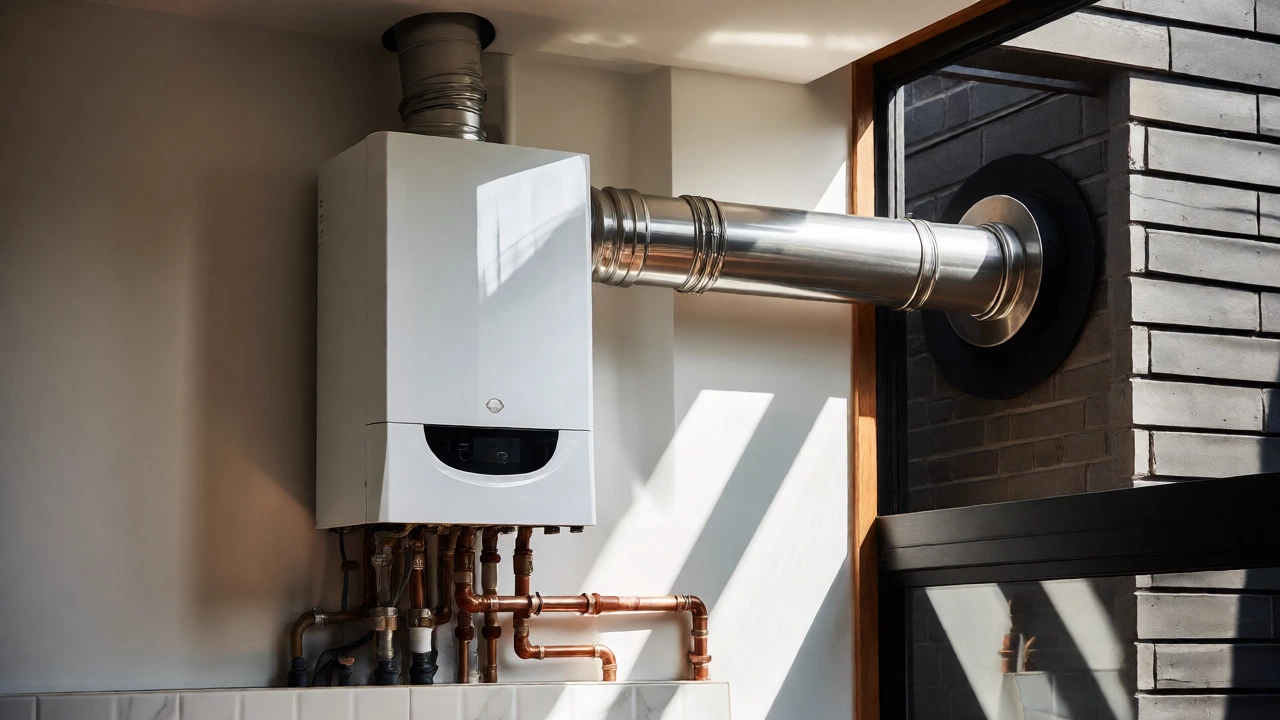
Then there’s the flue. Older boilers used simple vertical chimneys. Newer high-efficiency models often require horizontal wall flues. Cutting through brick or weatherboard siding isn’t cheap. Expect to pay extra for structural modifications if the flue route isn’t straightforward. Don’t forget building consent. While many boiler swaps don’t need full council consent, changing fuel types or moving the location might. Check with your local council early to avoid fines later.
Efficiency Pays Off Faster Than You Think
Buying the cheapest boiler is rarely the smartest financial move. Look for the Energy Rating Label. In NZ, appliances are rated from 1 to 10 stars. A 5-star boiler might cost $400 more than a 3-star model, but it could save you $150-$200 a year on gas bills. Over ten years, that’s $1,500-$2,000 back in your pocket, effectively paying for the premium upfront.
Modulating burners are another feature worth the cash. Unlike older on/off systems, modulating boilers adjust their flame size based on demand. This means less wasted energy when you only need a little heat. It also extends the life of the machine because it’s not constantly kicking on and off violently. When comparing quotes, ask specifically about modulation ratios-a 1:10 ratio is better than 1:5.
Choosing the Right Installer Matters More Than the Brand
You can buy the best Viessmann or Vaillant boiler in the world, but if it’s installed poorly, it will fail within five years. In New Zealand, ensure your installer is registered with the Plumbers, Gasfitters and Drainlayers Board (PGDB). Ask for their license number and verify it online. This protects you legally and ensures the work meets AS/NZS 5601 standards.
Get at least three quotes. Compare them not just on price, but on warranty terms. Some manufacturers offer 5-year parts warranties, while others stretch to 10 years if you sign up for annual servicing. Factor in the cost of that service plan. A $150/year service fee is small insurance against a $2,000 repair bill in year four. Also, ask about their response time. If your boiler dies in July, do they guarantee a fix within 24 hours?
Government Rebates and Subsidies
As of late 2025, the NZ government continues to incentivize energy-efficient heating. Check the EECA (Energy Efficiency and Conservation Authority) website for current rebates. Sometimes, switching from an old non-condensing boiler to a high-efficiency condensing model qualifies for a rebate of $500-$1,000. Additionally, some regional councils in the Wellington region offer targeted grants for homes upgrading from open fires or inefficient electric heaters to central heating systems.
Banks and finance companies also offer green loans with lower interest rates for energy-saving home improvements. If you’re financing the purchase, compare these rates against your standard personal loan. Saving 1% on interest over a 5-year term could save you hundreds of dollars, offsetting part of the higher initial cost of a premium boiler.
When to Repair vs. Replace
Is your boiler really dead, or just tired? Here’s a rule of thumb: If the repair cost exceeds 50% of the price of a new boiler, replace it. If your boiler is over 15 years old, even minor repairs are risky bets. Parts become scarce, and technicians charge more to hunt them down. Frequent breakdowns are a clear signal. If you’ve called a technician twice in six months, stop throwing good money after bad.
However, if your boiler is under 10 years old and the issue is a faulty sensor or pump, repair is almost always the cheaper option. Just make sure the technician checks the heat exchanger. Cracks there are fatal and mean immediate replacement.
Final Checklist Before Signing
- Sizing: Did they calculate your heat load properly? An oversized boiler cycles too much; undersized won’t keep up.
- Water Pressure: Ensure your mains pressure supports the new unit, especially if you want hot water on demand.
- Access: Can they get the old unit out and the new one in? Staircases and narrow hallways add labor time.
- Clean-up: Does the quote include removing the old boiler and recycling it responsibly?
- Payment Terms: Never pay 100% upfront. A deposit of 10-20% is standard, with the balance due upon completion and testing.
How long does a new boiler last?
With proper annual servicing, a high-quality gas boiler should last between 15 and 20 years. Electric boilers can last longer, up to 25 years, as they have fewer moving parts. Neglecting maintenance can cut this lifespan in half.
Do I need building consent to replace my boiler?
Generally, no, if you are replacing like-for-like in the same location. However, if you are changing the fuel type (e.g., from electric to gas) or relocating the boiler, you may need building consent. Always check with your local council before starting work.
Can I install a boiler myself?
No. In New Zealand, gas work must be performed by a licensed gasfitter. DIY installation voids the manufacturer's warranty and is illegal for gas connections. Electrical connections for electric boilers should also be done by a registered electrician.
What is the most reliable boiler brand in NZ?
Brands like Viessmann, Vaillant, and Baxi are highly regarded for reliability and parts availability in New Zealand. Local preference varies, so ask your installer which brands they stock parts for locally. Availability of spare parts is crucial for quick repairs.
Does a new boiler increase home value?
Yes, particularly if you upgrade from an old, inefficient system to a modern, high-efficiency model. Buyers value predictable heating costs and reliable hot water. A well-documented installation with warranties can be a strong selling point.
I am an expert in the services industry with a focus on appliance repair. My passion lies in understanding how things work and educating others in simple, engaging ways. This enthusiasm fuels my writing, where I delve into topics around appliance maintenance and troubleshooting. I aim to make these subjects clear and accessible to all readers.