
Refrigerator Cooling Diagnostic Tool
Follow the steps below to diagnose your issue. Select the option that matches your situation.
Step 1: Check Temperature Settings
Is the temperature dial set correctly (3°C-5°C / 37°F-41°F)? Did you recently adjust it?
Diagnosis Complete
...
Your kitchen is quiet, but your milk is warm. There is nothing worse than opening the fridge door and realizing that your food is spoiling because the unit isn't keeping things cold. It’s a stressful moment, especially if you have perishables inside. Before you call a technician or buy a brand-new appliance, take a breath. Most of the time, a refrigerator that is not cooling properly has a simple fix that you can handle yourself with basic tools.
I’ve seen this happen in countless homes here in Wellington. The weather might be mild outside, but inside your kitchen, the stakes are high for your groceries. This guide will walk you through the most common reasons why your fridge stops cooling and how to fix them. We’ll move from the easiest checks-like cleaning dust-to more involved tasks like testing fans. By the end, you’ll know exactly what’s wrong and whether you need a screwdriver or a professional.
Check the Temperature Settings First
It sounds silly, but it happens more often than you’d think. Sometimes, the temperature dial gets bumped during cleaning, or someone accidentally changes the digital settings. If your fridge has a manual thermostat, ensure it is set to the recommended level. For most modern units, the ideal internal temperature is between 3°C and 5°C (37°F to 41°F). If it’s set higher, simply turn it down and wait 24 hours to see if it drops.
If you have a separate freezer compartment, check that too. A freezer should be at -18°C (0°F) or lower. If the freezer is cold but the fridge section is warm, the issue might be with the air circulation rather than the cooling system itself. Don’t rush to open the back panel just yet; give the new settings a full day to stabilize before diagnosing further.
Clean the Condenser Coils
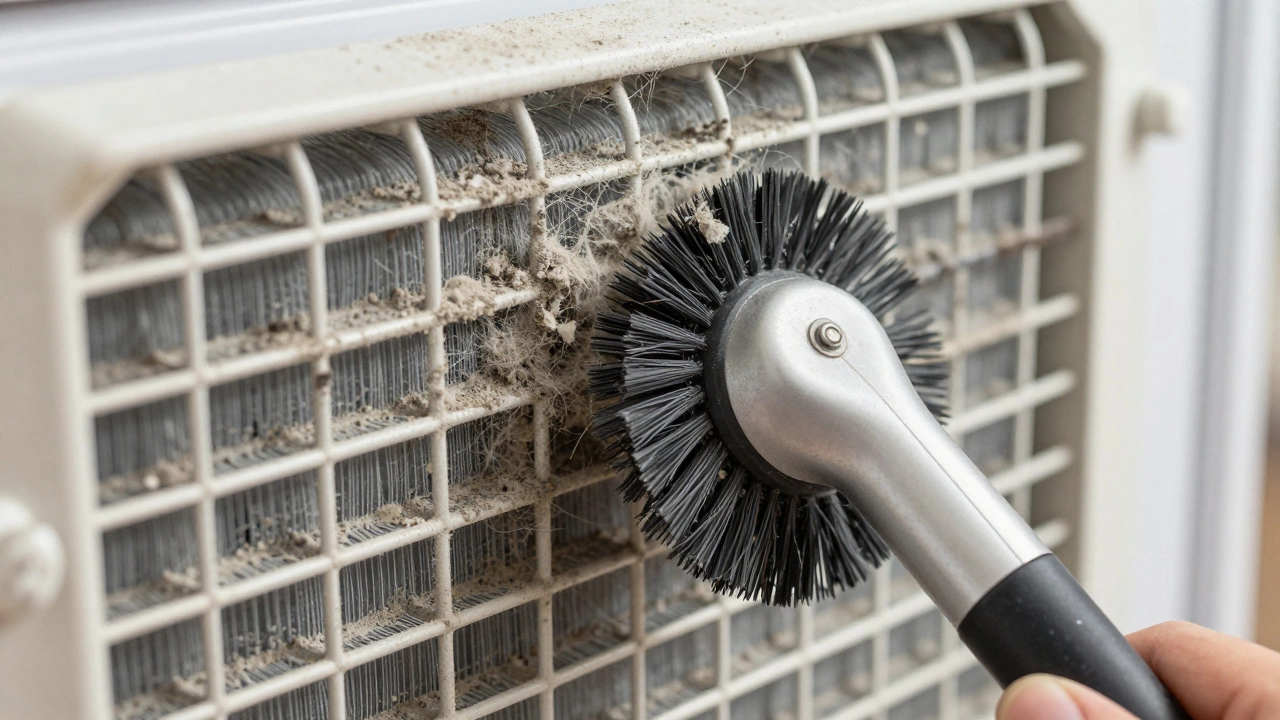
This is the number one culprit for a fridge that struggles to cool. Your refrigerator works by pulling heat out of the interior and releasing it into the room. The condenser coils are the components responsible for dissipating this heat. Over time, these coils collect dust, pet hair, and grime. When they get clogged, the heat can’t escape. The compressor then runs constantly, trying to compensate, but it can’t keep up. Eventually, the whole system overheats and shuts down.
To fix this, pull your fridge away from the wall. You’ll find the coils either on the back behind a grill or underneath the unit along the floor. Use a vacuum cleaner with a brush attachment or a specialized coil brush to gently remove the debris. Be careful not to bend the thin fins. If the coils are heavily matted with dust, you might need to use compressed air to blow it out. Cleaning these coils can restore efficiency immediately, often dropping the internal temperature within a few hours.
| Symptom | What It Means | Action Required |
|---|---|---|
| Fridge feels warm to touch | Heat is trapped inside the cabinet | Clean coils immediately |
| Compressor runs non-stop | System is working overtime to reject heat | Inspect and clean coils |
| High electricity bill | Inefficient operation due to blockage | Schedule regular coil maintenance |
Listen for the Evaporator Fan
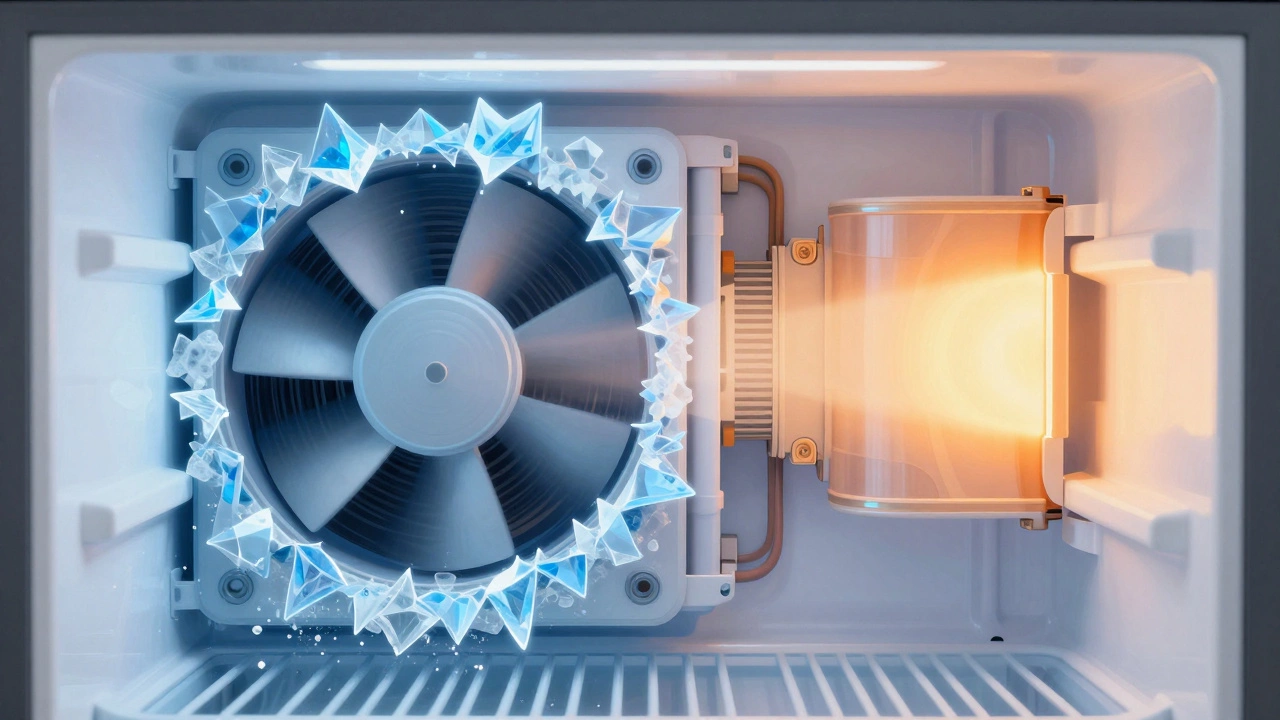
Inside your fridge, there is a fan that circulates cold air from the evaporator coils throughout the compartments. If this evaporator fan is broken or obstructed, the cold air stays stuck in one spot. You might notice that the freezer is freezing well, but the refrigerator section is lukewarm. This is a classic sign of a circulation problem.
To test this, unplug your fridge and open the doors. Listen closely when you plug it back in. You should hear a humming sound as the fan starts. If it’s silent, the motor might be dead. Alternatively, ice buildup could be jamming the blades. Look inside the freezer for any frost covering the fan area. If you see ice, you likely have a defrost system failure, which we’ll cover next. If there’s no ice but the fan doesn’t spin, the motor needs replacement. These parts are inexpensive and easy to swap if you’re comfortable with basic electronics.
Inspect the Defrost System
Most modern refrigerators have an automatic defrost cycle. Every few hours, a heating element turns on to melt frost off the evaporator coils. If this system fails, ice builds up until it blocks the airflow entirely. Your fridge will stop cooling, even though the compressor is running hard.
The defrost system consists of three main parts: the defrost heater, the defrost thermostat, and the defrost control board. To diagnose this, you need to access the evaporator coils, usually located behind a panel in the freezer. If you see a thick layer of ice, unplug the fridge and let it thaw completely. Once it’s dry, run it again. If it cools normally for a few days and then fails again, one of those three components is faulty.
You can test the defrost heater with a multimeter to check for continuity. If it reads infinite resistance, the heater is broken. The thermostat should also show continuity when cold. If both are fine, the control board might not be sending the signal to start the defrost cycle. Replacing these parts restores normal function and prevents future ice jams.
Check the Door Seals
A worn-out door gasket lets cold air escape and warm air enter. This forces the compressor to work harder, sometimes leading to overheating and failure. To check your seals, close the door on a dollar bill. If you can pull the bill out without resistance, the seal is loose. You should feel a slight tug.
Look for cracks, tears, or gaps in the rubber around the edges. Sometimes, dirt or food residue prevents the door from closing tightly. Clean the seals with warm soapy water and wipe them dry. If the rubber is brittle or damaged, order a replacement gasket specific to your model. Installing a new seal is straightforward: pop off the old clips and snap the new ones into place. This small fix can significantly improve energy efficiency and cooling performance.
Examine the Start Relay
The compressor is the heart of your refrigerator, and it needs a kickstart to begin each cycle. The start relay is a small component that provides this initial boost. If the relay fails, the compressor won’t start, and your fridge won’t cool. You might hear a clicking noise coming from the back of the unit, followed by silence.
To test the relay, locate it on the side of the compressor at the back of the fridge. Unplug the appliance first. Remove the relay cover and shake the relay gently. If you hear rattling, the internal contacts are worn, and it needs replacement. You can also test it with a multimeter for continuity. If it’s bad, buy a matching part from an appliance store. Swapping the relay is one of the easiest repairs you can do, often costing less than $20 and taking only minutes.
When to Call a Professional
While many fridge issues are DIY-friendly, some require expert attention. If you suspect a refrigerant leak, do not attempt to fix it yourself. Handling Freon or other gases requires certification and specialized equipment. Signs of a leak include oil stains near the compressor or hissing sounds. Additionally, if the compressor itself is burnt out, indicated by a burning smell or extreme heat, you’ll need a pro to assess whether repair is worth it compared to buying a new unit.
If you’ve tried all the steps above-cleaning coils, checking fans, testing relays-and your fridge still isn’t cooling, it’s time to call a technician. They have diagnostic tools to pinpoint electrical faults or sealed system issues that aren’t visible to the naked eye. In Wellington, local repair services are familiar with common brands and can often provide same-day assistance.
Why is my freezer cold but my fridge is warm?
This usually indicates a problem with air circulation. The evaporator fan might be broken, or ice buildup from a failed defrost cycle is blocking the vents. Check for frost behind the freezer panels and listen for the fan running.
How often should I clean condenser coils?
Every six months is a good rule of thumb. If you have pets or live in a dusty environment, you may need to clean them quarterly. Dirty coils reduce efficiency and increase energy bills.
Can a bad door seal cause cooling problems?
Yes. A poor seal allows warm air to enter, causing the compressor to run continuously. This can lead to overheating and eventual failure. Always check seals if your fridge seems inefficient.
Is it safe to reset my refrigerator?
Unplugging your fridge for 10-15 minutes can reset the control board and clear minor electronic glitches. However, it won’t fix mechanical failures like a broken fan or leaking gas.
What does a clicking noise from the fridge mean?
A repetitive clicking sound often points to a failing start relay or a struggling compressor. If the clicking stops and the fridge goes silent, the compressor isn’t starting. Test the relay first.
I am an expert in the services industry with a focus on appliance repair. My passion lies in understanding how things work and educating others in simple, engaging ways. This enthusiasm fuels my writing, where I delve into topics around appliance maintenance and troubleshooting. I aim to make these subjects clear and accessible to all readers.