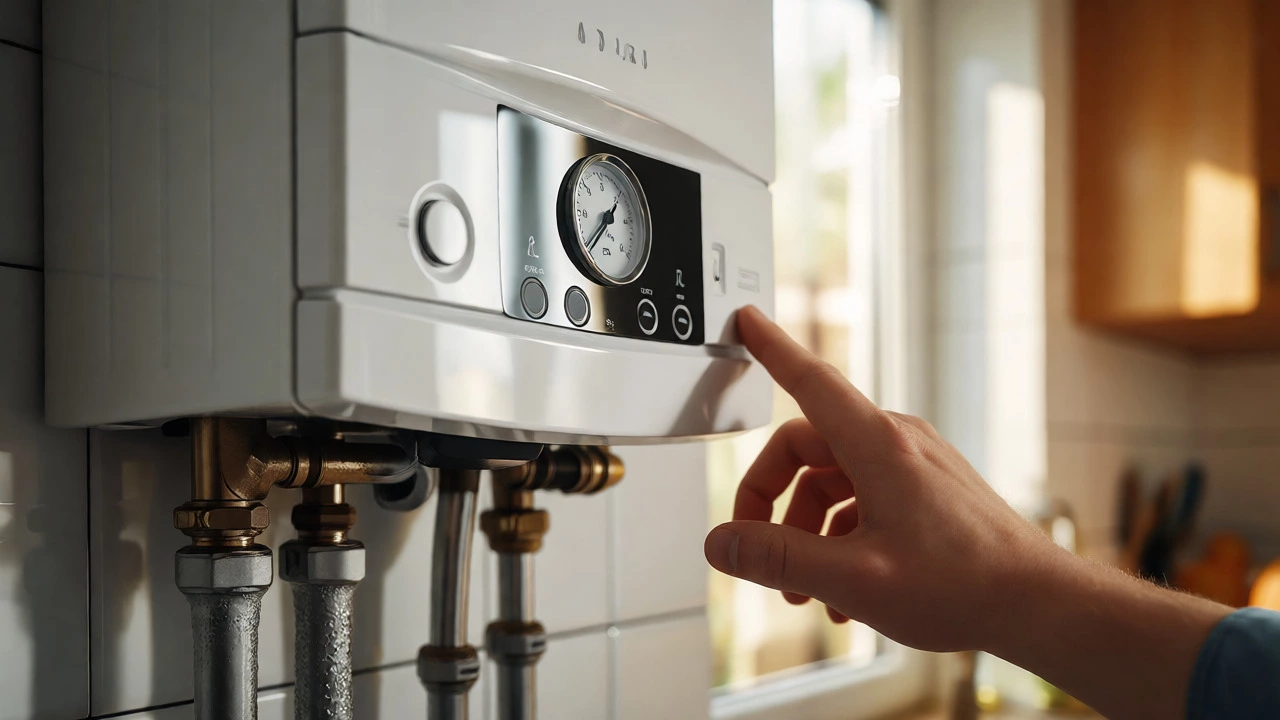
Boiler Service Cost & Savings Estimator
Enter Your Details
Your Financial Health Check
Fill in the details to see how much efficiency loss might be costing you.
Potential Energy Wasted
$0
Over the last 0 years due to efficiency drop.
Cost of Servicing
$0
If you had serviced annually during this period.
Why This Matters
According to industry standards, a poorly maintained boiler can lose up to 15% efficiency within five years. This calculator assumes an average efficiency loss of 3% per year after the first year without service. Regular servicing not only saves money on fuel but also protects your warranty and prevents costly breakdowns ($600+ for parts).
Most homeowners treat their boiler like a car they only look at when it breaks down. You flip the switch, heat flows, and you forget about it until the radiators go cold on a freezing night. But here is the uncomfortable truth: skipping regular maintenance doesn't just risk your comfort; it risks your warranty, your safety, and your wallet. If you are asking how often this machine actually needs attention, the short answer is once a year. But the real question is why that specific timeframe matters so much.
Think of your boiler as the heart of your home's heating system. It pumps hot water through pipes to radiators or underfloor systems, keeping you warm during those long, damp winters. Because it operates under pressure and involves combustion (usually natural gas or LPG), it requires precise calibration. Over time, components wear out, dust accumulates, and efficiency drops. Waiting for a breakdown is rarely cheaper than preventing one. Let’s break down exactly what servicing entails, why the annual rule exists, and what happens if you ignore it.
The Golden Rule: Annual Servicing
Manufacturers and heating engineers universally agree on one standard: your boiler should be serviced every 12 months. This isn't an arbitrary number pulled from thin air. It aligns with the typical lifecycle of wear-and-tear parts and the seasonal demands placed on the unit. In places like Wellington, where winters can be prolonged and wet, running your heating for six months straight puts significant strain on the system.
Why annually? Because that is the sweet spot between cost and prevention. Less frequent servicing (every two or three years) allows minor issues-like a slightly leaking seal or a clogged filter-to escalate into major failures. More frequent servicing (every six months) is usually overkill for modern residential units unless you have a very old system or live in an area with extremely poor air quality.
| Boiler Type | Recommended Frequency | Key Reason |
|---|---|---|
| Combi Boiler | Every 12 months | High usage for both heating and hot water leads to faster component wear. |
| System Boiler | Every 12 months | Complex setup with cylinders and pumps requires regular checks for leaks. |
| Regular/Open Vent | Every 12 months | Older technology often lacks modern self-diagnostic features. |
| Oil-Fired Boiler | Every 12 months | Soot buildup occurs faster with oil combustion than gas. |
What Actually Happens During a Service?
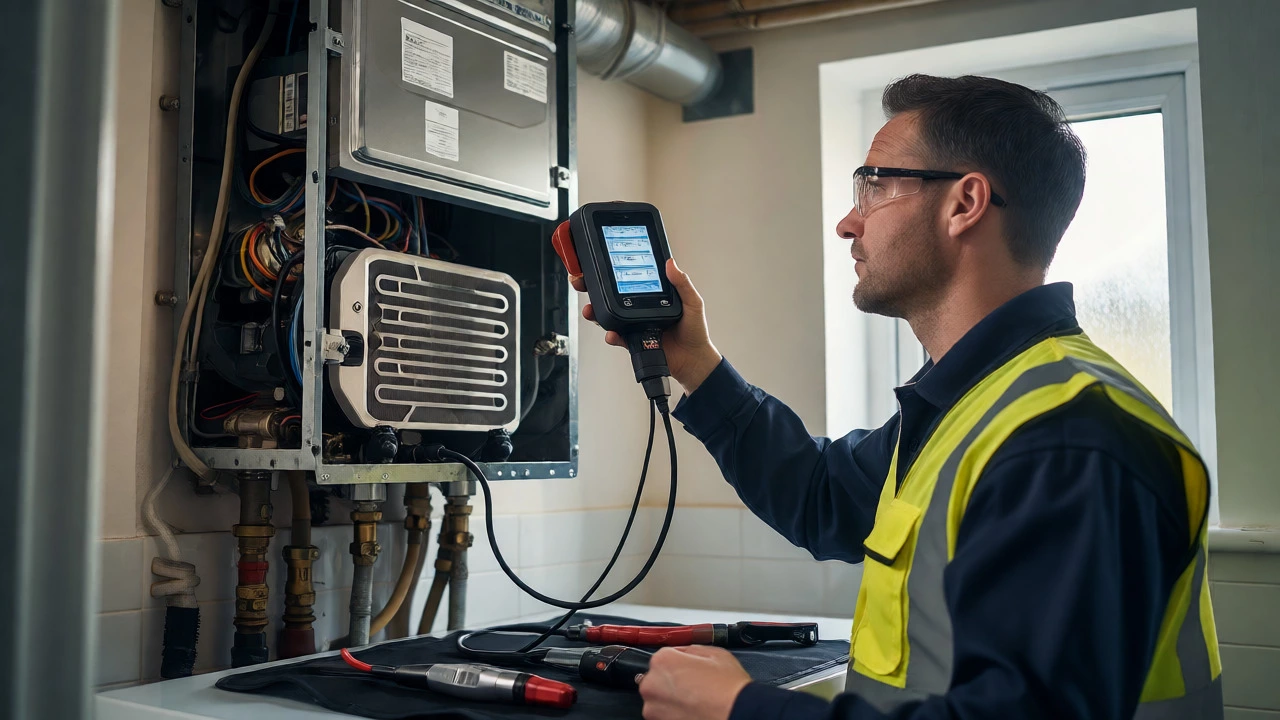
A proper service is not just a quick glance at the pressure gauge. It is a comprehensive health check performed by a qualified technician. For gas boilers, this must be done by a registered professional who can legally sign off on safety standards. Here is what they are looking for:
- Combustion Analysis: They measure the flue gases to ensure the boiler is burning fuel efficiently. Poor combustion produces carbon monoxide, a silent killer that can leak into your home if seals fail.
- Heat Exchanger Inspection: This is the core component that transfers heat from the flame to the water. Over time, limescale and sludge can coat it, reducing efficiency. Technicians check for cracks or blockages.
- Burner Cleaning: Dust and debris can clog burners, causing uneven flames and noisy operation. Cleaning them ensures a steady, efficient fire.
- Seal and Gasket Check: Rubber seals degrade with heat cycles. A tiny crack might not cause a visible leak yet but can lead to water damage inside the casing later.
- Pressure Test: They verify the expansion vessel holds the correct pressure. If this fails, your boiler will constantly lose pressure, requiring you to top it up weekly-a sure sign of trouble.
Signs Your Boiler Needs Attention Now
While annual servicing is preventative, certain symptoms mean you shouldn't wait for the calendar date. If you notice any of these red flags, book a call-out immediately:
- Noisy Operation: Banging, whistling, or gurgling sounds often indicate "kettling" (limescale buildup) or air trapped in the system.
- Frequent Pressure Drops: If you find yourself repressurizing the boiler more than once a month, there is likely a leak or a failing expansion vessel.
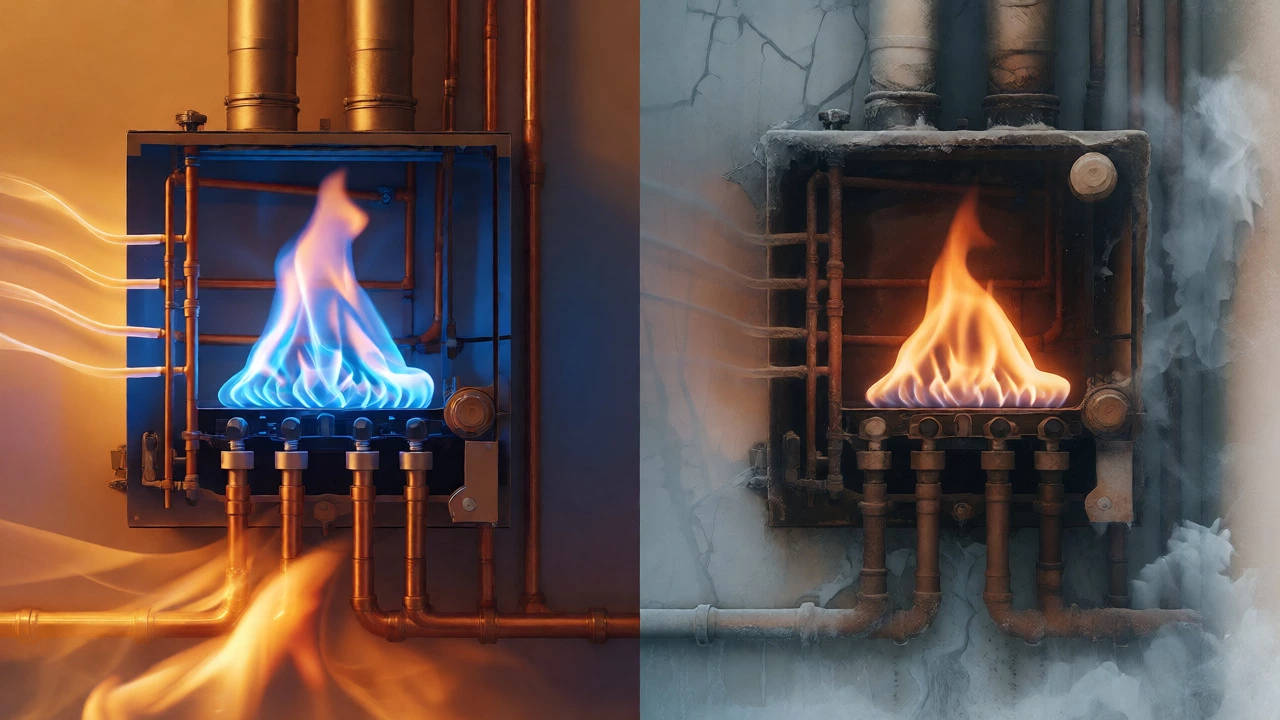
- Pilot Light Changes: On older models, a yellow pilot light instead of blue suggests incomplete combustion and potential carbon monoxide risks.
- Higher Energy Bills: An inefficient boiler works harder to produce the same amount of heat, driving up your gas or electricity costs without you noticing immediately.
- Cold Spots in Radiators: Sludge accumulation at the bottom of radiators restricts flow, forcing the boiler to work overtime.
The Cost of Neglect vs. The Cost of Maintenance
Let’s talk numbers, because money talks. A routine annual service typically costs between $150 and $250 depending on your location and provider. Compare that to the average cost of replacing a major component like a heat exchanger ($600-$900) or a full boiler replacement ($2,500+).
But there is another hidden cost: efficiency loss. A poorly maintained boiler can lose up to 15% of its efficiency within five years. That means you are paying for gas that turns into waste rather than warmth. If you spend $1,200 a year on heating, losing 15% efficiency costs you $180 annually. Over ten years, that is $1,800 wasted-more than enough to cover several services.
Furthermore, most manufacturers void warranties if you cannot prove regular servicing. If your five-year-old boiler fails due to a part covered under warranty, but you skipped services in years two and four, you might end up paying the full repair bill out of pocket.
DIY Checks vs. Professional Service
Can you do some maintenance yourself? Absolutely. There are simple checks you can perform monthly to catch issues early. However, these do not replace the professional service. Think of DIY checks as brushing your teeth and professional servicing as the dentist cleaning.
Monthly DIY Checklist:
- Check the pressure gauge. It should usually sit between 1 and 1.5 bar when the system is cold.
- Look for visible water stains or puddles around the boiler base.
- Listen for unusual noises when the heating kicks in.
- Bleed radiators if they feel cold at the top.
Professional Only Tasks:
- Internal cleaning of the burner and heat exchanger.
- Gas tightness tests using specialized detectors.
- Flue integrity checks to prevent exhaust leaks.
- Electrical component testing (fans, pumps, sensors).
Choosing the Right Time for Your Service
Timing matters. Most people forget to book a service until winter hits and the boiler breaks. By then, engineers are booked out for weeks, and emergency call-outs cost significantly more. The best time to service your boiler is late spring or early summer (October-November in the Southern Hemisphere, April-May in the Northern Hemisphere).
Why? Because demand is lower, so you get better availability and potentially better rates. Plus, if the engineer finds a minor issue, you have months to fix it before you desperately need heating again. Booking in summer also gives you peace of mind heading into winter, knowing your system is tested and ready.
Related Concepts and Connected Topics
Your boiler doesn't operate in isolation. Its performance depends heavily on the rest of your heating system. Understanding these connections helps you maintain overall efficiency:
- Power Flushing: If your radiators are sludged, a service alone won't fix it. Power flushing cleans the entire pipework, restoring flow and reducing strain on the boiler.
- Thermostatic Radiator Valves (TRVs): These allow room-by-room temperature control. Faulty TRVs can force the boiler to run longer than necessary.
- Smart Thermostats: Upgrading to a smart controller can optimize boiler cycling, reducing wear and saving energy.
- Water Quality: In hard water areas, installing a scale reducer can extend the life of the heat exchanger.
Final Thoughts on Longevity
A well-maintained boiler lasts 10-15 years. A neglected one might die at seven. The difference isn't luck; it's care. Regular servicing keeps the engine clean, the seals fresh, and the safety checks current. It transforms your boiler from a ticking time bomb into a reliable background player in your home comfort.
Don't wait for the cold snap to remind you of your boiler's existence. Pick a date now, book the engineer, and enjoy the quiet confidence of a system that just works.
Is it really necessary to service a new boiler?
Yes. Even brand-new boilers require annual servicing to keep the manufacturer's warranty valid. Additionally, new systems can still develop installation-related issues or minor defects that early detection catches cheaply.
Can I service my own gas boiler?
No. In most regions, including New Zealand, working on gas appliances requires a licensed gasfitter. DIY attempts on gas components can be dangerous and may invalidate insurance claims if a leak causes damage.
What happens if I miss a year of servicing?
Missing one year isn't catastrophic, but it increases the risk of undetected faults. Efficiency may drop, and small leaks could worsen. Try to get back on schedule quickly, but don't panic unless you notice active problems like noise or pressure loss.
Does servicing improve energy bills?
Directly, yes. A clean, tuned boiler burns fuel more completely. Indirectly, it prevents efficiency-draining issues like sludge buildup or faulty valves, which can increase consumption by 10-15%.
How long does a boiler service take?
A standard service takes 45 minutes to an hour. If the engineer needs to clean the heat exchanger or address minor repairs, it might take up to 90 minutes.
I am an expert in the services industry with a focus on appliance repair. My passion lies in understanding how things work and educating others in simple, engaging ways. This enthusiasm fuels my writing, where I delve into topics around appliance maintenance and troubleshooting. I aim to make these subjects clear and accessible to all readers.