Water Heater Lifespan & Decision Tool
Enter your water heater details below to estimate its remaining life and get a recommendation on whether to repair or replace.
Analysis Results
Estimated Remaining Life:
Based on average lifespans adjusted for your specific conditions.
Recommendation:
Key Factors Affecting Your Unit:
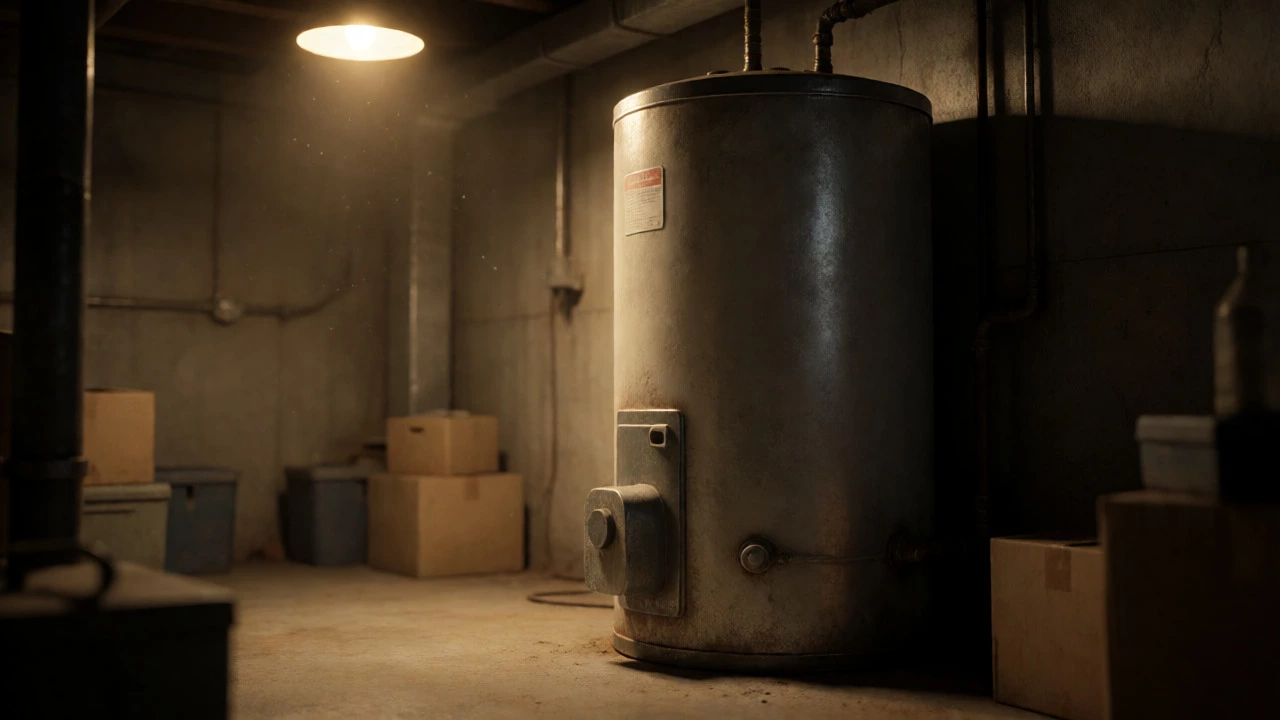
You’re standing in your basement or utility closet, staring at that big metal cylinder humming away. It’s been there for a while-maybe ten years, maybe fifteen. The question isn’t just "is it working?" but "how long until it explodes or leaks all over my floor?" Knowing how many years should a water heater last helps you budget for the inevitable replacement instead of scrambling when cold showers hit on a Tuesday morning.
The short answer? Most traditional tank water heaters last between 8 and 12 years. Tankless models can push 20 years or more. But here’s the kicker: those numbers are averages. Your specific unit might die at year six or survive to year eighteen depending entirely on what flows through its pipes and how well you maintained it. Let’s break down exactly what dictates that timeline so you can make smart decisions before disaster strikes.
The Real Lifespan Breakdown by Water Heater Type
Not all water heaters are created equal. The technology inside determines the baseline longevity. If you have a standard storage tank model, you’re playing with a different set of rules than someone with a tankless system or a heat pump hybrid.
Tank Storage Water Heaters are the most common type found in homes built before 2010. They work by keeping a large volume of water hot 24/7. Because they constantly hold corrosive water against steel walls lined with glass, they wear out faster. Expect 8-12 years. If you live in an area with soft water and replace the anode rod regularly, you might squeeze out 15 years. If you ignore maintenance, 6 years is realistic.
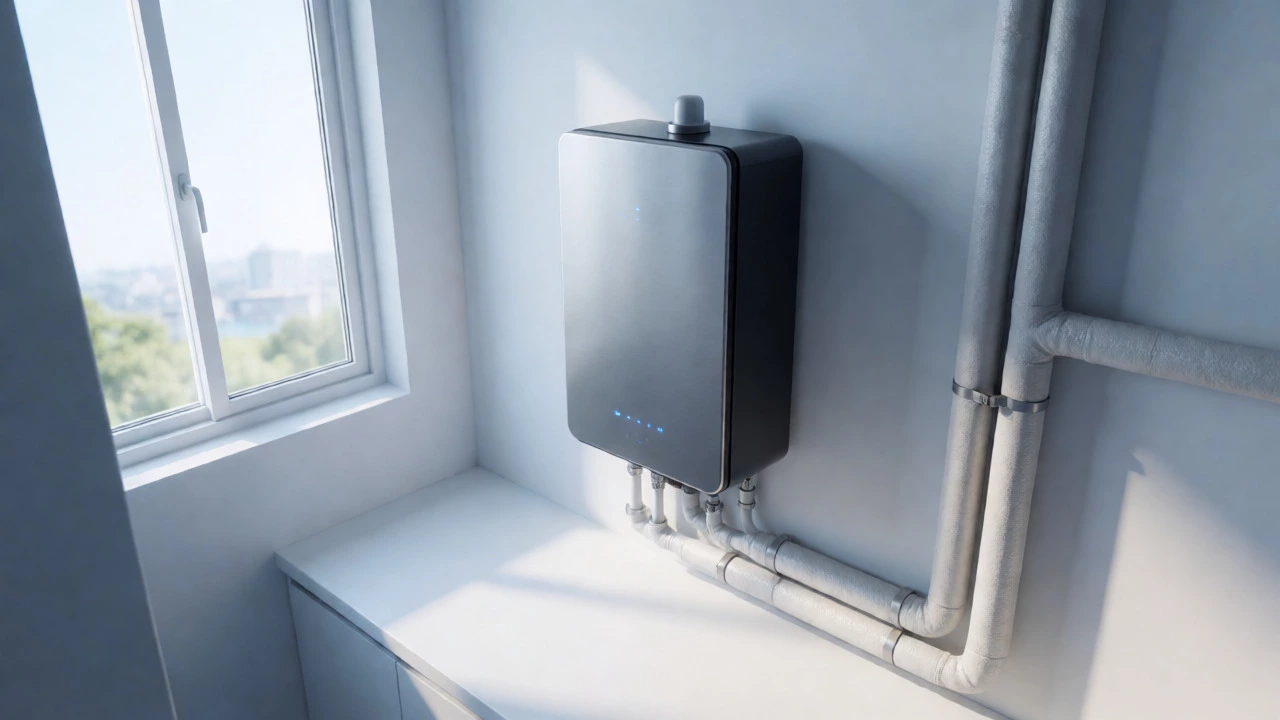
Tankless Water Heaters, also known as on-demand units, don’t store water. They heat it instantly as it passes through a copper or stainless-steel heat exchanger. Without a tank sitting under constant pressure and corrosion risk, these units typically last 20+ years. However, they require annual descaling if you have hard water. Skip that, and mineral buildup clogs the exchanger, killing the unit in half the time.
Heat Pump Water Heaters use electricity to move heat from the air into the water rather than generating it directly. They are highly efficient but mechanically complex. With compressors, fans, and coils involved, their lifespan mirrors high-end appliances like refrigerators-roughly 13-15 years. They are sensitive to dust and poor ventilation, which can shorten this window significantly.
| Water Heater Type | Average Lifespan (Years) | Key Failure Point | Maintenance Impact |
|---|---|---|---|
| Tank Storage (Gas/Electric) | 8-12 | Tank Corrosion / Anode Depletion | High (Anode Rod Replacement) |
| Tankless (On-Demand) | 20+ | Mineral Buildup in Heat Exchanger | Critical (Annual Descaling) |
| Heat Pump Hybrid | 13-15 | Compressor Failure / Coil Dust | Moderate (Filter Cleaning) |
| Indirect Fired | 15-20 | Coil Leaks / Boiler Integration Issues | Low (System Dependent) |
Why Hard Water Is Killing Your Unit Faster Than You Think
If you’ve ever seen white crusty stuff around your faucet aerator, you have hard water. That same calcium and magnesium are destroying your water heater from the inside out. In areas like Arizona, Texas, or parts of the Midwest where water hardness exceeds 10 grains per gallon, sediment builds up rapidly at the bottom of the tank.
This sediment acts as an insulator. When the burner tries to heat the water, the layer of rock prevents heat transfer. The burner stays on longer, overheating the metal above the sediment line. This thermal stress causes micro-cracks in the glass lining, leading to rust holes. For electric heaters, the heating elements get encased in calcium, causing them to burn out prematurely.
Here’s a rule of thumb: if your water hardness is above 7 gpg, cut the expected lifespan of a standard tank by 2-3 years. Installing a whole-home water softener can add 5 years back to the clock. It’s not magic; it’s chemistry. Softened water removes the ions that cause scale, allowing the tank to operate within its designed temperature parameters without excessive strain.
The Anode Rod: Your Water Heater’s Heartbeat Monitor
Most homeowners never look at the Anode Rod. This sacrificial zinc or aluminum rod sits inside the tank, attracting corrosive elements to itself instead of letting them attack the steel tank walls. It literally sacrifices itself to save the tank.
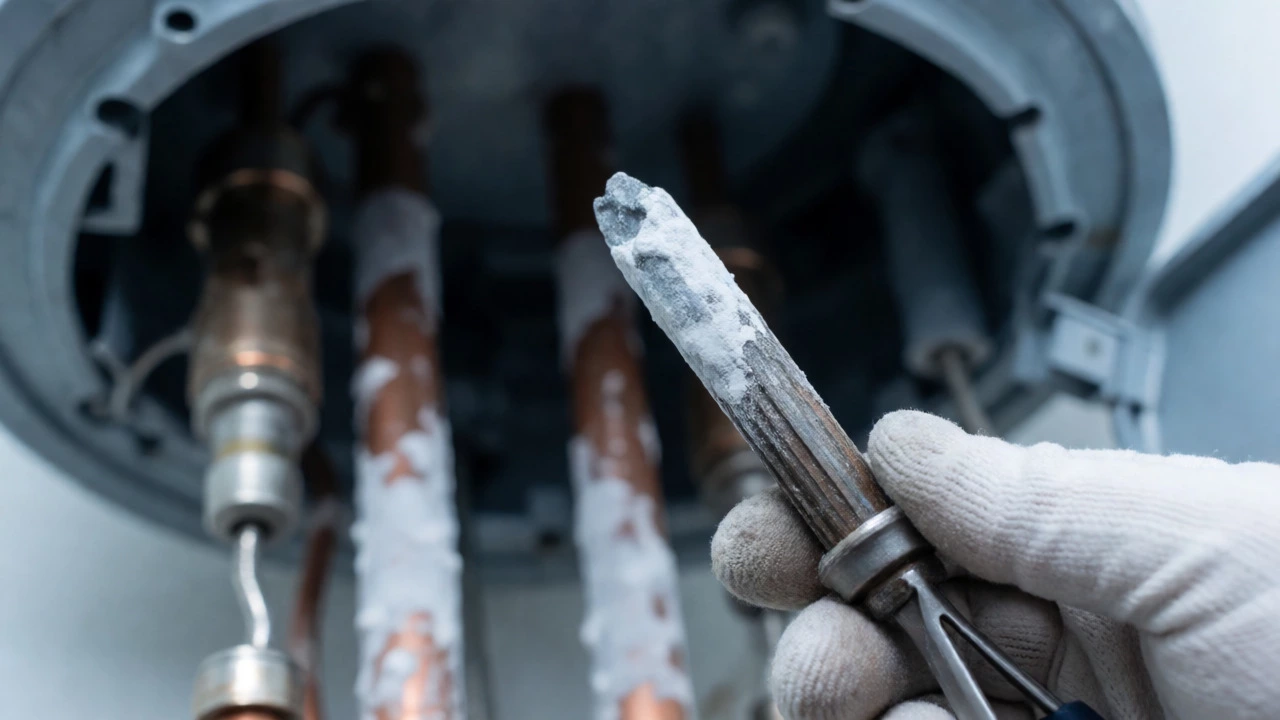
When the anode rod is fully consumed, corrosion attacks the tank directly. Once rust eats through the steel, leaks begin, and repair is impossible-you must replace the entire unit. Checking the anode rod every 2-3 years is the single best thing you can do to extend life.
- Zinc-Aluminum Rods: Common in municipal water supplies. Last about 3-5 years.
- Pure Zinc Rods: Better for sulfur-smelling water issues. Shorter lifespan, roughly 2-3 years.
- Powered Anodes: Use electrical current to protect the tank. These can last the lifetime of the heater but cost $200-$300 upfront.
If you pull the rod and it looks like a jagged stick of chalk, it’s gone. Replace it immediately. If it’s still thick and solid, put it back. This simple 15-minute task can double the life of your water heater.
Signs Your Water Heater Is Nearing Its End
Dont wait for a puddle on the floor. Your water heater gives warning signs months before failure. Recognizing these early lets you schedule a replacement during business hours, avoiding emergency service fees.
Rusty Water: If your hot water comes out brown or yellow but cold water is clear, the internal tank is corroding. This is often reversible if caught early by flushing the tank, but persistent rust means the lining is compromised.
Loud Popping or Rumbling Noises: This is steam bubbles trapped under sediment trying to escape. It indicates heavy buildup. While not an immediate leak risk, it signals inefficiency and potential overheating damage to the tank structure.
Decreasing Hot Water Volume: If you used to take a 10-minute shower comfortably but now run cold after 5 minutes, the tank capacity has effectively shrunk due to sediment displacement. The hot water layer is getting thinner because the bottom inch is solid rock.
Visible Moisture Around the Base: Check the pipe connections first. If the valves are tight and dry, but moisture persists on the tank body, the tank itself is leaking. A small weep hole leak might be fixable with epoxy for a few weeks, but structural rust spots mean replacement is imminent.
Temperature Settings and Usage Patterns Matter
Did you know setting your thermostat too high accelerates wear? Manufacturers recommend 120°F (49°C). Many people crank it to 140°F (60°C) thinking they’ll get more hot water. Actually, higher temperatures increase the rate of chemical reactions inside the tank, speeding up corrosion and scale formation. Every 10-degree increase above 120°F can reduce lifespan by up to 20%.
Usage patterns also play a role. A family of five taking multiple showers daily puts more thermal cycling stress on the tank than a single person using it occasionally. Thermal expansion and contraction weaken welds over time. If you have a large household, consider a larger capacity tank or a tankless system to reduce the frequency of reheating cycles.
When to Repair vs. Replace: The Decision Tree
So, your heater is acting up. Should you call a plumber for a part swap or buy a new unit? Use this logic:
- Age Under 5 Years: Almost always repair. Parts like thermostats, heating elements, or thermocouples are cheap ($20-$100). Labor is the main cost.
- Age 5-10 Years: Gray area. If it’s a minor part failure, repair it. If it’s a tank leak or major component failure, start shopping for replacements. Budgeting now saves stress later.
- Age Over 10 Years: Replace. Even if it’s currently working, it’s living on borrowed time. A $300 repair on a 12-year-old tank is throwing money away. Invest that cash toward the new unit.
Remember, labor rates for water heater installation vary widely. Replacing a gas tank usually costs $1,000-$1,500 including removal. Tankless units run $2,500-$4,000 due to venting and gas line upgrades. Factor this into your decision. A $200 repair on a dying tank delays the inevitable expense, whereas replacing it proactively lets you choose the right size and efficiency rating.
Extending Life: A Practical Maintenance Checklist
You don’t need to be a plumber to keep your heater alive. Follow this simple routine:
- Flush the Tank Annually: Drain a few gallons from the bottom valve to remove sediment. This improves efficiency and reduces noise. Do this once a year, preferably before winter.
- Test the T&P Valve: The Temperature and Pressure relief valve is your safety net. Lift the lever annually to ensure water discharges freely. If it drips afterward, replace the valve. If it doesn’t flow, replace it immediately-it could fail to relieve pressure, risking tank rupture.
- Check for Leaks Monthly: Run your hand along the pipe joints and the base of the tank. Early detection of pinhole leaks allows for temporary patches or planned replacements.
- Insulate Pipes: Wrap the first six feet of hot and cold pipes connected to the heater. This reduces standby heat loss, meaning the heater runs less often, reducing mechanical wear.
Treating your water heater like a car engine-regular checkups and fluid changes-keeps it running smoothly. Ignoring it leads to breakdowns at the worst possible times.
Can I make my water heater last longer than 12 years?
Yes, absolutely. Regular maintenance is key. Replacing the anode rod every 3-5 years, flushing the tank annually to remove sediment, and installing a water softener if you have hard water can extend the life of a standard tank to 15-20 years. Some users report tanks lasting over 20 years with meticulous care.
Is it better to turn off the water heater when away?
For short trips (a week or less), leave it on. Turning it off and back on repeatedly causes thermal stress on the components. For extended vacations (over two weeks), turning it off saves energy and reduces wear. Just remember to turn it back on a day before you return so the tank refills and heats.
What does it mean if my water heater makes popping noises?
Popping or rumbling sounds indicate sediment buildup at the bottom of the tank. Water gets trapped under the sediment layer, boils, and pops through the debris. This reduces efficiency and can damage the tank lining. Flushing the tank usually resolves the issue. If noise persists after flushing, the sediment may be hardened, requiring professional descaling.
Do tankless water heaters really last 20 years?
Yes, but only with proper maintenance. Tankless units rely on clean heat exchangers. In hard water areas, annual descaling with vinegar solution is mandatory to prevent mineral clogging. Without this, lifespan drops to 10-12 years. With regular servicing, reaching 20+ years is common.
Should I replace my water heater if it's 10 years old but working fine?
You don't have to, but you should plan for it. At 10 years, you're entering the high-risk zone for failures. Start saving for a replacement now. If you experience any leaks, strange noises, or inconsistent temperatures, prioritize replacement over repair. Proactive replacement avoids emergency plumbing calls and water damage risks.
I am an expert in the services industry with a focus on appliance repair. My passion lies in understanding how things work and educating others in simple, engaging ways. This enthusiasm fuels my writing, where I delve into topics around appliance maintenance and troubleshooting. I aim to make these subjects clear and accessible to all readers.