Oven Repair vs. Replace Calculator
Use this tool to determine if fixing your oven is financially sensible. Enter the details below to get a recommendation based on common industry guidelines (repair if <50% of new unit value and <8 years old).
Common Diagnostic Symptoms
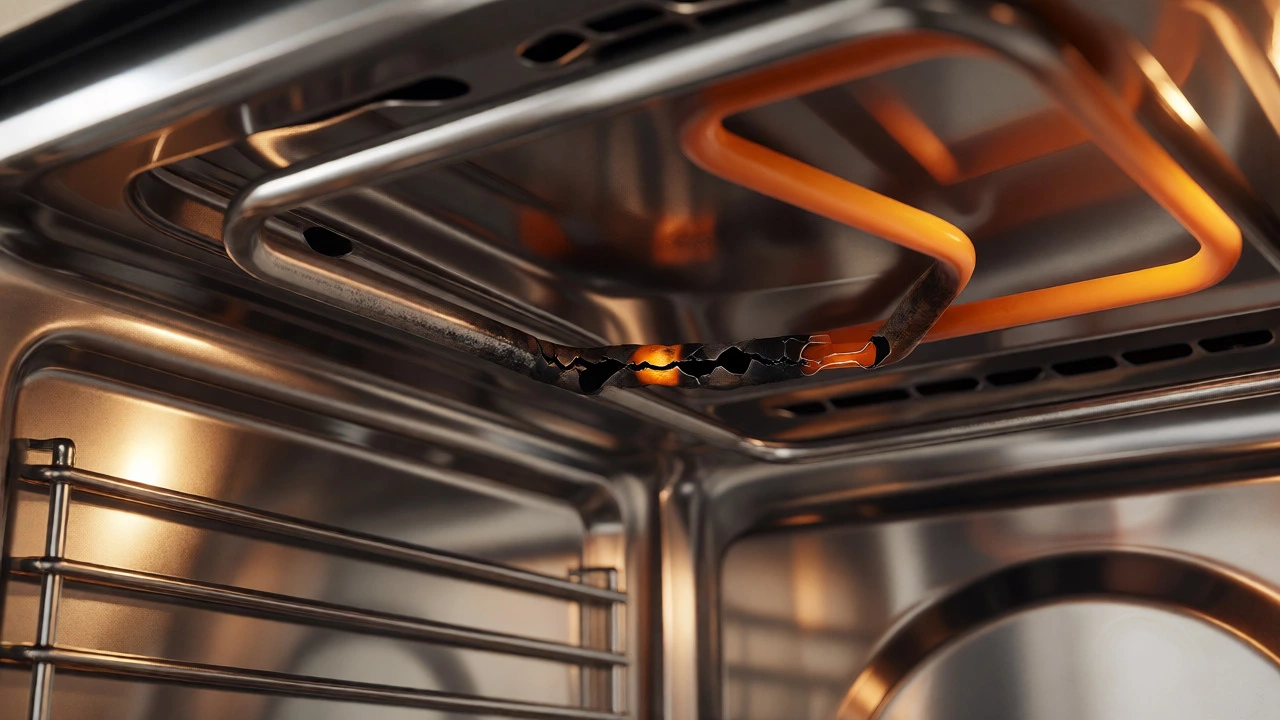
- No Heat: Check heating element (electric) or igniter (gas). Look for visible breaks or glow without flame.
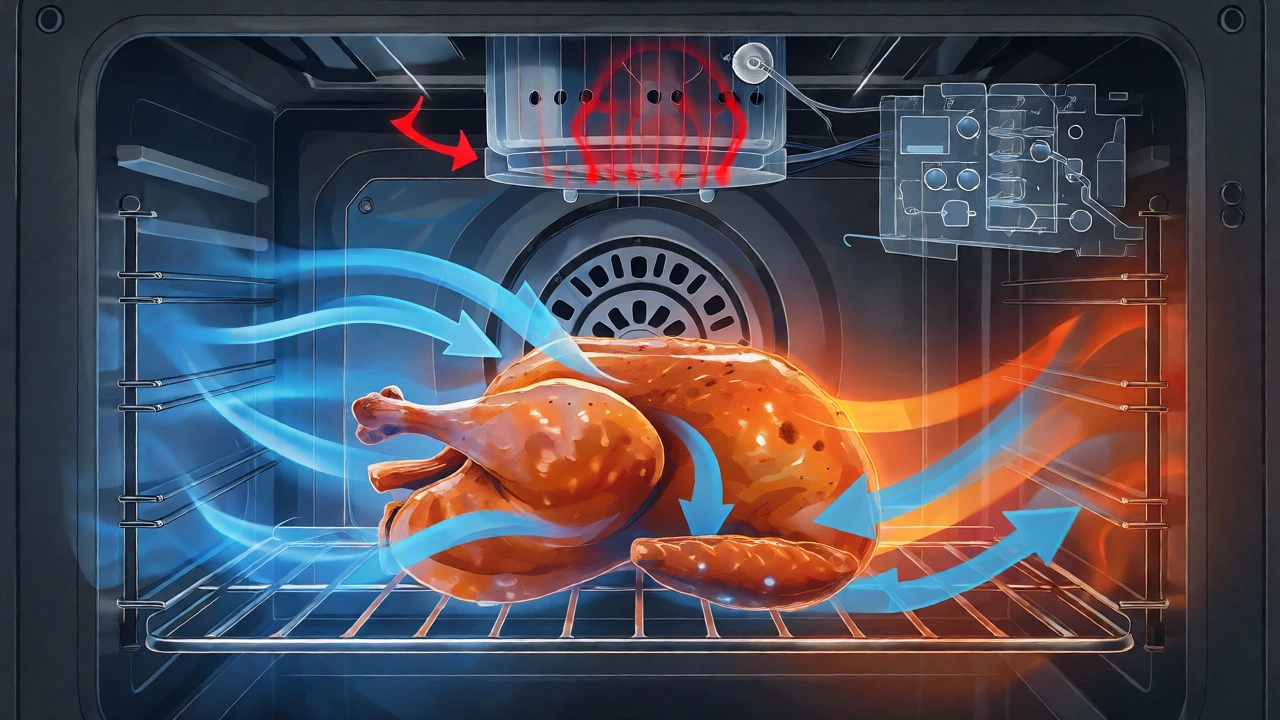
- Uneven Cooking: Likely fan motor failure or blocked vents. Listen for grinding noises.
- Temperature Drift: Faulty thermostat or temperature sensor. Test with independent thermometer.
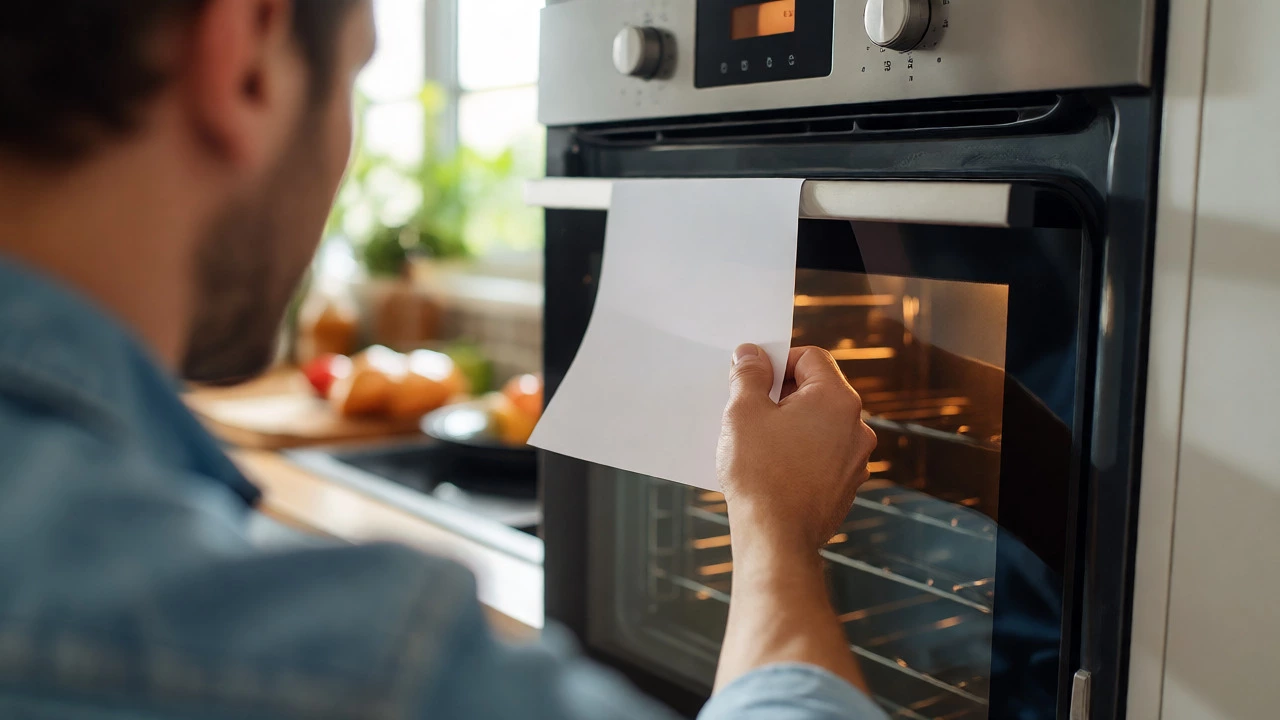
- Heat Leaking: Inspect door seal (gasket). Use paper test: if it slides out easily, replace seal.
- Control Issues: Unresponsive buttons or error codes often indicate control board glitches. Try power cycling first.
You’re mid-way through roasting a chicken for Sunday dinner, and you notice the kitchen isn’t getting warm. You check the oven light-it’s on. The fan is spinning. But when you put your hand near the glass, it feels lukewarm at best. Sound familiar? This is one of the most frequent complaints I hear from homeowners in Wellington and beyond. It’s frustrating, confusing, and often leads to buying a new appliance before checking if a simple oven repair could save hundreds of dollars.
Ovens are deceptively simple machines. They heat air, circulate it, and bake your food. But because they operate under extreme heat and electrical load, components wear out. The good news? Most common oven problems fall into just a few categories: heating issues, temperature control failures, or mechanical faults like broken hinges or seals. Once you know what to look for, you can diagnose the issue quickly and decide whether to call a pro or tackle it yourself.
The Heating Element Failure
If your oven turns on but doesn’t get hot, the heating element is usually the culprit. This is the metal coil (in electric ovens) or gas burner that generates heat. Over time, constant expansion and contraction cause cracks. A cracked element might still glow red but won’t produce enough heat to cook evenly. In some cases, it snaps completely, breaking the circuit.
How do you spot this? Look inside the oven cavity. If you see visible breaks, blistering, or dark burn marks on the element, it’s likely dead. For electric ovens, you can test continuity with a multimeter. Set it to ohms; if the needle doesn’t move or shows infinite resistance, the element is open-circuit and needs replacement. Gas elements don’t have coils, so you’ll need to check the igniter instead. If the igniter glows but doesn’t click the gas valve open, it’s too weak to trigger the safety mechanism.
| Component | Symptom | Likely Cause | Fix |
|---|---|---|---|
| Electric Heating Element | Oven stays cold, no glow | Broken filament | Replace element |
| Gas Igniter | Smell of gas, no flame | Weak igniter | Replace igniter |
| Fan Motor | Uneven cooking, noise | Worn bearings | Lubricate or replace motor |
Thermostat and Temperature Control Issues
Ever set your oven to 180°C and find your cake burnt on top but raw in the middle? Or maybe it takes an hour to reach temperature? That points to a faulty thermostat. This component regulates the oven’s internal temperature by switching the heat on and off. When it drifts out of calibration, your oven runs too hot or too cold.
Older ovens use mechanical thermostats with a bimetallic strip. Newer models rely on electronic sensors connected to a control board. Mechanical ones fail gradually-you might notice the temperature fluctuating wildly. Electronic sensors fail abruptly, often triggering error codes like F3 or E5 on digital displays. You can verify accuracy with an independent oven thermometer. Place it in the center of the rack and compare readings over 30 minutes. If there’s a consistent gap of more than 10-15°C, the thermostat needs recalibration or replacement.
Don’t ignore the temperature sensor itself. It’s a small probe sticking out from the back wall. If it’s coated in grease or carbon buildup, it reads incorrectly. Clean it gently with alcohol and a soft cloth. If cleaning doesn’t help, test its resistance with a multimeter. At room temperature (20°C), most NTC sensors should read between 100kΩ and 110kΩ. If the reading is way off, swap it out. These parts cost $20-$50 and take ten minutes to install.
Door Seal and Insulation Leaks
A surprising number of "broken" ovens aren’t broken at all-they’re leaking heat. The door seal, also called the gasket, keeps hot air inside. Over years of use, rubber hardens, cracks, or pulls away from the frame. Even a small gap lets heat escape, forcing the oven to work harder and longer.
Check the seal by closing the door on a piece of paper. Try to pull it out. If it slides easily, the seal is compromised. Also, look for black scorch marks around the door edge-signs of escaping hot air. Replacing a gasket is cheap ($15-$40) and easy. Just peel off the old one, clean the channel, and press the new one in place. Make sure it sits evenly all around.
Insulation behind the inner panel can also degrade. If the outer casing gets uncomfortably hot during operation, the insulation may have shifted or compressed. This isn’t always fixable without disassembly, but ensuring the door seals properly reduces strain on the system significantly.
Fan Motor Failures in Convection Ovens
Convection ovens rely on a fan motor to circulate air. Without it, heat pools in pockets, leading to uneven baking. If you hear grinding, squealing, or silence when the fan should be running, the motor is failing. Bearings wear out from heat exposure, causing friction and eventual seizure.
To test, turn the oven on and listen. No sound? Check if the fan blade spins freely by hand (when cool). Resistance means seized bearings. Sometimes, cleaning debris off the blades restores function. If the motor hums but doesn’t spin, the capacitor might be dead-a cheaper part to replace than the whole motor. However, if the motor is burnt or smells acrid, replace the entire unit. Labor costs vary, but DIY replacement saves significant money if you’re comfortable with basic tools.
Control Board Glitches
Modern ovens are computers with heaters attached. The control board manages timing, temperature, and modes. Power surges, moisture, or age can fry circuits. Symptoms include unresponsive buttons, random resets, or lights flashing without reason.
Before blaming the board, rule out simpler issues. Unplug the oven for five minutes to reset the electronics. Check for loose wiring connections behind the console. If the problem persists, inspect the board for burnt traces or swollen capacitors. Replacement boards range from $100 to $300 depending on the model. Since diagnosis requires technical knowledge, this is often a job for a professional technician unless you have experience with electronics.
When to Call a Professional vs. DIY
Not every repair is safe for amateurs. Working with gas lines or high-voltage capacitors carries risk. Here’s a quick guide:
- DIY Friendly: Replacing heating elements, door seals, temperature sensors, and cleaning igniters.
- Pro Recommended: Gas valve replacements, control board repairs, complex wiring issues, and sealed unit diagnostics.
In Wellington, labor rates average $80-$120 per hour. If the repair quote exceeds 50% of the oven’s current value, consider replacement. But for appliances under eight years old, fixing common faults usually makes financial sense.
Preventive Maintenance Tips
Most breakdowns happen due to neglect. Keep your oven healthy with these habits:
- Clean spills immediately. Sugary sauces burn onto elements and cause hot spots.
- Don’t block vents. Ensure airflow around the oven isn’t obstructed by cabinets or curtains.
- Use oven mitts carefully. Avoid slamming the door, which stresses hinges and seals.
- Run self-clean cycles sparingly. They generate intense heat that ages components faster.
Treating your oven with care extends its life by years. Regular checks prevent minor issues from becoming major expenses.
Why is my oven not heating up?
The most common reasons are a failed heating element, a faulty thermostat, or a blown thermal fuse. Check the element for visible damage first. If it looks intact, test the thermostat and fuse with a multimeter. Gas ovens may have a bad igniter that fails to open the gas valve.
How much does it cost to fix an oven?
Minor repairs like replacing a door seal or temperature sensor typically cost $50-$150 including parts. Major repairs involving heating elements or control boards can range from $200 to $500. Prices vary based on brand availability and local labor rates in areas like Wellington.
Can I replace an oven heating element myself?
Yes, provided you disconnect power at the breaker box. Remove the screws holding the element, detach the wires, and install the new part. Ensure the new element matches the voltage and wattage specifications of the original. Always double-check connections before restoring power.
Why does my oven smell like burning plastic?
This often indicates packaging material left inside after installation, or a wire insulation melting due to contact with the heating element. Check for any plastic bags or clips left in the cavity. If none are present, inspect wiring for charring. Persistent smells require professional inspection to prevent fire hazards.
Is it worth repairing an old oven?
If the oven is less than seven years old and the repair cost is under half the price of a new unit, yes. Older ovens may lack energy efficiency features found in modern models. Consider long-term electricity savings versus upfront repair costs when making your decision.
I am an expert in the services industry with a focus on appliance repair. My passion lies in understanding how things work and educating others in simple, engaging ways. This enthusiasm fuels my writing, where I delve into topics around appliance maintenance and troubleshooting. I aim to make these subjects clear and accessible to all readers.