Boiler Issue Diagnostic Tool
What is the primary symptom you are experiencing?
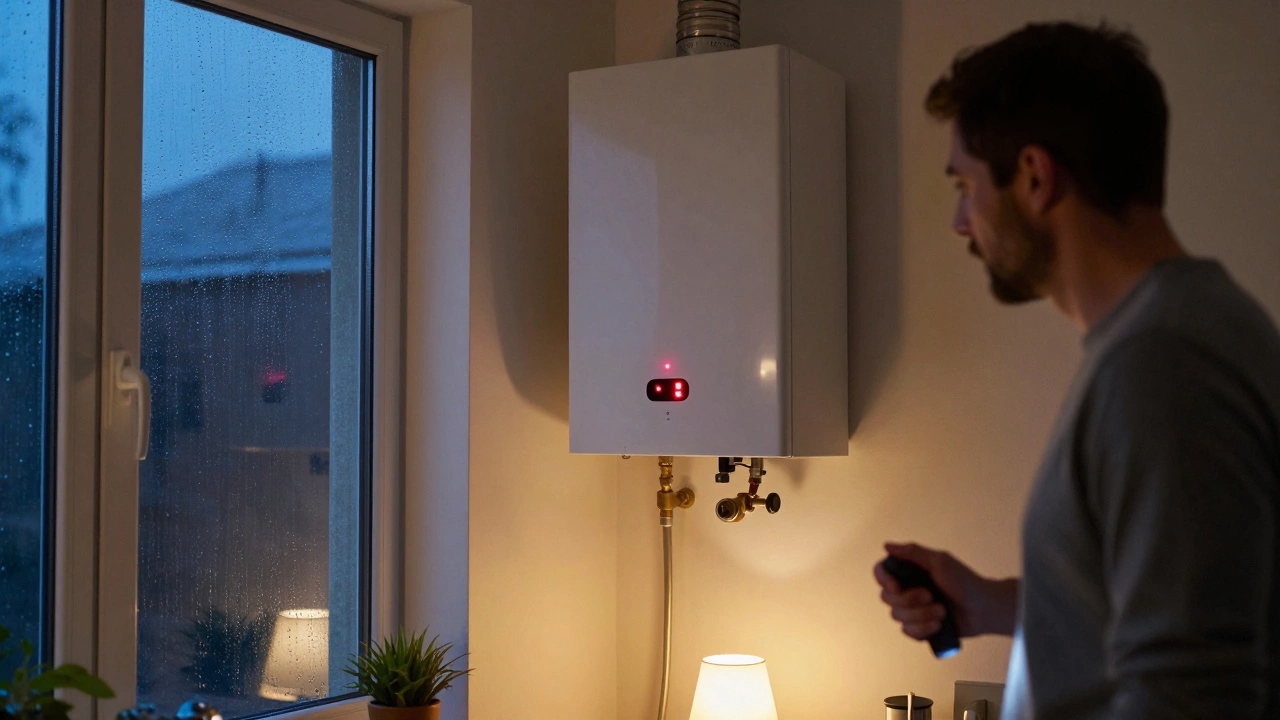
It’s 7 PM on a Tuesday in Wellington. The wind is howling against the windows, and suddenly, your living room drops from comfortable warmth to icy chill. You look at the display on your gas boiler, which shows a central heating system that burns natural gas to heat water for radiators and domestic hot water. It’s flashing an error code you’ve never seen before. Your first thought isn’t “I need to call a professional.” It’s “Can I just fix this myself?”
The short answer is: it depends entirely on what broke. If your thermostat has died or a valve is stuck, you might save yourself a service fee by swapping parts. But if the issue involves gas pressure, the combustion chamber, or the sealed system pressure, touching it with anything other than a certified eye is dangerous-and potentially illegal.
In New Zealand, we have strict rules about who can touch gas appliances. This guide breaks down exactly what you can safely attempt as a homeowner, what you must leave to a licensed GasSafe (or NZ equivalent) engineer, and how to troubleshoot common issues without risking your home or health.
What You Can Safely Fix Yourself
There are specific components of a boiler system that are electrical or mechanical but do not involve the direct handling of gas or high-pressure steam. These are generally safe for a competent DIYer to inspect and replace, provided you follow the manufacturer’s instructions and turn off the power supply first.
- Thermostats and Controls: If your room thermostat is unresponsive, it might be dead batteries or a faulty unit. Replacing a wall-mounted thermostat is usually a simple swap of wires. Similarly, programmer units that control when the heating turns on can often be replaced by the homeowner.
- Radiator Valves: Thermostatic radiator valves (TRVs) can get stuck or fail. Unscrewing a broken TRV head and replacing it with a new one is a standard DIY task. Just ensure you wrap the threads with PTFE tape to prevent leaks.
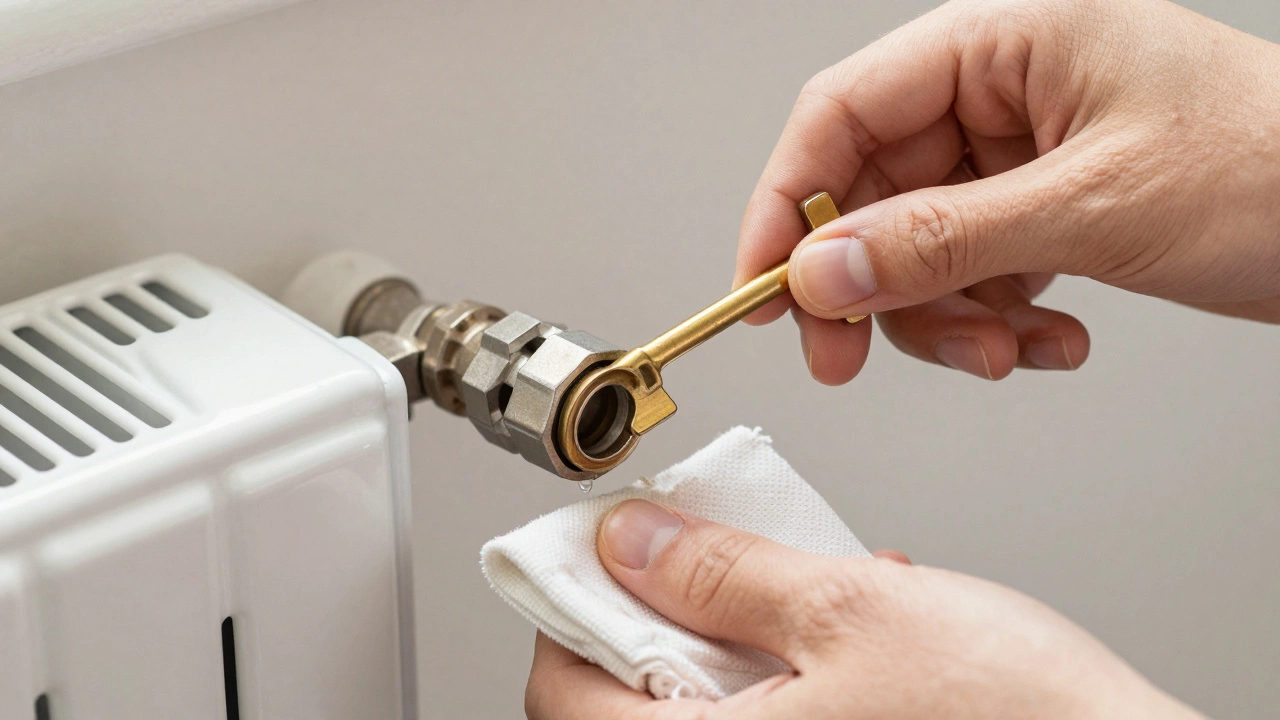
- Bleeding Radiators: If your radiators are cold at the top but hot at the bottom, they likely have air trapped inside. Using a radiator key to bleed them releases the air and restores heat distribution. This is maintenance, not repair, but it solves many “cold house” complaints.
- Filters and Magnets: Some modern systems have magnetic filters (like a Magnaclean) that catch sludge. These can often be drained and cleaned by the user, following the manual’s drainage procedure.
For these tasks, you don’t need special certification. However, you do need basic tools and a willingness to read the manual. If you’re unsure about wiring colors or pipe connections, stop. Electricity and water don’t forgive mistakes.
What You Must Never Touch
Here is where the line is drawn. In New Zealand, working on gas appliances requires a license. The Health and Safety at Work Act and local council bylaws enforce this strictly. Attempting to repair gas-related components can void your insurance, invalidate your warranty, and put lives at risk.
| Component/Task | DIY Allowed? | Risk Level |
|---|---|---|
| Replacing Thermostat | Yes | Low |
| Bleeding Radiators | Yes | Low |
| Adjusting Gas Pressure | No | Critical |
| Fixing Leaking Pipes | No (if under pressure) | High |
| Replacing Heat Exchanger | No | Critical |
| Clearing Blocked Flues | No | Critical |
Gas boilers operate under high pressure and temperature. The heat exchanger, which transfers heat from the burning gas to the water, is a critical component. If it cracks, carbon monoxide can leak into your home. This gas is odorless, colorless, and deadly. Only a qualified engineer with a flue gas analyzer can detect this.
Additionally, the pressure relief valve, which prevents the system from exploding if pressure gets too high, must function correctly. Tampering with safety valves is a serious offense. If your boiler is making strange noises, leaking water, or showing error codes related to ignition or flame failure, call a professional immediately.
Troubleshooting Common Issues Before Calling Help
Before you dial a repair service, run through these diagnostic steps. Many “breakdowns” are actually simple fixes that cost nothing but time.
- Check the System Pressure: Most combi boilers need a pressure between 1 and 1.5 bar. Look at the gauge on the front. If it’s below 0.8 bar, the boiler may lock out. You can repressurize the system using the filling loop-a flexible hose connecting the mains water to the boiler. Open the valves slowly until the pressure rises, then close them tightly. If the pressure drops again quickly, you have a leak.
- Reset the Boiler: Like a computer, boilers sometimes glitch. Press the reset button (usually a small red button or a sequence of key presses) for 3-5 seconds. If it fires up, great. If it locks out again within minutes, there’s a deeper problem.
- Inspect the Condensate Pipe: In winter, the plastic pipe that drains waste water from the boiler can freeze. If you see ice forming on the external pipe, pour warm (not boiling) water over it to thaw it. This is a common cause of sudden shutdowns in colder months.
- Listen for Noises: Kettling sounds (like a whistling kettle) indicate limescale buildup in the heat exchanger. Gurgling suggests air in the system. Whirring might mean the pump is failing. Note these sounds for the engineer; they help diagnose the issue faster.
If none of these steps work, or if the problem returns immediately, stop. You’ve done your part. Now it’s time for expert help.
When to Call a Professional Engineer
Knowing when to call a pro saves money in the long run. Here are clear signs that you need a licensed technician:
- Gas Smell: If you smell rotten eggs (the odor added to natural gas), evacuate the house immediately. Do not turn lights on or off. Call your gas provider from outside.
- Carbon Monoxide Alarm: If your CO alarm goes off, treat it as a life-threatening emergency. Get everyone out and call emergency services.
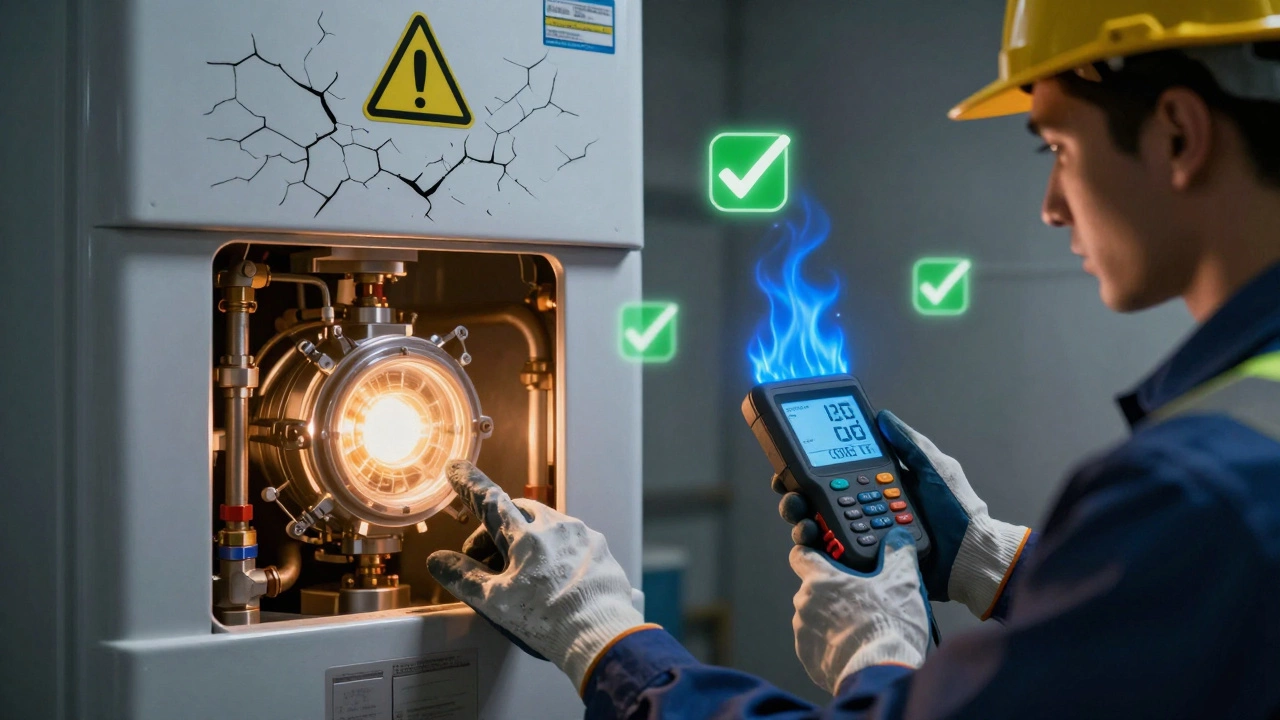
- Yellow Flame: A healthy gas flame should be blue. A yellow or orange flame indicates incomplete combustion, which produces carbon monoxide. This requires immediate inspection.
- Repeated Lockouts: If the boiler keeps shutting down despite resets, the fault is internal-likely a sensor, pump, or PCB (printed circuit board). These require specialized testing equipment.
- Water Leaks: Small drips from joints might be tightenable, but leaks from the heat exchanger or main pipes require professional repair. Water damage can ruin floors and walls quickly.
In New Zealand, always check that your engineer holds a valid GasWorks License, issued by WorkSafe New Zealand. Ask to see it before they start work. Unlicensed repairs can lead to fines and unsafe conditions.
Maintenance Tips to Prevent Future Breakdowns
Prevention is cheaper than cure. Regular maintenance keeps your boiler efficient and reduces the chance of unexpected failures.
- Annual Service: Have a qualified engineer service your boiler every year. They’ll clean components, check for leaks, test safety devices, and ensure efficiency. This often extends the boiler’s lifespan by several years.
- Power Flush: If your system is older than 5 years, consider a power flush. This removes sludge and magnetite buildup that clogs pipes and damages the pump. It’s a big job but pays off in reliability.
- Insulate Pipes: Wrap exposed hot water pipes in insulation foam. This prevents freezing in winter and reduces heat loss, saving energy.
- Monitor Pressure: Check the pressure gauge monthly. Top it up if needed. Sudden drops signal a leak that needs fixing.
- Keep Vents Clear: Ensure air vents near the boiler are not blocked by furniture or curtains. Boilers need oxygen to burn fuel safely.
By taking these small steps, you reduce the likelihood of needing emergency repairs. And if something does go wrong, you’ll know whether it’s a quick DIY fix or a job for the pros.
Is it legal to fix my own gas boiler in New Zealand?
No, it is not legal for homeowners to perform repairs on gas appliances. Only licensed gasfitters can work on gas lines, burners, and combustion systems. DIY repairs on these components violate WorkSafe regulations and can void your insurance.
How much does it cost to hire a boiler repair engineer?
Call-out fees in New Zealand typically range from $80 to $150, plus labor and parts. Complex repairs like replacing a heat exchanger can cost $500-$1000. Always ask for a quote before work begins.
Can I replace my boiler’s pump myself?
While technically possible, replacing a circulation pump involves draining the system and handling electrical connections. It’s recommended to leave this to professionals due to the risk of water damage and incorrect installation.
What does a flashing red light on my boiler mean?
A flashing red light usually indicates a fault code. Consult your manual to interpret the specific pattern. Common causes include low pressure, ignition failure, or overheating. Resetting may temporarily fix it, but persistent flashing means a professional diagnosis is needed.
How often should I service my boiler?
Annually. Regular servicing ensures safety, maintains efficiency, and keeps warranties valid. It also helps catch small issues before they become expensive repairs.
I am an expert in the services industry with a focus on appliance repair. My passion lies in understanding how things work and educating others in simple, engaging ways. This enthusiasm fuels my writing, where I delve into topics around appliance maintenance and troubleshooting. I aim to make these subjects clear and accessible to all readers.