Electric Hob Repair vs. Replace Calculator
Use this tool to determine if fixing your current cooktop makes financial sense compared to buying a new one. This calculator uses the common "50% Rule" often cited in New Zealand appliance repairs.
Recommendation
Financial Breakdown
Note: If repair cost > 50% of new unit price, replacement is usually recommended. Older units (>10 years) may also have hidden wear issues.
You’re trying to boil water for tea, and the front-left burner on your electric hob is dead. Or maybe it heats up, but takes twenty minutes longer than it used to. It’s a frustrating moment, especially when you have guests coming over or just want dinner without fuss. The immediate thought is often, "Is this thing toast? Do I need to buy a new one?" But here’s the good news: most electric hobs are surprisingly repairable. Unlike some modern appliances that are glued together like puzzles, many electric cooktops allow access to key components like heating elements and switches. Before you start shopping for a replacement unit, let’s look at what actually goes wrong with these appliances and whether fixing them is worth your time and money.
The Anatomy of an Electric Hob
To understand if a repair is possible, you first need to know what you’re dealing with. An electric hob, also known as a cooktop or stovetop, converts electrical energy into heat through resistance. There are three main types you’ll encounter in New Zealand homes, and their repairability varies significantly.
- Ceramic/Glass Top: These use radiant heating elements beneath a smooth glass surface. They look sleek but can be tricky because the glass itself can crack, though the elements inside are usually replaceable.
- Solid Plate (Cast Iron): Old-school favorites. These have heavy cast-iron plates sitting on top of spiral elements. They are robust, easy to clean around, and generally the easiest to repair because parts are standard and accessible.
- Induction: These don’t use heating elements directly under the pan; they use electromagnetic fields. While efficient, they rely on complex electronic boards (inverters). If the board fails, it’s often cheaper to replace the whole unit unless you find a specialist.
If you have a solid plate or ceramic model, there’s a high chance a technician can fix it. Induction units are more sensitive to voltage spikes and component failure, making repairs a bit more of a gamble depending on the age of the machine.
Common Problems That Can Be Fixed
Most breakdowns fall into a few predictable categories. Knowing which one you have helps you decide if it’s a DIY job or a call-out situation.
Broken Heating Elements
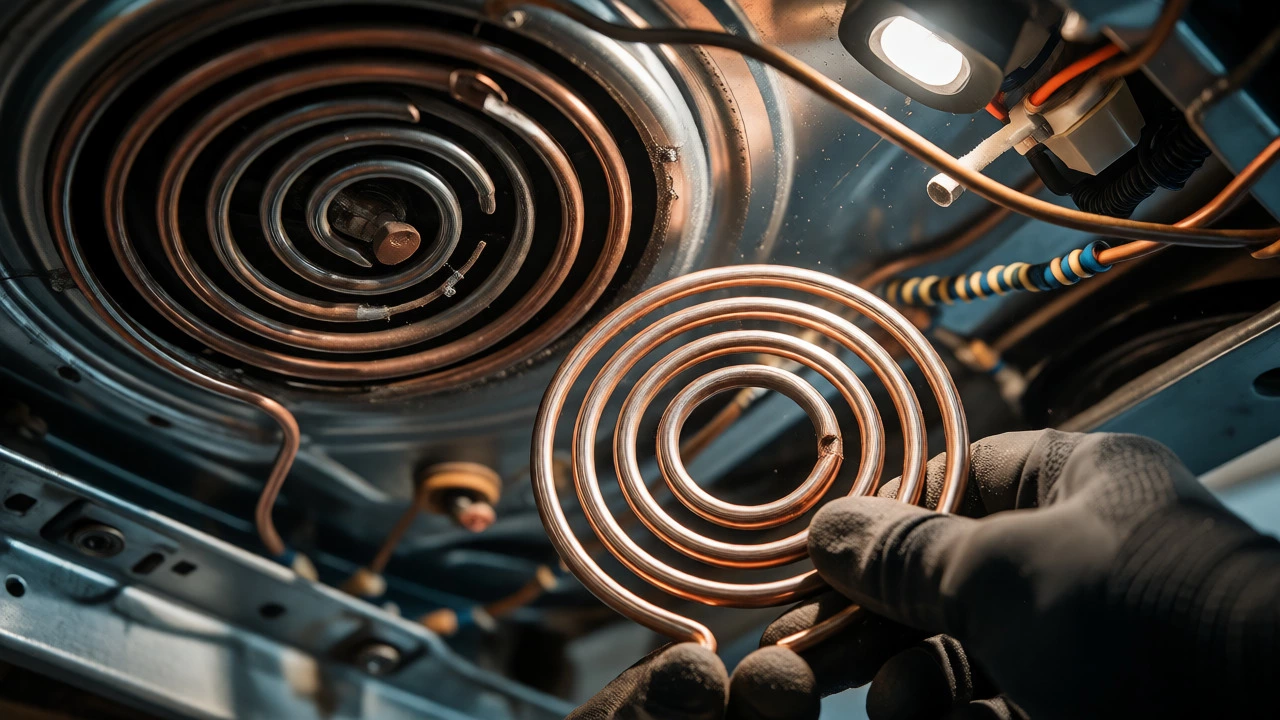
This is the most common issue. On a solid plate hob, the element is a coil wrapped around a core. Over years of heating and cooling, metal fatigue sets in, and the coil snaps. You’ll notice the zone doesn’t heat up at all, or only half of it works. Replacing a heating element is straightforward. The part costs between $40 and $120 NZD depending on the brand (like Fisher & Paykel, Miele, or Bosch), and labor adds another $150-$200. If your hob is less than ten years old, this is almost always worth fixing.
Faulty Switches and Controls
Do the lights work, but the heat doesn’t? Or does the knob feel loose? Mechanical switches wear out. The internal contacts burn away from arcing every time you turn the dial. This is a classic wear-and-tear item. Technicians can swap these switches quickly. However, if your hob has digital touch controls, a single failed sensor might require replacing the entire control panel, which can cost nearly as much as a new mid-range hob.
Thermostat Failures
If your food burns instantly on low settings or never gets hot enough, the thermostat might be off. In older models, these are adjustable bimetallic strips. In newer ones, they’re electronic sensors. Calibration issues are cheap to fix. A complete thermostat failure requires a part replacement, which is standard fare for any appliance tech.
When Is It Not Worth Repairing?
There’s a point where fixing becomes throwing good money after bad. Here’s how to calculate it.
| Scenario | Estimated Repair Cost (NZD) | New Unit Cost (NZD) | Verdict |
|---|---|---|---|
| Single Element Failure (<5 yrs old) | $180 - $250 | $600+ | Repair |
| Control Board Failure (Induction) | $350 - $500 | $800+ | Replace |
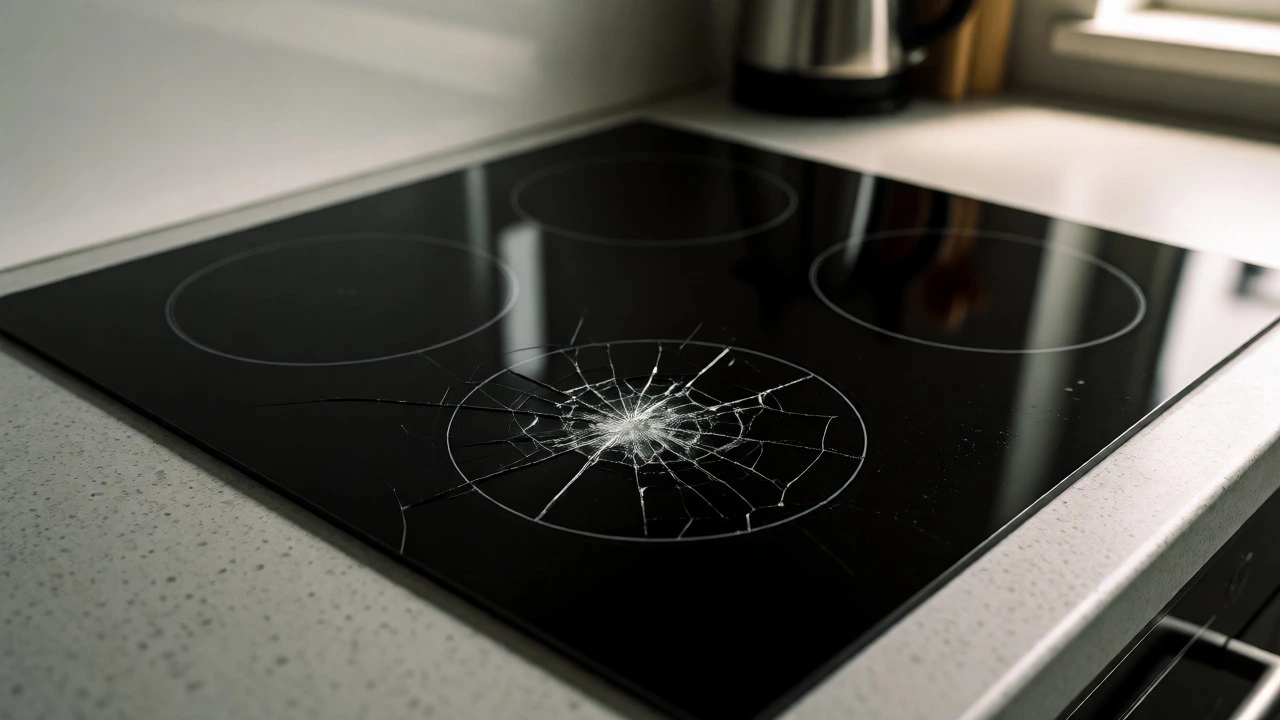
| Cracked Glass Surface | $400+ (Glass + Labor) | $700+ | Replace |
| Multiple Zone Failures (>10 yrs old) | $400+ | $500 - $900 | Replace |
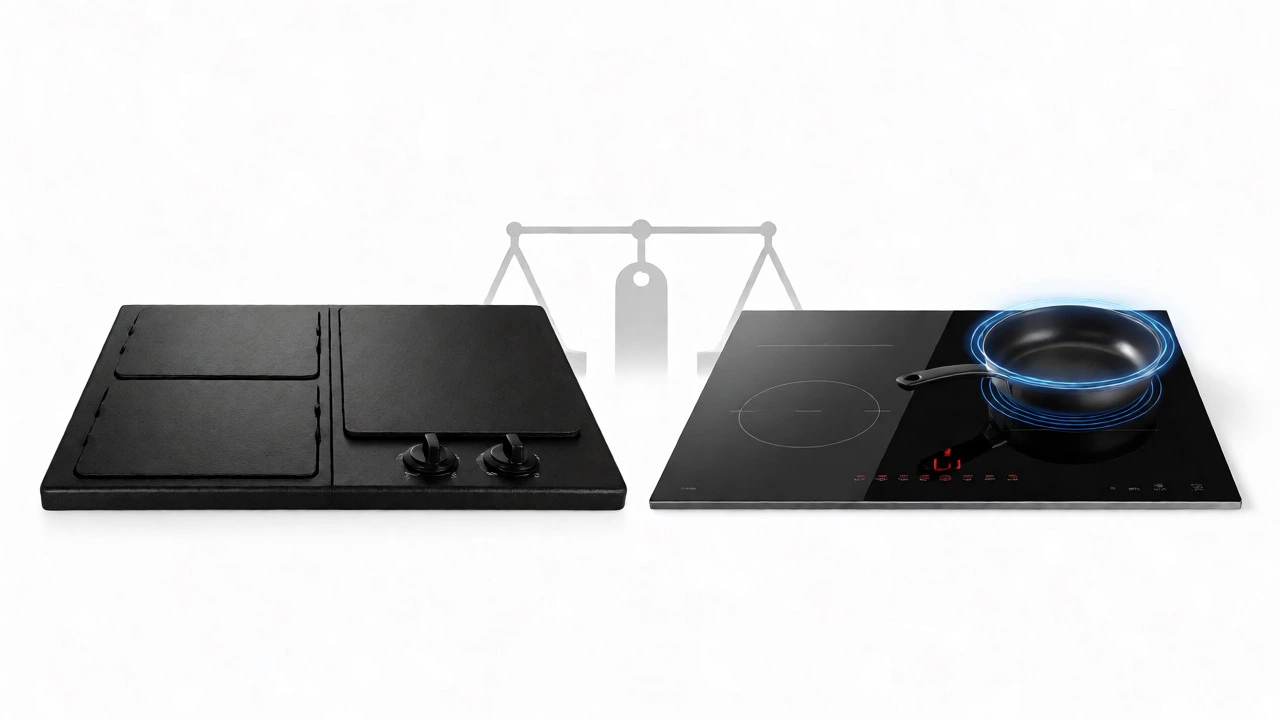
The rule of thumb in Wellington and across NZ is simple: if the repair costs more than 50% of the price of a comparable new unit, buy new. Also, consider energy efficiency. Older solid plate hobs waste heat. Newer induction or halogen models heat faster and cool quicker, saving on your electricity bill. If your current hob is ancient, a replacement might pay for itself in energy savings over five years.
DIY Checks Before Calling a Pro
You don’t need to be an electrician to do basic troubleshooting. Safety first: always switch off the power at the circuit breaker before touching anything behind the hob. Never attempt repairs while the unit is live.
- Check the Power Supply: Is the tripped breaker reset? Sometimes the issue isn’t the hob, but the house wiring or the outlet itself. Test the socket with a lamp or multimeter.
- Inspect Visible Damage: Look for scorch marks on the terminals or a visibly snapped coil on solid plate models. If you see blackened wires, stop-this indicates a short circuit that needs professional attention.
- Test Individual Zones: Turn each zone on separately. If one works and others don’t, it’s likely a component-specific issue (element or switch) rather than a main power problem.
If these checks reveal nothing obvious, or if you smell burning plastic/electrical insulation, call a registered electrician or appliance repair service. Working with 230V mains electricity is no joke.
Choosing a Repair Service in NZ
Not all technicians are created equal. When looking for help, ask these questions:
- Do they stock parts for your brand? Brands like Smeg and Belling have specific parts that aren’t universal. A general handyman might not have the right connector or element size.
- Is there a warranty on the repair? Reputable companies offer at least a 3-month warranty on parts and labor. If the same element breaks again in two weeks, you shouldn’t pay twice.
- What is the call-out fee? In major cities like Wellington, expect a call-out fee of $80-$120. This covers their travel and initial diagnosis. Some services waive this if you proceed with the repair.
Be wary of quotes given over the phone without seeing the fault. A technician needs to test the continuity of the element and check the switch integrity to give an accurate price. If someone promises a "cheap fix" without inspecting the unit, they might be guessing.
Maintenance Tips to Extend Lifespan
Once your hob is fixed, keep it running smoothly. For glass tops, avoid dragging rough pots across the surface; lift instead. Clean spills immediately when cool to prevent staining or etching. For solid plates, ensure the bottom of your pans is flat and clean. Warped pans create air gaps, forcing the element to work harder and potentially overheating the surrounding area.
Also, check your ventilation. If your extractor fan is clogged with grease, heat builds up around the hob’s electronics. This thermal stress kills control boards faster than cooking ever will. Clean your filters monthly.
How long should an electric hob last?
With proper care, a quality electric hob typically lasts between 10 and 15 years. Solid plate models can last even longer, sometimes reaching 20 years, because they have fewer electronic components to fail compared to induction or digital ceramic models.
Can I replace a glass top myself?
Technically yes, but it’s risky. The glass is heavy, fragile, and must be sealed perfectly to prevent moisture ingress. If the seal fails, water gets into the electronics and causes shorts. Most professionals recommend leaving glass replacement to experts due to the difficulty of handling large sheets of tempered glass safely.
Why is my electric hob clicking?
A rapid clicking sound usually indicates a failing relay in the control board or a sticking thermostat. The relay tries to engage but can’t maintain contact, causing it to buzz or click. This is a sign that the electronic control module may need replacement, especially in induction hobs.
Are induction hobs easier to repair than ceramic ones?
No, they are generally harder and more expensive to repair. Ceramic hobs use simple resistive elements that are cheap and easy to swap. Induction hobs rely on complex inverters and capacitors. If the main board fails, the cost often approaches the price of a new unit, whereas a ceramic hob element is a minor expense.
What should I do if my hob smells like burning?
Turn it off immediately and unplug it or switch off the breaker. A burning smell often means an electrical short, melting insulation, or debris trapped under the element. Do not use it until a qualified electrician inspects the wiring and components, as this poses a fire risk.
I am an expert in the services industry with a focus on appliance repair. My passion lies in understanding how things work and educating others in simple, engaging ways. This enthusiasm fuels my writing, where I delve into topics around appliance maintenance and troubleshooting. I aim to make these subjects clear and accessible to all readers.