Oven Repair vs. Replace Calculator
Enter details above to see recommendation.
You’re standing in your kitchen, staring at the blackened glass of your trusty electric oven. It’s been with you through every Thanksgiving turkey and midnight snack for two decades. Now it won’t heat past 300 degrees, or maybe the door seal is finally giving up. The big question isn't just "how much will this cost?" but "is it even worth fixing?" Most people assume twenty years is the expiration date for appliances. But here’s the truth: age alone doesn’t kill an oven. Specific component failures do.
Before you call a junk hauler, you need to understand what actually breaks in older units and when those repairs make financial sense. This guide cuts through the noise to help you decide whether to fix that vintage beast or start shopping for a new model.
The Short Answer: Yes, But With Caveats
| Scenario | Verdict | Why |
|---|---|---|
| Heating Element Failure | Repair | Parts are cheap ($50-$150), labor is standard. |
| Thermostat Issue | Repair | Easy fix, restores accurate cooking temps. |
| Control Board Burnout | Replace | Parts are expensive ($200+), often obsolete. |
| Rust in Cavity | Replace | Structural damage; repair is cosmetic only. |
| Dual Fuel (Gas/Electric) | Depends | Check gas valve availability first. |
Generally, if the problem is mechanical-like a broken hinge, a faulty light switch, or a burnt-out heating element-a repair is almost always cheaper than buying a new unit. A basic electric oven costs between $600 and $1,200 today, plus installation fees which can run another $150 to $300. If your repair quote is under $300, you’re likely saving money by keeping the old machine.
However, if the issue lies in the electronic control board or the wiring harness, you might be throwing good money after bad. Twenty-year-old electronics weren’t built to last as long as modern solid-state components, and manufacturers stop stocking parts for models after about ten to fifteen years. Finding a compatible board can become a scavenger hunt that costs more in time and shipping than the part itself.
Common Failures in Two-Decade-Old Electric Ovens
Electric ovens are relatively simple machines compared to their smart-enabled successors. They rely on resistive heating elements and basic thermostats. When they fail, it’s usually one of these three culprits:
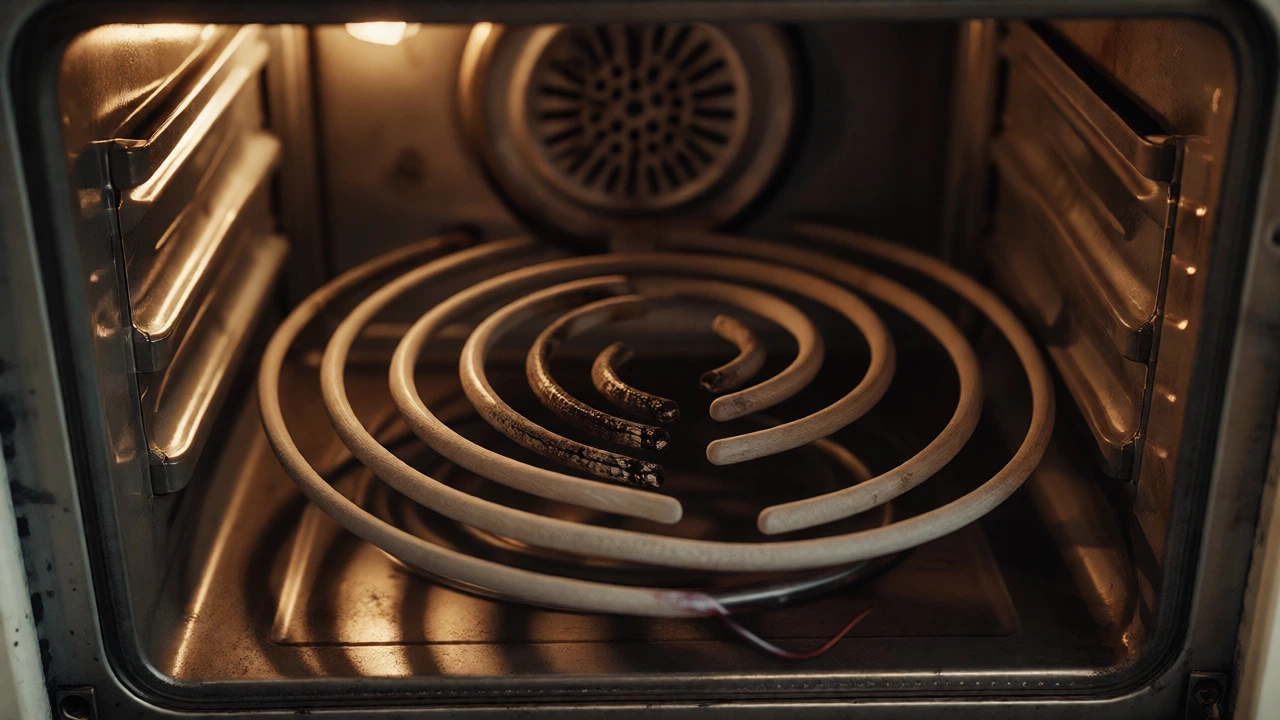
- Heating Elements: These are the coils inside the oven cavity. Over time, thermal expansion and contraction cause metal fatigue. Eventually, they snap. Replacing a bake or broil element is straightforward. The part costs between $40 and $120 depending on the brand. Labor adds another $100 to $150. Total cost? Usually under $250.
- Oven Thermostat: If your food burns or stays raw despite the dial saying otherwise, the thermostat is likely drifting out of calibration. Older mechanical thermostats wear out. Modern digital sensors fail differently, but the result is the same: inaccurate temperature. Replacement kits are inexpensive, and many handy homeowners can swap them out themselves.
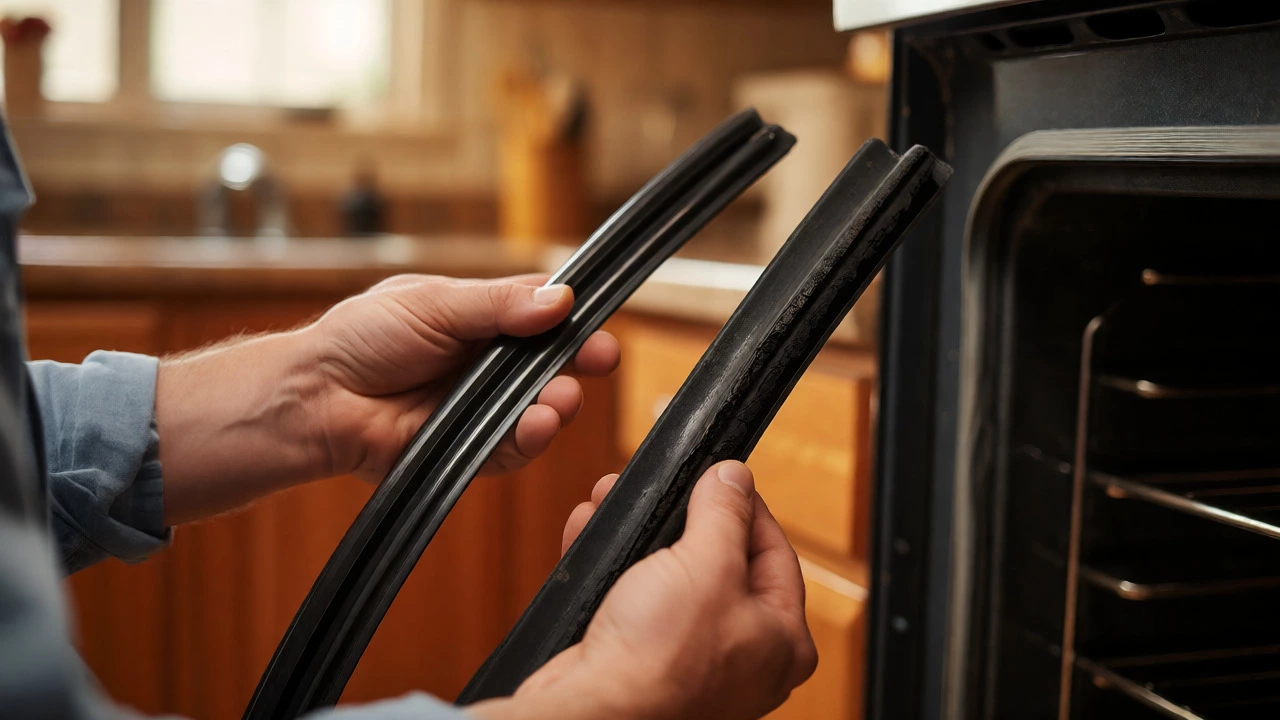
- Door Seals: After twenty years, rubber gaskets harden and crack. Heat escapes, forcing the element to work harder and increasing your energy bill. New seals cost $20 to $50. This is the easiest win in appliance maintenance.
Notice a pattern? These are all physical, replaceable parts. They don’t require proprietary software updates or rare microchips. That’s why repairing an old electric oven often makes sense.
When You Should Walk Away From the Repair Shop
Not every breakdown is worth fixing. Here’s when you should seriously consider replacing your oven instead.
The Control Board Problem
If your oven displays error codes, flashes lights randomly, or refuses to turn on entirely despite having power, the main control board is suspect. In older models, these boards were prone to capacitor failures. While some technicians can repair the board itself, finding a new one is tough. If the manufacturer discontinued the model over a decade ago, you might pay $250 to $400 for a refurbished board. Add labor, and you’re approaching half the price of a new entry-level oven. Unless you have a sentimental attachment to the specific layout or color, it’s time to move on.
Severe Rust or Corrosion
Open the oven door and look at the bottom floor and the walls. Do you see deep rust pits or flaking enamel? Once moisture gets into the insulation behind the inner wall, it causes structural corrosion. You can’t paint over this effectively. More importantly, severe rust indicates potential safety issues with electrical grounding or gas lines (if applicable). A new oven offers better insulation and hygiene. Cleaning a rusty cavity is a losing battle against bacteria and uneven heating.
Lack of Available Parts
Call a local appliance repair specialist before committing to a service call. Ask them directly: "Do you still stock parts for [Brand] model [Number]?" If they hesitate or say they have to order from overseas with a six-week lead time, think twice. Downtime matters. If you rely on that oven daily, waiting two months for a $15 part isn’t practical. Buy a new one and donate the old one if it’s still functional enough for a second-hand market.
Energy Efficiency: Is Your Old Oven Wasting Money?
This is the hidden factor most people ignore. Twenty years ago, oven insulation standards were lower. Today’s models use thicker ceramic fiber insulation and better door seals. This means less heat loss during cooking.
Let’s do the math. An older oven might take 15 minutes longer to preheat because its insulation lets heat escape. If you cook five times a week, that extra time adds up. Over a year, you could waste $50 to $80 on electricity just due to inefficiency. Multiply that by the remaining life of the oven (say, 5 more years), and you’re looking at $250 to $400 in wasted energy. Compare that to the upfront cost of a new, Energy Star-rated model, and the break-even point comes faster than you’d think.
Furthermore, modern ovens come with convection fans that circulate air, allowing you to cook at lower temperatures. Older radiant-only ovens require higher temps for the same results. Upgrading isn’t just about looks; it’s about lowering your monthly utility bills.
Safety Concerns with Aging Appliances
We tend to forget that ovens involve high voltage and intense heat. As wiring ages, insulation becomes brittle. Cracked wire sheathing can expose live conductors, creating a shock hazard or a short circuit risk. Check the power cord where it enters the back of the unit. If it looks frayed or discolored, that’s a red flag.
Also, inspect the door latch mechanism. If the door doesn’t close tightly, hot air blasts into the kitchen. This not only wastes energy but poses a burn risk, especially if you have young children or pets. While latches can sometimes be adjusted or replaced, if the frame itself has warped from years of thermal cycling, no amount of tightening will fix it. Safety should always trump savings. If you smell burning plastic or hear popping sounds, unplug the unit immediately and consult a pro.
How to Extend the Life of Your Current Oven
If you’ve decided to keep your twenty-year-old oven, you can squeeze a few more years out of it with proper care. You don’t need special tools for this.
- Clean Spills Immediately: Sugar and cheese act like glue when baked onto heating elements. Scrubbing them off while warm (not hot) prevents buildup that insulates the element, causing it to overheat and burn out.
- Don’t Use Self-Clean Often: The self-clean cycle heats the oven to nearly 900°F. This extreme thermal stress accelerates the aging of seals and electronic components. Use manual cleaning methods instead.
- Check the Door Seal Monthly: Run a dollar bill around the perimeter of the closed door. If it slips out easily, your seal is compromised. Replace it now to save on energy bills.
- Level the Oven: If the oven isn’t level, the door may not sit flush, leading to heat leaks. Use a bubble level and adjust the feet at the base of the unit.
Treating your old oven gently can delay inevitable failures. It’s like maintaining an old car; regular oil changes won’t make it a Ferrari, but they’ll keep it running smoothly for miles.
Frequently Asked Questions
Is it safe to keep using an oven that is 20 years old?
Yes, generally speaking, if it is functioning correctly and passes visual inspections for wiring and rust. Age alone does not make an appliance unsafe. However, you should have a technician check the electrical connections and grounding if you notice any flickering lights or unusual smells. Regular maintenance ensures safety regardless of age.
What is the average lifespan of an electric oven?
The average lifespan is typically 13 to 15 years. However, many well-maintained units last 20 years or more. High usage, lack of cleaning, and harsh self-cleaning cycles can shorten this timeline, while gentle use and timely repairs can extend it significantly beyond the industry average.
Should I replace my oven if the heating element breaks?
No, not necessarily. Heating elements are consumable parts, similar to light bulbs. They are designed to wear out eventually. Replacing a heating element is one of the most cost-effective repairs for an older oven. Unless the oven has other major issues like a failed control board or severe rust, fixing the element is the smarter financial choice.
Are parts still available for 20-year-old oven models?
It depends on the brand and popularity of the model. Major brands like Whirlpool, GE, and Frigidaire often keep common parts like hinges, handles, and elements in stock for 15-20 years. Proprietary or less common brands may have discontinued support earlier. Always verify part availability with a repair professional before authorizing a service call.
Does a new oven save significant money on energy bills?
You might save $50 to $100 per year depending on usage patterns. Newer ovens have better insulation and efficient heating elements. However, the savings rarely justify the full cost of replacement unless your current oven is extremely inefficient or requires frequent repairs. Consider the total cost of ownership, including the purchase price and installation, versus the annual energy savings.
I am an expert in the services industry with a focus on appliance repair. My passion lies in understanding how things work and educating others in simple, engaging ways. This enthusiasm fuels my writing, where I delve into topics around appliance maintenance and troubleshooting. I aim to make these subjects clear and accessible to all readers.